It was a Tuesday evening, and I was halfway through a slice of sourdough toast when I felt it. That sickening, subtle click. My bridge—the one I’d relied on for years—suddenly had a mind of its own. My heart sank. If you’ve ever felt that shift in your mouth, you know the instant dread. You start thinking about the cost, the time, and the horrifying possibility of it falling out during a meeting. I’ve been exactly where you are, and let me tell you, my first instinct was to reach for the super glue. Spoiler alert: Don’t do that. I learned the hard way that DIY dentistry usually ends in a bigger bill and a lot of regret. I once tried to “re-seat” a crown with craft adhesive and ended up with a gum infection that took weeks to clear. Trust me, we want to avoid that. Today, I’m sharing the “neighborly” advice I wish I had back then to keep your dental work safe until you can get to the clinic.
Stop the Panic and Step Away from the Hardware Store
Dealing with a dental bridge that feels loose when you chew is nerve-wracking, but it’s not the end of the world. First, take a breath. The bridge is likely held on by dental cement that has simply reached its expiration date. It is much like a temporary crown popping off; it’s a mechanical failure, not necessarily a biological one. According to the American Dental Association, while bridges are incredibly durable, they usually require professional inspection every few years to ensure the bond remains intact. My biggest mistake early on was trying to “test” it by wiggling it with my tongue. Every time I did that, I was stressing the anchor teeth. Today, I’m going to walk you through exactly how to stabilize your smile without making things worse before you can see your family dentistry expert. We are going to look at what to eat, what to avoid, and how to keep the area clean so you don’t face a bigger bill later.
Is a Wobbly Bridge Really a Medical Emergency?
You might be wondering if you need to call the emergency line at 2 AM or if you can wait until Monday morning. While it’s certainly urgent, it usually isn’t a “ER-level” crisis unless there’s intense pain, bleeding, or visible swelling. However, ignoring it can lead to bacteria getting trapped under the prosthetic, which is how you end up needing dental crowns on the support teeth or even a root canal. If the bridge comes out entirely, there is even a risk of inhaling or swallowing it, which is an emergency. A study in the Journal of Evidence-Based Dental Practice notes that prosthetic complications are best managed within 24 to 48 hours to prevent tooth migration and gum overgrowth. Have you ever had that “oh no” moment with a piece of dental work? Drop a comment below and tell me your story—it helps to know we’ve all been there! Before we get into the step-by-step cleaning and temporary fix methods, remember that your main goal is preservation. You are the guardian of those anchor teeth right now.Once you’ve stopped the initial panic, your priority shifts to preservation. Think of your bridge like a loose stair railing; if you keep putting weight on it or yanking it, you’re going to rip the anchors right out of the wall. In this case, the anchors are your natural teeth, and we need to keep them intact.
Keep the Bridge in Place Without Using Hardware Store Glue
The very first thing you need to do is gently bite down to see if the bridge still seats correctly. If it’s just slightly wobbly but still feels mostly in place, leave it alone. I remember the time I tried to ‘fix’ a loose molar crown by biting down on a piece of hard plastic to ‘wedge’ it back in. I ended up with a hairline fracture that required a much more expensive fix. Instead, if the bridge is loose, avoid the temptation to touch it with your tongue or fingers. You are trying to avoid a situation where you need more extensive dental crowns because the original support teeth got damaged from the movement.
Clean the Gaps to Save Your Anchor Teeth
Bacteria love a loose bridge. It’s like a warm, wet cave where food particles get trapped. If you don’t clean it, you risk decay on the teeth holding the bridge up. Use a very soft brush and warm salt water to gently rinse. When this happened to me, I thought my water flosser was the answer, but the pressure was set too high and it almost dislodged the whole prosthetic. You have to learn how to stop your gums from hurting when you use a water flosser by keeping the setting on the lowest possible pulse. Gentleness is your best defense against infection. Knowing the best way to clean under a dental bridge to prevent smells is vital right now to ensure that when your dentist finally recements it, they aren’t sealing in a colony of bacteria. #IMAGE_PLACE_HOLDER_B#
Use Temporary Dental Cement the Right Way
If the bridge actually comes out in your hand, don’t just leave it on the nightstand. You need to keep those anchor teeth covered to prevent sensitivity and shifting. Most pharmacies sell temporary dental cement or Dentemp. It’s a lifesaver, but it’s not a permanent solution. Clean the inside of the bridge with a soft toothbrush, dry the anchor teeth as best as you can with sterile gauze, and apply a tiny amount of the temporary cement. Whatever you do, remember the risk of using super glue on a broken partial denture or bridge is immense—the chemicals are not meant for your mouth and can actually kill the living tissue inside your teeth.
Eat Soft Foods to Prevent a Complete Break
This is the time for mashed potatoes, yogurt, and smoothies. Avoid anything crunchy, sticky, or chewy that could act like a lever against the bridge. Even if you think you’re chewing on the ‘good side,’ your jaw mechanics involve the loose side more than you realize. I once thought a piece of toasted sourdough was safe if I ‘chewed carefully,’ but a single hard crumb got stuck under the loose margin and the sharp pain was immediate. This is exactly why your dental bridge feels loose when you chew sticky foods; the suction pulls the prosthetic away from the tooth. Stick to a liquid or soft diet until you can get into a chair for some professional cosmetic dentistry solutions to restore the bond properly.Let’s dig deeper into why we often fail to protect these investments. Most of us think that once a bridge is cemented, the job is done. This is the biggest misconception in family dentistry. We treat dental work like a diamond—forever—when it’s actually more like a high-performance tire. It wears down, and the seal (the margin) is where most people face disaster. Everyone obsesses over finding expert cosmetic dentistry solutions that look perfectly white, but in my experience, the whiteness is secondary. If the occlusion—how your teeth meet—is off by even a fraction of a millimeter, the bridge will eventually fail. I’ve seen people demand the brightest shade only to return six months later with a cracked abutment because they ignored the ‘feel’ for the ‘look.’ 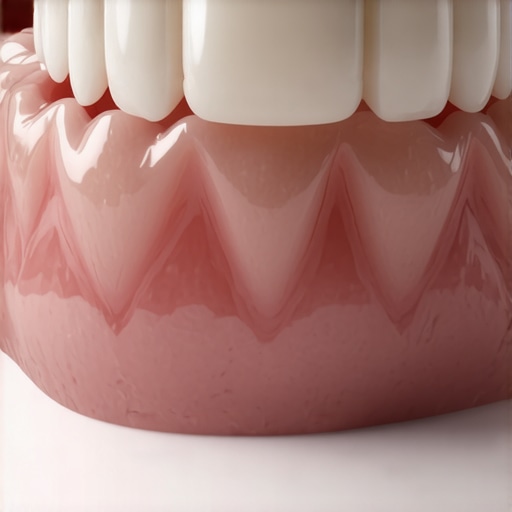
Does Your New Bridge Feel Slightly Too Tall?
This is the ‘Oops’ factor many ignore. If your bridge feels like it hits first when you close your mouth, that’s not just something you ‘get used to.’ A study in the International Journal of Prosthodontics highlights that ‘high’ restorations are a leading cause of mechanical failure and localized bone loss. If you don’t address why your porcelain crown feels too high when you bite down, you are essentially hammering your jawbone every time you swallow. Another hidden nuance is that dark shadow you might see. While some think it’s just the real reason your smile looks aged, it often points to why your porcelain crown has a dark line at the gum line, which could be a sign of receding gums exposing the metal substructure or, worse, active decay.
Stop Chasing the 2025 Trends and Focus on the Foundation
We see all these cosmetic dentistry trends for 2025 focusing on ‘instant’ perfection, but the trap is ignoring the biological foundation. If your gum health isn’t pristine, the most expensive bridge in the world is just a ticking time bomb. I once prioritized the aesthetics of a bridge over a slight gum inflammation, and within a year, the whole thing had to be removed. Have you ever fallen into this trap of choosing looks over longevity? Let me know in the comments below. Understanding understanding dental crowns and their structural limits is the difference between a 5-year fix and a 20-year investment.Once you’ve moved past the initial panic of a loose restoration, the real work begins: the long-game of maintenance. Most people treat their dental work like a ‘set it and forget it’ appliance, but I’ve learned that the secret to longevity lies in the tools you use every single night. If you want to avoid the cycle of repeated dental crowns vs other restorations, you have to upgrade your toolkit beyond the basic plastic toothbrush.
Upgrade Your Toolkit to Protect Your Investment
I personally swear by TePe interdental brushes for anyone with a bridge. While traditional floss is great for natural teeth, the ‘pontic’ (the fake tooth in the middle) creates a unique gap that standard floss often misses. I use the angled version because it allows me to reach the backside of the anchor teeth without straining my jaw. This is the best way to clean under a dental bridge to prevent smells and, more importantly, to prevent the silent decay that happens at the margin. If you aren’t using an interproximal tool, you are leaving about 30% of the plaque behind. 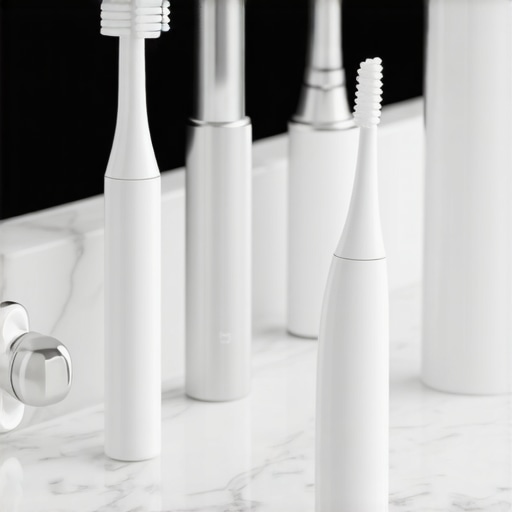
How can I ensure my dental bridge lasts a lifetime?
Maintenance is a daily discipline, not a twice-a-year event at the clinic. According to a comprehensive study in The Cochrane Database of Systematic Reviews, powered toothbrushes—specifically those with oscillating-rotating technology—consistently outperform manual brushing in reducing plaque and gingivitis. I switched to a high-end electric brush years ago, and my hygienist noticed the difference in my gum health within one visit. This is especially vital when you have complex dental work, as the vibrations help dislodge debris from the tiny crevices where the bridge meets the gumline. You should also keep a close eye on your equipment; knowing the truth about how often you really need to replace your toothbrush is essential because frayed bristles can actually scratch the porcelain of your bridge, creating microscopic ‘hooks’ for bacteria to cling to.
What is coming next for our smiles?
Looking toward the future, I’m incredibly excited about the integration of 3D-printed ceramic resins and AI-driven diagnostic tools. We are moving toward a world where your family dentistry practice can use intraoral scanners to predict where your bridge might fail months before it actually happens. This shift from reactive to proactive care is one of the most significant cosmetic dentistry innovations to watch. Imagine a sensor embedded in your restoration that alerts your phone if the pH levels under the crown indicate a bacterial bloom. It sounds like science fiction, but the technology is closer than you think. For now, my best advice is to focus on the foundation. Try this today: swap your standard floss for a week of dedicated interdental brushing and see how much better your gums feel. It’s a small change that can save you thousands of dollars in future repairs.
Lessons from My Most Expensive Dental Mistake
If there is one thing I have learned through years of maintenance, it is that a loose bridge is a quiet alarm you cannot afford to snooze. Early on, I thought that if it was not hurting, it was not failing. That was my first mistake. The margin is everything. Even the most beautiful dental crowns explained as masterpieces of art will fail if the seal at the gum line is compromised. I once waited too long because I was busy, and what could have been a simple recementing turned into a full replacement of the anchor teeth. Don’t let the lack of pain fool you; if it moves, it’s leaking. Another lightbulb moment was realizing that understanding dental crowns and bridges means accepting they are biological integrations, not just pieces of porcelain. They require a different level of respect than your natural enamel because they lack the natural sensory feedback of a real tooth root.
A Survival Kit for Your Dental Work
I never travel without a small ‘smile kit’ anymore. This is not just about vanity; it is about preservation. My first recommendation is a pack of TePe interdental brushes. They reach the ‘danger zones’ under the bridge where even the best electric toothbrush fails. Second, keep a small container of sterile gauze. If a bridge pops off, you need to dry the anchor teeth before applying any temporary fix. Third, I always keep a link to the best way to store a lost filling until you reach the clinic bookmarked on my phone for emergencies. Lastly, having a tube of Dentemp is a temporary life-saver, provided you remember the risk of using super glue on a broken partial denture or bridge—it can cause chemical burns that make professional repair impossible.
Take Charge of Your Smile and Forget the Fear
Dealing with dental issues can feel like a heavy burden, but you have the tools now to manage it with confidence. You are no longer just a patient; you are an informed advocate for your own health. The key is to act quickly but calmly. By prioritizing the structural integrity of your teeth and leaning on the expertise found in modern family dentistry, you can ensure your bridge lasts for decades rather than just a few years. Don’t let a little wobble turn into a big worry. Book that check-up, keep your tools ready, and keep smiling. Have you ever tried a DIY fix on your dental work that you ended up regretting? Let me know your story in the comments below!