I remember the exact moment my orthodontist handed me that plastic case. I was seventeen, my teeth were finally straight after three grueling years of metal, and I felt invincible. I looked in the mirror, flashed a smile, and honestly thought I was finished with the hard part. I wasn’t. Two weeks later, I went on a short camping trip and left my retainer sitting on my bathroom sink. By the time I returned, my bottom front teeth felt crowded. They were already trying to reclaim their old, crooked territory. It was a terrifying realization that your body is constantly in motion, even when you think you’ve won the battle.
The Day My Perfectly Straight Teeth Started Moving Back
It’s a phenomenon called “relapse,” and it’s the sneaky enemy of every cosmetic dentistry success story. Your teeth have memory. Well, more specifically, the periodontal ligaments holding them in place have a sort of “elastic” memory. They spent years being pushed into a new position, and the second you take the pressure off, they want to snap back to where they feel comfortable. I made the classic mistake of thinking my teeth were “locked” in place. They weren’t. I see it all the time with friends who finally finished wearing traditional metal braces. We celebrate the “de-banding” day like it’s a graduation, but the truth is, the “retention phase” is just as critical as the treatment itself. If you ignore it, you’ll find yourself wondering why your bottom teeth are suddenly crowding again in a few years. Today, I want to share exactly how I stopped the drift and what you need to do to keep that smile looking like it did the day the braces came off.
Is This Retainer Thing Actually Worth the Hassle?
I get it. You’re tired of having plastic in your mouth. You’re tired of the cleaning and the lisping. You might even be worried about white spots on your teeth or other hygiene issues. But let me be the neighbor who gives it to you straight: if you don’t wear it, they will move. According to the American Association of Orthodontists, teeth continue to shift throughout your lifetime as part of the natural aging process, regardless of whether you’ve had braces or not. Adding the “rebound” effect of orthodontic movement makes the risk even higher.
Stop the Shifting Before It Starts
One of the smartest moves I ever made—after my camping trip disaster—was asking my family dentistry expert about a permanent retainer. Sometimes called a lingual wire, this little guy is bonded to the back of your teeth. It’s a lifesaver for someone like me who is prone to forgetting things. Of course, you have to learn the best way to brush around a permanent retainer to keep your gums healthy, but it beats having your smile warp while you sleep. Have you ever caught yourself looking in the mirror and wondering if that one front tooth is a little more “forward” than it was last month? You aren’t imagining it. That’s the drift starting. We aren’t just talking about aesthetics here; we’re talking about protecting the thousands of dollars and hundreds of hours you invested in your oral health. Whether you’re dealing with damaged teeth or just a simple alignment issue, the goal is always longevity. In the next section, I’ll dive into the specific cleaning routines and the “nightly test” I use to make sure my teeth haven’t moved a millimeter.
Your Retainer Is the Ultimate Truth Teller
Think of your retainer as a GPS for your mouth. Every night when you pop it in, it runs a diagnostic check on your alignment. If it feels tight or “pressurized,” that is your teeth telling you they tried to wander off during the day. I remember about six months after my braces came off, I got lazy and only wore mine every other night. By the third night, it felt like I was shoving a lead weight into my mouth. That ache is the sound of your teeth being forced back into line. This is exactly why your clear aligners stop fitting if you skip just one night. You aren’t just wearing plastic; you’re maintaining the structural integrity of your face.
Stop Soaking Your Retainer in Harsh Chemicals
One of the biggest mistakes I see is people trying to “sterilize” their retainers with boiling water or heavy bleach. Please, don’t do this. I once tried to use a concentrated denture cleaner on my Essix retainer, and it came out looking like a clouded-over windshield. It was brittle and gross. Instead, you need to learn how to clean a night guard without using harsh chemicals or bleach. A soft toothbrush and some non-abrasive soap are usually all you need to prevent that “yellow” funk from building up. 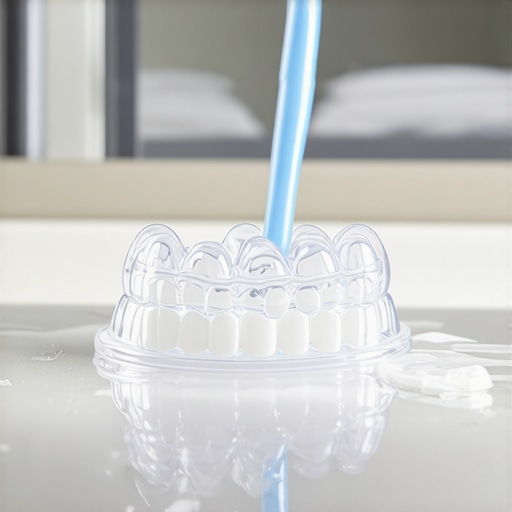
Mastering the Permanent Wire Maintenance
If you opted for a lingual wire, you’ve traded the “forgetfulness” factor for a “cleaning” challenge. A permanent retainer is basically a plaque magnet. In my family dentistry guide conversations, I always emphasize that a wire is only as good as the hygiene around it. You have to become a pro at using threader floss. I spent the first year barely touching the back of my lower teeth, and when I finally went in for a cleaning, the hygienist spent twenty minutes just on those six teeth. It was a wake-up call. You really need to master the best way to brush around a permanent retainer to avoid gum inflammation that could eventually lead to bone loss—the very thing that makes teeth move in the first place.
What to Do When the Drift Wins
Sometimes, despite your best efforts, a tooth shifts. Maybe a bonding popped off or you didn’t realize when and why dental crowns are needed to stabilize a weakened tooth. If you see a gap opening up, don’t panic and try to DIY a solution. There are modern ways to fix a small gap between your teeth without braces, such as cosmetic bonding or subtle refinements. In the world of top cosmetic dentistry trends for 2025, we’re seeing much faster, less invasive ways to nudge those rebels back into place without a full metal mouth again.
Your Crowns Aren’t Indestructible Shields
Most people treat their restorative work like it’s made of titanium-grade armor. There’s a common myth floating around that once you get a crown, that tooth is ‘fixed’ and immune to future problems. In my years of obsessing over family dentistry, I’ve realized this is the most dangerous assumption you can make. While the crown itself won’t decay, the tiny sliver of natural tooth at the gum line—the margin—is still very much alive and vulnerable. If you slack on hygiene, bacteria can burrow under the edge. This is why understanding dental crowns is about more than just aesthetics; it’s about mechanical precision.
Can a Perfectly Placed Restoration Still Trap Bacteria?
Yes, and it’s the ‘trap’ almost everyone misses. This is often referred to as ‘micro-leakage.’ According to a study published in the Journal of Prosthetic Dentistry, the marginal gap in even a well-fitted crown can be a breeding ground for biofilm if the biological width isn’t respected. If you start noticing a weird smell when you floss or a slight sensitivity to cold, you need to learn how to tell if your crown is leaking before the damage reaches the root. I’ve seen patients lose an entire tooth because they thought the ‘cap’ protected them from everything. 
Don’t Fall for the Whitest is Best Aesthetics Trap
In the rush to follow top cosmetic dentistry trends for 2025, many people demand the whitest possible shade for their restorations. Here’s the nuance: real teeth have translucency and gradient. If you go too white and too opaque, your smile will look like a row of chiclets. Professional cosmetic dentistry solutions should mimic the way light travels through natural enamel. When we talk about dental crowns explained to advanced patients, we focus on ‘value’ and ‘chroma,’ not just brightness. If your dentist isn’t talking about how the crown will match your neighboring teeth in natural sunlight, you might be heading for an ‘uncanny valley’ result. Have you ever fallen into this trap? Let me know in the comments.
The One Tool That Actually Reaches Under Your Crowns
If you’ve invested in any kind of restorative work, whether it’s veneers or you’re comparing dental crowns vs other restorations, your standard manual toothbrush just won’t cut it. I personally swear by a high-end water flosser with a specialized ‘Plaque Seeker’ tip. This isn’t just a gadget; it’s a necessity for irrigation. Standard floss often gets shredded against the edges of a crown, but a pressurized stream can flush out the microscopic debris that hides in the gingival sulcus. If you ignore this, you’ll eventually need to learn the best way to clean under a dental bridge to prevent smells because bacteria will have already taken up residence. According to the Gordon J. Christensen Clinicians Report, the long-term success of any indirect restoration is almost entirely dependent on the patient’s ability to keep the ‘margin’—that tiny seam where the crown meets the tooth—clean.
How do I keep my expensive dental work looking brand new for a decade?
The secret isn’t a miracle product; it’s consistency and the right tech. I moved to an electric toothbrush with an integrated pressure sensor because I realized I was scrubbing my gums into oblivion. If you’ve ever wondered why your gums bleed only when you use an electric toothbrush, it’s usually because you’re pressing too hard, which causes the very recession we’re trying to avoid. I also recommend a high-fluoride toothpaste for nighttime use. Think of it like a protective wax job for your car; it remineralizes the natural tooth structure around your restorations while you sleep. 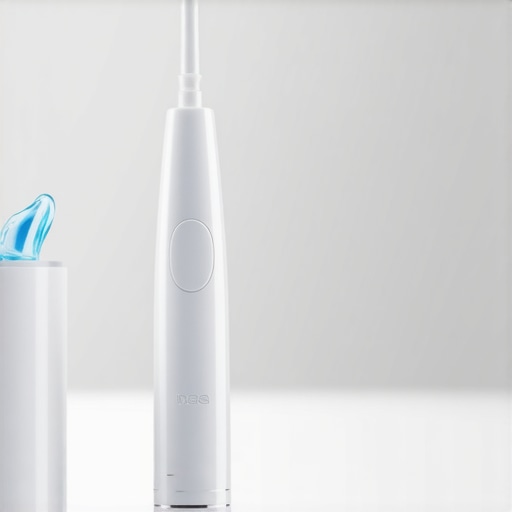
Why Your Next Toothbrush Might Be Smarter Than Your Phone
Looking ahead, the next big shift in cosmetic dentistry innovations to watch is the integration of AI-driven biometric sensors in our daily tools. We are moving toward ‘smart’ retainers that can actually alert your phone if they detect a shift in tooth pressure or a change in your mouth’s pH levels. This isn’t science fiction; prototypes are already being tested that could identify early-stage decay before a human eye can see it. Imagine getting a notification that says your lower left molar is under stress before it actually cracks. That is the future of preventative care. My advanced tip for you this week: Buy a water flosser today and use it on the lowest setting around your crowns for 30 days. You will be shocked at what your ‘perfect’ brushing routine has been leaving behind.
The Unspoken Realities of a Forever Smile
After years of navigating the world of aligners and restorations, I have realized that the most important lessons aren’t found in the waiting room brochures. First, your teeth are part of a living, breathing system that changes as you age. Second, maintenance is not a chore; it is the insurance policy for the thousands you have invested in your confidence. I used to think of my dental work as a ‘finished’ project, but I now see it as a beautiful garden that needs consistent tending. Whether you are looking at top cosmetic dentistry trends for 2025 or just trying to keep your natural enamel strong, the key is acknowledging that your mouth is the gateway to your overall health. Relying on the role of family dentistry means finding a partner who values your long-term stability over a quick fix.
The Gear That Actually Makes a Difference
If I could go back in time and give my younger self a ‘dental survival kit,’ it would look a lot different than just a plastic toothbrush and some minty floss. I have curated a specific list of tools that I trust implicitly to keep my work looking brand new. One of the best additions was professional-grade fluoride; I finally learned the truth about fluoride varnish for kids and adults and how it creates a shield against the microscopic leaks that can ruin a crown. I also recommend a high-quality mouth mirror with a built-in LED light. It sounds excessive, but being able to see the back of your own teeth helps you catch issues before they become expensive emergencies. Lastly, never underestimate a pH-neutralizing mouth rinse to protect your enamel from acid erosion after meals. #IMAGE_PLACEHOLDER_E#
Your Confidence Is Worth the Effort
At the end of the day, all the technology and cosmetic dentistry innovations to watch are just tools to help you feel like the best version of yourself. When you flash a smile you are proud of, it changes the way you interact with the world. Don’t let the fear of maintenance stop you from pursuing transform expert cosmetic dentistry solutions that could change your life. You deserve to feel incredible every time you look in the mirror. Have you ever felt like your dental maintenance routine was a losing battle, or have you found a ‘holy grail’ tool that changed everything for you? Let me know in the comments below!