I was 32 when I realized my smile was staging a quiet rebellion. There I was, flossing in front of the bathroom mirror, when I noticed my two bottom front teeth weren’t just touching—they were actively trying to climb over each other. It felt like a betrayal. I spent three years of my awkward teenage life in metal braces, endured the headgear, and survived the rubber bands, only to have my teeth start a slow-motion pileup in my thirties. I initially thought it was just me, but it turns out, thirtysomething crowding is a real, frustrating phenomenon.
The Mystery of the Moving Incisors
It is easy to blame wisdom teeth or assume you are just imagining things, but your jaw actually changes as you age. I made a classic mistake back in my early twenties: I stopped wearing my retainer because I thought my teeth were locked in place forever. I even forgot the secret to cleaning your teeth while wearing a retainer and just tossed it in a drawer until it was lost to time. That was a pricey error. Today, we are going to dig into why this happens and how you can stop the drift before it ruins your confidence.
Is this shift actually worth the worry?
You might be wondering if you should just accept this as part of the aging process, like gray hairs or a slower metabolism. While the real reason your smile looks aged often involves this specific crowding, it does not mean you have to live with it. According to the American Association of Orthodontists, teeth continue to move throughout your life due to mesial drift, a natural tendency for teeth to move toward the front of your mouth as the jawbone loses a tiny bit of width.
Your Jawbone Shrinks and Your Teeth Pay the Price
One of the biggest reasons for this sudden shift is that your lower jaw continues to grow and change shape slightly well into adulthood. As the jawbone density shifts, the teeth that once fit perfectly now find themselves in a cramped apartment with too many roommates. You might also notice that your teeth look more transparent at the edges lately, which can happen alongside these structural shifts. If you are seeing this, you definitely are not alone. Have you noticed a sudden overlap in your bottom teeth recently? Luckily, modern expert cosmetic dentistry solutions mean you do not have to go back to the metal mouth days of middle school to fix it.
Check for Early Warning Signs Before the Crowding Peaks
You cannot fix what you haven’t diagnosed. Start by looking for ‘triangles’—those small, dark gaps that appear near the gum line when teeth start to rotate. Think of your teeth like books on a shelf; if one tips, the rest inevitably follow. Another simple test is the ‘floss drag.’ If you notice your floss is suddenly shredding in a spot that used to be smooth, a tooth has likely shifted, creating a sharp microscopic ledge. This is where the role of family dentistry in ensuring oral health for all ages becomes vital. A professional can use digital imaging to spot ‘mesial drift’ before your incisors are fully overlapped. They can also check if family dentistry guide building a lifetime of healthy smiles includes the specific preventive care you need at this stage of your life.
Stop Grinding From Pushing Your Teeth Out of Alignment
For me, the wake-up call was literal. I would wake up with a jaw that felt like I had been chewing on rocks all night. I learned that nocturnal bruxism, or teeth grinding, acts like a slow-motion wrecking ball for your alignment. The constant, heavy pressure shoves teeth into any available space, usually forward. My dentist recommended a night guard, but I struggled at first because of the maintenance. I had to learn the best way to clean a night guard to prevent odors just to make the habit stick. Once I committed, the stability was immediate. If you feel like your crown feels tight when you wake up, you are definitely grinding, and that pressure is the primary engine behind your bottom teeth bunching up.
Invest in Modern Realignment Strategies
You do not necessarily need a full year of metal wires to fix a late-life shift. Many adults find success with ‘social six’ aligners that only target the front teeth responsible for your smile’s appearance. However, if the crowding has already caused structural damage to the enamel, you might need to look into understanding dental crowns when and why they are needed to restore the shape of a tooth that has been worn down by years of friction. 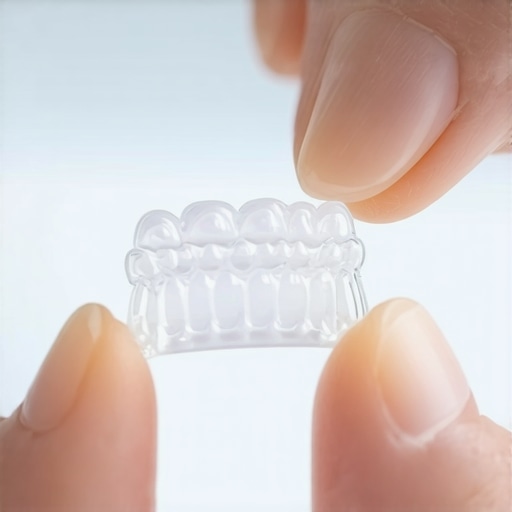
Choose the Right Restoration for Your Specific Shift
Not every crooked tooth needs an aligner. Sometimes, the ‘crowded’ look is actually an illusion created by uneven wear or chipping. In these cases, staying updated on revamp your smile top cosmetic dentistry trends for 2025 can save you time. Veneers or bonding can often create the appearance of a perfectly straight arch without the need to move roots. When I finally sat in the chair for my own consultation, we decided on a hybrid approach: a short three-month stint with clear aligners followed by a single porcelain crown for a molar I had cracked while grinding. It felt like a massive project initially, but by focusing on the ‘meat’ of the problem—the grinding and the slight rotation—we saved my smile without the middle-school flashbacks.Most people believe that once they invest in a high-end restoration, the ‘hard part’ is over. I certainly did. I thought my new porcelain crown was like a suit of armor for my tooth. But here is the nuance most people miss: a crown doesn’t protect you from decay; it actually creates a new, microscopic front line that you have to defend every single day. If you think a crown is ‘set it and forget it,’ you are falling for the biggest myth in cosmetic dentistry. In fact, a study in the International Journal of Dentistry highlights that the ‘marginal gap’—the tiny space where the crown meets your natural tooth—is the primary site for secondary caries. If that gap isn’t kept meticulously clean, bacteria move in faster than they would on a natural tooth surface.
Stop Treating Your Restorations Like Body Armor
When you transition from natural teeth to cosmetic fixes, your hygiene routine needs to level up, not slack off. The biggest ‘oops’ factor I see is patients ignoring a slight change in the way their floss feels around a restored tooth. If your floss starts to catch or shred only on that specific tooth, don’t wait for a checkup. This is often the first sign of a margin failure. You need to know how to tell if your dental crown is leaking bacteria before the damage reaches the sensitive root. If you ignore it, you risk losing the entire tooth, not just the expensive porcelain cap.
Does that dark line at your gum mean the restoration is failing?
This is the question I get asked most often by people who have had work done years ago. Many assume why your porcelain crown has a dark line at the gum line is just a sign of getting older. While it can be the metal substructure of an older PFM crown showing through as gums recede, it can also signal a gap where plaque is accumulating. It is vital to distinguish between a cosmetic issue and a structural failure. Understanding dental crowns vs other restorations which is right for you helps you realize that modern all-porcelain options avoid this ‘dark line’ look, but they still require a vigilant eye on the gum health. 
Watch Out for the Hidden Trap of Marginal Leakage
Another common mistake is over-cleaning with the wrong tools. I’ve seen patients scrub so hard at their crown margins that they actually cause recession, which then exposes the very area they were trying to protect. If you find why your gums bleed only when you use an electric toothbrush, it might be that you are applying too much pressure to the delicate tissue surrounding your restoration. This can lead to a ‘leaking’ seal. Learning how to tell if your crown needs to be replaced immediately is about more than just looking for cracks; it is about sensing changes in temperature sensitivity or a persistent ‘off’ taste near the tooth. Even the best work has a shelf life, and the truth about the lifespan of composite vs porcelain veneers is that your home care is the #1 variable in how many decades they last. Have you ever fallen into the trap of thinking a crown meant you never had to worry about that tooth again? Let me know in the comments below.
Scaling your hygiene routine from basic to professional-grade is the only way to ensure those long-term results we all want after leaving the dentist’s chair. I spent years thinking a manual brush and a quick swipe of cheap floss were enough for my new dental work. I was wrong. When you have crowns or veneers, the margin—where the porcelain meets your natural tooth—becomes the most vulnerable point in your mouth. If you are serious about keeping your smile intact, you have to move beyond the basics.
Stop relying on traditional string floss alone
I personally transitioned to using interdental brushes for my back molars and crown-heavy areas. Why? Because the concave surfaces of teeth often leave gaps that flat floss simply skips over. A study published in the Journal of Clinical Periodontology confirms that interdental brushes are significantly more effective at removing biofilm in these tricky zones than string floss alone. If you find that your gums are sensitive, you should learn how to stop your gums from hurting when you use a water flosser because a high-quality water flosser is a game-changer for cleaning around the base of a crown. It flushes out the bacteria that manual tools simply cannot reach. This level of care is a pillar of the role of family dentistry in ensuring oral health for all ages, as it prevents the need for costly replacements down the road.
How can I protect these expensive porcelain investments for the long haul?
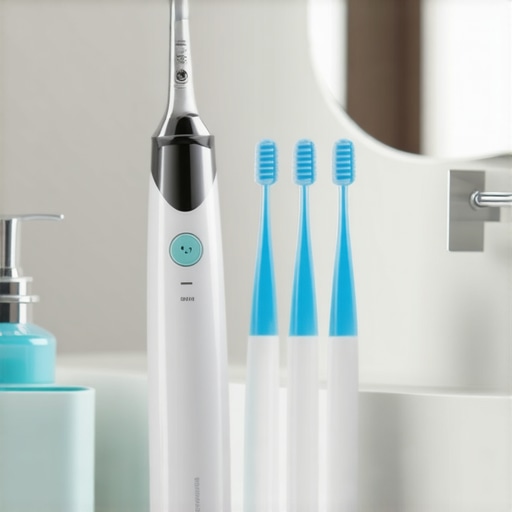
The secret is consistency and the right tech. I recommend using an electric toothbrush with a pressure sensor. Many of us, in an effort to be thorough, scrub too hard and actually wear down our gums, exposing the sensitive margins of our restorations. When I finally upgraded, I noticed my gum line stopped receding almost immediately. This is crucial because the truth about the lifespan of composite vs porcelain veneers often comes down to the health of the supporting tissue. If the gums recede, the restoration is compromised, no matter how high the quality of the porcelain is. Even if you think your routine is perfect, why your child needs a professional cleaning even with perfect brushing applies to adults too; professional scaling reaches the hardened tartar that no home tool can touch.
The next era of home based diagnostic tools
I predict that by 2027, we will all be using smartphone attachments that use AI to compare weekly scans of our gum lines to detect recession before it’s visible to the naked eye. We are already seeing revamp your smile top cosmetic dentistry trends for 2025 leaning heavily into digital integration. For now, your best tool is a high-magnification mirror and a dedicated five minutes every night. Don’t just brush; inspect. Look for changes in color or slight gaps. If you feel anything unusual, don’t wait—reach out via a contact us page immediately. My advanced tip for you this week: try the ‘two-step’ clean. Use your water flosser first to loosen debris, then follow with your electric brush. This allows the fluoride in your toothpaste to actually reach the surfaces that were previously blocked by plaque.
What I Learned After My Bottom Teeth Rebelled
Watching my smile shift in my thirties was a humbling experience, but it taught me a few things that no one mentions in the dentist’s chair. First, your teeth are dynamic, not static; they respond to every stressor in your life, from grinding during a deadline to the natural thinning of your jawbone. Second, I realized that dental crowns explained the ultimate solution for damaged teeth only if I was willing to protect the work with a rigid nighttime routine. Finally, the most important lesson: a small rotation today is much easier and cheaper to fix than a full collapse five years from now. Waiting for it to ‘stabilize’ on its own is a recipe for a much more complex treatment plan later.
My Survival Kit for Maintaining Modern Restorations
If you want to keep your alignment and your crowns in peak condition, you need a specialized toolkit. I don’t go a single night without these three essentials. First, a high-quality night guard is non-negotiable if you have any history of grinding. Second, I use a lighted 10x magnification mirror to check the margins of my dental work once a week; this is how you catch issues like how to tell if your dental crown has a hidden crack before it becomes a painful emergency. Lastly, I keep a stash of interdental brushes in my car and office. They reach the nooks and crannies that standard floss misses, ensuring that my gums stay tight and supportive around every tooth.
Take the First Step Toward a Permanent Fix
You don’t have to settle for a smile that feels like it’s slowly sliding out of place. Whether you are dealing with minor crowding or need to repair years of wear, the modern tools available today are more comfortable and discreet than ever before. Exploring enhance your confidence cosmetic dentistry innovations to watch can give you a clear roadmap for restoring both function and aesthetics. Your oral health is a lifelong project, and taking action now ensures you won’t be back in metal braces in your fifties. Have you noticed your bottom teeth starting to overlap or shift as you’ve gotten older? Let me know in the comments below.