I’ll never forget the day my dentist pointed to a spot on my molar and told me my enamel was virtually gone. I was stunned. For years, I’d been the person who reached for the silver can instead of the red one, convinced that “sugar-free” meant my teeth were safe. I felt like I’d been doing everything right. But there I was, staring at an expensive treatment plan and wondering how I’d managed to erode my smile while trying to save it. If you’ve been relying on diet sodas to protect your oral health, you might be making the same mistake I did. Today, I’m going to share exactly why those “innocent” bubbles are still a threat and how you can actually protect your enamel without giving up everything you love.
The Bitter Truth About My Healthy Soda Habit
For the longest time, I thought I was winning. I swapped the sugary stuff for diet versions, thinking I’d bypassed the need for a family dentistry guide for cavity prevention. I was wrong. My biggest mistake wasn’t just what I was drinking, but how I was drinking it. I’d nurse a single diet soda for three hours, effectively keeping my mouth in a constant acidic state. This persistent acid bath is often why your teeth are sensitive to sugar and sweets even when you aren’t actually eating sugar. The pH level of most sugar-free sodas is shockingly low—sometimes as low as 2.5 or 3.0. To put that in perspective, battery acid has a pH of 1.0. A study from the University of Melbourne confirmed that sugar-free drinks can cause up to 30-50% enamel softening, leading to permanent damage. [placeholder] Have you ever noticed your teeth feeling “fuzzy” or sensitive after a day of sipping diet soda?
Is Sugar-Free Soda Actually Worse for My Enamel?
It’s a fair question to ask if we’re being lied to by the labels. While it isn’t necessarily “worse” than sugar in terms of creating bacteria-fed cavities, it is uniquely dangerous because it creates a false sense of security. Because there’s no sugar, we drink more of it and we drink it more often. This led me straight to needing dental crowns explained by my dentist as the only way to save my crumbling molars. If you’ve already seen some wear and tear, you’ll need to find the safest way to whiten teeth if you have thin enamel, because traditional methods can be incredibly painful once that protective layer is gone. We aren’t here to scare you into never having a treat again, but we are going to look at how to manage the acid so your smile stays intact.
Neutralize the Acid in Thirty Seconds
The first thing I learned after my dental wake-up call was that acid doesn’t just sit there—it actively dissolves the calcium in your teeth. If you aren’t ready to give up your favorite fizzy drink, you need to change how you interact with it. The most effective way to neutralize the low pH is a simple water rinse. Immediately after finishing your soda, take a big gulp of plain water and swish it around. This helps return your mouth’s environment to a neutral level faster, preventing the “etching” effect that leads to permanent damage. I started doing this religiously after every diet cola, and the next time I saw my dentist, he actually noticed a difference in the stability of my remaining enamel. This habit is even more critical if you’re already experiencing why your teeth are sensitive to sugar and sweets, as the water helps flush away the lingering acidic film that triggers that sharp pain.
The Straw Technique That Actually Works
Most people think just using a straw is enough, but I made the mistake of still letting the liquid pool around my molars before swallowing. To actually protect your teeth, position the straw toward the back of your mouth, bypassing the teeth entirely. This limits the contact time between the acid and your enamel. If you’ve already experienced significant wear, you might find that dental crowns vs other restorations which is right for you becomes a necessary conversation to protect what’s left. 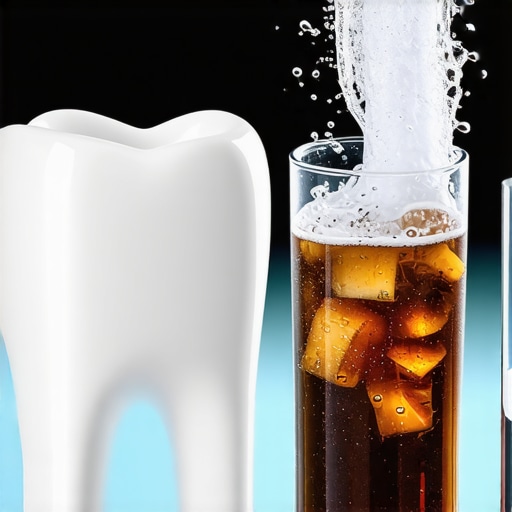 By directing the flow away from the surfaces of your teeth, you’re significantly reducing the risk of erosion. I remember a month where I thought I was being ‘safe’ by using a straw, only to realize I was still swishing the soda through my teeth like a wine taster. The result? My sensitivity got worse before it got better once I learned the proper placement.
Stop Brushing Your Enamel Away
This was the hardest habit for me to break. I used to think that brushing right after a soda was the responsible thing to do. In reality, I was scrubbing my enamel while it was in a softened, vulnerable state. It’s like trying to clean a wet, muddy painting with a stiff brush—you’re going to ruin the surface. Instead, wait at least thirty minutes for your saliva to naturally remineralize the area. During this window, you can look into the truth about fluoride treatments for adults with thin enamel as a way to proactively strengthen your teeth. Saliva is your body’s best defense mechanism, but it needs time to work its magic without you interfering with a toothbrush.
Reinforce Your Teeth with the Right Minerals
If your enamel is already thin, you can’t just rely on waiting; you need to reinforce the structure. This is where caring for your childs teeth essential family dentistry tips can actually apply to adults too—prevention is universal. Use a high-fluoride toothpaste or a remineralizing paste containing calcium phosphate to help rebuild those microscopic gaps in your enamel. If the damage is already visible and affecting your confidence, you might explore how to transform your look with expert cosmetic dentistry solutions like bonding or veneers. These don’t just look better; they provide a physical shield over the compromised areas of your teeth, acting as a secondary layer of protection against future acid exposure. My own journey involved a mix of better habits and minor cosmetic work to seal the areas where my diet soda habit had done the most damage, and the peace of mind is worth every bit of effort.
Why Your New Crown Isn’t a Bulletproof Shield
Most people assume that once they get a crown, that specific tooth is officially ‘off the hook’ for future problems. I certainly did. I thought, ‘Hey, it’s porcelain, it can’t decay!’ But here is the contrarian truth: a restored tooth often requires more vigilance than a natural one. The real danger isn’t the porcelain itself; it’s the margin—the microscopic seam where the restoration meets your natural tooth. If you continue your high-acid diet soda habit, that margin is exactly where the acid will strike first, etching away the remaining natural structure and leading to what pros call ‘secondary decay.’ A study in the Journal of Prosthodontic Research highlights that the lifespan of these restorations is significantly shortened in acidic environments, as the luting cements can actually begin to degrade when exposed to constant low-pH fluids.  This means your investment in dental crowns explained by your dentist might be at risk if you don’t change your sipping habits.
How can you tell if your crown is leaking and trapping bacteria?
This is a sophisticated concern that many patients overlook until they feel sharp pain. When the seal around your restoration fails due to acid erosion, bacteria can sneak underneath. This is how to tell if your crown is leaking and trapping bacteria: look for a dark line at the gum level, a persistent foul taste that won’t go away, or a sudden sensitivity to temperature in a tooth that previously felt ‘dead.’ It’s the ultimate ‘oops’ factor in dental care—thinking the job is done once the seat is set. Even if you’ve followed the top cosmetic dentistry trends for 2025, the longevity of your smile depends on the chemistry of your saliva.
Don’t Let Your New Smile Become a Maintenance Nightmare
I fell into the trap of thinking my new dental work meant I could go back to my old ways. I didn’t realize that even the best expert cosmetic dentistry solutions are still bonded to biological tissue that reacts to pH levels. If you feel like your porcelain crown feels too high when you bite down, it might not just be a fitting issue; it could be a sign of underlying inflammation caused by acid-weakened tissues around the base. This is why the role of family dentistry in ensuring oral health for all ages is so vital—it’s about monitoring those restorations over decades, not just years. We often focus so much on the initial ‘fix’ that we forget about the biology supporting it. If you want the secret to making your dental bonding last more than five years, it starts with treating your mouth like a delicate ecosystem rather than a chemistry experiment. Have you ever fallen into this trap where you thought a dental fix meant you were in the clear? Let me know in the comments.
My Daily Arsenal for Crown Longevity
I spent a small fortune on those crowns, and I was not about to let a twelve-ounce can of bubbly acid take them down again. My first investment was a high-quality water flosser. I chose this specifically because traditional string floss can occasionally snag or tug at the delicate margins of a restoration if your technique is slightly off. The water flosser, on the other hand, effectively clears the ‘gutters’ where the crown meets the gum line without any mechanical stress on the bonding agent. I also swapped my standard drugstore paste for one containing Nano-hydroxyapatite (nHAp). A clinical review in the Journal of Clinical Dentistry by Dr. B. Amaechi highlights that nHAp is uniquely capable of filling in the microscopic tubules of the teeth, providing a literal shield that mimics the natural mineral composition of your smile. It is essentially liquid enamel that helps me keep my professional teeth whitening results last longer by preventing the surface from becoming porous and stain-prone in the presence of diet soda.
How do I maintain my dental restorations over time?
The secret to success is not just more brushing; it is about monitoring your mouth’s environment with precision. I have started using medical-grade pH testing strips to check my saliva after meals—a trick my dentist suggested to stay out of the ‘erosion zone.’ If the strip turns yellow, indicating a pH below 5.5, I know my enamel is actively softening, and I reach for a neutralizing alkaline mouthwash immediately. Furthermore, protecting the physical integrity of your dental work is paramount if you want to avoid a replacement. If you struggle with stress-related grinding, a custom-fitted guard is non-negotiable. However, you must learn how to clean a night guard without using harsh chemicals or bleach to prevent the material from degrading or irritating your gums. 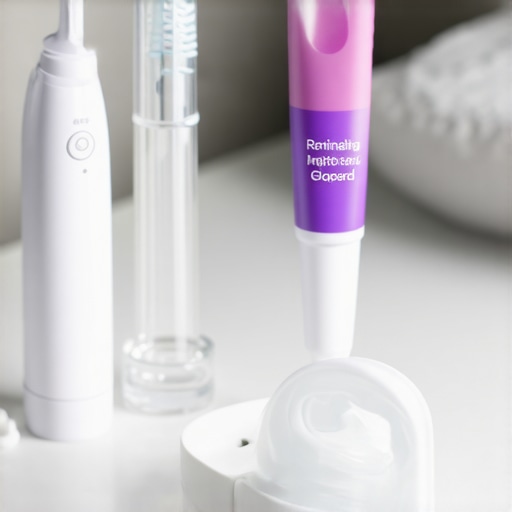 These small, consistent steps are what determine if your investment lasts five years or twenty, especially when you are battling a habit like soda consumption.
Why Bio-Active Materials are the Next Big Thing
Looking ahead, I see a massive shift in how we approach top cosmetic dentistry trends for 2025. We are moving away from passive materials like standard porcelain toward ‘smart’ restorations that interact with your biology. These bio-active materials can actually respond to acidic attacks by releasing stored calcium and phosphate to self-heal the tooth-crown interface in real-time. This is a total game-changer for anyone who has felt frustrated by the limitations of traditional care and the constant fear of secondary decay. If you are ready to stop being reactive with your dental health and start being proactive, I highly recommend reaching out to a professional through the contact us page to discuss these advanced material options. My challenge for you this week is simple: try the ‘water swish’ for thirty seconds every single time you drink something other than plain water. You will be surprised at how much smoother and less sensitive your teeth feel by the weekend just by neutralizing that acid before it settles in.
I’ll never forget the day my dentist pointed to a spot on my molar and told me my enamel was virtually gone. I was stunned. For years, I’d been the person who reached for the silver can instead of the red one, convinced that “sugar-free” meant my teeth were safe. I felt like I’d been doing everything right. But there I was, staring at an expensive treatment plan and wondering how I’d managed to erode my smile while trying to save it. If you’ve been relying on diet sodas to protect your oral health, you might be making the same mistake I did. Today, I’m going to share exactly why those “innocent” bubbles are still a threat and how you can actually protect your enamel without giving up everything you love.
The Bitter Truth About My Healthy Soda Habit
For the longest time, I thought I was winning. I swapped the sugary stuff for diet versions, thinking I’d bypassed the need for a family dentistry guide for cavity prevention. I was wrong. My biggest mistake wasn’t just what I was drinking, but how I was drinking it. I’d nurse a single diet soda for three hours, effectively keeping my mouth in a constant acidic state. This persistent acid bath is often why your teeth are sensitive to sugar and sweets even when you aren’t actually eating sugar. The pH level of most sugar-free sodas is shockingly low—sometimes as low as 2.5 or 3.0. To put that in perspective, battery acid has a pH of 1.0. A study from the University of Melbourne confirmed that sugar-free drinks can cause up to 30-50% enamel softening, leading to permanent damage. Have you ever noticed your teeth feeling “fuzzy” or sensitive after a day of sipping diet soda?
Is Sugar-Free Soda Actually Worse for My Enamel?
It’s a fair question to ask if we’re being lied to by the labels. While it isn’t necessarily “worse” than sugar in terms of creating bacteria-fed cavities, it is uniquely dangerous because it creates a false sense of security. Because there’s no sugar, we drink more of it and we drink it more often. This led me straight to needing dental crowns explained by my dentist as the only way to save my crumbling molars. If you’ve already seen some wear and tear, you’ll need to find the safest way to whiten teeth if you have thin enamel, because traditional methods can be incredibly painful once that protective layer is gone. We aren’t here to scare you into never having a treat again, but we are going to look at how to manage the acid so your smile stays intact.
Neutralize the Acid in Thirty Seconds
The first thing I learned after my dental wake-up call was that acid doesn’t just sit there—it actively dissolves the calcium in your teeth. If you aren’t ready to give up your favorite fizzy drink, you need to change how you interact with it. The most effective way to neutralize the low pH is a simple water rinse. Immediately after finishing your soda, take a big gulp of plain water and swish it around. This helps return your mouth’s environment to a neutral level faster, preventing the “etching” effect that leads to permanent damage. I started doing this religiously after every diet cola, and the next time I saw my dentist, he actually noticed a difference in the stability of my remaining enamel. This habit is even more critical if you’re already experiencing why your teeth are sensitive to sugar and sweets, as the water helps flush away the lingering acidic film that triggers that sharp pain.
The Straw Technique That Actually Works
Most people think just using a straw is enough, but I made the mistake of still letting the liquid pool around my molars before swallowing. To actually protect your teeth, position the straw toward the back of your mouth, bypassing the teeth entirely. This limits the contact time between the acid and your enamel. If you’ve already experienced significant wear, you might find that dental crowns vs other restorations which is right for you becomes a necessary conversation to protect what’s left. By directing the flow away from the surfaces of your teeth, you’re significantly reducing the risk of erosion. I remember a month where I thought I was being ‘safe’ by using a straw, only to realize I was still swishing the soda through my teeth like a wine taster. The result? My sensitivity got worse before it got better once I learned the proper placement.
Stop Brushing Your Enamel Away
This was the hardest habit for me to break. I used to think that brushing right after a soda was the responsible thing to do. In reality, I was scrubbing my enamel while it was in a softened, vulnerable state. It’s like trying to clean a wet, muddy painting with a stiff brush—you’re going to ruin the surface. Instead, wait at least thirty minutes for your saliva to naturally remineralize the area. During this window, you can look into the truth about fluoride treatments for adults with thin enamel as a way to proactively strengthen your teeth. Saliva is your body’s best defense mechanism, but it needs time to work its magic without you interfering with a toothbrush.
Reinforce Your Teeth with the Right Minerals
If your enamel is already thin, you can’t just rely on waiting; you need to reinforce the structure. This is where caring for your childs teeth essential family dentistry tips can actually apply to adults too—prevention is universal. Use a high-fluoride toothpaste or a remineralizing paste containing calcium phosphate to help rebuild those microscopic gaps in your enamel. If the damage is already visible and affecting your confidence, you might explore how to transform your look with expert cosmetic dentistry solutions like bonding or veneers. These don’t just look better; they provide a physical shield over the compromised areas of your teeth, acting as a secondary layer of protection against future acid exposure. My own journey involved a mix of better habits and minor cosmetic work to seal the areas where my diet soda habit had done the most damage, and the peace of mind is worth every bit of effort.
Why Your New Crown Isn’t a Bulletproof Shield
Most people assume that once they get a crown, that specific tooth is officially ‘off the hook’ for future problems. I certainly did. I thought, ‘Hey, it’s porcelain, it can’t decay!’ But here is the contrarian truth: a restored tooth often requires more vigilance than a natural one. The real danger isn’t the porcelain itself; it’s the margin—the microscopic seam where the restoration meets your natural tooth. If you continue your high-acid diet soda habit, that margin is exactly where the acid will strike first, etching away the remaining natural structure and leading to what pros call ‘secondary decay.’ A study in the Journal of Prosthodontic Research highlights that the lifespan of these restorations is significantly shortened in acidic environments, as the luting cements can actually begin to degrade when exposed to constant low-pH fluids. This means your investment in dental crowns explained by your dentist might be at risk if you don’t change your sipping habits.
How can you tell if your crown is leaking and trapping bacteria?
This is a sophisticated concern that many patients overlook until they feel sharp pain. When the seal around your restoration fails due to acid erosion, bacteria can sneak underneath. This is how to tell if your crown is leaking and trapping bacteria: look for a dark line at the gum level, a persistent foul taste that won’t go away, or a sudden sensitivity to temperature in a tooth that previously felt ‘dead.’ It’s the ultimate ‘oops’ factor in dental care—thinking the job is done once the seat is set. Even if you’ve followed the top cosmetic dentistry trends for 2025, the longevity of your smile depends on the chemistry of your saliva.
Don’t Let Your New Smile Become a Maintenance Nightmare
I fell into the trap of thinking my new dental work meant I could go back to my old ways. I didn’t realize that even the best expert cosmetic dentistry solutions are still bonded to biological tissue that reacts to pH levels. If you feel like your porcelain crown feels too high when you bite down, it might not just be a fitting issue; it could be a sign of underlying inflammation caused by acid-weakened tissues around the base. This is why the role of family dentistry in ensuring oral health for all ages is so vital—it’s about monitoring those restorations over decades, not just years. We often focus so much on the initial ‘fix’ that we forget about the biology supporting it. If you want the secret to making your dental bonding last more than five years, it starts with treating your mouth like a delicate ecosystem rather than a chemistry experiment. Have you ever fallen into this trap where you thought a dental fix meant you were in the clear? Let me know in the comments.
My Daily Arsenal for Crown Longevity
I spent a small fortune on those crowns, and I was not about to let a twelve-ounce can of bubbly acid take them down again. My first investment was a high-quality water flosser. I chose this specifically because traditional string floss can occasionally snag or tug at the delicate margins of a restoration if your technique is slightly off. The water flosser, on the other hand, effectively clears the ‘gutters’ where the crown meets the gum line without any mechanical stress on the bonding agent. I also swapped my standard drugstore paste for one containing Nano-hydroxyapatite (nHAp). A clinical review in the Journal of Clinical Dentistry by Dr. B. Amaechi highlights that nHAp is uniquely capable of filling in the microscopic tubules of the teeth, providing a literal shield that mimics the natural mineral composition of your smile. It is essentially liquid enamel that helps me keep my professional teeth whitening results last longer by preventing the surface from becoming porous and stain-prone in the presence of diet soda.
How do I maintain my dental restorations over time?
The secret to success is not just more brushing; it is about monitoring your mouth’s environment with precision. I have started using medical-grade pH testing strips to check my saliva after meals—a trick my dentist suggested to stay out of the ‘erosion zone.’ If the strip turns yellow, indicating a pH below 5.5, I know my enamel is actively softening, and I reach for a neutralizing alkaline mouthwash immediately. Furthermore, protecting the physical integrity of your dental work is paramount if you want to avoid a replacement. If you struggle with stress-related grinding, a custom-fitted guard is non-negotiable. However, you must learn how to clean a night guard without using harsh chemicals or bleach to prevent the material from degrading or irritating your gums. These small, consistent steps are what determine if your investment lasts five years or twenty, especially when you are battling a habit like soda consumption.
Why Bio-Active Materials are the Next Big Thing
Looking ahead, I see a massive shift in how we approach top cosmetic dentistry trends for 2025. We are moving away from passive materials like standard porcelain toward ‘smart’ restorations that interact with your biology. These bio-active materials can actually respond to acidic attacks by releasing stored calcium and phosphate to self-heal the tooth-crown interface in real-time. This is a total game-changer for anyone who has felt frustrated by the limitations of traditional care and the constant fear of secondary decay. If you are ready to stop being reactive with your dental health and start being proactive, I highly recommend reaching out to a professional through the contact us page to discuss these advanced material options. My challenge for you this week is simple: try the ‘water swish’ for thirty seconds every single time you drink something other than plain water. You will be surprised at how much smoother and less sensitive your teeth feel by the weekend just by neutralizing that acid before it settles in.
What I Finally Realized About My Fragile Smile
- The sugar-free shield is a marketing illusion. Diet soda might skip the calories, but it doesn’t skip the pH drop. Constant sipping creates an invisible acid bath that softens the very structure of your teeth.
- Marginal integrity is everything. When I finally looked at dental crowns explained logically, I realized that acid doesn’t attack the porcelain—it attacks the natural tooth supporting it.
- Prevention requires new tools. Standard brushing isn’t enough when you’re fighting a chemical battle; you need mineral reinforcement and timing on your side.
The Exact Tools I Use to Stay Acid-Free
I’ve refined my routine to focus on protection rather than just cleaning. My essential toolkit now includes pH testing strips to ensure my mouth stays above the 5.5 erosion threshold. I’ve also leaned heavily on the truth about fluoride treatments for adults with thin enamel to proactively harden my teeth against the next soda. Lastly, maintaining hygiene for my dental appliances is key, so I always follow the best advice on how to clean a night guard without using harsh chemicals or bleach to avoid irritating my gums while protecting my molars from grinding.
Your Path to a Permanent Solution
It can be overwhelming to realize your favorite habit is hurting your health, but you don’t have to navigate this alone. Modern family dentistry has evolved to offer solutions that go beyond simple fillings. Whether you need to repair old damage or want to transform your look with expert cosmetic dentistry solutions, there is always a way to reclaim your smile. Start small with a water rinse today and reach out to a pro to build a long-term plan. Have you ever noticed your teeth feeling unusually sensitive after a long day of sipping diet soda? Let me know in the comments below!