I was sitting in my car, three hours into a cross-country drive, when I heard a sound that didn’t belong. It wasn’t the engine. It was a sickening crunch inside my mouth. I had just bitten into a piece of hard candy, and suddenly, I could feel a sharp, jagged edge where my smooth molar used to be. My heart sank. I was miles from the nearest town, let alone my trusted family dentist. The panic is real, isn’t it? That sudden realization that your weekend is about to be defined by a dull ache or a sharp zing every time you breathe.
Stop the Panic Before You Do Something You Regret
Believe me, I know the temptation. When you are in the middle of nowhere, your brain goes into “MacGyver mode.” I once made the absolute boneheaded mistake of trying to “seal” a tiny crack with over-the-counter adhesive I had in my glovebox. Spoiler alert: don’t ever use super glue on your teeth. It is toxic and makes your dentist’s job ten times harder later. Instead, we need to focus on stabilization. If you have got a hidden crack or a visible break, your immediate goal is to keep the area clean and protected from the air until you can get into a chair.
Is a DIY fix actually worth the risk?
You might be wondering if you can just tough it out until Monday or if these “home remedies” are just a waste of time. Look, I am the first person to suggest a home hack for a leaky faucet, but your oral health is different. According to the American Association of Endodontists, prompt action within the first few hours can be the difference between a simple dental crown and a full-blown root canal or extraction. You aren’t “fixing” the tooth today; you are preserving it. Have you ever been stuck in a situation where your tooth decided to quit on you at the worst possible moment? [image placeholder]
Assess the Damage Without Poking It
Before you start rinsing with everything in your cabinet, we need to figure out what we are dealing with. If the pain is a sharp zap when you touch it, the nerve might be exposed. If it is just a rough edge, you might be looking at how to survive the weekend with minimal drama. Don’t use your tongue to “test” the sharpness—you will just end up with a cut tongue to go with your cracked tooth. Grab some warm salt water and gently rinse. This is about being smart, staying calm, and acting like your own first responder until we can get you to professional cosmetic dentistry experts who can restore that smile.
Save Every Fragment You Can Find
If the tooth broke off in one clean piece, don’t just toss it in the trash. Depending on the severity, a skilled family dentist might be able to reattach the original piece using specialized bonding agents. Rinse the fragment gently in water—don’t scrub it—and place it in a small container of milk. If milk isn’t available, use a saline solution or even a bit of your own saliva. This keeps the tooth hydrated and the organic material viable. I once saw a friend lose a chunk of a molar during a camping trip; we used a clean film canister filled with milk from a cooler to transport it. It made the eventual repair much smoother for his dentist and saved him from a much more expensive procedure.
Seal the Gap to Block Out Air and Bacteria
The reason a broken tooth hurts so much isn’t always the break itself—it’s the air hitting the exposed dentin or nerve. You need to create a physical barrier immediately to prevent further irritation. If you can get to a drugstore, look for temporary dental cement or wax. It’s like a band-aid for your mouth. If you are stuck in a ‘MacGyver’ situation, sugar-free gum is your best friend. I emphasize sugar-free because anything sweet will immediately trigger a painful reaction. I remember a time I had to press a tiny piece of dental wax over a sharp edge while at a wedding just to stop from lisping and cutting my cheek. It felt weird, but it kept the sensitivity at bay until Monday morning. 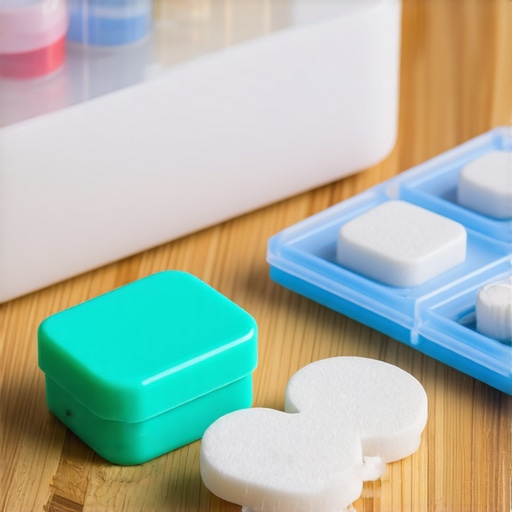
How to Know if You Need to Rush to the ER
Not every break is an emergency, but some definitely are. You need to learn how to tell if a chipped tooth is a true emergency versus something that can wait. If you see blood coming from inside the tooth, or if there is significant swelling in the gum or jaw, you can’t wait. Swelling usually indicates an infection or an abscess starting to form. In these cases, you are looking at a race against time to save the root.
Manage the Pain Without Masking the Problem
While you wait for your appointment, you can use over-the-counter pain relievers, but avoid placing aspirin directly on the gums, as this can cause a chemical burn. An ice pack on the outside of your cheek for 15 minutes on and 15 minutes off will help keep inflammation down. This is crucial because the real cost of delaying a necessary dental crown isn’t just financial—it’s the risk of the fracture spreading deeper into the root. Even if the pain subsides, the structural damage remains.
Why a Temporary Fix is Just a Band-Aid
Don’t let the lack of pain fool you into thinking the tooth is ‘healed’ once you’ve covered it with wax. The structural integrity of the enamel is gone. Think of it like a cracked windshield; if you don’t address it, that tiny line will eventually spider-web across the whole surface. Whether you eventually need dental crowns or a more complex restoration, getting an evaluation within 24 to 48 hours is the only way to ensure you don’t lose the tooth entirely.It is a common misconception that once you have a crown, that tooth is invincible. I have heard so many people say, ‘Oh, I do not need to worry about that molar anymore; it is basically a bionic tooth now.’ That is a dangerous trap. In fact, a study published in the Journal of Prosthodontic Research highlights that the ‘margin’—the tiny interface where the crown meets your natural tooth—is the most vulnerable spot for bacteria to settle. If you are not flossing there, you are inviting a cavity to develop under the very restoration meant to save the tooth. Let us talk about a specific nuance most people miss: not all crowns are created equal. You might be offered a ‘deal’ on a restoration, but understanding why your gum line looks dark around a dental crown is often down to the materials used decades ago, like porcelain-fused-to-metal. Modern cosmetic dentistry solutions allow for all-ceramic options that mimic the translucency of real teeth without that unsightly gray ring.
Can you actually over-treat a simple chip?
Another mistake I see is rushing into a full crown when a more conservative approach would work better. Many think a crown is the only way to fix a break, but you should compare dental crowns vs other restorations like onlays or high-end bonding. If your family dentist can save more of your natural enamel, that is always a win for long-term structural integrity. Natural tooth structure is like original car parts; once they are gone, the ‘aftermarket’ replacements are never quite the same. It is also worth noting that the ‘aesthetic’ choice isn’t always the ‘strongest’ choice. For instance, in the world of cosmetic dentistry, people often request E-max crowns because they look stunning. However, for back molars where the bite force is highest, a practitioner focused on building a lifetime of healthy smiles might recommend Zirconia for its sheer durability. 
Stop Falling for the Cheap Material Trap
One huge ‘oops’ factor is ignoring the fit of your bite after the procedure. If the crown feels even a fraction of a millimeter ‘high,’ you are essentially hammering that tooth every time you chew. This can lead to why you feel a pulse in your tooth or even a fracture of the root itself. Never walk out of the office if your bite feels ‘off.’ Furthermore, the real cost of delaying a necessary dental crown is steep, but the cost of getting the wrong kind of restoration can be just as high. Whether you are looking into top cosmetic dentistry trends for 2025 or just need a solid fix from your family dentistry provider, ask about the material and the expected lifespan. Picking beauty over function on a tooth that does all the heavy grinding is a common error that leads to premature replacement. Always check how to tell if your crown needs to be replaced immediately if you start feeling sensitivity to heat, as that often points to a seal failure. Have you ever fallen into the ‘it is a bionic tooth’ trap and skipped flossing around a crown? Let me know in the comments—I have definitely been guilty of it in the past!Once the immediate crisis of a broken tooth is over, the real work of maintenance begins. I used to think a toothbrush was just a toothbrush until I saw the microscopic data on plaque accumulation around dental margins. If you want your restoration to last twenty years instead of five, you have to upgrade your toolkit. I personally swear by the Waterpik with the ‘Plaque Seeker’ tip—the one with the little tufts of bristles. It is the only way I have found to safely clean the area where a crown meets the gum line without accidentally snagging the edge of the material. This is especially vital when caring for your child’s teeth or your own, as those margins are the first place a new cavity will start.
The Gadgets That Actually Earn Their Keep
I am a total nerd for dental technology. Most people buy a cheap manual brush and call it a day, but according to the Clinicians Report (CR) from the Gordon J. Christensen foundation, oscillating-rotating electric toothbrushes consistently outperform manual brushing when it comes to reducing gingival inflammation around prosthetic work. I made the switch three years ago, and my family dentist actually noticed a difference in my gum health within six months. It is not just about the brush, though; it is about the technique. You are not scrubbing a floor; you are massaging a delicate seal. If you are already looking into innovations to watch in the dental world, you will see that bio-active materials are the next frontier, designed to actually release minerals back into the tooth structure over time. 
How can I make my dental work last a lifetime?
The secret is not just in the cleaning; it is in the protection. If you are a ‘clencher’ like me, you are basically trying to crush your investment every night while you sleep. You need a custom night guard. I know, they are not exactly glamorous, and they feel like a mouthful of plastic at first, but they are insurance for your face. If you ignore this, you risk the same fate as those who find out the risks of skipping your night guard for just one week. Looking forward, I predict that within the next five years, we will see 3D-printed porcelain-composite hybrids that are customized to your exact bite pressure in real-time. We are moving away from ‘one size fits most’ and into an era where understanding dental crowns means looking at a digital twin of your own mouth on a screen before the dentist even touches a drill. If you want to keep your teeth white despite the caffeine habit, look for high-end ultrasonic cleaners rather than abrasive pastes that can scratch your crown’s glaze. My top tip for anyone with dental work? Try using an interdental brush dipped in a tiny bit of non-alcoholic fluoride rinse once a day. It reaches spots a Waterpik might miss and strengthens the natural tooth structure hiding underneath the crown. Give that specific method a try for one week and see how much cleaner your mouth feels!
Hard Lessons from a Lifetime of Dental Repairs
The most expensive mistake you can make after a tooth breaks is thinking that the absence of pain means the absence of a problem. In my years of maintaining a healthy smile, I have realized that the “silent” phase of a crack is when the most damage happens. You must realize that the real cost of delaying a necessary dental crown often involves losing the tooth entirely. Another lightbulb moment for me was realizing that a crown is not just about the chewing surface; it is about the seal at the gum line. If you notice discoloration, it is worth investigating why your gum line looks dark around a dental crown before bacteria takes hold underneath. Finally, never ignore that “high” feeling in your bite. If you wake up with tension, it is vital to understand why your crown feels tight when you wake up, as this usually signals you are grinding away at your investment.
Tools I Keep in My Medicine Cabinet for Peace of Mind
I do not wait for a crisis to happen anymore. My dental survival kit includes Temporary Dental Wax, which is a lifesaver for jagged edges that cut your tongue. I also recommend keeping a bottle of Non-alcoholic Fluoride Rinse to help remineralize any exposed areas while you wait for your appointment. For long-term care, I trust my custom-fitted night guard above all else. After seeing the risks of skipping your night guard for just one week, I never go a night without it. These tools, combined with a solid family dentistry guide, are what keep my smile intact through every crunchy snack and stressful week.
Turn This Dental Crisis Into Your Last One
A broken tooth is a wake-up call, but it does not have to be a permanent setback. By acting quickly and choosing the right materials, you can restore your mouth to better-than-new condition. Whether you are looking at dental crowns or exploring more conservative bonding options, the key is to start the process before the damage spreads. Take control of your oral health today so you can get back to smiling without a second thought. If you are ready to get things fixed, do not hesitate to contact us for expert guidance. Have you ever had a tooth break at the most inconvenient time imaginable? Let me know how you handled it in the comments below!