I remember sitting in my minivan three years ago, sweat beading on my forehead, while my five-year-old daughter treated the local shopping center to a vocal performance that would have made a heavy metal singer proud. She wasn’t hurt; she just saw the dentist’s sign. That moment was my rock bottom as a parent. I realized that my own ‘white-knuckle’ approach to the chair was bleeding into her world, and I was accidentally raising a child who viewed healthcare as a punishment. It’s a gut-wrenching feeling when you realize you’ve unintentionally passed down your own anxieties. We’ve all been there, haven’t we? That moment where you’d rather do literally anything else than drag a screaming toddler into a sterile room. But I’m here to tell you that the parking lot meltdowns don’t have to be your permanent reality. Today, I’m sharing exactly how we flipped the script from terror to high-fives with our hygienist, focusing on building a solid foundation of child-friendly dental care that actually sticks.
The Huge Mistake I Made Before the First Appointment
I’ll be honest: when I first started taking my kids to the dentist, I used the ‘big scary doctor’ as a threat to get them to brush. ‘If you don’t brush, the dentist will have to use the big drill!’ I thought I was being clever. In reality, I was building a monster in their closet. By the time we actually walked through the doors, my kids were expecting a medieval torture chamber instead of a health check-up. This is where the role of family dentistry in ensuring oral health for all ages becomes so critical; it’s about the environment and the language we use long before the bib goes on. I had to unlearn my own ‘threat-based’ parenting and replace it with curiosity. We started by stopping the fear of those noisy tools through play at home. According to the American Academy of Pediatric Dentistry (AAPD), a child’s first visit should occur by their first birthday to establish a ‘Dental Home,’ yet many of us wait until there’s a problem, which only cements the association between the dentist and pain. Have you ever caught yourself using the dentist as a ‘bogeyman’ just to get those molars brushed at night? You aren’t alone, but it’s the first habit we need to break.
Is it actually possible to make a kid like the dentist?
I know what you’re thinking because I thought it too: ‘My kid is different. They have a meltdown over the wrong color socks; there is no way they will sit still for a cleaning.’ It feels like a pipe dream. But the secret isn’t in forcing them to be brave; it’s in removing the mystery. We started using ‘happy visits’ where no work was done—just sitting in the chair and counting teeth. It turns out, when you prioritize essential family dentistry tips like early exposure and positive reinforcement, the ‘scary’ tools just become interesting gadgets. It’s not about a magical switch, but a slow burn of trust that eventually leads to getting your child excited about their very first filling rather than terrified of it. It’s about changing the narrative from ‘something done to them’ to ‘something they are part of.’
Change the Environment with a Strategic Game Plan
The shift from chaos to calm doesn’t happen at the clinic; it starts in your living room. Think of your child’s oral health as a long-term project where you are the lead architect. This is why why your child needs a dental visit before their first birthday—it’s about setting the stage before the high stakes of a cavity ever enter the picture. When you treat the dentist’s office like a regular, boring place—like the grocery store or the park—you strip away the power of the unknown. We started implementing a ‘pre-game’ ritual. A week before the visit, we’d read books about teeth and use a small flashlight to ‘inspect’ each other’s mouths on the sofa. By the time we actually saw our provider, the physical act of someone looking inside their mouth felt like a game we’d already won.
Trade Fear for Curiosity in Your Daily Routine
The language we choose acts as the filter for our children’s reality. I learned the hard way that saying ‘it won’t hurt’ is a massive red flag for a toddler. It’s like telling someone ‘don’t think about a pink elephant’—suddenly, it’s all they can see. Instead, use sensory descriptions that are neutral or fun. The suction tool isn’t a vacuum; it’s ‘Mr. Thirsty’ coming to take a sip of water. The overhead light is a ‘superhero sun’ that helps the doctor see their ‘tooth jewels.’ This transition is a core part of a comprehensive family dentistry guide because it builds a vocabulary of safety. During my son Leo’s last visit, he actually asked the hygienist if he could hold ‘Mr. Thirsty’ himself. Because we had reframed the tool as a helper rather than a weapon, he felt in control of the experience.
Introduce the Gear Through Guided Play
One of the most effective methods I’ve found is ‘modeling.’ If your child sees you being poked and prodded while you’re smiling, they’ll mirror that calm. I started bringing my kids to my own routine cleanings. They saw me laughing with the staff and sitting still, which normalized the entire process. We also started paying closer attention to the fuel we were putting in their bodies, choosing the best snacks for kids that won’t lead to sudden cavities to ensure their actual chair time was focused on cleaning rather than drilling. If they do need a procedure, like a filling, we explain that the dentist is a ‘tooth builder’ who fixes little holes. We even talked about how how to stop your child from being afraid of the noisy tools by comparing the drill’s sound to a humming bumblebee. By giving the noise a familiar, non-threatening name, we removed the ‘fight or flight’ response before it could even trigger.
Handle Restorative Care Without the Drama
Sometimes, despite our best efforts, a tooth needs more than a simple brush. When my daughter needed a restoration, I panicked, thinking she’d be traumatized. But we approached it as a ‘tooth upgrade.’ Whether it is a filling or understanding how dental crowns are the ultimate solution for damaged teeth, the key is to stay matter-of-fact. I told her she was getting a ‘silver hat’ or a ‘princess cap’ for her tooth to make it strong like a knight’s armor. We didn’t dwell on the ‘why’ of the damage in a way that induced guilt; we focused on the ‘how’ of the fix. This directness prevents the child from sensing your own underlying anxiety, which is often the real source of their fear.
While mastering the basics of dental visits is a huge win for any parent, there is a deeper layer of oral care that often gets missed until it becomes a costly problem. Most people assume that once a tooth is ‘fixed’ with a restoration, the job is done. In my experience, this is the most common trap you can fall into. We tend to view dental work like a car part—once replaced, it’s brand new. However, the mouth is a living, changing environment. If you aren’t paying attention to the subtle shifts in your restoration, you might be missing the early warning signs of failure.
How can you tell if your dental crown is failing before the pain starts?
The biggest myth I used to believe was that a crown is a lifetime shield. In reality, the margin where the crown meets your natural tooth is the most vulnerable spot. You might think everything is fine because there is no ache, but micro-leakage is a silent enemy. When you are understanding dental crowns and when they are needed, you also have to understand their shelf life. According to a study published in the Journal of Dentistry, the average lifespan of a restoration is about 10 to 15 years, but this depends heavily on your hygiene. I’ve seen many friends ignore a slight change in the way their floss feels around a tooth. If your floss is catching or shredding, it’s a major red flag. Learning how to tell if your crown is leaking and trapping bacteria is a skill every proactive patient needs to develop to avoid a surprise root canal down the road.
Stop chasing the ‘Hollywood White’ if you want a smile that actually lasts
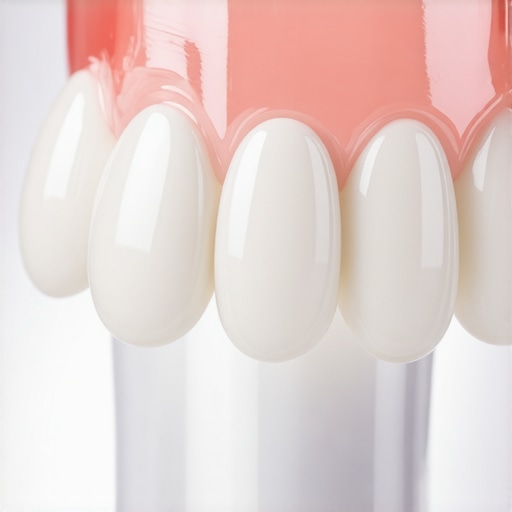
In the world of cosmetic upgrades, there is a common mistake I call the ‘chiclet trap.’ Everyone says they want the whitest teeth possible, but in my experience, prioritizing a stark white shade over natural translucency leads to a look that screams ‘fake.’ This is why why your porcelain veneers look opaque and unnatural in sunlight is such a frequent complaint for those who rush into treatment. True cosmetic dentistry innovations to watch involve multi-layered ceramics that mimic the light-reflecting properties of real enamel. If your provider isn’t talking to you about the ‘incisal edge’ or how the tooth color blends at the gumline, you are likely heading toward an aesthetic result that looks like a flat plastic plate. Quality expert cosmetic dentistry solutions should prioritize the structural integrity of your bite just as much as the shade of the porcelain.
The hidden danger of ignoring the ‘dark line’ around your old dental work
Have you ever noticed a dark, bluish-grey line appearing at the base of a crown? Most people think it’s just a stain or ‘old age,’ but it’s often a sign of gum recession or the underlying metal structure showing through. This is particularly common with older porcelain-fused-to-metal (PFM) crowns. Beyond the cosmetic annoyance, the hidden reason your gums look dark around an old dental crown can sometimes indicate that the margin is no longer sealed. This nuance is why the role of family dentistry in ensuring oral health for all ages is so vital; it’s about catching these structural breakdowns before they compromise the root of the tooth. If you see that line, don’t wait for a toothache to act. Have you ever fallen into the ‘it doesn’t hurt, so it’s fine’ trap? Let me know in the comments. We need to shift our mindset from reactive ‘repair’ to proactive ‘preservation’ if we want our dental work to last a lifetime.
Switch to an electric brush with a pressure sensor
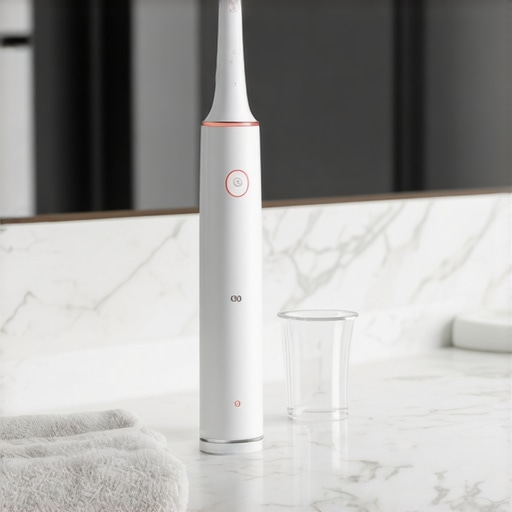
For the longest time, I thought an electric toothbrush was just a luxury for people with too much counter space. I was wrong. After investing in expert cosmetic dentistry solutions, I realized that manual brushing was like trying to detail a sports car with a kitchen sponge. I personally switched to a Sonicare ProtectiveClean because of the pressure sensor. Why? Because most of us—especially when we are stressed—brush like we are trying to scrub a stain out of a rug. This aggressive habit is exactly how to tell if your gum recession is caused by brushing too hard. The sensor vibrates when you press too firmly, protecting the delicate margins of your crowns and veneers. If you are still using a manual brush, you are likely leaving behind 50% more plaque than necessary, which is a gamble I’m no longer willing to take with my dental bills.
Protect your porcelain from the nighttime grind
If you have invested in dental crowns as the ultimate solution for damaged teeth, your biggest enemy isn’t sugar—it’s your own jaw. I didn’t realize I was a ‘clench-er’ until my dentist pointed out the wear facets on my brand-new molars. According to the National Institute of Dental and Craniofacial Research (NIDCR), bruxism can exert up to 250 pounds of force per square inch on your teeth while you sleep. That is enough to fracture even the highest-quality porcelain. I now wear a custom-fabricated occlusal guard every single night. It’s not the most glamorous bedtime accessory, but it is the cheapest insurance policy you will ever buy. Just make sure you learn how to clean a night guard without using harsh chemicals so you aren’t putting a bacteria-laden tray back into your mouth every evening.
How do I maintain my dental restorations over time?
Maintenance isn’t just about what you do in the morning; it’s about the tools you use to bridge the gaps. For anyone with restorative work, I cannot recommend a water flosser enough. Standard string floss is great, but it often struggles to clear the tiny crevices around a bridge or a crown. When you are looking into building a lifetime of healthy smiles, you have to realize that the ‘architecture’ of your mouth has changed. I use a water flosser on a medium setting to flush out the gingival sulcus—that little pocket where the tooth meets the gum. This habit is the only way I’ve managed to keep my gums from getting that ‘puffy’ look that often plagues people with older dental work. Additionally, you must be honest about how often you really need to replace your toothbrush or brush head; once those bristles fray, they stop cleaning and start scratching.
What the future of your dental chair looks like
The days of those goopy, gag-inducing impression trays are numbered. We are moving into an era of ‘Digital Dentistry’ where 3D intraoral scanners create a perfect digital map of your mouth in seconds. This trend is a huge part of the top cosmetic dentistry trends for 2025 because it allows for ‘same-day crowns’ and much higher precision in fit. In the near future, I expect AI-driven diagnostic tools to become standard, flagging microscopic decay that the human eye might miss on a traditional X-ray. This means less ‘drilling and filling’ and more ‘preventing and preserving.’ My advice? Tonight, take a close look at your gum line in a well-lit mirror. If you see any redness or a slight gap where your crown meets the gum, don’t wait for your six-month check-up—book a quick ‘maintenance look’ now to save yourself a thousand-dollar replacement later.
Three Hard Truths My Dentist Only Shared Off-the-Clock
Reflecting on our family’s dental journey, I’ve realized that much of what we fear is actually within our control. First, dental anxiety is often a ‘hand-me-down’ emotion; I had to confront my own white-knuckle fear before I could expect my daughter to stay calm in the chair. Second, the best child-friendly dental care isn’t about finding the office with the biggest toy chest; it is about finding a provider who values transparency and speaks to your child like a person. Third, I learned that restorations are not ‘set and forget.’ Even after understanding dental crowns and why they are needed, the real work starts at home. If you aren’t protecting the margin where the crown meets the gum, you are just waiting for a secondary cavity to take hold. Consistency in your routine is far more valuable than a deep cleaning once every two years.
The Gear That Actually Saved Our Morning Routine
#IMAGE_PLACEHOLDER_E#To maintain the work we’ve invested in, I’ve curated a small but mighty toolkit. I switched the whole family to electric toothbrushes with pressure sensors because it is the only way to ensure we aren’t scrubbing away our enamel. This was a game-changer for me personally, as it helped me learn how to stop gum recession caused by brushing too hard. We also prioritize custom-fit night guards. While they are a larger upfront investment than store-bought versions, they are the best insurance policy for anyone who has invested in expert cosmetic dentistry solutions. Finally, we keep a stack of books about ‘tooth builders’ and ‘sugar bugs’ on the nightstand. These simple stories bridge the gap between the sterile dental office and our cozy bedtime routine, making the dentist feel like a familiar friend rather than a periodic stranger.
Start Your Journey Toward a Fearless Smile Today
Transforming your family’s relationship with the dentist doesn’t require a miracle; it just requires a shift in perspective. By prioritizing early exposure and choosing a family dentistry guide that focuses on prevention, you are giving your children a gift that lasts a lifetime: a smile they aren’t afraid to show the world. It’s about moving from a place of reactive repair to one of proactive pride. You have the power to break the cycle of dental dread right now, one ‘happy visit’ at a time. Have you ever managed to turn a potential dental meltdown into a successful, high-five-filled visit? Let me know your best tips in the comments below!