I vividly remember looking at my ten-month-old, Leo, while he was giggling at a spoon. There it was—a tiny, faint white line along his top gums. I figured it was just milk residue or maybe he’d chewed on a toy a bit too hard. “He barely has four teeth,” I told myself, “we have years before we need a real dentist.” I was wrong. Dead wrong. By the time I finally made that first appointment, I realized I’d missed the boat on crucial preventative care. That little mistake—assuming baby teeth were somehow “disposable” or didn’t require professional eyes yet—cost us a lot of stress and a few frantic midnight Google searches.
Catch Problems Before They Become Nightmares
The truth is, waiting until your child has a full mouth of teeth to see a professional is a gamble you really don’t want to take. I’ve talked to so many parents who feel like a dental visit for a toddler is total overkill, but the foundation of child-friendly dental care starts way before they can even hold a toothbrush themselves. When I finally took Leo in, the dentist pointed out things I hadn’t even considered, like how his jaw was developing and the early signs of plaque that my “gentle” wiping with a washcloth wasn’t actually catching. According to the American Academy of Pediatric Dentistry (AAPD), more than 1 in 4 children in the U.S. have at least one cavity by the age of 4. That is a staggering number for such tiny mouths. It’s why getting them into the chair by their first birthday—or six months after that first tooth pops up—is the industry standard for a reason. We’re not just looking for holes; we’re checking for proper alignment and even things like the impact of mouth breathing on your childs dental development, which can affect their sleep and facial structure long-term.
Does a Baby Really Need a Dentist This Early?
I get the skepticism. I really do. You’re already juggling pediatricians, erratic sleep schedules, and the constant debate over how to know if your baby is teething or has a fever. Adding a dentist to the mix feels like one more errand on a never-ending list. But here’s the kicker: early visits are actually more about educating you than poking at the baby. It’s the best time to get a family dentistry guide tailored to your child’s specific growth patterns, covering everything from what snacks to avoid to the best way to brush that one stubborn molar. One of the biggest mistakes I made was thinking I could handle it all at home without a pro. I thought my brushing was “good enough,” but the reality of why your child needs a professional cleaning even with perfect brushing became clear the moment the hygienist showed me the tiny spots I was missing near the gum line. Have you ever noticed a tiny white or brown spot on your baby’s teeth and wondered if it was just “normal” development, or have you been putting off that first visit because you’re terrified of a meltdown? In this post, I’m going to break down exactly what happens during that first visit and why caring for your childs teeth early is the ultimate parenting hack for fewer dental bills and more peace of mind down the road.
How to Prep Your Tiny Human for the Big Chair
Thinking of baby teeth as disposable is like ignoring a crack in a house’s foundation simply because you plan on getting new siding later. It doesn’t work that way. The foundation of the role of family dentistry in ensuring oral health for all ages starts with making that first appointment feel like an adventure rather than a chore. When I finally brought Leo in, I realized the ‘how’ of the visit was much less about the high-tech tools and much more about the physical setup between the parent and the doctor.
Survive the Infamous Knee-to-Knee Exam
Think of the knee-to-knee exam as a tag-team wrestling match, but for oral hygiene. You sit in one chair, the dentist sits in another facing you, and your baby’s head rests in the dentist’s lap while their legs are wrapped around your waist. It sounds awkward, but it’s the most effective way to get a clear look into those tiny crevices without the baby squirming away. When I first did this with Leo, he wasn’t exactly thrilled with the new perspective, but it allowed the dentist to spot a tiny bit of buildup near his gums that my quick wipes at home had completely missed. It’s also the perfect moment to ask about the truth about fluoride varnish for kids and adults, which acts like a specialized shield for strengthening soft baby enamel against acid attacks.
Stop Fighting Your Toddler Every Night
Brushing a toddler’s teeth can feel like trying to wash a cat that’s had too much espresso. I used to think I was doing Leo a favor by being ‘gentle,’ but the dentist showed me that I wasn’t actually reaching the gum line where the real damage happens. If you’re struggling with a child who clamps their jaw shut like a vault, you need to learn how to stop your toddler from fighting you during tooth brushing. My game-changer was the ‘two-person brush’—my husband would gently hold Leo’s hands while I focused on the back molars. It felt like a lot of work at the time, but it’s much easier than dealing with a toddler who needs something as drastic as dental crowns explained for a tooth that could have been saved with better home care. 
Ditch the Sticky Snacks and Juice
We often obsess over sugar, but we don’t think about ‘sticky.’ Raisins, fruit snacks, and even some organic crackers are like glue for bacteria. These foods sit in the deep grooves of those new teeth and rot them from the inside out. This is why I started researching the best snacks for kids that dont lead to instant cavities—think cheese sticks and crunchy apples instead of processed fruit leather. If your child has particularly deep grooves in their teeth, the dentist might even suggest that your child needs a dental sealant on their back molars to act as a physical barrier against those sticky treats. Don’t ignore the habit of ‘grazing’ either. Every time your child takes a sip of juice or milk, the pH level in their mouth drops, creating an acidic environment. Letting Leo carry a sippy cup of milk around all day was basically bathing his teeth in sugar for twelve hours straight. Now, we stick to water between meals and save the milk for the table.Many parents fall into the trap of thinking that baby teeth are just ‘practice’ teeth. I used to be one of them until I learned that these tiny teeth act as placeholders for the future. If a baby tooth is lost too early due to decay, the surrounding teeth can shift, causing a traffic jam for the adult teeth waiting below the surface. This is often why your childs baby teeth are not falling out on schedule or why they emerge in positions that require years of expensive braces later. Everyone tells you to worry about sugar, but in my experience, the real ‘silent killer’ of a healthy smile is the lack of space maintenance.
Why would a toddler ever need a permanent-style restoration?
It sounds extreme, but dental crowns explained in a pediatric context are actually about preserving that space. If a cavity is too large for a simple filling, a crown is the only way to ensure the tooth stays in place until it’s naturally ready to go. A common mistake I see parents make is choosing a ‘patch-and-pray’ approach with cheap fillings that eventually fail, leading to an emergency extraction. A study published in the Journal of Dental Research confirms that children with early childhood caries are three times more likely to develop cavities in their permanent teeth. This isn’t just about the tooth itself; it’s about the bacterial environment in the mouth. Another nuance that catches parents off guard is the color of new adult teeth. Have you ever noticed the real reason your childs adult teeth look yellow next to baby teeth? It’s usually because adult teeth have more dentin, but many parents panic and try to use whitening strips on a seven-year-old, which is a massive ‘oops’ that can lead to lifelong tooth sensitivity. 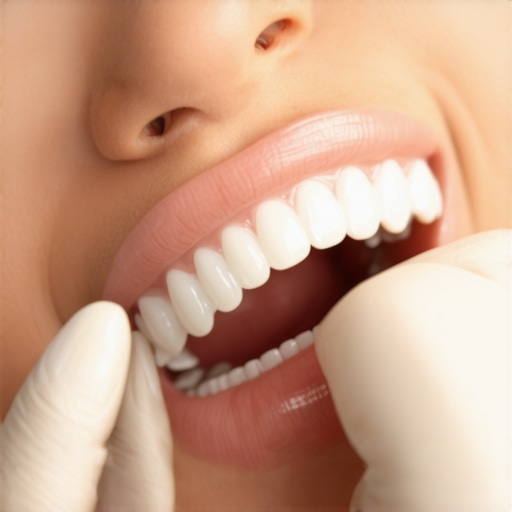 We also need to talk about trauma. If your little one takes a tumble and you notice why your gums are turning purple instead of a healthy pink around the injury, that is a sign of internal bruising that needs professional eyes immediately. Ignoring a ‘bruised’ tooth can lead to an abscess that damages the developing adult tooth directly underneath it. Modern the role of family dentistry in ensuring oral health for all ages is about more than just cleaning; it’s about proactive architectural management of the mouth. Have you ever fallen into the trap of thinking a ‘dark’ tooth would just fix itself? Let me know in the comments, and let’s talk about what the next steps should actually be.Once you move past the emergency phase of parenting and dental care, the focus shifts from ‘surviving the chair’ to maintaining those hard-earned results. I used to think a standard manual toothbrush and some supermarket floss were enough, but the more I deep-dived into the tech, the more I realized I was bringing a knife to a gunfight. In my house, we eventually upgraded to electric brushes with built-in pressure sensors. This wasn’t just for the ‘gadget’ factor; it was about preventing the exact type of aggressive scrubbing that causes recession later in life.
Stop Scrubbing Like You’re Cleaning the Kitchen Grout
If you’re still using a manual brush, you’re likely over-relying on muscle rather than mechanics. I switched to the Oral-B iO series because of its micro-vibrations, but more importantly, the ‘red light’ pressure sensor. It’s a literal stoplight for your gums. Many parents focus so much on the kids that they neglect their own aging smiles, eventually needing to transform your look with expert cosmetic dentistry solutions because of years of abrasive brushing. According to a systematic review by the Cochrane Library, powered toothbrushes provide a 21% reduction in plaque after just three months compared to manual versions. This isn’t just about aesthetics; it’s about systemic wellness, as we now know the connection between gum disease and your heart health is much stronger than we once believed.#IMAGE_PLACE_HOLDER_D#
How do I maintain my family’s dental results over the long haul?
Maintenance is a marathon, not a sprint. For the adults in the house, that often means protecting investments like crowns or veneers. If you’ve ever wondered why your porcelain crown feels too high when you bite down, it’s usually a sign that your bite alignment has shifted or the restoration needs a pro adjustment. I personally swear by a high-quality water flosser once the kids hit their teen years. It reaches the areas around brackets and tight molars that traditional string simply can’t touch without a struggle. For those of us looking to keep things bright, I’ve found that the truth about professional whitening gels vs store bought strips is that the custom-fit trays from a dentist are the only way to ensure the gel stays on the enamel and off the sensitive gingival tissue.
The Future of Oral Care is AI and Targeted Probiotics
Looking ahead, the industry is moving toward ‘precision dentistry.’ I predict that within the next five years, we will all be using smart-mirrors that use UV light to highlight plaque in real-time before we even pick up a brush. We’re already seeing revamp your smile top cosmetic dentistry trends for 2025 focusing on minimally invasive techniques like biomimetic bonding. We are also moving toward oral probiotics—lozenges designed to repopulate your mouth with ‘good’ bacteria to crowd out the ones that cause cavities. It’s a total shift from ‘killing all germs’ to ‘cultivating a healthy ecosystem.’ If you haven’t yet, I highly recommend swapping your manual brush for an electric one with a pressure sensor tonight—it is the single easiest upgrade you can make for your long-term health.
The Breakthrough Moments That Changed My Family’s Dental Health
Looking back at my journey with Leo, the biggest shift wasn’t just buying better tools; it was changing how I viewed the dental office. It isn’t a place you go only to fix a problem; it’s a partner in preventing one. I realized that consistency beats perfection every single time. Brushing for thirty seconds every night is infinitely better than one frantic scrub once a week before an appointment. I also learned that our children mirror our own dental anxiety. If I went into the office stressed, Leo felt it instantly. Once I started treating our visits as a routine family milestone, the meltdowns vanished. Finally, don’t underestimate the power of early intervention; catching a slight crowding issue early often prevents the need for more invasive expert cosmetic dentistry solutions when they reach their teens.
My Essential Kit for Maintaining Brighter Smiles
You don’t need a cabinet full of gadgets, but a few high-quality items make all the difference in a busy household. I personally swear by the Oral-B iO series for adults because the visual pressure sensor is the only thing that stopped me from scrubbing my gums into recession. For the kids, I recommend the Disney Magic Timer App; it turns a two-minute chore into a game they actually look forward to. I also keep a copy of ‘The Dental Diet’ by Dr. Steven Lin on my shelf, which completely changed how I think about the best snacks for kids that dont lead to instant cavities. Lastly, a simple water flosser is a non-negotiable for anyone in the family with tight teeth or permanent hardware. #IMAGE_PLACEHOLDER_E#
Set Your Child Up for a Lifetime of Confidence
At the end of the day, prioritizing child-friendly dental care is about more than just avoiding “sugar bugs.” It’s about giving your child the gift of a smile they are never afraid to show the world. When we embrace the role of family dentistry in ensuring oral health for all ages, we are teaching our little ones that proactive self-care is a vital life skill. Whether you are currently soothing a teething infant or looking to revamp your smile with top cosmetic dentistry trends for 2025 for yourself, remember that it is never too late to start fresh. You’ve got this, and your family’s future smiles will be the ultimate reward for the effort you’re putting in today. What was the one thing that finally made your child comfortable in the dentist’s chair? Let me know in the comments below!