I was leaning back in that oversized leather chair, the taste of latex and mint lingering in my mouth, when the receptionist handed me a clipboard. I expected a zero balance—after all, I had checked my plan and it promised 100% coverage for basic restorative work. But there it was in black and white: I owed sixty-five dollars for a single small cavity. When I asked why, the answer was a cold splash of water. My insurance company viewed the white composite resin as a cosmetic choice, not a medical necessity. They would only pay the rate for an old-school silver amalgam filling. I felt like I had been tricked into a luxury upgrade for something as basic as a tooth repair, and it was a massive wake-up call. I realized then that my insurance company wasn’t prioritizing my health; they were managing a balance sheet. Today, I am going to pull back the curtain on why this happens and how you can stop getting blindsided at the checkout counter.
Your Insurance Company Still Thinks It Is 1978
The biggest hurdle between you and a white filling is a little-known policy detail called the LEAT clause, or Least Expensive Professionally Acceptable Treatment. It sounds technical, but it is actually quite simple: if there are two ways to fix a problem, the insurance company is only obligated to pay for the cheapest one. Even though modern cosmetic dentistry trends have moved almost entirely toward mercury-free materials, many insurance providers are stuck in the past. They argue that silver amalgam is a perfectly functional way to plug a hole, so if you want the tooth-colored version, the price difference is on you. This is why many families feel frustrated when trying to follow a family dentistry guide that emphasizes aesthetics and long-term health. According to the American Dental Association (ADA), while composite resins are increasingly popular and durable, the decision to cover them often rests on the specific language of your employer’s contract, not the clinical superiority of the material. This outdated thinking ignores the fact that white fillings bond better to the tooth structure, often requiring less of your healthy tooth to be drilled away in the first place.
Is the white resin actually worth the extra cash?
When I first started managing my own dental care, I made a huge mistake. I assumed that ‘covered’ meant the same thing to me as it did to my insurer. I once opted for the cheaper silver option to save money, only to realize years later why your old fillings look dark and how they can eventually cause tiny fractures in the tooth enamel. The ‘savings’ I thought I was getting were eaten up by the cost of replacing the filling a decade later when the metal expanded and contracted. When you look at the truth about silver fillings vs composite, you see that the white resin isn’t just about vanity; it is about preserving the integrity of your tooth. Have you ever walked out of the dentist feeling like you just paid for a luxury car part instead of a simple medical procedure? You aren’t alone, and understanding this gap in coverage is the first step toward advocating for better care. We are going to break down exactly how to read your policy so you never have to guess about your out-of-pocket costs again.
Force Your Insurance to Show Their Hand First
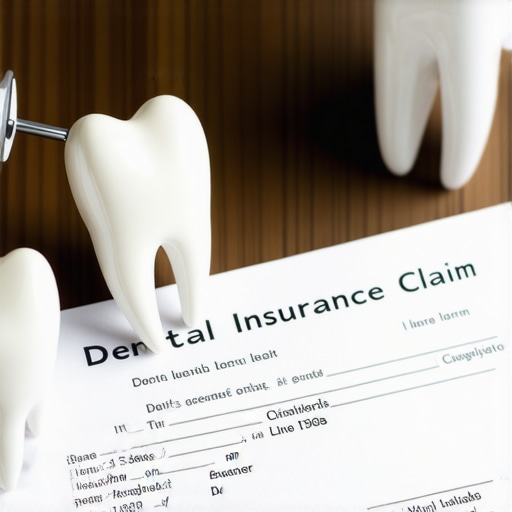
The single most effective way to avoid that gut-punch feeling at the checkout counter is to demand a Pre-Treatment Estimate. Think of this as a ‘permission slip’ from your insurance provider. Before your dentist even picks up the drill, they send the treatment plan to the insurer, who then sends back a document detailing exactly what they will pay for and what your portion will be. I learned this the hard way after my $65 surprise. Now, I never agree to a procedure—unless it is a true emergency—without seeing that estimate. It forces the insurance company to apply their LEAT clauses and fine print upfront so you aren’t guessing. This is especially vital when you are navigating expert cosmetic dentistry solutions where the line between ‘necessary’ and ‘elective’ is often blurred.
The Power of the Clinical Narrative
Your dentist is your greatest advocate, but they have to use the right language. Insurance adjusters are often just scanning for keywords. If your dentist simply writes ‘filling,’ the insurance company defaults to the cheapest metal option. However, if they include a ‘clinical narrative’ explaining that the tooth structure is compromised or that there is a real cause of those tiny cracks in your tooth enamel, the insurance company is more likely to approve the higher-cost composite resin. I once had a tooth that looked fine on a standard X-ray, but it was incredibly sensitive to cold. My dentist took a high-resolution intraoral photo and wrote a note explaining that the old metal filling was leaking. Because she took five extra minutes to provide that proof, the insurance company covered the white filling at the full rate. It proved that the ‘luxury’ material was actually a functional necessity.
When Basic Fillings Aren’t Enough
Sometimes the damage goes beyond what a simple plug can fix. If more than half of your tooth is comprised of filling material, you are likely looking at a crown. This is where the insurance games get even more intense. They might argue that you only need a large filling, even when your dentist knows when and why crowns are needed to prevent the tooth from splitting in half. You need to understand the difference between dental crowns vs other restorations so you can ask the right questions. If you are told you need a crown, ask your dentist if they are using ‘all-porcelain’ or ‘porcelain-fused-to-metal.’ Many plans still only cover the metal version, leaving you to pay the ‘porcelain upgrade’ fee.
Stop Paying for Subpar Materials
When you are looking at dental crowns explained through the lens of a long-term investment, the cheapest option is rarely the best. If your insurance refuses to budge, ask your dental office for a ‘cash-pay’ discount on the difference. Many offices are willing to meet you halfway if it means they don’t have to spend months chasing a claim. This is a crucial part of any family dentistry guide because children’s teeth require different materials than adults, and you don’t want to be stuck with 1970s technology for a 2025 problem. Understanding the real reason your dental insurance wont cover a replacement crown—usually a ‘frequency limitation’—helps you time your treatments better to maximize your benefits.
Your Dental Plan is a Coupon Book, Not a Safety Net
Most people treat their dental insurance like their medical insurance, assuming it’s a safety net for catastrophes. In reality, it’s closer to a prepaid maintenance plan or a discount coupon. While medical insurance is designed to protect you from a $100,000 hospital bill, dental insurance usually caps out at a measly $1,500 or $2,000 per year. This limit hasn’t changed significantly since the Nixon administration. If you need a complex series of expert cosmetic dentistry solutions or multiple crowns, you will hit that ceiling before you even finish your second appointment. The nuance most people miss is that insurance isn’t there to ensure you get the best health outcome; it’s there to provide the minimum viable repair. If you want a result that lasts thirty years instead of five, you have to be prepared to look beyond what the insurance company deems ‘acceptable.’
The Seven Year Rule That Leaves You Exposed
One of the most frustrating ‘oops’ factors I’ve seen is the frequency limitation clause. Even if your dentist determines that a crown has failed due to recurrent decay or a structural crack, the insurance company might refuse to pay if that tooth was worked on within the last five to ten years. They don’t care if the material failed or if you’ve developed a hidden fracture; they simply have a hard-coded timeline for replacement. This is the real reason your dental insurance wont cover a replacement crown, and it often leaves patients paying the full freight for necessary repairs. I once saw a patient wait three years to fix a failing bridge just to satisfy an insurance clock, only to lose the underlying tooth entirely because the decay reached the nerve. Waiting for the insurance company’s permission can sometimes cost you the tooth itself.

Why did my insurer deny a crown that my dentist called urgent?
This is the question that keeps patients up at night. The conflict usually stems from the ‘Least Expensive Professionally Acceptable Treatment’ (LEAT) clause. Your dentist might see a tooth that is 70% filling and know it needs a crown to prevent a vertical fracture. However, the insurance adjuster—who has never looked in your mouth—sees a tooth that can technically be ‘patched’ with another large filling. A study published in the Journal of Dental Education notes that the gap between clinical standards and insurance reimbursement levels often forces patients into a cycle of ‘patchwork’ dentistry that eventually leads to more expensive failures. When deciding between dental crowns vs other restorations, the insurance company will always default to the cheaper, short-term fix. They are betting on the patch lasting just long enough for you to switch jobs or insurance providers.
Mastering the Nuances of Family Benefits
When you are looking at the role of family dentistry in ensuring oral health for all ages, you have to be particularly careful with ‘missing tooth’ clauses. Many people assume that if they lose a tooth, insurance will help them replace it with a bridge or implant. However, if that tooth was missing before you signed up for the plan, many insurers won’t cover any replacement for it at all. It’s a classic trap that punishes people for changing jobs or insurance carriers. To avoid this, always keep your ‘Explanation of Benefits’ (EOB) from previous plans; sometimes you can use them to prove prior coverage and fight an exclusion. Have you ever fallen into this trap or been blindsided by a frequency limitation? Let me know in the comments. Understanding these nuances is the only way to ensure your family dentistry guide actually leads to healthy smiles rather than empty wallets.
Stop Brushing Like You Are Scrubbing a Tile Floor
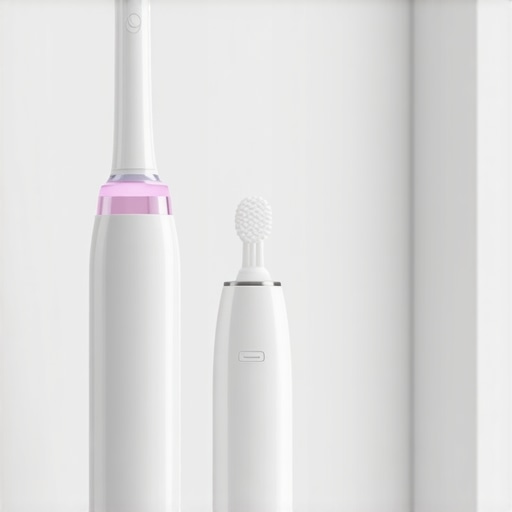
Once you have invested in expert cosmetic dentistry solutions, you cannot treat them with the same reckless abandon as natural enamel. I learned this the hard way when I noticed a tiny shelf forming at the gum line of my front crown. I was using a manual brush with ‘firm’ bristles, thinking more friction meant more clean. In reality, I was sandblasting my gums away. I switched to the Philips Sonicare 9900 Prestige because of its SenseIQ technology. It monitors your pressure 100 times per second and automatically drops the intensity if you press too hard. This is the single best way to prevent the recession that leads to the hidden reason your gums look dark around an old dental crown. If you are serious about the secret to keeping your dental implants healthy for life, a pressure-sensing electric brush is not a luxury; it is insurance for your insurance.
How do I keep my dental work from failing prematurely?
The secret is not just brushing; it is managing the mechanical forces in your mouth. A study in the International Journal of Prosthodontics highlights that ceramic restorations are most vulnerable to nocturnal bruxism—the unconscious grinding of teeth at night. If you wake up with a tight jaw, you are likely putting hundreds of pounds of pressure on your new teeth. This is often the hidden link between sleep apnea and grinding your teeth. I recommend a custom-fabricated occlusal guard over any over-the-counter boil-and-bite version. While you are at it, learn the best way to clean your night guard so it doesnt smell so you actually want to wear it every night. Failing to protect a bridge can lead to food trap issues, so you must also know how to clean your dental bridge to prevent chronic gum disease using specialized tools like Super Floss or a Waterpik on the ‘low’ setting.
Predictive Tech is Moving into Your Bathroom Mirror
The future of family dentistry guide standards is shifting toward prevention through data. I predict that within the next five years, we will see at-home intraoral cameras that sync with AI apps to scan for ‘micro-fractures’ before they become full breaks. We are already seeing cosmetic dentistry innovations to watch that involve biomimetic materials which mimic the natural flex of a tooth, reducing the risk that your porcelain veneers might start to chip or crack under stress. By catching these issues in the ‘warning’ phase, you can avoid the high-stakes insurance battles we discussed earlier. My advanced tip for you: next time you are at the office, ask your dentist for a high-resolution digital scan of your current bite (like an iTero scan) and keep a copy of the file. It acts as a perfect ‘baseline’ if you ever suffer a dental injury and need a restoration to match your exact original anatomy.
What I Wish I Knew Before the First Drill Hit
Looking back at my own dental journey, I’ve realized that the biggest mistake isn’t choosing the wrong material; it’s being a passive patient. First, I learned that your dentist and your insurance company are often speaking different languages. While your dentist wants to save your tooth structure, the insurer wants to save their bottom line. Second, never underestimate the power of a high-resolution photo. Seeing the real cause of those tiny cracks in your tooth enamel on a screen is much more convincing to an insurance adjuster than a vague note. Finally, I’ve learned to treat dental insurance like a supplement, not a full solution. It is a tool that helps you follow a family dentistry guide, but it should never dictate your personal standards of care.
The Tools That Saved My Smile
If you want to stop the cycle of expensive repairs, you need the right gear in your corner. My daily routine now revolves around the Philips Sonicare 9900 Prestige—the auto-pressure adjustment is a literal lifesaver for my gums and prevents recession. I also swear by a custom-fitted occlusal guard; it is the best way to ensure dental crowns vs other restorations actually stay intact without cracking under the pressure of nighttime grinding. For those looking for the latest in aesthetics, keeping an eye on top cosmetic dentistry trends for 2025 will help you ask your provider for biomimetic materials that are both durable and virtually invisible.
Take Control of Your Dental Destiny
You do not have to be a victim of fine print or outdated LEAT clauses. By demanding pre-treatment estimates and working with a dentist who prioritizes a detailed clinical narrative, you can finally access expert cosmetic dentistry solutions without the financial surprise. Your health is worth more than the ‘minimum acceptable standard’ defined by a corporate policy. Have you ever been surprised by a dental bill even though you thought you were 100% covered? Let me know your story in the comments below!