I’ll never forget the sound. It was a sharp, brittle snap right as I bit into a piece of hard sourdough toast. I froze, my tongue immediately darting to the front of my mouth, only to find a jagged, rough edge where my perfectly smooth veneer used to be. My heart sank. I had spent months researching the best cosmetic dentistry innovations and saved up quite a bit of cash, only to have my investment literally crumble during breakfast. That moment of sheer panic—wondering if I’d ruined my entire smile—is why I’m writing this today. We’re often told that porcelain is the gold standard for a Hollywood smile, and it is! But here’s the cold, hard truth: they aren’t indestructible. Whether you’re dealing with a tiny fracture or a full-on break, knowing why it’s happening is the only way to save the rest of your teeth.
The Day My Smile Suddenly Felt Fragile
When I first got my work done, I was guilty of treating my new teeth like they were made of titanium. I made the classic rookie mistake of using my front teeth to tear open a stubborn bag of chips. Don’t do that. It’s one of those things that expert cosmetic dentistry solutions usually warn against, but we think it won’t happen to us. It does. I realized too late that I was putting unnecessary stress on the bonding material. If you have ever felt a similar sharp edge, you might even be looking for how to fix a jagged tooth edge before you can get to the clinic. Today, we are going to solve the mystery of why these beautiful restorations fail and how you can stop the cycle before you lose another one.
Is this expensive procedure actually worth the hype?
You might be sitting there, feeling a chip with your tongue and wondering if you wasted your money. I’ve been there. The reality is that porcelain is incredibly strong under normal biting pressure, but it’s brittle when hit with shear forces—that’s the side-to-side grinding motion. According to the American Academy of Cosmetic Dentistry, while veneers are designed to last 10 to 15 years, their longevity depends almost entirely on how you treat them. If you’re a secret tooth-grinder, you might need to clean your night guard and wear it religiously, or you’ll find yourself searching for how to handle a chipped veneer while on vacation like I did. Have you ever felt that terrifying click or crunch when you weren’t expecting it? We need to look at the hidden culprits behind these cracks, from late-night jaw clenching to the simple physics of how your bite aligns. If we don’t address the root cause, even a replacement crown won’t save your smile in the long run.
Identify the damage before you panic
When my veneer chipped, I spent three hours in front of a magnifying mirror, agonizing over every detail. I was looking for a crack that reached the gumline. Think of a tooth like a car windshield; a tiny stone chip is annoying and unsightly, but a spiderweb crack means the whole structure is compromised. You need to know how to tell if your tooth sensitivity is actually a hidden fracture because that changes your next move entirely. If you feel a sharp, lightning-bolt pain when you release your bite, you’re likely dealing with a fracture. If it’s just a rough, irritating texture against your tongue, you’re probably looking at a surface chip that can be buffed or bonded back to life.
Don’t become a DIY dentist
I’ll be honest: I tried to be my own hero once. I used a smooth emery board to try and take the edge off a sharp tooth because I couldn’t stop touching it with my tongue. Please, do not do this. My DIY filing attempt only made the porcelain thinner and more prone to snapping. It is far better to learn how to fix a jagged tooth edge without a trip to the emergency room by using orthodontic wax or even a piece of sugarless gum as a temporary buffer. This protects your soft tissues without causing irreversible damage to the expensive work you’ve already paid for.
Stop the grinding cycle right now
The real game-changer isn’t just fixing the physical break; it’s identifying the force that caused it in the first place. For most of us, that is nocturnal bruxism—the fancy word for grinding your teeth while you sleep. If you don’t use a night guard, you are essentially using a jackhammer on your porcelain every single night. Once you get a custom guard, you have to keep it sterile to avoid infections. I learned that lesson the hard way when my gums got inflamed because I wasn’t sanitizing my equipment properly. Make sure you understand how to clean a night guard without using harsh chemicals or bleach to keep your mouth healthy. #IMAGE_PLACE_HOLDER_B#
Why crowns might be your secret weapon
Sometimes, we have to admit that a veneer simply isn’t the right tool for the job. If you have a naturally heavy bite or if your teeth have already lost significant enamel from years of wear, you should be researching dental crowns vs other restorations which is right for you. A crown is like a helmet for your tooth, providing 360-degree protection, whereas a veneer is more like a thin, decorative shield on the front. I eventually had to switch one of my failing veneers to a full restoration after realizing my jaw alignment was too aggressive for thin porcelain shells. Understanding dental crowns when and why they are needed can save you from the expensive chip-and-fix cycle that drains your bank account. If you want the secret to making your dental bonding last more than five years, it always comes down to two specific actions: protecting the leading edges of the restoration and managing the lateral forces when you chew.Wait, let’s stop for a second and address the biggest myth in the waiting room: the idea that once a crown is seated, that tooth is ‘safe’ forever. Most people think of a crown as a suit of armor that makes the tooth underneath invincible to decay. In my years of navigating the world of restorative work, I’ve learned that the exact opposite is true. A crown is actually a biological-mechanical interface, and that junction—the tiny line where the porcelain meets your gum—is the most vulnerable square millimeter in your entire mouth. If you don’t know how to tell if your crown is leaking and trapping bacteria, you are essentially sitting on a ticking time bomb. The tooth inside can still rot, and because it’s covered in porcelain, you won’t see the cavity until the entire structure collapses.
Stop assuming your crown is a permanent shield
I used to think that as long as my bite felt okay, my work was fine. But here is the contrarian truth: a crown that feels ‘fine’ can still be failing. According to a study published in the Journal of Dentistry, secondary caries (new decay at the margins) is the leading cause of crown failure, often occurring because the fit wasn’t quite perfect or the patient’s hygiene slipped. This is where family dentistry guide building a lifetime of healthy smiles becomes so important—it’s about long-term maintenance, not just the initial ‘wow’ factor of the porcelain. If you notice the real reason your crown feels loose when you chew gum, it’s usually because the cement has washed out, creating a microscopic gap for bacteria to enter. 
Why does my crown suddenly taste like sulfur?
This is one of those advanced questions most people are too embarrassed to ask their dentist. If you’ve started noticing a foul odor when you floss around a specific tooth, or if the real reason your breath smells like sulfur despite brushing points to a single spot, you likely have marginal leakage. This isn’t just a hygiene issue; it’s a structural warning. When the seal breaks, anaerobic bacteria thrive in the dark, oxygen-free space between the tooth and the restoration. This is the ‘oops’ factor many patients fall into: they wait for pain to occur. By the time a crowned tooth hurts, you’re often looking at a root canal or an extraction rather than a simple replacement.
Don’t let cosmetic trends ruin your functional bite
In the rush to follow revamp your smile top cosmetic dentistry trends for 2025, many people opt for the thinnest, most translucent materials. While these look stunning, they don’t always hold up to the physics of a heavy grinder. You have to weigh dental crowns vs other restorations which is right for you based on your actual jaw habits, not just a Pinterest board. Even in pediatric care, we see this lack of foresight; for instance, not knowing why your child needs a dental sealant on their molars can lead to early-life crowns that could have been avoided. Finally, remember that the real reason your dental insurance wont cover a replacement crown is often because they deem it ‘cosmetic’ if it’s replaced too soon, so getting it right the first time is a financial necessity. Have you ever fallen into this trap of thinking your dental work was invincible? Let me know in the comments.If you are serious about protecting your investment, you need to stop thinking about your bathroom sink as just a place to splash water. It is now your personal maintenance bay. After my own journey with restorations, I realized that the standard brush-and-floss advice was not enough for expert cosmetic dentistry solutions. I switched to a high-frequency sonic brush with a built-in pressure sensor. This is critical because if you scrub too hard, you are not just hurting your gums—you are actually wearing down the resin cement at the margins of your crown.
Stop relying on basic drug store tools
I am a stickler for precision, so I upgraded to a Waterpik with the ‘orthodontic’ tip. I use it specifically on a low setting to flush the gingival sulcus around my dental crowns explained the ultimate solution for damaged teeth. This prevents the microscopic biofilm buildup that leads to the sulfur smell we discussed earlier. I also recommend a specialized 0.05% Sodium Fluoride rinse. Why? Because it remineralizes the tiny exposed areas of natural tooth at the edge of the restoration, effectively ‘sealing’ the gap against acid attacks. It is about creating a chemical barrier where the mechanical one might have microscopic flaws.
How can I maintain my dental work for the next twenty years?
The secret to longevity is consistency and the right materials. If you have kids, you know caring for your childs teeth essential family dentistry tips usually focus on avoiding sugar, but for adults with crowns and veneers, the focus shifts to pH balance. I keep a pH-balancing mouth spray in my car for after meals. Neutralizing acid immediately prevents it from etching the porcelain or the bonding agent. Furthermore, the role of family dentistry in ensuring oral health for all ages means that your provider should be checking the ‘occlusal wear’ on your restorations every six months. According to the technical documentation from Ivoclar Vivadent, the leading manufacturer of dental ceramics, the fatigue life of lithium disilicate (the stuff in high-end crowns) is significantly extended when the bite is perfectly balanced across all four quadrants. 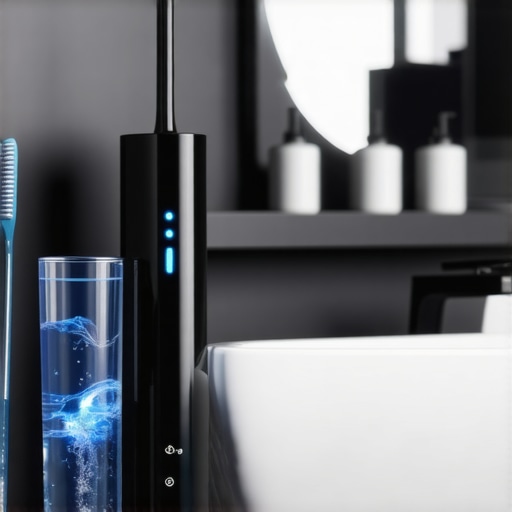
The future is digital monitoring from your phone
I predict that by 2027, we will all be using AI-guided intraoral cameras at home. Imagine snapping a photo of your back molar once a month and having an app tell you if your crown margin is starting to recede before you can even see it in a mirror. This shift toward proactive, data-driven the secret to keeping your dental implants healthy for life will end the era of ’emergency’ dental visits. Until then, you are the primary investigator. If you want to see an immediate difference in the health of your gums and the shine of your porcelain, try switching to a non-abrasive, low-RDA (Relative Dentin Abrasivity) toothpaste tonight—your glaze will thank you.
Three Hard-Earned Lessons from a Decade of Dental Work
After years of managing my own restorations, I’ve realized that the ‘set it and forget it’ mentality is the fastest way to a broken smile. My first major lesson was that the bond between porcelain and tooth is a chemical marriage that needs constant nurturing. If you are constantly stressing the joint, even the best work will fail. I also learned that the secret to making your dental bonding last more than five years isn’t just about avoiding hard candy; it’s about checking your bite alignment every single time you visit the clinic. Finally, I discovered that the most dangerous weapon in my house wasn’t a bottle opener—it was my own jaw. Learning how to stop clenching your jaw when you feel stressed saved my second set of veneers from the fate of the first.
The Maintenance Bay Essentials I Swear By
I don’t leave my oral health to chance anymore. My daily routine involves a sonic toothbrush with a pressure sensor to ensure I never scrub away the delicate resin at the margins. I also rely heavily on a custom-molded night guard; store-bought ones simply don’t provide the precision fit needed for complex restorations. For those who want to be proactive, I recommend keeping a high-quality pH-balancing rinse in your cabinet to neutralize acids immediately after meals. This is a core part of caring for your childs teeth essential family dentistry tips that applies just as much to adults—keeping the environment ‘neutral’ is the best way to prevent the marginal leakage that ruins crowns. #IMAGE_PLACEHOLDER_E#
Your Smile is an Investment Worth Protecting
At the end of the day, your dental work is a living part of your daily life. It’s not just about aesthetics; it’s about the confidence to laugh without covering your mouth and the ability to eat without fear. By embracing the role of family dentistry in ensuring oral health for all ages, you transition from being a passive patient to an active guardian of your smile. Don’t wait for a chip to start caring for your porcelain. Start tonight by treating your teeth with the respect they deserve, and they will stay bright and functional for decades to come. Have you ever experienced that terrifying ‘click’ or ‘snap’ while eating? Let me know your story in the comments below.