I remember leaning in to whisper a joke to my best friend during a quiet movie scene, and the way she instinctively recoiled. My heart sank. I had spent fifteen minutes in front of the mirror that morning—scrubbing, flossing, and even using a tongue scraper. I felt clean, yet my breath smelled like a struck match or, worse, a pile of rotten eggs. It’s a gut-wrenching feeling when you do everything right and still fail the ‘sniff test.’ I used to think I was just cursed with a permanent ‘garlic soul.’ If you are currently hiding behind your hand while talking or avoiding close-up conversations entirely, I’ve been in those shoes. Today, we’re going to peel back the layers on why that odor persists and how we can actually tackle the root cause rather than just masking it with minty camouflage.
The Hidden Truth About Those Rotten Egg Smells
The first mistake I made—and it’s a big one—was thinking that harder brushing was the answer. I practically sanded my enamel down in a desperate attempt to be fresh. But here is the thing: the real reason your breath smells like sulfur even after brushing often has nothing to do with your toothbrush skills. It’s about Volatile Sulfur Compounds (VSCs). These are produced by anaerobic bacteria that hide in places your brush simply cannot reach. According to research published in the Journal of Breath Research, these bacteria thrive in oxygen-depleted environments, like the deep crevices of your tongue or under old dental work. Sometimes, you might even find that you need to check if your crown is leaking, as those tiny gaps are like a five-star hotel for stinky bacteria. Dealing with this isn’t just about hygiene; it’s about understanding the ecosystem in your mouth. Whether you’re looking for a long-term family dentistry guide or just trying to survive your next meeting, getting to the bottom of VSCs is the only way out.
Is it possible my gut is actually to blame?
I’ll admit, for a long time, I was skeptical that a simple cleaning could fix it. I worried that something was fundamentally wrong with my digestion. While it’s true that you should consider what your chronic bad breath is actually saying about your gut health, about 90% of these odors start right in the mouth. Have you ever felt like no matter how much water you drink or how many mints you pop, that ‘off’ taste just lingers in the back of your throat? If you’ve ever felt like your mouth is a lost cause, you aren’t alone. Let’s look at the specific steps I took to finally reclaim my confidence and stop the sulfur at the source.
Wipe Out the Sulfur Factory on Your Tongue
The first time I used a stainless steel tongue scraper, I was horrified. I had always assumed my tongue was supposed to have a slightly white coating. After one firm swipe starting from the very back, I saw a thick, opaque film on the metal. That film was a living colony of VSC-producing bacteria. To fix this, you need to think of your tongue like a high-pile carpet. Brushing only moves the dirt around the surface; scraping actually pulls it out of the fibers. If you also wear dental appliances, you must learn the best way to clean your night guard so it doesnt smell, because those acrylic surfaces can harbor the same sulfurous colonies and re-infect your mouth every single night. 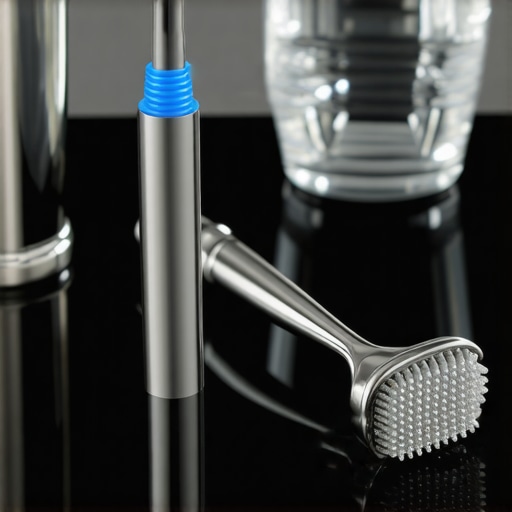
Your Old Dental Work Could Be a Bacteria Trap
Sometimes the smell isn’t coming from the surface at all, but from deep underneath a restoration. I once had a friend who couldn’t figure out why one specific side of her mouth always tasted ‘off.’ It turned out she had a tiny gap in an old restoration. When you look at dental crowns explained the ultimate solution for damaged teeth, you realize they are meant to be hermetically sealed. If that seal fails, food particles and bacteria get trapped in a dark, oxygen-free hole—the perfect breeding ground for rot. If you suspect an old crown is the culprit, don’t just wait for it to fall out. A micro-leak acts like a chimney for bad odors, venting sulfur every time you chew or speak. Getting it assessed by a professional is the only way to shut that chimney down for good.
The Professional Reset for Deep-Seated Odors
When the bacteria move below the gumline, your home routine will eventually hit a wall. These are the areas where the ‘rotten egg’ smell evolves into a more persistent ‘decay’ scent. If you’ve reached this point, a standard cleaning won’t cut it. You likely need a deep cleaning, also known as scaling and root planing. It’s normal to wonder why your teeth feel sharp after a scaling and root planing; it’s because the heavy layers of ‘stinky’ tartar have finally been removed, leaving your teeth feeling lean and clean again. This reset is often the only way to clear out the deep pockets where VSCs are manufactured. Once your gums are healthy and the sulfur source is eradicated, you can even begin to transform your look with expert cosmetic dentistry solutions, knowing that your new smile is built on a foundation that is finally fresh and scent-free. Dealing with chronic odor requires a surgical approach to your daily habits: scrape the tongue, floss the gaps, and ensure your hardware is sealed tight.Many people mistakenly view cosmetic dentistry as a purely aesthetic pursuit, a luxury reserved for those who simply want a Hollywood smile. However, this is one of the biggest misconceptions in modern oral health. In reality, when you transform your look with expert cosmetic dentistry solutions, you are often performing a critical functional upgrade. A misaligned tooth or a poorly shaped filling creates ‘micro-nooks’ that no toothbrush can ever reach. By straightening or resurfacing these areas, you aren’t just looking better; you are literally removing the breeding grounds for those sulfur-producing bacteria. If you have been treating cosmetic work as an optional vanity project, you might be missing the very tool that could finally end your struggle with chronic bad breath.
The PFM Trap That Ruins Your Gum Line
One specific ‘oops’ factor I see frequently involves older dental technology. For decades, the gold standard was the porcelain-fused-to-metal (PFM) crown. While durable, these restorations carry a hidden flaw: as the gum line naturally recedes over time, the metal base becomes exposed. This often explains why your gums look dark around an old metal-fused crown. But it is more than just a gray line. That junction between the old crown and your tooth can become a ledge where plaque accumulates, leading to localized gingivitis and a persistent, sour odor that no amount of mouthwash can fix. Modern all-ceramic or zirconia options don’t just look more natural; they are far more biocompatible, meaning your gums stay tighter and healthier around them. 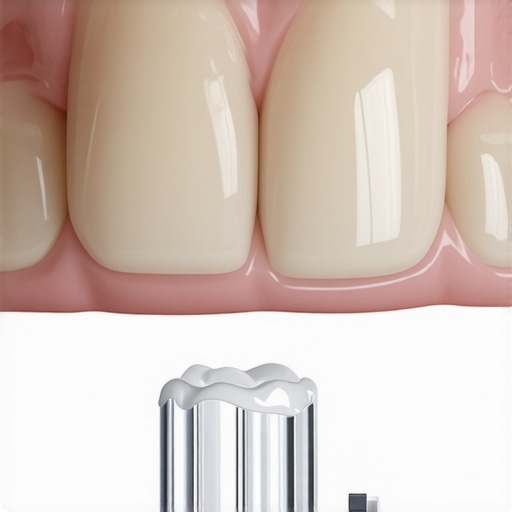
Does the Porosity of Your Dental Material Affect Your Breath?
This is an advanced question that most patients never think to ask. Not all dental materials are created equal when it comes to resisting bacterial ‘hitchhikers.’ According to a study published in the International Journal of Dentistry, the surface roughness and porosity of restorative materials like older composites can significantly increase biofilm (plaque) accumulation compared to high-glazed porcelain. This is why you might notice the secret to making your dental bonding last more than five years isn’t just about what you eat, but about the quality of the initial polish. If a restoration is porous, it acts like a sponge for odors. When deciding on a treatment plan, comparing dental crowns vs other restorations which is right for you is essential because the smoother the surface, the less likely you are to harbor a ‘sulfur factory’ in your mouth.
Build a Foundation That Lasts for Generations
Achieving a truly fresh mouth requires a shift from ‘reactive’ dentistry to ‘proactive’ family care. It’s about more than just fixing a single stinky crown; it’s about a comprehensive family dentistry guide building a lifetime of healthy smiles for everyone in your household. When you understand the nuances of how bacteria move from person to person and how dental materials age, you can stop the cycle of ’emergency’ fixes. Have you ever fallen into the trap of thinking a crown was a ‘set it and forget it’ solution, only to have it cause issues years later? Let me know in the comments below. Taking a surgical, analytical approach to your dental hardware is the final step in moving from masking odors to living a life of total oral confidence.I didn’t realize that my manual toothbrush was essentially a blunt instrument until I saw a high-definition scan of my own gums. It was a wake-up call. To keep my smile fresh and my breath neutral, I had to upgrade my toolkit. I personally swear by a sonic toothbrush—specifically one that offers at least 31,000 brush strokes per minute. This isn’t just about speed; it’s about fluid dynamics. The vibration creates micro-bubbles that reach deep between teeth and under the edges of my restorations where a manual bristle would simply skip over. This is a vital part of the role of family dentistry in ensuring oral health for all ages, as it simplifies the process for everyone from kids to seniors.
Ditch the Manual Scrubber for High-Frequency Tech
When you use a manual brush, you’re often applying too much pressure, which can lead to gum recession around those expensive new crowns. I switched to a pressure-sensitive electric model because it forces me to be gentle. If you’re looking to enhance your confidence cosmetic dentistry innovations to watch, start with the tech in your hand every morning. I also integrated a water flosser into my nightly routine. For anyone with a bridge or a crown, string floss can sometimes snag or leave behind tiny fibers. A water flosser, however, uses a targeted stream to flush out the ‘sulfur pockets’ that cause that dreaded rotten-egg smell. It’s also much easier when teaching caring for your childs teeth essential family dentistry tips, as kids often find the water stream less intimidating than traditional flossing.
How can I make these results last for a decade or more?
The secret to longevity isn’t just in the tools; it’s in the specialized care of your hardware. If you wear a night guard to protect your crowns from grinding, you need to know how to clean a night guard without using harsh chemicals or bleach. Harsh cleaners can actually make the material more porous over time, creating more places for bacteria to hide. I recommend using a dedicated ultrasonic cleaner—a small device that uses high-frequency sound waves in a water bath to vibrate the plaque off your appliance. This level of maintenance ensures that your investment in expert cosmetic dentistry solutions stays pristine and odor-free. 
The Future is Bioactive and Smart
Looking ahead, I predict we are moving away from ‘passive’ materials like standard porcelain and toward bioactive restorations. As noted by Dr. Pascal Magne, a pioneer in biomimetic dentistry, the future lies in materials that actually mimic the tooth’s natural structure and can even release minerals to strengthen the surrounding enamel. We are also seeing top cosmetic dentistry trends for 2025 that include AI-integrated toothbrushes that map your mouth in real-time, highlighting exactly where sulfur-producing bacteria are congregating. If you want to take your oral health to the next level today, here is my advanced tip: buy a pack of pH testing strips. Before you go to bed, test your saliva. If it’s consistently acidic, your dental work is at a much higher risk of failing and your breath is more likely to sour. Try rinsing with a neutralizing xylitol-based wash before sleep to reset the balance. If you’ve been struggling with a specific dental issue while away from home, remember to check out how to manage a toothache when you are traveling abroad so you’re never caught off guard.
What I Wish I Had Known Before My Breath Cost Me My Confidence
After years of battling that persistent rotten egg smell, a few lightbulb moments changed everything for me. First, I realized that mouthwash is often a mask, not a cure; many alcohol-based rinses dry out your tissues, making the sulfur-producing bacteria even happier. Second, I learned that why your gums look dark around an old metal-fused crown is actually a massive red flag. That dark line often indicates a ledge where bacteria are feasting, far beyond the reach of your brush. Third, I discovered that the real reason your breath smells like sulfur even after brushing is usually hidden in the biofilm—a sticky, invisible layer that requires mechanical removal, not just a quick rinse. Finally, I understood that your dental hardware isn’t ‘set and forget.’ If a restoration feels slightly off, it’s likely trapping the very odors you’re trying to escape.
The Gear That Saved My Morning Routine
To truly stay ahead of VSCs, you need a toolkit that targets the source. I trust these specific tools because they transitioned me from ‘scared to speak’ to ‘breath-confident.’ #IMAGE_PLACEHOLDER_E#
- Stainless Steel Tongue Scraper: Unlike plastic versions, medical-grade steel provides the necessary tension to actually lift the sulfur-producing colonies from the deep grooves of your tongue.
- High-Frequency Sonic Toothbrush: I look for models with at least 31,000 strokes per minute. This technology is vital in the role of family dentistry in ensuring oral health for all ages because it does the hard work of disrupting bacteria for you.
- Professional-Grade Water Flosser: This is non-negotiable if you have crowns or bridges. It flushes out the ‘stinky’ pockets that traditional floss simply misses.
- pH Balancing Xylitol Mints: These are my secret weapon after meals. They help neutralize acidity, which is one of the cosmetic dentistry innovations to watch for maintaining a healthy oral microbiome.
You Deserve a Smile That Doesn’t Make You Hide
Living with the fear of bad breath is exhausting, but it doesn’t have to be your permanent reality. By shifting your focus from ‘cleaning teeth’ to ‘managing bacteria,’ you can reclaim your social life and your self-esteem. Whether you need a simple professional reset or want to transform your look with expert cosmetic dentistry solutions, the path to freshness starts with addressing those hidden sulfur traps. Don’t let a leaky crown or a fuzzy tongue hold you back anymore. Your journey toward a healthy, scent-free mouth is a functional upgrade that will pay dividends for decades to come. Have you ever noticed a specific food or habit that makes your ‘sulfur’ smell return? Let me know in the comments below!