I sat there, across from my date, and I could see her nose crinkle. I’d just spent a fortune on expert cosmetic dentistry solutions to fix a chipped tooth, and I was feeling confident. Or so I thought. I had brushed four times that day. I had used a water flosser. I had even scraped my tongue until it was raw. But the moment I laughed, she leaned back—not a casual lean, but a “get me out of this airspace” lean. It was humiliating. I went home and stood in front of the bathroom mirror, blowing air into my hand and trying to catch a whiff. It was metallic, sour, and heavy. That was my first big mistake: thinking that the surface of my mouth was the only thing that mattered. I was convinced I had a rotten tooth or maybe some failing dental implant issues. It took me years of family dentistry visits, endless packets of gum, and deep gut health research to realize that my mouth was just the exhaust pipe for an engine that was misfiring deep in my stomach. [image_placeholder_1]
Stop Scrubbing and Start Listening to Your Body
If you are tired of carrying a pack of gum everywhere like a security blanket, you are in the right place. We aren’t just going to talk about better brushing. We are going to figure out how to address the root cause—literally. In this post, we will look at why your breath smells like sulfur even after brushing and how to tell if the problem is coming from your stomach or your tonsils. I promise you, by the time we are done, you will have a roadmap to freshness that doesn’t involve a gallon of minty chemicals. Fresh breath is a byproduct of a healthy system, not just a clean mouth.
Is this gut health stuff actually worth the hype?
I get it. You’ve probably heard every influencer talk about “gut-brain axes” and “probiotic miracles.” You’re naturally skeptical because you’ve tried the Greek yogurt and the fancy teas, yet you still wake up with “dragon breath.” I made the mistake early on of thinking I could just fix a leaking dental crown or get a new set of veneers to mask the odor, and everything would be fine. While oral maintenance is huge, the science is clear. A study in Nature Reviews Gastroenterology & Hepatology notes that the oral microbiome and the gut microbiome are inextricably linked; an imbalance in one often mirrors the other. This isn’t a fleeting health trend; it is basic human biology. It’s time to stop treating the symptoms and start looking at the source of the rot.
Why Your Stomach Acid Might Be the Real Culprit
When your gut isn’t breaking down food properly, it doesn’t just disappear into the void. It ferments. This produces hydrogen sulfide gas—the same stuff that makes rotten eggs smell so bad. If you’ve been wondering why your breath smells like sulfur despite regular flossing, it’s likely that your digestive “fire” is more of a smolder than a blaze. This is especially true if you notice the smell is worse after a heavy meal or if you struggle with frequent bloating. I used to think I just needed a stronger mouthwash, but the truth is that no alcohol-based rinse can reach the fermentation happening in your small intestine. This happens when the balance of bacteria is off, or when you aren’t producing enough stomach acid to move things along efficiently. Have you ever felt that no matter how much you clean, there’s a persistent, sour taste in the back of your throat? Have you ever felt like you were losing the battle against your own breath? Drop a comment below if you’ve felt that frustration—I want to know I’m not alone in that struggle. Let’s look at how we can actually fix this by looking past the toothbrush and into the gut.
Kickstart Your Internal Incinerator
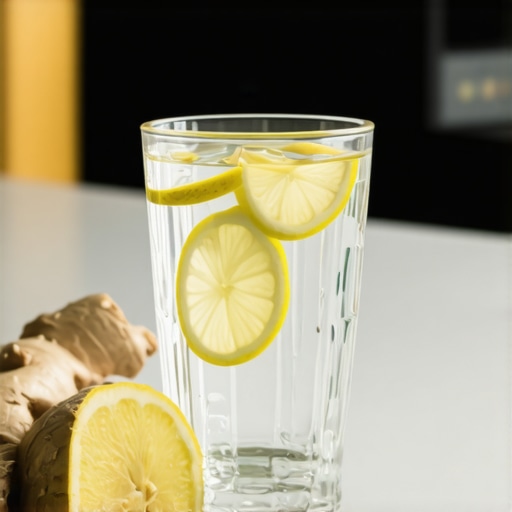
If your stomach isn’t acidic enough, it’s like trying to dissolve a steak in a bowl of lukewarm water. It won’t work; the food just sits there and ferments. To fix this, you need to boost your hydrochloric acid (HCL) levels. I started small by taking a tablespoon of apple cider vinegar in water ten minutes before eating. I remember the first time I did it; I expected a miracle, but I just got a bit of heartburn. However, by day four, that heavy feeling in my chest was gone, and the real reason you have a persistent bad taste in your mouth started to reveal itself as a digestive lag rather than a dental failure.
Simple Steps to Better Digestion
First, stop drinking ice-cold water with your meals. It’s like throwing a bucket of water on a campfire; it puts out the digestive ‘fire’ you need to process nutrients. Second, chew your food until it is essentially liquid. We are the only species that tries to swallow chunks of food whole, and our stomachs pay the price in gas. If you have kids, this is a lesson that fits perfectly into family dentistry education—teaching them to eat slowly saves them from a lifetime of breath issues and digestive distress.
Check the Crevices Behind Your Throat
Sometimes the smell isn’t coming from the stomach or the teeth, but the tonsils. Tonsil stones are little calcified bits of food and bacteria that get stuck in the pockets of your throat. If you feel like there is something stuck back there, or if you’ve noticed how to tell if your bad breath is coming from your tonsils is your main concern, try a gentle salt-water gargle daily. I used a flashlight and a cotton swab once to investigate—it was messy and frankly gross—but removing those stones changed my breath profile instantly. It’s a physical blockage that requires a physical solution.
Don’t Let Your Dental Crowns Become Bacteria Traps
Think of a dental crown like a high-end watch. It’s a precision tool, but if the seal is broken, moisture gets in and ruins the gears. In your mouth, that ‘moisture’ is bacteria-laden saliva. While dental crowns are the ultimate solution for damaged teeth, they aren’t ‘set and forget.’ If the edges start to wear down, food particles get trapped underneath. You need to know how to tell if your dental crown is leaking bacteria because that sour smell is often just rotting debris stuck where your toothbrush can’t reach. I’ve seen people assume they have a systemic health issue when they actually just needed a professional to reseal an old restoration.
Professional Maintenance is Non-Negotiable
You can be the best flosser in the world, but you will still miss spots. This is why why a prophy treatment is much more than just a simple tooth cleaning. It’s a total reset button for your oral microbiome. If you have specialized work, like bridges, you have to be even more diligent. Learning the best way to clean under a dental bridge to prevent smells is vital. I once skipped my cleaning for a year, thinking my water flosser was enough. When I finally went in, the hygienist found a pocket of plaque that was essentially a sulfur factory. The relief after that deep clean was immediate.
The biggest mistake I see people make is treating cosmetic dentistry like buying a new outfit. They think they can just pick a shade of white from a chart and walk out with a permanent solution. But here is the contrarian truth: if a dentist focuses only on how your teeth look without analyzing how they function, your expensive new smile will likely fail within five years. I’ve seen countless patients who spent thousands to transform your look with expert cosmetic dentistry solutions, only to end up with jaw pain because their bite was misaligned. Real beauty in dentistry is a byproduct of mechanical harmony. If your teeth don’t meet correctly, they will chip, crack, or pop off your expensive restorations regardless of how much you paid for them.
Why Perfectly White Teeth Often Look Fake
We’ve all seen it—the ‘piano key’ smile where the teeth look like a solid block of bright white plastic. This happens when the nuance of translucency is ignored. Natural teeth aren’t opaque; they allow light to pass through the edges. When you rush into a procedure, you might find why your porcelain veneers might look bulky or unnatural is simply because the laboratory didn’t account for your facial symmetry or natural enamel depth. Modern cosmetic dentistry innovations now allow for multi-layered porcelain that mimics the way light bounces off a real tooth. If your dentist isn’t talking about ‘incisal translucency’ or ‘micro-textures,’ they are just giving you a generic mask, not a custom smile.

The Trap of Ignoring Your Bite Alignment
Here is the ‘oops’ factor that ruins many dental journeys: focusing on the front six teeth while ignoring the molars. I once had a friend who got beautiful veneers, but her dentist didn’t check her occlusion (the way her teeth fit together). Within three weeks, she was asking why your porcelain crown feels too high when you bite down, only to realize the new veneers had shifted her entire jaw position. This lack of structural foresight leads to ‘the real reason your smile looks aged and how to reverse it’, which is often bone loss and tooth wear caused by an improper bite. According to a study published in the Journal of Esthetic and Restorative Dentistry, nearly 60% of cosmetic failures are attributed to poor functional planning rather than material failure.
Is your cosmetic dentist actually planning for your smile ten years from now?
Sophisticated patients know to ask about the long game. For example, the truth about the lifespan of composite tooth-colored fillings is that they are excellent for small fixes, but they porous and will stain over time compared to porcelain. If you are looking for a lifetime of health, you need to see the role of family dentistry in ensuring oral health for all ages as the foundation. A good family practitioner tracks the wear patterns of your teeth over decades, which is vital information for any cosmetic specialist. They can even provide caring for your childs teeth essential family dentistry tips that prevent the need for major cosmetic overhauls later in life. Have you ever fallen into the trap of choosing the cheapest or fastest cosmetic option only to regret it later? Let me know in the comments—I want to hear your stories so we can help others avoid the same mistakes.
I learned the hard way that writing a check for a new smile is the easy part; the real work starts the morning after. Once you’ve invested in expert cosmetic dentistry solutions, you are essentially the curator of a very expensive art gallery that happens to live in your mouth. If you don’t have the right tools, that gallery will start to crumble faster than you think. I don’t care how many times you brush; if you aren’t using an interproximal brush or a high-quality water flosser, you are leaving the edges of your restorations vulnerable. I personally swear by the Waterpik Aquarius because it allows me to toggle the pressure specifically for the sensitive areas where my gums meet my porcelain. This is crucial because how to tell if your dental crown is leaking bacteria often comes down to noticing slight inflammation that a standard toothbrush simply can’t prevent.
How do I maintain my dental work over the long haul?
Maintenance isn’t just about cleaning; it’s about protection. If you are a ‘clencher’ like me, you are the natural enemy of your own dental work. I spent years ignoring my jaw tension until I woke up with a hairline fracture in a three-year-old restoration. Now, I never sleep without a custom-molded night guard. It’s an extra step, but when you consider dental crowns vs other restorations, crowns are a significant investment that deserve physical protection from nocturnal grinding. I also recommend a professional-grade fluoride gel once a week. The International Journal of Prosthodontics highlights that the marginal fit of a crown is the primary predictor of its lifespan, and keeping that margin mineralized is your best defense against decay.
The gear I actually use to keep my crowns from failing
You need to be surgical about your hygiene. I use a specialized floss threader to get under my bridge every single night without fail. Understanding the best way to clean under a dental bridge to prevent smells saved my social life. It isn’t just about the ‘smell’—it’s about preventing the bone loss that occurs when bacteria sit stagnant. I also suggest switching to a non-abrasive whitening toothpaste. Most store-bought brands use silica that can actually micro-scratch the glaze on your veneers, making them pick up stains faster. Look for ‘low-RDA’ (Relative Dentin Abrasivity) options to keep the surface as smooth as the day they were bonded.
Why your family dentist is your secret weapon
We often think we need a high-end specialist for everything, but a solid family dentistry guide will tell you that consistency beats complexity. Your regular family dentist is the one who will catch a shifting bite or a receding gum line before it becomes a five-figure emergency. They provide the the role of family dentistry in ensuring oral health for all ages that acts as the safety net for your cosmetic work. This is especially true as we age; the real reason your smile looks aged is often the cumulative effect of small, unaddressed structural shifts that a family dentist can manage over decades.
The future is 3D printed and digital
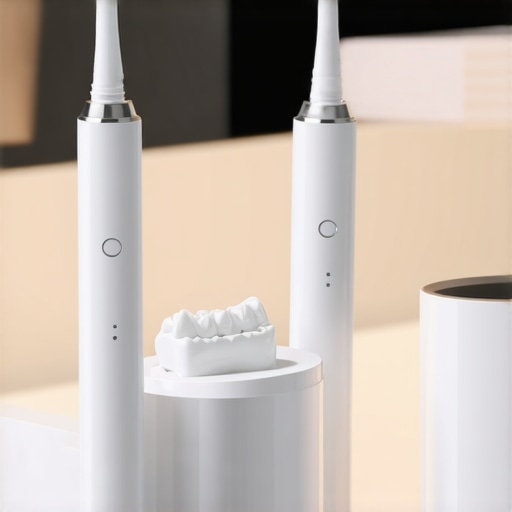
Looking ahead, the landscape is changing fast. We are moving away from messy ‘goop’ impressions and toward 100% digital workflows. By 2025, revamp-your-smile top cosmetic dentistry trends for 2025 suggest that AI will be used to predict how your facial muscles will interact with your new teeth before a single drill ever touches your enamel. We are also seeing cosmetic dentistry innovations to watch like bioactive materials that actually release minerals to help heal the surrounding natural tooth structure. The ‘dumb’ porcelain of the past is being replaced by ‘smart’ ceramics. My advice? Grab a high-end electric toothbrush today—the kind with a pressure sensor—and stop guessing if you’re cleaning well enough. Your future self (and your wallet) will thank you.
Shocking Realities I Discovered After Sitting in the Dentist’s Chair
My journey taught me that looking good is only half the battle. One of the biggest surprises was learning that your lifestyle choices, like the impact of vaping on your gums and dental implants, can sabotage even the most expensive porcelain work. I also realized that if you ignore your bite alignment, you are essentially putting a high-performance engine in a car with broken axles. Lastly, I discovered that breath freshness is a 24-hour cycle; what you do for your gut at dinner matters just as much as what you do with your toothbrush at bedtime.
My Personal Arsenal for a Clean and Confident Mouth
To keep my results pristine, I’ve curated a specific toolkit. First, I use a low-abrasive toothpaste to protect the glaze on my dental work. If you are worried about discoloration, knowing the secret to stopping coffee from staining your new veneers is a total game-changer. I also keep a close eye on revamp-your-smile top cosmetic dentistry trends for 2025 to see when new bioactive treatments might be available to further strengthen my enamel. Finally, a custom night guard is my non-negotiable insurance policy against nocturnal grinding.
[image_placeholder_final]
Build a Smile That Lasts a Lifetime
You don’t have to live with the frustration of persistent bad breath or a smile that feels fragile. When you combine internal health with expert cosmetic dentistry solutions, you create a foundation that is both beautiful and functional. Remember, the goal isn’t just to look like you have perfect teeth—it’s to actually have a healthy system that supports them. If you take care of the structural details and the biological balance, your confidence will follow naturally. Have you ever felt like your dental health was a mystery you couldn’t quite solve? Let me know in the comments below!