I remember sitting in my car in the parking lot, aggressively rubbing my tongue against the back of my lower teeth. I’d just paid sixty bucks and spent an hour having my gums poked, but instead of that glassy feeling I expected, it felt like I’d licked a brick. I almost walked back inside to demand a redo. I was convinced the hygienist had checked out mentally halfway through my appointment. It was only later, after a very patient explanation from my dentist, that I realized I was the one making a critical post-care mistake. We’ve all been there—expecting a Hollywood-smooth smile but leaving with a mouth that feels like fine-grit sandpaper. It’s frustrating and, honestly, a little worrying when you start to think about the health of your enamel. Today, I’m going to help you understand exactly why this happens and what you can do to turn that grit back into gloss without hurting your teeth.
Stop Blaming Your Hygienist for That Sandpaper Feeling
The first thing you need to know is that your mouth is in a state of high alert right after a cleaning. When those professional tools remove years of built-up calculus, they expose parts of your teeth that haven’t seen the light of day in a long time. I made the mistake of thinking this fresh surface was indestructible. I went home and immediately used a high-abrasion whitening paste, thinking I’d double down on the brightness. Big mistake. I was essentially scrubbing raw, newly exposed areas with liquid sandpaper. If you’ve ever looked into the truth about charcoal toothpaste and long-term enamel damage, you’ll know that the wrong products can turn a healthy cleaning into a sensitive nightmare. Often, the grit you feel is just the microscopic texture of your enamel that was previously buried under plaque.
Another big reason for the roughness is something called prophy paste. While why a prophy treatment is much more than just a simple tooth cleaning involves a professional-grade polish, sometimes tiny particles of that grit can linger in the nooks and crannies of your gums. According to the American Dental Association, plaque can begin to reform on your teeth within just twenty minutes, but your saliva also needs time to remineralize the surface. During this window, your teeth might feel tacky as the acquired pellicle—a protective protein layer—begins to reform. This is the same biological process that explains why your teeth feel furry even after you just brushed them later in the day. It’s not that the cleaning failed; it’s that your mouth is actively working to protect itself. This balance is a core part of the role of family dentistry in ensuring oral health for all ages—it’s about long-term protection, not just a one-hour aesthetic fix. Have you ever left the dentist’s office and felt like they actually made your teeth feel worse than when you walked in? You’re definitely not alone in that, and I’d love to hear if you found a specific way to soothe that sensitivity.
Is This Gritty Texture a Sign of Permanent Damage?
When I first felt those rough patches, my mind went straight to the worst-case scenario. I thought my enamel had been scraped away, leaving me vulnerable to cavities. In reality, that grit is often just the newness of your teeth. Think of it like sanding a piece of old wood; the fresh surface feels different than the polished finish that comes later. When we look at a family dentistry guide building a lifetime of healthy smiles, we see that the goal of a cleaning is to remove the biological blanket of tartar. Once that blanket is gone, your tongue—which is incredibly sensitive to texture—is suddenly hyper-aware of every tiny groove in your natural tooth. We’re going to explore how to manage this sensation and why your choice of drink in the first few hours is more important than you think.
Give Your Enamel a 24-Hour Grace Period
After my ‘brick-licking’ incident, I tried to ‘fix’ the texture by scrubbing even harder with a high-intensity whitening gel. I thought if I could just buff out that sandpaper feel, I’d be golden. Instead, I spent the next three days clutching an ice pack because why your tooth hurts when you drink cold water but not hot coffee becomes a very real, painful question when you’ve stripped away your tooth’s natural defense layer. The first rule of post-cleaning care is to stop the friction. For at least twenty-four hours, treat your teeth like they are a fresh coat of paint. Avoid anything abrasive. This means putting away the ‘tartar-control’ or whitening pastes and using a basic, non-whitening fluoride paste. This gives your saliva the chance to perform its primary job: remineralization. Your saliva is packed with calcium and phosphate, and it needs time to settle onto those newly exposed surfaces without being constantly interrupted by harsh chemicals.
Swap Your Abrasives for Minerals
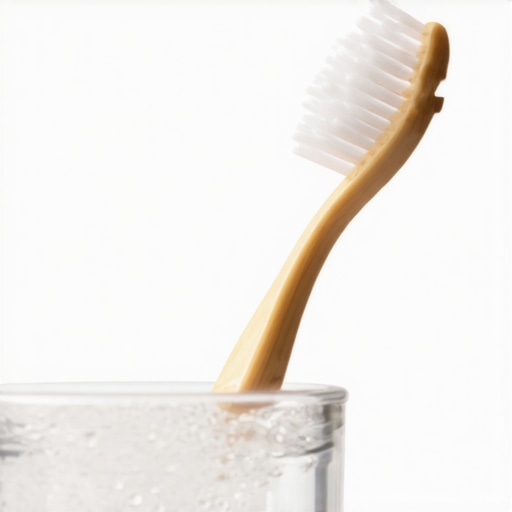
If the grit is driving you crazy, don’t reach for the scrub—reach for a rinse. A simple, lukewarm saltwater rinse can help clear away any lingering prophy paste without aggravating your gums. If you have naturally thin enamel, your dentist might even recommend the truth about fluoride treatments for adults with thin enamel as a way to seal those microscopic grooves faster. In my case, switching to a soft-bristled brush made an immediate difference. I used to think ‘soft’ meant ‘ineffective,’ but post-cleaning, it’s the only way to clean without scratching. If you are desperate to brighten your smile further, remember that the safest way to whiten teeth if you have thin enamel is to wait until the sensitivity and grit have subsided naturally. Rushing into a whitening session while your teeth feel like sandpaper is a recipe for chronic discomfort.
Look Closer at Old Restorations and Modern Solutions
Sometimes, that gritty feeling isn’t actually your teeth—it’s your old dental work. Professional cleanings are thorough, and they can sometimes reveal where an old filling or a porcelain edge has started to wear down. When the hygienist clears away the tartar that was acting as a ‘filler’ around an old restoration, you might suddenly feel a sharp or rough edge that was always there. If you realize the grit is localized to one specific spot, it might be time to investigate whether dental crowns explained the ultimate solution for damaged teeth applies to your situation. A crown can provide a perfectly smooth, durable surface that feels much more natural than a patched-up filling.
Upgrade Your Smile Strategy
If you find that your teeth are consistently rough or prone to staining between visits, you might want to look into revamp your smile top cosmetic dentistry trends for 2025. Modern techniques focus on minimally invasive ways to smooth out the enamel surface and prevent that ‘furry’ feeling from returning so quickly. I learned that my grit was a combination of tiny surface pits and a reaction to my morning coffee. By adjusting my post-care routine and occasionally using a remineralizing gel, I stopped the ‘sandpaper cycle’ entirely. The goal isn’t just to get through the day after a cleaning, but to set a foundation where your teeth stay glassy until your next appointment.
Cosmetic Dentistry Is More Than Just a Pretty Face
Most people view cosmetic work as a luxury, something you do solely for the aesthetics. However, in my years of obsessing over dental health, I’ve realized that surface integrity is where form meets function. When you feel that sandpaper grit, your brain is actually detecting micro-irregularities that can trap bacteria. If you have older composite fillings, they might be reaching the end of their life cycle. According to a study published in the Journal of Oral Rehabilitation, the surface roughness of dental materials directly correlates to how quickly plaque—and that annoying furry feeling—returns. While we often focus on the role of family dentistry in ensuring oral health for all ages, the real nuance lies in identifying when a simple cleaning isn’t enough and when you need expert cosmetic dentistry solutions to restore a truly smooth, non-porous surface.
Why Does My New Crown Feel Higher Than My Natural Teeth?
This is the most common ‘advanced’ complaint I see. You get a beautiful new restoration, but your bite feels ‘off’ or gritty in one specific spot. The trap many people fall into is waiting for it to ‘wear down.’ Don’t do this. A restoration that is even a fraction of a millimeter too high can cause localized inflammation and even lead to a fractured root. If you are debating dental crowns vs other restorations which is right for you, remember that the fit is just as important as the material. If it feels high, it means your jaw isn’t closing naturally, which is exactly why your porcelain crown feels too high when you bite down and requires a quick professional adjustment. Ignoring this can lead to the ‘leaking’ sensation where the seal isn’t perfect, and you might eventually need to learn how to tell if your dental crown is leaking bacteria before it causes a major infection.
The Hidden Danger of the One-Size-Fits-All Cleaning
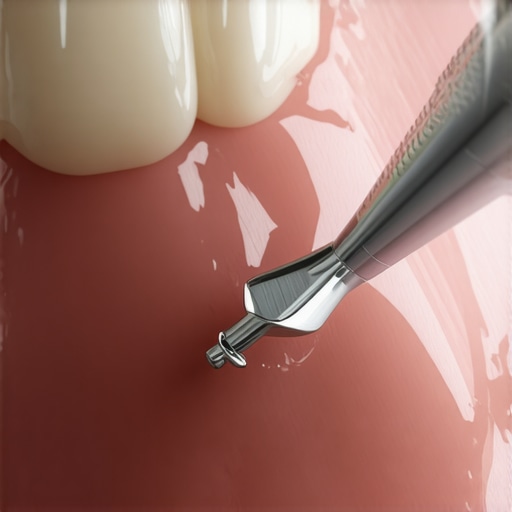
Here is a contrarian take: Not every tooth should be polished the same way. If you have a mix of natural enamel, porcelain veneers, and composite bonds, a standard prophy-jet or heavy-grit paste can actually ‘etch’ the softer materials, making them feel permanently rough over time. This is where family dentistry guide building a lifetime of healthy smiles becomes so important—your provider needs to treat each surface with a specific level of abrasivity. I once saw a patient who used a heavy-duty whitening paste on their veneers, essentially stripping the glaze and creating a permanent sandpaper texture. If you’ve been wondering about the truth about the lifespan of composite tooth-colored fillings, know that their texture is often the first thing to go. Have you ever fallen into this trap of trying to scrub away a ‘weird’ feeling only to make it worse? Let me know in the comments. Realizing that your mouth is a collection of different materials with different needs is the first step toward that permanent glassy finish.
Ditch the Scrub and Trust Your Tools
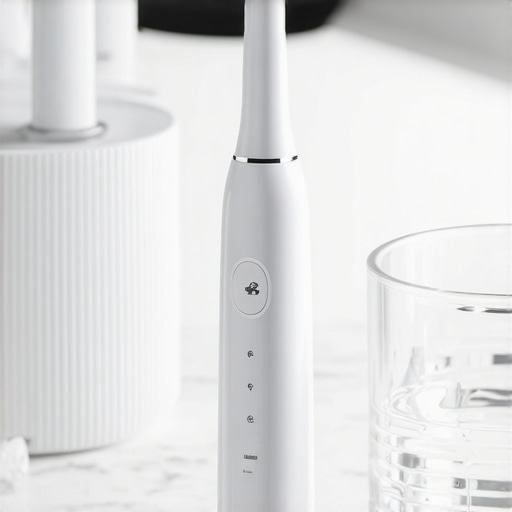
I realized that the tools I used at home were actually sabotaging my results. I used to be a ‘hard’ brusher, thinking that more force meant more clean. In reality, I was just wearing down my expensive cosmetic work. I eventually upgraded to an oscillating-rotating electric toothbrush because it does the work for you without the friction damage. According to a meta-analysis published in the Journal of Clinical Periodontology, participants using powered toothbrushes showed a 21% reduction in plaque after three months compared to those using manual brushes. This isn’t just about cleaning; it’s about preserving the surface. If you don’t keep up with your gear, specifically knowing the truth about how often you really need to replace your toothbrush, those bristles become jagged micro-saws that ruin your enamel’s shine.
How can I maintain a smooth enamel surface between appointments?
The secret isn’t a better scrub; it’s better mineral management. I started using a water flosser once a day to clear out the debris that traditional floss misses, which is a huge part of family dentistry guide building a lifetime of healthy smiles. For my kids, I made sure they started early with child-friendly dental care the foundation of good oral health to prevent that ‘gritty’ tartar from ever forming in the first place. If you are struggling with sensitivity, focus on products that contain nano-hydroxyapatite. This material actually fills in the microscopic pits in your teeth, creating a smoother surface that stains have a harder time sticking to. It’s a much better long-term strategy than constantly searching for the most effective way to whiten teeth with deep coffee stains after the damage is already done.
The Rise of High-Tech Hygiene
I believe we are moving toward a future where ‘sandpaper teeth’ will be a thing of the past. The industry is shifting toward revamp your smile top cosmetic dentistry trends for 2025, which include bio-active sealants and AI-driven cleaning tools that can detect exactly where your enamel is thinning before you even feel it. We are seeing more expert cosmetic dentistry solutions that focus on ‘pre-juvenation’—strengthening the tooth’s surface before it ever needs a crown or a filling. If you are already dealing with receding gums, it’s vital to learn how to tell if your gum recession is caused by brushing too hard so you can pivot your routine before you lose more of that precious protective layer. My advice is to stop viewing your dental visits as a ‘reset’ button and start viewing your home routine as the primary defense. Try switching to a high-quality remineralizing paste tonight and see if that ‘furry’ feeling stays away for an extra few hours tomorrow.
The Hardest Lesson I Learned About Your Teeth’s New Texture
It took me years to realize that the ‘sandpaper’ texture isn’t a sign of a bad job; it’s often the feeling of a clean slate. One of the biggest lightbulb moments I had was realizing that grit is sometimes just the truth of your enamel’s surface without the ‘buffer’ of plaque. I also learned that patience is a clinical tool. If you wait 24 hours, your saliva naturally smooths those microscopic peaks through remineralization. This shift in perspective is a huge part of how I approach family dentistry now—looking at the long-term health rather than the five-minute feel. Finally, I stopped using ‘grit’ as an excuse to scrub harder, which saved me from years of self-inflicted sensitivity.
The Only Tools I Trust to Keep the Grit Away
If you want to maintain that glass-like finish without the drama, I’ve curated a small list of non-negotiables. First, an oscillating-rotating brush is a game-changer, but you must know the truth about how often you really need to replace your toothbrush to ensure you aren’t using frayed bristles. I also frequently revisit this family dentistry guide building a lifetime of healthy smiles to keep my home routine aligned with professional standards. For those who want more than just a cleaning, looking into expert cosmetic dentistry solutions can provide the permanent smoothness that natural enamel sometimes lacks. These tools aren’t just about vanity; they are about making your daily maintenance easier and more effective.
#IMAGE_PLACEHOLDER_E#
Time to Trust the Process and Your Smile
You don’t have to settle for a mouth that feels like it’s been through a rock tumbler. By understanding the biology of your enamel and trusting the experts in family dentistry, you can navigate the post-care window with confidence. Your smile is a living, breathing part of your overall health—treat it with a little patience today, and it will reward you with a lifetime of glassy smoothness tomorrow. Don’t let a few hours of sandpaper feel discourage you from the incredible progress you’ve made at the clinic. Have you ever felt that weird ‘brick’ texture after a cleaning, and how long did it take to go away? Let me know in the comments below!