I remember the exact Tuesday evening I realized my daughter was part shark. We were brushing her teeth, and as she tilted her head back to gargle, I saw them: two jagged, permanent-looking teeth sprouting directly behind her perfectly aligned bottom baby teeth. My stomach dropped. I immediately spiraled into thoughts of complex surgeries and five-figure orthodontic bills. It felt like a parenting failure, like I’d missed some crucial window of dental intervention. If you are staring into your child’s mouth right now and seeing a double row of enamel, take a deep breath. It is a startling sight, but it is far more common than you think. Today, I want to share what I learned during that frantic week of research and how child-friendly dental care can make this entire process way less scary than it looks on Google.
My Panic Attack Over a Double Row of Teeth
When I first saw those ‘shark teeth,’ I made a classic rookie mistake: I tried to forcefully wiggle the baby teeth out myself. I thought if I could just get the old teeth out of the way, the new ones would magically slide forward. I was wrong. All I did was cause my kid a lot of unnecessary discomfort and a little bit of bleeding. The reality is that the human body has its own timeline for why those baby teeth aren’t falling out, and sometimes the adult teeth just get impatient.
Is This Actually Worth an Emergency Dentist Visit?
You might be wondering if you need to drop everything and rush to the clinic. In most cases, the answer is no. According to the American Association of Orthodontists, this phenomenon occurs in about 10% of children and often resolves itself as the tongue naturally pushes the permanent teeth forward. It’s a bit of a waiting game. However, I’ve found that the role of family dentistry is vital here just to keep an eye on the spacing. Have you ever looked in your kid’s mouth and felt that sudden jolt of ‘is this normal?’ tell me in the comments, because I felt like I was the only one!
The Real Reason Nature Gets Confused
Usually, the adult tooth is supposed to dissolve the root of the baby tooth as it climbs up, eventually causing the baby tooth to fall out. But sometimes, the permanent tooth misses its mark and takes a ‘detour’ behind the baby tooth. This leaves the baby tooth’s root fully intact and firmly planted. It’s one of those quirks of growth that we cover in our family dentistry guide. We’re going to look at the three specific signs that mean you actually do need to call the professional, but first, let’s talk about why the tongue is your child’s best friend in this scenario.
How to Handle the Double Row Without Panicking
The first thing you need to do is stop viewing those ‘shark teeth’ as a deformity and start seeing them as a space management issue. The tongue is actually a powerful muscle that acts like a natural orthodontic appliance. Every time your child speaks or swallows, their tongue exerts pressure on the back of those permanent teeth, nudging them forward toward their rightful spot. To help this process along, you should follow these caring for your child’s teeth essential family dentistry tips by encouraging active wiggling. I’m not talking about you sticking your hands in their mouth; I mean teaching them to use their own tongue or a clean finger to gently rock the baby tooth back and forth several times a day. 
The Corn on the Cob Method
I remember when my daughter Sophie’s teeth were stuck in that stubborn double-row phase. I was so worried about why your child’s baby teeth are not falling out on schedule that I almost banned all hard foods for fear of her choking on a loose tooth. Instead, our dentist suggested the opposite: crunchy, resistant foods. That night, I served corn on the cob. It was messy, and there was a tiny bit of pink on the cob when she was done, but the mechanical action of biting into something firm did more for loosening that baby tooth than a week of my hovering. It provides the right kind of leverage that soft foods just can’t match.
When Natural Wiggling Isn’t Enough
Sometimes, despite the corn on the cob and constant wiggling, the baby tooth refuses to budge because the root hasn’t dissolved at all. This is where the role of family dentistry in ensuring oral health for all ages becomes crucial. If the baby tooth is as solid as a rock and the permanent tooth is already fully erupted (meaning it’s the same height as the others), nature might need a little nudge. You should also be looking for how to tell if your child is ready for their first orthodontic checkup if the crowding is causing the permanent teeth to rotate significantly.
Look for These Three Red Flags
You don’t need an emergency appointment for every shark tooth, but you should call the office if you notice any of these three things. First, check for extreme ‘wiggle pain.’ If the tooth is loose but it hurts too much for the child to eat or brush, it can lead to gum inflammation. Second, look for a ‘stuck’ tooth. If the baby tooth hasn’t moved at all in two months while the permanent tooth continues to grow, the root is likely intact. Third, watch for gum changes. If the gums around the area are turning purple or look heavily swollen, it’s time for a professional to step in and potentially perform a simple extraction to clear the path. Unlike adult procedures like dental crowns vs other restorations which is right for you, these pediatric fixes are usually over in minutes and prevent years of alignment issues later on.If you’ve reached this point, you’re likely past the initial shock and looking for the ‘catch.’ One of the biggest myths I see floating around parenting forums is that ‘shark teeth’ are a direct ticket to five years of braces or that they require an immediate extraction. In reality, rushing to extract a baby tooth the second you see a white tip behind it can be a major ‘oops’ factor. If we pull teeth too early before the jaw has naturally widened, we sometimes rob the mouth of the structural guidance it needs. I’ve seen parents insist on extractions only to find that the permanent tooth still didn’t move because the issue wasn’t the baby tooth, but a lack of space in the arch.
Why do some teeth fail to resorb even when the path is clear?
While we usually blame the ‘detour’ the adult tooth took, sometimes the biological signaling just fails. A study published in the International Journal of Paediatric Dentistry highlights that the root resorption process is a complex cellular dance; if the permanent tooth isn’t positioned perfectly beneath the primary tooth’s root, the chemical signals to ‘dissolve’ never reach their target. This is where the role of family dentistry shifts from observation to intervention. 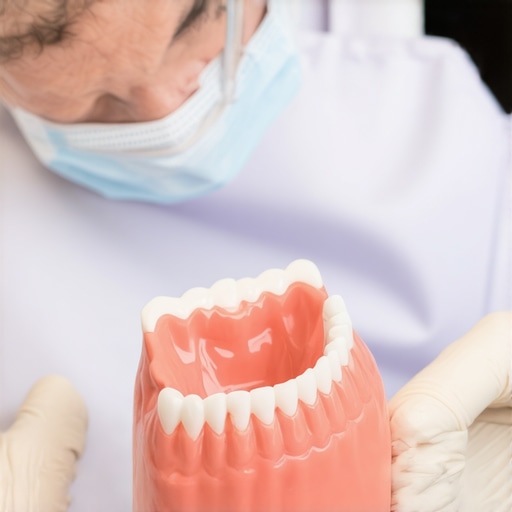
The extraction trap that might do more harm than good
Everyone tells you to get them pulled, but in my experience, patience often works better for long-term alignment. If you pull a tooth prematurely, you risk the neighboring teeth tilting into the vacant space. This creates a ‘logjam’ that makes revamp your smile strategies much more complicated later on. It’s also important to consider the impact of mouth breathing on your child’s dental development, as airway issues can narrow the palate and make ‘shark teeth’ look far more crowded than they actually are. Another common trap is ignoring gum hygiene during this ‘double row’ phase. Because those two rows of teeth create a tiny canyon where food gets trapped, I’ve seen cases where kids develop localized gingivitis before the baby tooth even falls out. This is why caring for your child’s teeth essential family dentistry tips must include focused brushing in that specific ‘shark alley.’
Stop obsessing over the teeth and look at the jaw
When you’re looking at those double rows, don’t just focus on the enamel. Look at the shape of the gums and the width of the smile. Sometimes, what looks like a ‘shark tooth’ problem is actually a ‘small jaw’ problem. While transform your look with expert cosmetic dentistry solutions are great for adults, children need functional space. If you notice why your child’s teeth are coming in with white spots or significant crowding, it might be time to discuss palatal expanders rather than just pulling teeth. Have you ever fallen into the trap of thinking every dental oddity needed an immediate ‘fix’? Let me know in the comments.
The One Tool That Actually Saves My Sanity in Shark Alley
After spending more hours than I care to admit peering into Sophie’s mouth with a cell phone flashlight, I realized that a standard toothbrush is basically a blunt instrument in this scenario. If you want to keep the area clean while those double rows exist, you need an end-tuft brush. It looks like a tiny, pointed paintbrush and is the only tool I’ve found that can actually navigate the ‘canyon’ between the baby and adult teeth. This is a vital part of caring for your child’s teeth essential family dentistry tips because a regular brush head is simply too wide to reach the lingual side of the baby tooth and the facial side of the new adult tooth simultaneously. This is why why your child needs a professional cleaning even with perfect brushing during this transition; even with my best efforts, some plaque always seems to hide in those tight overlaps.
How do I maintain my child’s dental alignment over time?
Consistency during the ‘mixed dentition’ stage—when they have both baby and adult teeth—is everything. You aren’t just looking for new teeth; you are looking for how the whole arch is expanding. I’ve started using a simple dental mirror (you can get them for a few dollars) to check the backs of her teeth every Sunday. It helps me see if the adult teeth are successfully migrating forward or if they are getting stuck. If things look stalled, I don’t wait for the six-month checkup. We talk about the role of family dentistry in preventing future crowding before it requires a five-figure fix. 
Why Modern Tech is Replacing My Flashlight and Panic
Looking ahead, I suspect we are moving toward a world where AI-driven smartphone apps will allow us to scan our kids’ mouths and get real-time feedback on tooth eruption patterns. This kind of ‘teledentistry’ is already surfacing in orthodontic circles. Dr. Kevin J. Donly, a past president of the American Academy of Pediatric Dentistry, has frequently emphasized that early intervention can significantly reduce the complexity of future treatments. For instance, catching a ‘stuck’ tooth early might mean the difference between a simple wiggle and eventually needing dental crowns explained the ultimate solution for damaged teeth if a tooth erupts so poorly it damages its neighbor. We also need to understand understanding dental crowns when and why they are needed even in older children who might have developmental enamel issues. My best advice? Buy an end-tuft brush tonight and spend five minutes really looking at the ‘valley’ between those two rows—it’s the best way to prevent a cavity before the tooth is even fully in place.
The Survival Secrets No One Mentions When the Second Row Appears
After living through the ‘shark tooth’ phase with my own kids, I’ve realized that the most stressful part isn’t the dental alignment—it’s the waiting game. I learned that nature doesn’t work on a school-picture-day schedule. Sometimes a tooth is ready to fall out, but the root is stubborn, and that’s when understanding why your child’s baby teeth are not falling out on schedule saves you from unnecessary worry. I also discovered that ‘shark teeth’ often show up in clusters; if it happens once, be prepared for the next set of molars to do the same. Lastly, I stopped assuming that every weird spot was a cavity. Sometimes, why your child’s teeth are coming in with white spots is actually just a sign of developmental enamel changes during this transition.
The Simple Tools That Actually Work When Wiggling Fails
You don’t need a medical degree to help this process along, but you do need the right toolkit. My first recommendation is the ‘Resistance Diet’—think thick crusts of bread and whole apples. These force the baby tooth to pivot in its socket, which is much more effective than just finger wiggling. Secondly, I suggest a soft-bristled electric toothbrush. The vibration does a fantastic job of gently stimulating the gums and loosening the attachment of a lingering primary tooth. #IMAGE_PLACEHOLDER_E# Third, if you’re ever in doubt, a quick consult about how to tell if your child is ready for their first orthodontic checkup can provide the peace of mind that a Google search never will.
Trust the Process and Keep the Toothbrush Moving
It is easy to get caught up in the aesthetics of a double row of teeth, but the big picture is about long-term health and functional space. By leaning into caring for your child’s teeth essential family dentistry tips, you are setting the stage for a healthy adult smile, regardless of how messy the transition looks today. Your child’s body knows what it’s doing, and with a little patience and professional oversight from your family dentistry provider, those shark teeth will eventually be nothing more than a funny story in the baby book. Have you noticed your child’s permanent teeth appearing before the baby teeth have even started to wiggle? Let me know your experience in the comments below!