Imagine this: It’s 11:30 PM on a Friday. You’re finally drifting off when—bam—a rogue archwire decides it wants to make a permanent home in your inner cheek. It’s sharp, it’s annoying, and it feels like a tiny dagger. I remember my first month with braces. I was so frustrated by a poking wire that I actually considered using a pair of rusty craft pliers from the garage. Spoiler alert: do not do that. It’s a classic mistake that could lead to much bigger problems, like needing dental crowns later if you accidentally chip your enamel in the process. We have all been there, staring at the bathroom mirror, wondering why our mouth suddenly feels like a construction zone. Today, I’m going to share the exact steps I took to get through the night without losing my mind. We will cover the tools you actually have in your junk drawer that are safe to use and how to tell if you need to contact a professional immediately.
Stop the Bleeding and the Frustration Right Now
In my early days of navigating family dentistry, I learned the hard way that panicking makes it worse. I once tried to chew through the wire (yes, really) and only succeeded in making my gums bleed. According to the American Association of Orthodontists, true emergencies are rare, but patient-managed discomfort is the number one reason for after-hours calls. This means you are empowered to handle the small stuff. Knowing how to fix a sharp wire poking your cheek at home isn’t just about comfort; it’s about saving your sanity so you can actually sleep.
Is it actually safe to fix this without a pro?
You might be worried that touching anything will ruin your orthodontic progress or that you’ll end up needing cosmetic dentistry solutions to fix a mistake. I get it. But most of these little tweaks are perfectly safe. I once spent a whole weekend miserable because I thought I wasn’t allowed to move the wire back. Trust me, your comfort matters just as much as the alignment. If you’re also dealing with other issues, like gums that throb when you lay down, it’s all part of the same puzzle of oral health that we can solve.
Why These Midnight Disasters Always Happen on Weekends
It feels like a universal law: dental issues only strike when the office is closed. Whether it’s a wire snag or a loose bracket before a wedding, the timing is never convenient. When I was younger, I thought these snags meant my teeth were moving too fast. In reality, as your teeth align, the wire often grows out the back of the last bracket. It is actually a sign of progress, even if it feels like a punishment. Have you ever woken up in a cold sweat because of a dental mishap like this? Let me know—I promise you aren’t alone. Dealing with the discomfort can be tough, especially if you’re already sticking to soft foods for sore braces just to get through the day. Let’s look at the actual fixes.
Dry Your Cheek Before You Reach for the Wax
The most common mistake people make is trying to apply orthodontic wax to a wet surface. It is like trying to stick a Post-it note to the bottom of a swimming pool. I once tried to glob wax onto a soaking wet molar while half-asleep, only to have it slide right off and disappear somewhere in my pillowcase. Learn from my soggy mistake: if it’s not bone-dry, nothing sticks. Take a cotton swab or a clean paper towel and pat the area around the wire until it is completely dry. This ensures the wax actually creates a barrier between the metal and your cheek. If you are teaching a younger sibling or child, these are essential family dentistry tips to keep in mind, as kids often have higher saliva flow. Once dry, roll a small pea-sized piece of wax between your fingers to warm it up, then press it firmly over the sharp end. 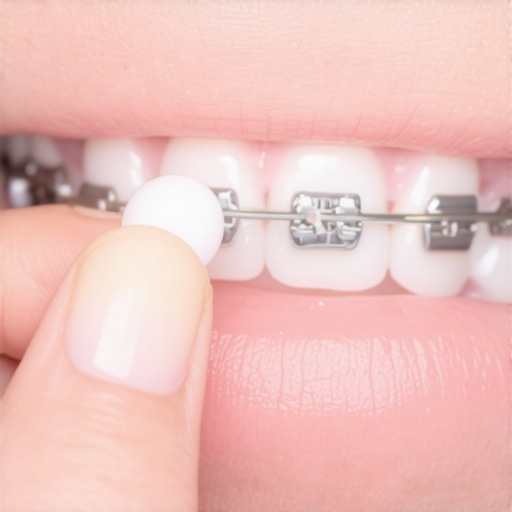
Nudge the Wire Back Into Place with a Pencil Eraser
If the wire has just slid out of position rather than growing longer, you can often push it back. Think of your archwire like a curtain rod; sometimes it just needs to be centered. Grab a clean pencil with a fresh eraser. Use the eraser to gently push the end of the wire back toward the bracket or tuck it away from your cheek. The rubber provides enough grip to move the metal without the risk of slipping and gouging your gums. This feeling of a sharp object is similar to why your new filling feels sharp to your tongue, where a tiny misalignment creates massive discomfort. If the wire is too stiff to move, do not force it. You want to avoid putting enough pressure to pop a bracket off, which would definitely require you to contact a professional on Monday morning.
The Nuclear Option When the Wire is Way Too Long
Sometimes a wire is simply too long to be tucked or covered. This usually happens as your teeth shift and the extra wire protrudes out the back. If you are in genuine pain and wax isn’t helping, you can use a pair of sterilized nail clippers or small wire cutters. This is the ‘break glass in case of emergency’ move. I had to do this once during a camping trip, and the relief was instant, though my hands were shaking the whole time. Wipe the clippers with rubbing alcohol first. Have someone hold a flashlight and use a piece of gauze to catch the tiny piece of wire so you don’t swallow it. Much like the safe way to use toothpicks without damaging gums, precision is everything here. Snip the wire as close to the bracket as possible.
Soothe the Damage with a Simple Rinse
Once the source of the poking is managed, you still have to deal with the scratch it left behind. Your mouth heals incredibly fast, but it needs a clean environment. Mix a half-teaspoon of salt in warm water and swish it around. This is a staple in child-friendly dental care because it’s non-toxic and effective at reducing inflammation. If the cut is deep, avoid spicy or acidic foods for 24 hours. This rinse also helps if you’re worried about infection or general irritation while waiting for your next appointment. Managing these small hiccups is a core part of ensuring oral health for all ages, as it prevents minor scratches from becoming painful ulcers.While these quick fixes keep you sane on a Saturday night, there is a deeper layer of dental care that most people overlook. In my years of obsessing over oral health, I have realized that the biggest trap is not the wire itself; it is the belief that absence of pain equals absence of a problem. People often think if they can mask the poke or ignore a loose bracket, they are safe. But the nuance here is that your teeth are under constant micro-pressure. A huge mistake I see is people waiting to contact a professional because it does not hurt yet. I have seen cases where a tiny gap between a crown and the gumline—something that felt totally fine—led to the real cost of delaying a necessary dental crown being much higher than expected. Research published in the Journal of the American Dental Association (JADA) indicates that secondary caries, or decay under an existing restoration, is the leading cause of crown failure. Often, you will not feel a thing until the tooth is unsalvageable.
Can a Dental Crown Fail Without Hurting?
The short answer is a resounding yes. We tend to associate dental success with a lack of throbbing, but how to tell if your crown needs to be replaced immediately often involves looking for subtle visual cues like why your gum line looks dark around an old crown. If you assume everything is fine because you have stopped the poking, you might be missing a structural issue. Have you ever fallen into this trap of ignoring a small change just because it was not painful? Let me know in the comments. Then there is the Super Glue catastrophe. I cannot stress this enough: never, under any circumstances, use household adhesives in your mouth. The danger of using super glue to fix a broken crown is not just about the toxicity; it is about the fact that you are sealing bacteria into a porous surface. It turns a simple family dentistry guide visit into an emergency extraction.  People also misunderstand the goal of transform your look with expert cosmetic dentistry solutions. It is not just about vanity. Advanced cosmetic dentistry innovations to watch are actually about restoring the bite or the mechanical function of your mouth. A perfectly aligned tooth is not just pretty; it is easier to clean and less likely to cause why your jaw clicks every time you yawn. We have to stop thinking of cosmetic and functional as two different categories. In high-level ensuring oral health for all ages, they are exactly the same thing. If you are noticing the reason your teeth look transparent at the bottom edges, that is a functional warning sign of acid erosion, not just a cosmetic fluke. Real expertise means seeing these patterns before they become midnight emergencies.Once you have moved past the emergency phase, the real work begins in the maintenance zone. I spent years thinking my job was done once the braces were off or the crown was seated, but that is where most people fail. You need a toolkit that is more sophisticated than a basic plastic toothbrush. My personal game-changer was switching to the Waterpik Aquarius. I chose this specific model because of the specialized orthodontic tip that features tapered bristles to sweep away plaque from brackets and wires while the water pressure flushes out the debris. A study in the Cochrane Database of Systematic Reviews highlights that while traditional flossing is the gold standard, many patients simply do not do it correctly or often enough. Using a water flosser bridges that gap by making the process less of a chore. If you are struggling with a complex setup, like a bridge, finding the best routine for cleaning under a dental bridge is not just a suggestion; it is a requirement to prevent the structure from failing.
Ditch the String and Get a Water Flosser Already
Traditional string floss is great, but when you have a mouth full of metal or porcelain, it is a logistical nightmare. I remember crying out of frustration trying to thread floss through a tiny gap at 7 AM. This is where interdental brushes, like the GUM Proxabrush, come in. I use these specifically for the tight spots around the base of my crowns where the gum meets the restoration. It catches the film that even a high-powered water flosser might miss. This attention to detail is what separates a crown that lasts 5 years from one that lasts 20. If you are dealing with a permanent fixture, check out dental crowns explained: the ultimate solution for damaged teeth to understand why that marginal seal is so critical. 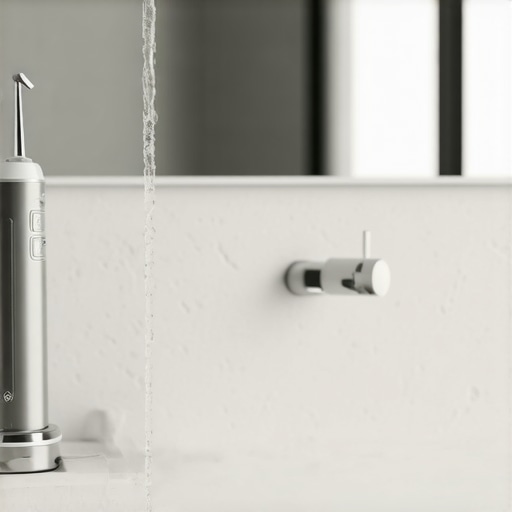
How do I maintain these results for the next decade?
Long-term success is about consistency and using the right tech. I predict that within the next five years, we will see smart crowns equipped with micro-sensors that can detect changes in acidity or bacterial load before a cavity even forms. This would be a massive leap in top cosmetic dentistry trends for 2025 and beyond. Until then, you need to rely on diagnostic tools. Sometimes, even with the best home care, something feels off. This is why your Culpeper dentist might need a 3D scan to find hidden tooth pain; these scans show us the internal structure in a way a physical exam never could.
Why Your Manual Toothbrush is Letting You Down
A manual brush relies entirely on your technique, and let us be honest, we all get lazy. I switched to an electric brush with a pressure sensor because I was scrubbing so hard I was actually wearing down my enamel. If you use a retainer, you also have to worry about buildup there. I learned the secret to cleaning your teeth while wearing a retainer is using a dedicated ultrasonic cleaner rather than just brushing it with toothpaste, which can be abrasive. My advanced tip for you today: buy a pack of variety-sized interdental brushes and spend five minutes tonight finding which size fits each gap in your teeth. It is a tiny investment that pays off in massive health dividends. If you find a spot that bleeds every time, do not ignore it; it is time to contact a professional for a deeper look.
Why I Stopped Ignoring the Tiny Red Flags in My Mouth
Over the years, I’ve realized that the biggest lightbulb moment in dental care isn’t about the surgery; it’s about the silence. I once let a tiny sensitivity go for six months because I was too busy, only to find out the real cost of delaying a necessary dental crown was a root canal I could have avoided. Another lesson? Your gums are the foundation. If they aren’t healthy, even the most expensive cosmetic dentistry solutions won’t last. I also learned that good enough brushing is a myth; you either clean the plaque or you invite the decay. Finally, don’t be afraid of the technology. Modern tools are there to see what we can’t, helping you avoid long-term damage.
The Only Gear You Actually Need to Avoid Midnight Pain
I don’t believe in buying every gadget on the shelf, but three things are non-negotiable for me. First, a high-quality water flosser—it reaches where string simply cannot, especially with braces. Second, I keep a stash of interdental brushes for those stubborn spots around the base of a bridge or crown. Third, never underestimate the power of a simple salt-water rinse; it’s the most underrated tool in family dentistry for calming irritated tissue before it turns into a bigger problem. I trust these tools because they prioritize the mechanics of cleaning over marketing hype. #IMAGE_PLACE_HOLDER_E#
Your Path to a Lifetime of Healthy Teeth Starts Tonight
Orthodontic mishaps like a poking wire are just small bumps in the road toward a beautiful, functional smile. By staying proactive and knowing how to fix a sharp wire poking your cheek at home, you take the power back from the panic. Oral health is a marathon, not a sprint, and you’re doing great just by being informed. Don’t let a tiny piece of metal discourage you from the goal of lifelong ensuring oral health for all ages. Have you ever managed a dental emergency at home without panicking? Let me know below.