I remember sitting on my porch last October, nursing a steaming mug of black coffee. One sip, and—BAM. It felt like a lightning bolt struck my jaw. I nearly dropped my favorite mug. But here’s the weird part: I could chug a glass of ice water ten minutes later without a single twinge. I figured it was just a fluke, maybe some temporary gum irritation. Man, was I wrong. If you are currently wincing every time you take a sip of soup but feeling fine with your morning smoothie, you aren’t losing your mind. You are dealing with a very specific, and often more serious, type of dental sensitivity. Today, I’m going to walk you through exactly what that heat-only pain means and how to handle it before you end up in an emergency chair.
Your Tooth Nerve Is Sending a Distress Signal
When I first felt that zing, I made the classic mistake of assuming it would just go away. I thought that because I didn’t need to tell if my toothache was a cavity or just sensitivity to cold, I was in the clear. I waited six months, and by then, the issue had progressed significantly. Most of us are used to that sharp, fleeting chill from ice cream, but heat is different. Heat causes the gases inside a decaying tooth to expand, putting immense pressure on the nerve. According to the American Association of Endodontists, lingering sensitivity to heat can often be a sign that the pulp inside your tooth is damaged or dying.
Is this really worth the dental bill?
I get it. Life is busy, and dental visits aren’t exactly a spa day. You might be wondering if you can just switch to iced coffee and call it a day. But heat sensitivity is often a smoke alarm for something like an abscess or a hidden crack in your tooth. When I finally went in, I realized that ignoring it only made the eventual fix more complex. Whether you need a simple filling or are looking at understanding dental crowns to save the structure, catching it early is the only way to stay out of pain. Have you ever had a tooth that only acted up during a hot dinner but was silent for dessert? I’d love to hear how long you waited before you finally sought help!
What Your Hot Sips Are Actually Telling You
This isn’t just about avoiding your favorite tea; it’s about what is happening under the enamel. Often, this heat-specific reaction points toward the need for reliable family dentistry to diagnose deep-seated inflammation. In my case, it wasn’t just a cavity—the nerve was actually struggling to survive. If you ignore this, that dull ache can turn into a throbbing nightmare overnight. We are going to dive into the immediate steps you can take at home to manage the discomfort while you wait for your appointment.
Immediate Actions to Lower the Internal Pressure
If you’re currently in the middle of a flare-up, your first priority is de-escalating the internal environment of that tooth. Think of your tooth like a tiny, organic pressure cooker. When you introduce heat—whether it is from a latte or a bowl of chili—the gases trapped within the decaying or infected pulp begin to expand rapidly. Because the hard enamel doesn’t stretch, that pressure has nowhere to go but down, directly onto your nerve. The immediate fix is straightforward but requires discipline: you must stop the thermal cycle. Switch to lukewarm or slightly cool liquids immediately. I found that even holding a slightly cool (not ice-cold) mouthful of water for thirty seconds can help dissipate some of that internal heat and bring the pulse in the tooth back down to a manageable level.
Manage the Temperature Shift at Home
While you are waiting for your appointment, avoid the temptation to test the tooth. I remember constantly tapping my tooth with a hot spoon just to see if the pain was still there—spoiler alert: it was, and it made the subsequent ache last for hours. Instead, focus on keeping the surrounding gums calm. If you have also managed to irritate your mouth by drinking too quickly, you might need to know how to soothe a burnt tongue from hot coffee fast so you aren’t dealing with two types of pain at once. Stay away from sticky or hard foods that might put physical pressure on a tooth that is already structurally compromised.
The Diagnostic Tools That Actually Find the Root Cause
When you finally sit in that chair, the dentist will perform what is called a thermal test. My dentist used a small, heated instrument to touch the specific tooth I was worried about. When the pain lingered for more than fifteen seconds after the heat was removed, she knew the pulp was irreversibly inflamed. But sometimes, a physical exam isn’t enough to see the full extent of the damage hidden beneath the gum line or inside the root canals. This is where advanced imaging comes into play. Traditional 2D X-rays are great for finding cavities between teeth, but why your Culpeper dentist might need a 3d scan to find hidden tooth pain becomes clear when you need to see the exact shape of the roots or the presence of a hidden abscess. 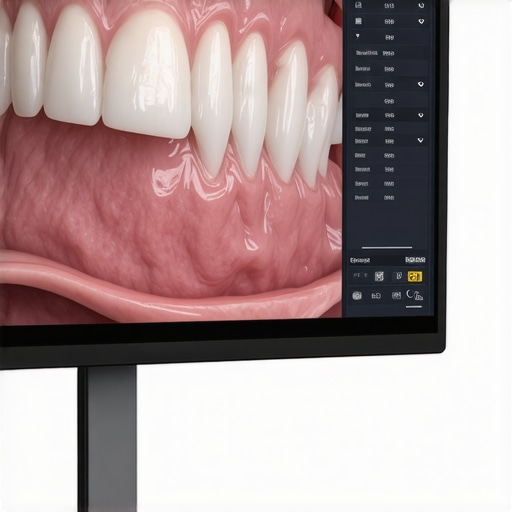
Why 3D Scans Reveal What Traditional X-rays Miss
A 3D scan allows the dentist to rotate the image of your jaw, looking at the tooth from every conceivable angle. In my case, the scan revealed a tiny accessory canal that was harboring bacteria, which the standard X-ray completely missed. This level of precision ensures that the treatment plan—whether it’s a root canal or a simple filling—is actually going to solve the problem the first time around. It removes the guesswork that often leads to repeated visits and mounting costs. Many patients find that seeing the infection on a screen makes the decision to proceed much easier.
The Best Restorative Options for Lingering Pain
If the damage is localized to the top of the tooth, or if a root canal was required to stop the heat sensitivity, you will need a way to protect the remaining structure. When weighing dental crowns vs other restorations, the crown is almost always the superior choice for heat-related issues. It acts as a full-coverage insulator. Think of it like putting a high-quality thermal sleeve over a sensitive pipe. It prevents the heat of your morning brew from ever reaching the sensitive interior parts of the tooth again. If you have been putting this off, you should be aware of the real cost of delaying a necessary dental crown. What starts as a simple heat twinge can quickly evolve into a vertical fracture that makes the tooth impossible to save. While you are going through this process, you can still maintain your lifestyle; there are plenty of ways to learn how to keep your teeth white if you drink coffee every day without compromising the integrity of your new dental work.
A lot of people think that once a crown is seated, the job is done. They treat it like a ceramic suit of armor that requires zero maintenance. But here is the contrarian truth: a crown is only as good as the seal at the gum line and the health of the bone supporting it. I have seen folks spend a fortune on expert cosmetic dentistry solutions, only to ignore a slight ‘tight’ feeling in the morning. This brings us to a major expertise nuance: heat sensitivity isn’t always about a hole in the tooth; sometimes, it is about the ligament being traumatized by your own jaw. If you are waking up and wondering why your crown feels tight when you wake up, you might actually be grinding your teeth into a state of chronic inflammation that mimics a deep infection.
The High Spot Trap That Ruins Restorations
The biggest mistake I see—the ‘oops’ factor that costs thousands—is ignoring a crown that feels just a fraction of a millimeter too high. You might think you will ‘wear it down’ or get used to it. You won’t. A ‘high’ restoration acts like a tiny hammer, hitting that sensitive nerve every time you chew. This constant trauma can cause the pulp to become hypersensitive to temperature changes, leading you to believe you need a root canal when you actually just need a bite adjustment. According to research published in the Journal of Endodontics, mechanical trauma from an improper bite can lead to ‘symptomatic apical periodontitis,’ which feels almost identical to a heat-driven infection. If you don’t catch this, you might end up wondering about the real reason your porcelain crown keeps chipping, when the culprit was your alignment all along.
Can You Actually Reverse This Nerve Inflammation?
This is where the real expertise comes in. Not all heat sensitivity is a death sentence for the tooth. We distinguish between ‘reversible’ and ‘irreversible’ pulpitis. If the pain vanishes the second the heat source is removed, we might be able to save the nerve by removing the decay and using a sedative filling. However, if that pain lingers like a bad memory for minutes after you swallow your soup, the nerve is likely on its way out. This is why dental crowns vs other restorations is such a critical debate; a crown provides the thermal insulation needed to give a ‘stressed’ nerve a chance to calm down. In my experience, people wait until the pain is constant, which robs them of the chance to choose a less invasive fix.
The Longevity Myth of Cosmetic Fixes
We often see patients who want to revamp your smile with the latest trends, but they forget that the mouth is a living, changing environment. A crown isn’t just about the porcelain; it is about the ‘biological width’—the specific amount of space between the edge of the crown and the bone. If a dentist ignores this, your gums will remain permanently red and swollen, no matter how much you floss. This is why reliable family dentistry focuses on the health of the tissue first. Even when looking at child-friendly dental care, we are setting the stage for how these adult structures will eventually fit. Have you ever fallen into the trap of thinking a dental fix was ‘one and done’ only to have it act up a year later? Let me know in the comments; I’d love to help you figure out what might have gone wrong with your restoration’s seal or fit.
If you want that five-star restoration to last more than a few years, you have to upgrade your toolkit. I used to be a string-floss purist until I realized that standard floss often misses the tiny shelf where a crown meets the natural tooth. Now, I swear by a high-pressure water flosser. Why? Because it flushes out the sulcus—that little pocket of gum—where bacteria love to hide and cause the decay that leads to crown failure. If you’ve been wondering why your gum line looks dark around an old crown, it is often because bacteria have started to compromise that seal. Using a water flosser daily is the single best way to ensure dental crowns explained as a permanent solution actually stay permanent.
How do I maintain my dental investment over time?
Maintenance isn’t just about what you do at home; it is about the specificity of your professional cleanings. I always ask my hygienist to use an ultrasonic scaler on a lower setting around my porcelain work. Traditional metal scrapers can actually create micro-scratches on the surface of expert cosmetic dentistry solutions, which then pick up stains faster. According to Dr. Gordon Christensen of the Clinicians Report, the longevity of a restoration is directly tied to the precision of the marginal fit and the patient’s ability to maintain a neutral pH in the mouth. This is where essential family dentistry tips aren’t just for kids; they are the blueprint for adult oral health too.
Digital scans make physical molds extinct
The future of this field is moving toward 100% digital workflows. We are seeing a shift where AI-driven software analyzes your bite in real-time to design a crown that fits perfectly on the first try. This means no more high spots and no more wondering how to fix a temporary crown that feels too high. You should keep an eye on cosmetic dentistry innovations to watch, specifically 3D printing, which will eventually allow for same-day permanent restorations in almost every office. If you have a bridge, you need to master the best routine for cleaning under a dental bridge using interproximal brushes, which are much more effective than standard brushes at reaching the pontic or the fake tooth area.
I challenge you to do this one thing tonight: take a high-resolution photo of your smile with your phone’s flash on. Zoom in on the gum line of any existing dental work. If you see any gray shadows or tiny gaps, don’t wait for the heat sensitivity to kick in. Reach out via our contact us page to get a professional eyes-on look before a small gap becomes a big problem. Catching a leaking crown now can save you the cost of a full replacement later.
Lessons from the Other Side of the Dental Chair
Pain is a messenger, not an enemy. If I had listened to that first ‘zing’ from my coffee last year, I could have saved myself months of anxiety. Heat sensitivity is almost never ‘nothing.’ While cold sensitivity can sometimes be attributed to thin enamel or receding gums, heat usually indicates that the internal pressure within the tooth is rising due to inflammation or infection. A restoration is a fresh start, but it’s not a ‘get out of jail free’ card. You still have to protect the foundation of your oral health by following a family dentistry guide building a lifetime of healthy smiles. I’ve learned that being proactive isn’t just about saving teeth; it’s about saving your peace of mind and your budget.
A Few Things That Make Maintenance Way Easier
Once you’ve addressed the immediate pain, you need a strategy to keep it from coming back. Here are the tools and habits I personally trust to keep my smile stable:
- A High-Pressure Water Flosser: This is non-negotiable for anyone with crowns or bridges. It is the best defense when learning how to tell if your crown needs to be replaced immediately because it prevents the bacterial buildup that causes margins to leak.
- A Dedicated Family Practice: Having a go-to professional for the role of family dentistry in ensuring oral health for all ages means you have a clinical history they can refer to whenever a new sensation pops up.
- The Monthly Flashlight Check: Once a month, use your phone’s camera and flash to look at your gum line in the mirror. Catching a tiny gray shadow early can be the difference between a simple repair and a full replacement.
Take Back Your Morning Latte
Don’t let the fear of a potential bill or a long appointment keep you from enjoying your daily rituals. Whether you need dental crowns explained by a pro or just a simple bite adjustment to stop the throbbing, modern dentistry is faster and more comfortable than it has ever been. You deserve to drink your favorite hot brew without wincing in anticipation of a lightning bolt to the jaw. Trust your instincts, take the first step, and get back to the flavors you love. #IMAGE_PLACEHOLDER_E# Have you ever ignored a tiny tooth twinge only to have it turn into a full-blown emergency on a holiday weekend? Tell me your story in the comments below!