It happened at 2:14 AM on a rainy Tuesday. One minute I was dreaming of vacation, and the next, a sharp, white-hot pulse in my lower right molar made me bolt upright in bed. My jaw felt like it was being squeezed in a rusty vice. I didn’t have a dentist on speed dial, and let’s be honest, even if I did, they weren’t answering the phone in the middle of the night. I remember pacing the kitchen floor, clutching an ice pack, and feeling absolutely helpless. I’d made the classic mistake of ignoring a dull twinge for weeks, thinking it was just simple sensitivity instead of a brewing cavity. I even considered some DIY ‘fixes’ I’d seen online—thankfully, I knew better than to try using super glue on a loose crown or some other household disaster. That night taught me one thing: tooth pain is a special kind of torture that doesn’t care about your schedule. But I also learned that you don’t have to just suffer in silence until Monday morning. Today, I’m going to share the triage steps I’ve picked up over the years to keep your sanity (and your tooth) intact until you can get into a chair.
My 2 AM Nightmare with a Throbbing Molar
The reality is that most dental emergencies don’t happen during business hours. Whether it’s a cracked tooth while you’re traveling or a sudden abscess, the panic is often worse than the ache itself. You start wondering if you’re going to lose the tooth or if the infection is spreading to your brain. It’s easy to spiral. I remember sitting on my bathroom counter, peering into the mirror with a flashlight like some amateur detective, trying to find a crack or a hole. I was desperate. When you’re in that much pain, your brain starts suggesting wild things. I once waited too long on a damaged tooth, and let me tell you, the price of delaying a crown ended up being a root canal I could have avoided. We’ve all been there, right? Have you ever had a toothache strike at the absolute worst possible moment?
Is DIY tooth pain management actually worth the hype?
The short answer is yes, but only as a bridge to professional care. You aren’t ‘curing’ anything with a saltwater rinse or a clove oil dab, but you are buying yourself time and sleep. According to the American Dental Association, even a mild saltwater rinse can help reduce inflammation and draw out fluid from infected tissues, which is often the primary source of that ‘pulsing’ feeling. You can’t replace a dentist, but you can certainly stop the situation from escalating into a full-blown crisis.
Why You Should Stop Panicking and Start Rinsing
When that sharp zap hits, your first instinct is probably to grab the strongest painkiller in your cabinet. While that helps, it’s rarely enough on its own. I’ve found that managing the environment inside your mouth is just as important as the meds. You need to clear out debris and soothe the nerve without causing more irritation. It’s about stability. If you have any swelling, that’s your body’s way of sounding the alarm, and how you react in those first few hours determines how much sleep you’ll get. We’re going to walk through the ‘Neighbor’s Guide’ to surviving the next 24 to 48 hours without losing your mind.
Stop the Ache with a Solid Triage Routine
The first step isn’t the medicine cabinet; it’s the pantry. You need to clear the battlefield. I once had a piece of a popcorn kernel wedge itself so deep into my gum that it felt like a surgical needle was being hammered in. I learned the hard way that you can’t just ‘wait it out.’ You have to flush the area immediately. Mix about half a teaspoon of salt into eight ounces of warm water. This isn’t just an old wives’ tale; the salt creates an osmotic effect, essentially sucking the fluid and inflammation out of the gum tissue. Swish it gently for at least 30 seconds. If you’ve lost a piece of hardware, knowing how to survive a weekend with a lost filling starts with keeping that open cavity clean of debris to prevent the nerve from firing off like a live wire. 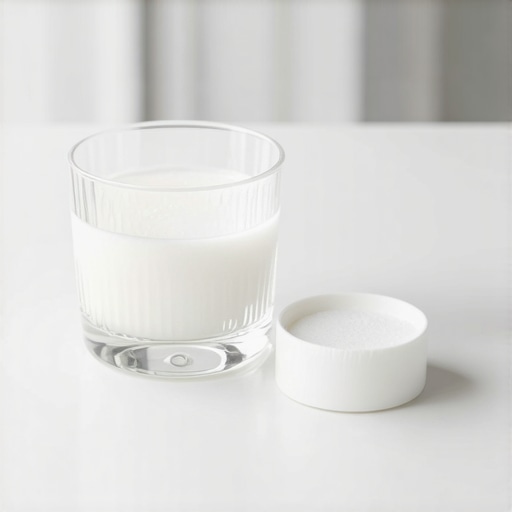
Protect Your Exposed Nerve with a Shield
Think of your tooth as a high-pressure steam pipe. When the internal pulp is irritated, the pressure builds up against the hard enamel shell. If the shell is cracked or a crown has popped off, that nerve is now exposed to air, sugar, and temperature changes. This is where ‘dental wax’ or even temporary filling material from a local pharmacy becomes your best friend. I remember a wedding where my cousin’s crown came loose during the appetizers. We didn’t panic. We used a tiny bit of denture adhesive to seat it back temporarily until he could see a specialist. It’s crucial to understand dental crowns explained so you know that the crown is like a helmet; without it, the ‘head’ (the tooth stub) is vulnerable and hypersensitive. Just don’t use hardware store glue, or you’ll turn a simple fix into a permanent disaster.
Control the Heat and the Pressure
If your face starts looking like you’re hiding a golf ball in your cheek, you’re dealing with more than just a cavity. Swelling is the body’s ‘red alert.’ Apply an ice pack to the outside of your jaw for 15 minutes on, 15 minutes off. Never put heat on a swelling toothache; heat expands blood vessels and can actually make an infection spread faster. While you’re at it, sleep with your head elevated. Propping yourself up on two or three pillows prevents blood from rushing to your head, which reduces that rhythmic ‘thump-thump-thump’ that keeps you awake. It’s also a good time to review your family dentistry guide to ensure everyone in the house knows the drill for these midnight crises before they happen.
Watch for the Red Flags of Infection
You have to know when ‘toughing it out’ becomes dangerous. If you feel a fever coming on or notice a small, painful bump on your gums, you need to know how to tell if that bump on your gum is an abscess. An abscess is a pocket of infection that cannot wait until your semi-annual cleaning. Sometimes, the pain isn’t a sudden shock but a result of long-term issues like the real reason your fillings are sensitive to cold finally reaching the nerve. If you can’t swallow or breathe easily because of swelling in the jaw or neck, stop reading this and go to the ER. Otherwise, keep the area clean, keep the head high, and wait for that 8:00 AM call to the office.Once you finally make that call and get into the chair, you might think the hard part is over. But here is where the real nuances of family dentistry and restorative work come into play. Most people assume that once a crown is cemented, the tooth is essentially bulletproof. That is a dangerous myth. In my experience, the ‘forever’ mindset is what leads to the most expensive failures. You might think that choosing the most expensive porcelain option automatically guarantees longevity, but that is not always true. Depending on your bite and whether you grind your teeth at night, a tougher material like zirconia might be the only thing standing between you and the real reason your porcelain crown keeps chipping.
Why Expensive Porcelain Is Not Always the Best Choice
While we all want that Hollywood-white smile, the contrarian truth is that durability often requires a compromise on translucency. In the world of revamp your smile: top cosmetic dentistry trends for 2025, we see a massive push toward ‘natural’ looks, but if the structural integrity of the material does not match your jaw’s force, you are just throwing money away. The ‘oops’ factor many patients fall into is prioritizing aesthetics over the functional thickness of the restoration. If the dentist has to shave off too much tooth structure to make a crown look pretty, they might be compromising the very foundation that holds the crown in place.
Watch Out for the Dark Line Creeping Up Your Gums
Have you ever noticed a shadowy gray or black line right at the base of a tooth? Many people assume this is a new cavity or a sign that the tooth is rotting, but it is often just the metal substructure of an older porcelain-fused-to-metal (PFM) crown showing through as your gums naturally recede. However, ignoring this can be a trap. If you see this, it is a sign that the ‘seal’ of the crown is no longer protected by the gum line, which can lead to why your gum line looks dark around an old crown and potential decay underneath the hardware where you cannot see it. 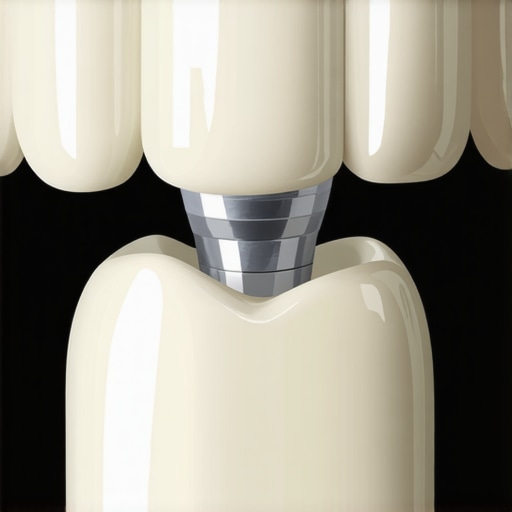
Why does a crown feel tight even after the numbing wears off?
This is a sophisticated concern that many advanced patients bring up. If your crown feels ‘high’ or ‘tight,’ it is not just an annoyance—it is a mechanical failure in the making. Research published in the International Journal of Computerized Dentistry indicates that while digital impressions have revolutionized the ‘fit,’ the clinician’s skill in managing the gum tissue during the prep phase is still the number one predictor of success. A crown that is even a fraction of a millimeter too high can cause ‘occlusal trauma,’ essentially bruising the ligament that holds your tooth in place. This is often why people struggle to figure out how to tell if your dental crown has a hidden crack or if it just needs a simple bite adjustment. Even in pediatric cases, structural alignment is key, which is why specialists often suggest learning how to tell if your child needs braces before age seven to prevent these mechanical issues before the permanent teeth are fully set. Have you ever had a crown that looked great but felt ‘off’ for months? Have you ever fallen into this trap? Let me know in the comments.
So, you’ve survived the 2 AM toothache and finally got your restorative work done. Now comes the part most people skip: the long-term maintenance that determines whether those expensive crowns last five years or thirty. I’ve learned that the standard ‘brush and floss’ advice is often too vague for someone with a mouth full of hardware. When you have bridges or multiple crowns, the geometry of your mouth changes, creating tiny nooks where bacteria throw a permanent party. This is where you need to upgrade your toolkit beyond the basic plastic toothbrush.
Invest in a Water Flosser That Actually Reaches
I used to be a string floss purist until I realized I was just pushing debris further under my bridge. If you want to master the best routine for cleaning under a dental bridge, you need a high-quality water flosser. According to a study published in the Journal of Clinical Dentistry, water flossing is up to 50% more effective than traditional string floss for improving gum health, particularly around prosthetic restorations. I personally use a countertop model because the pressure is consistent, and I add a capful of non-alcohol mouthwash to the reservoir for a deep-clean feeling. It’s not just about comfort; it’s about preventing the localized inflammation that causes your gums to recede away from those beautiful new margins.
Why Your Dentist Needs a 3D Scan for Hidden Issues
Maintenance isn’t just what you do at home; it’s also about the diagnostic tools your professional team uses. If you’re feeling a weird pressure but your X-rays come back ‘clear,’ you might be dealing with a 2D limitation. This is why your culpeper dentist might need a 3D scan to find hidden tooth pain. A Cone Beam Computed Tomography (CBCT) scan allows them to see the tooth from every angle, identifying micro-fractures or hidden canals that a standard bitewing would miss. In my experience, catching a tiny crack in a foundation tooth before it fails is the difference between a simple adjustment and a $4,000 implant.
How do I keep my dental work looking brand new for decades?
The secret is managing the ‘bite force’ and the chemical environment of your mouth. First, if you’ve had work done to revamp your smile: top cosmetic dentistry trends for 2025, you absolutely must wear a night guard. Even if you don’t think you grind your teeth, the stress of modern life often manifests as nocturnal clenching, which can chip porcelain over time. Second, understand the truth about the lifespan of composite vs porcelain veneers; porcelain is glass, and while it’s tough, it’s brittle. Avoid ‘tearing’ food with your front teeth—cut that apple or crusty bread into pieces instead. I’ve seen 20-year-old veneers that look brand new because the patient treated them like fine china rather than power tools.
Future Trends in Bio-Active Materials
Looking ahead, the next decade of cosmetic dentistry innovations to watch involves ‘bio-active’ materials. We are moving toward crowns and fillings that don’t just sit there but actually release calcium and phosphate to help remineralize the surrounding tooth structure. This will drastically reduce the ‘leakage’ that usually spells the end for an old restoration. For the parents out there, starting this mindset early with essential family dentistry tips ensures the next generation might not need the heavy-duty fixes we did. If you’ve ever had to fix a temporary crown that feels too high, you know how much a tiny misalignment matters. My advanced tip for today: go buy a pack of interdental brushes in three different sizes. Use them once a week to ‘gauge’ if your gums are swelling in specific spots; it’s the most honest feedback your mouth can give you.
Lessons I Learned the Hard Way About Waiting Too Long
Looking back at that 2 AM nightmare, I realize the biggest mistake wasn’t the toothache itself, but the weeks of denial leading up to it. If I could go back, I’d tell myself that your mouth never lies. When you feel that first zing, it is your body’s only way of asking for help. I’ve since learned that preventative maintenance is infinitely cheaper than emergency intervention. For instance, understanding the real cost of delaying a necessary dental crown taught me that a small crack today is a root canal tomorrow. Another realization? Don’t assume your coverage is a black box; take the time to figure out how to tell if your dental insurance will cover a new implant or other restorations before the crisis hits. Finally, remember that even the best hardware can fail if the foundation isn’t right—always listen when your dentist mentions bite alignment or night guards.
The Tools I Use to Protect My Investment
Once you’ve invested in high-end restorative work, you have to treat it like a classic car rather than a rental. Here is what I personally trust to keep my smile intact. First, I never skip a day without a water flosser, especially since mastering the best routine for cleaning under a dental bridge is the only way to prevent plaque from undermining a crown. Second, I’ve learned to advocate for better diagnostics. If a tooth feels ‘off’ but looks fine on a flat X-ray, I ask why your culpeper dentist might need a 3d scan to find hidden tooth pain because 3D imaging reveals the micro-fractures that standard tools miss. Lastly, I keep a dedicated dental emergency kit with temporary filling material—it’s a lifesaver if you ever need to know how to survive a weekend with a lost filling without losing your sanity.
A Better Way to Think About Your Smile
Your journey through dental pain and restoration isn’t just about fixing a hole in your mouth; it’s about reclaiming your quality of life. Whether you are looking into cosmetic dentistry innovations to watch or just trying to get through the night without a pulse in your jaw, remember that modern dentistry is more comfortable and effective than ever before. Don’t let fear or a busy schedule keep you from the care you deserve. By following a solid family dentistry guide, you can ensure that you and your loved ones avoid the 2 AM panic entirely. You deserve to eat, laugh, and sleep without worrying about your teeth. Have you ever had a dental emergency that changed how you view your oral health? Let me know your story in the comments below!