I still remember the exact moment it happened. I was sitting on my porch, enjoying what I thought was the ultimate tooth-friendly snack—a bowl of Greek yogurt with soft blueberries. Suddenly, I felt a sharp, gritty sensation on my tongue. I wasn’t chewing on ice or hard candy; I was eating mush. I ran to the mirror, and there it was: a jagged, fresh notch in my front tooth. I felt betrayed. I had spent years following every rule in the book, yet my smile was literally crumbling. If you’ve ever looked in the mirror and wondered why your teeth seem to be made of glass despite your pristine diet, I know that sinking feeling in your stomach. Today, we’re going to peel back the layers on why this is happening and how we can actually protect your enamel for good.
Your Salad Might Actually Be Weakening Your Enamel
It sounds like a cruel joke, doesn’t it? You trade the processed sugar for kale and lemon water, only to find yourself searching for how to fix a tiny chip in your front tooth without a crown. Early in my journey to better oral health, I made a massive mistake: I thought natural always meant safe. I was sipping on apple cider vinegar tonics and lemon water all day long. I didn’t realize I was essentially bathing my teeth in an acid bath that softened my enamel until even a piece of toast could snap off a corner. According to the American Dental Association, even healthy acidic foods can contribute to dental erosion, which is the chemical wear of tooth structure over time. This isn’t just about what you eat, but how and when you eat it. If you’re seeing signs of wear, you might be dealing with the hidden reason your front teeth are wearing down, which often involves more than just your dinner plate. Have you ever felt a sudden chip while eating something completely soft?
Is my DNA just rigged against me?
It is easy to blame genetics when you see someone else living on soda and candy with a perfect smile while you struggle. While your family history does play a role in the thickness of your enamel, it’s rarely the whole story. Most of us are dealing with a perfect storm of minor habits—like clenching your jaw during a stressful workday or using a toothbrush that’s way too firm. If you’re worried about your family’s overall dental strength, checking out a family dentistry guide can help you spot these patterns early across all generations. We need to figure out if your chips are a result of structural damage or an underlying bite issue before you end up needing to know how to tell if a chipped tooth is a true emergency for a major fracture.To stop your teeth from feeling like they are slowly dissolving, you have to treat your mouth like a chemistry lab where the pH balance is the only thing that matters. Think of your enamel like a protective glass coating on a fine piece of art; once it is thinned out, the canvas underneath is exposed to everything.
Stop the daily chemical erosion of your teeth
The first step isn’t buying a fancy paste; it’s changing your timing. When you eat something acidic—or even something that makes you wonder why your teeth feel gritty after eating spinach—your enamel temporarily softens. If you brush immediately, you aren’t cleaning your teeth; you’re literally sanding away that softened layer. I learned this the hard way after a month of ‘healthy’ morning smoothies led to a sensitivity so sharp I couldn’t breathe in cold air.
Wait thirty minutes after eating before you brush
This gap allows your saliva, which is nature’s best remineralization tool, to neutralize the acids and re-harden the surface. If you’re in a rush, just rinse with plain water. This simple pause is more effective than any ‘whitening’ gimmick that might actually be stripping your surface. If you’ve already lost significant ground, you might need to look into the truth about the lifespan of composite vs porcelain veneers to restore that protective shield. 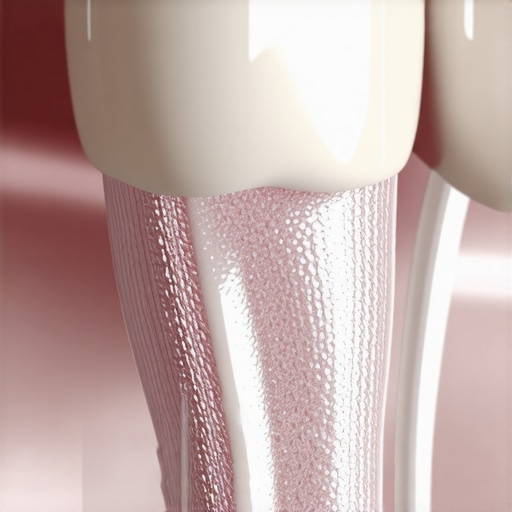
Silence the grind that shatters your smile
Many chips don’t happen because of what you ate today, but because of the micro-fractures you created last night. If you wake up with a tight jaw, you are likely putting hundreds of pounds of pressure on your molars and incisors while you sleep. I spent years ignoring my morning headaches until a back molar literally split in half. Now, I never sleep without protection. However, a dirty guard is just a breeding ground for bacteria, so you must learn the best way to clean a night guard to prevent odors to keep your breath fresh while saving your teeth.
Upgrade your tools to stop accidental damage
It’s a common myth that ‘harder’ equals ‘cleaner.’ Using a firm toothbrush is like using a wire brush on a car’s paint job. If you’re seeing your gum line move upward, you need to understand why your gums are receding despite using a soft toothbrush, as it’s often about technique rather than just the bristles. When the damage is structural, dental crowns explained as a long-term solution can help you see why a full-coverage restoration might be the only way to prevent a total tooth fracture.People often tell me they want a crown because they think it makes a tooth ‘invincible.’ This is the biggest misconception I encounter in my journey toward oral health. While it provides a hard shell, a crown actually introduces a new vulnerability: the margin. This is the tiny seam where the restoration meets your natural tooth. If your hygiene isn’t perfect, bacteria can seep under that edge, causing ‘silent’ decay that you won’t feel until the entire tooth is compromised. This is why understanding dental crowns requires looking past the porcelain surface and focusing on the seal. A study published in the Journal of Dentistry highlights that the marginal integrity is the primary predictor of a restoration’s long-term success, yet many patients prioritize the shade over the fit.
How can I tell if my crown is leaking bacteria before the pain starts?
You don’t have to wait for a throbbing ache to know something is wrong. Often, the first sign is a persistent, faint metallic taste or a localized odor that doesn’t go away after brushing. If you’ve ever wondered how to tell if your dental crown is leaking bacteria, look closely at the gum line. Is it slightly more red or puffy than the rest of your mouth? That’s your body’s alarm system. If you ignore it, you might face the real cost of delaying a necessary dental crown replacement, which can lead to a full extraction. 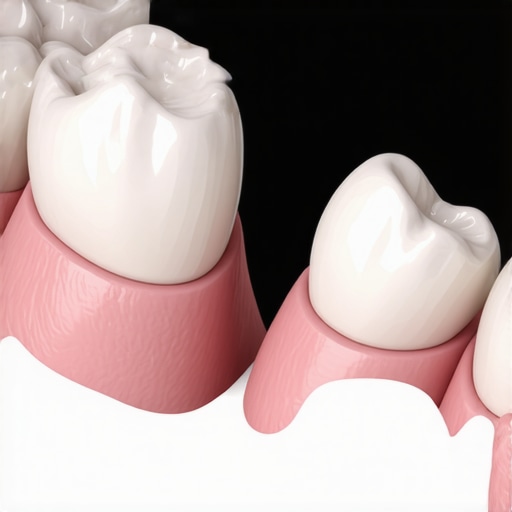
Why your cosmetic upgrade needs a functional foundation
Another common ‘oops’ factor is rushing into expert cosmetic dentistry solutions without addressing your underlying bite. I’ve seen people spend thousands on gorgeous veneers only to shatter them in six months because they didn’t realize they were grinding their teeth at night. It’s like putting a high-end paint job on a car with a bent frame. True family dentistry should focus on the ‘why’ before the ‘what.’ When I finally looked at dental crowns vs other restorations, I realized that sometimes the most conservative approach—like bonding—is actually the smarter choice for preserving your natural structure.
The legacy of dental habits starts earlier than you think
We often think of advanced dental work as an ‘adult problem,’ but the architecture of a healthy smile is built in childhood. Neglecting child-friendly dental care isn’t just about avoiding cavities today; it’s about preventing the jaw alignment issues that cause teeth to wear down and crack twenty years later. By following essential family dentistry tips now, you ensure that the next generation doesn’t have to spend their adulthood fixing ‘preventable’ disasters. Have you ever fallen into the trap of thinking a crown was a permanent, maintenance-free solution? Let me know in the comments.To keep a smile that includes crowns and veneers looking like day one, you have to move beyond the ‘brush and pray’ method. I used to think a standard manual toothbrush was enough until I realized I was leaving a literal film of plaque right at the margin of my front restoration. Now, I swear by a high-frequency sonic toothbrush with a built-in pressure sensor. Why? Because the sensor is the only thing that stops me from scrubbing my gums into oblivion. If you’ve noticed your smile looks a bit ‘long’ lately, you might already be seeing why your gums are receding despite using a soft toothbrush. It isn’t just about the bristles; it is about the force. I also made the switch to a water flosser specifically to flush out the ‘dead zones’ around my dental work. Unlike string floss, which can sometimes tug at a loose edge, the pulsed water gets into the sulcus without mechanical strain. This is critical because the real reason your porcelain crown keeps chipping often starts with a microscopic compromise at the base.
How do I keep my dental work from failing prematurely?
The secret isn’t a fancy gadget, but a chemical trick: I stopped rinsing after I brush. If you rinse with water immediately, you’re washing away the very fluoride that’s supposed to remineralize your enamel. By spitting but not rinsing, you let that protective layer sit on your teeth. This is especially important if you’re prone to sensitivity or if you’ve recently looked into dental crowns vs other restorations and want to protect your investment. Dr. Gordon Christensen, a world-renowned prosthodontist, often emphasizes that the longevity of a restoration is 50% the dentist’s skill and 50% the patient’s home care chemistry. I’ve found that using a 1.1% sodium fluoride paste at night acts like a ‘shield’ for those vulnerable crown margins where bacteria love to hide. 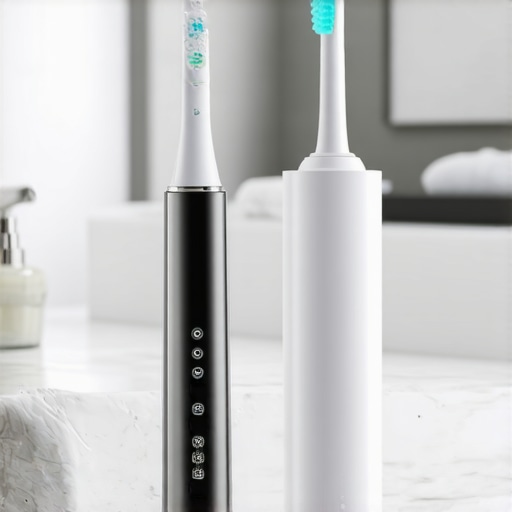
Smart brushes and bio-active materials are the next frontier
I suspect that in the next five years, we’re going to see a massive shift toward ‘smart’ bio-active fillings and crowns that actually release minerals back into the tooth. We are already seeing cosmetic dentistry innovations to watch that involve 3D-printed ceramic structures that mimic the natural wear of human enamel. For those of us managing a full family’s health, staying ahead of these top cosmetic dentistry trends for 2025 means fewer surprise appointments. But even with all this tech, you can’t forget the basics. You need to know the truth about how often you should replace your toothbrush head, because a frayed brush is just a playground for bacteria. If you’re serious about never needing another emergency root canal, I challenge you to try the ‘spit but don’t rinse’ rule for just one week and see how much stronger your teeth feel against cold drinks.
The Hardest Realities I Faced While Fixing My Smile
Reflecting on my own dental setbacks, I realized that I was looking at my teeth as static objects rather than living structures. Here are a few lightbulb moments that changed everything for me:
- Enamel is a non-renewable resource: Once acid or friction wears it down, your body cannot regenerate it. This is why a family dentistry guide approach emphasizes preservation over replacement.
- Crowns are high-performance tools, not armor: I used to think a crown meant I didn’t have to worry about that tooth anymore. In reality, understanding dental crowns means knowing they require more meticulous cleaning at the gum line than a natural tooth.
- Silence isn’t always safety: Just because a tooth doesn’t ache doesn’t mean it’s healthy. Learning how to tell if your crown needs to be replaced immediately can save you from a surprise extraction later.
The Daily Habits and Tools I Trust Now
Consistency beats intensity every single time when it comes to oral health. My essential toolkit includes a high-quality sonic toothbrush with a pressure sensor—it is the only thing that stopped my aggressive scrubbing. I also prioritize essential family dentistry tips like using a water flosser for hard-to-reach margins and never skipping my custom night guard. These aren’t just gadgets; they are the insurance policy for my dental crowns explained as long-term investments. I also keep an eye on cosmetic dentistry innovations to watch to ensure my care routine stays modern.
Your Path to a Lifetime of Healthy Smiles
It is easy to feel overwhelmed by the technical side of oral care, but remember that every small change counts. Whether you are currently weighing dental crowns vs other restorations or simply trying to teach your kids child-friendly dental care, you are building a foundation that lasts decades. Don’t be afraid to ask for help from professionals who value longevity over quick fixes. You deserve a smile that feels as strong as it looks. Have you ever felt like your dental work was failing despite your best efforts? Let me know in the comments below!