I’ll never forget the Tuesday night I found myself sitting on the cold bathroom floor, completely defeated, while my two-year-old sprinted down the hallway with a mouth full of unswallowed toothpaste. It was the third time that week we’d ended up in a screaming match over two minutes of brushing. I felt like a failure as a parent and as someone who genuinely cares about dental health. I’d spent years reading up on child-friendly dental care, yet here I was, losing a fight to a toddler who treated the toothbrush like a torture device. It was a visceral realization: if I didn’t change my approach immediately, I was accidentally setting him up for a lifetime of dental anxiety.
The Night I Almost Gave Up on Dental Hygiene
The struggle is real, and it is exhausting. We want our kids to have perfect smiles, but the path to get there often feels like a high-stakes battlefield. My biggest mistake early on was treating toothbrushing like a mandatory chore that had to be completed by force. I didn’t realize that by making it a power struggle, I was losing the long game. The goal isn’t just getting the plaque off tonight; it’s raising a child who doesn’t fear the family dentist later in life. I’ve learned that toddlers crave autonomy more than anything else. When I finally started giving him small choices—like ‘Do you want the red brush or the blue one?’—the dynamic shifted. It wasn’t about the brushing anymore; it was about his control. We even had a scary moment where I noticed his gums were bleeding simply because I was being way too aggressive in my own frustration. That was the wake-up call I needed to find a more gentle, neighborly way to handle the routine.
Is it really worth the nightly drama?
You might be wondering if you can just skip a night or two when they’re fighting back especially hard. I get it. You’re tired, and they are relentless. But here is the cold, hard truth: baby teeth are the literal blueprints for adult teeth. According to the American Academy of Pediatrics, nearly 1 in 4 children in the US has at least one cavity by the age of 4. Neglecting those tiny pearly whites now can lead to painful infections and expensive restorations down the road. It’s a lot easier to fix a habit than it is to fix a rotted tooth. [IMAGE_PLACEHOLDER]
Why This Battle Matters More Than You Think
We aren’t just fighting about germs; we are building the foundation for a healthy life. Have you ever found yourself hiding in the kitchen just to avoid the bedtime routine because you know the screaming is coming? I want to know—what’s the wildest excuse your toddler has used to avoid the brush? Transitioning from a ‘combat zone’ to a ‘comfort zone’ requires a strategy that goes beyond just ‘brushing harder.’ It involves understanding that your child isn’t being difficult on purpose; they’re just overwhelmed by the sensory experience. By the time we finish this guide, you’ll have a toolkit full of distractions, games, and psychological hacks that actually work for essential family dentistry needs without the tears.
I started by ditching the ‘sit still’ command. Instead, I treated the bathroom like a laboratory for family dentistry where we were both lead scientists. I learned that if I wanted him to care about his teeth, I had to stop acting like his mouth was just another chore on my to-do list. The shift was mental, but the results were physical.
The Two-Brush Technique for Instant Cooperation
This was the turning point for us. I gave my son a ‘practice’ brush—a soft, colorful one—while I held the ‘official’ brush. I told him he was the lead explorer, and I was just the backup crew. He would brush for thirty seconds, ‘cleaning out the dinosaur caves,’ and then I would come in for the finish. It gave him the autonomy he craved. One night, he actually grabbed my hand and led me to the sink because he wanted to show me a new ‘cave’ he found. It wasn’t perfect, and there was still toothpaste on the mirror, but there were zero tears. This small shift is part of the essential family dentistry tips that focus on the emotional connection rather than just the mechanics of plaque removal. 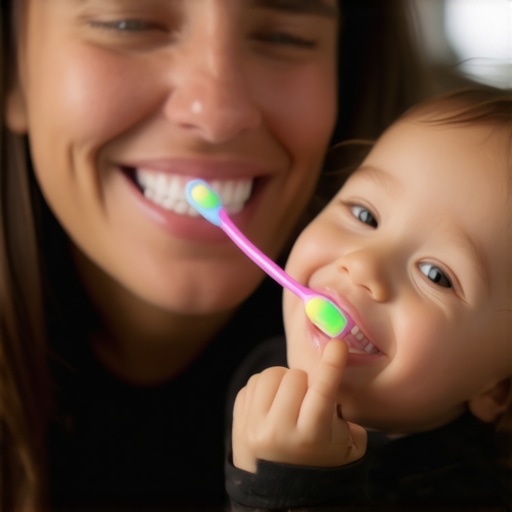
Why You Should Model the Behavior First
Children are like little mirrors. If they see you dreading your own routine, they’ll pick up on that energy. I started brushing my teeth right alongside him. I’d exaggerate the motions, making it look like the most exciting part of my day. I’d talk about how ‘strong and shiny’ my teeth felt. This is also a great time to explain why we do it. I’d tell him that even though his teeth looked clean, professional cleanings are still necessary because some ‘sugar bugs’ are invisible to the naked eye. We treat it like a car wash for his smile—something that keeps the engine running smooth.
The Tactical Gear for Tiny Mouths
Think of a toothbrush like a paintbrush. You wouldn’t use a house-painting brush for fine art, so don’t use a stiff, oversized brush on a toddler. Investing in child-friendly dental care tools makes the physical sensation less intrusive. If the bristles are too hard, it’s going to hurt, and they will associate the brush with pain.
Mastering the Floss Slide Early On
Flossing is usually the hardest sell. I found that the traditional string was a nightmare for tiny hands, but the little flavored picks? Those were a game-changer. We called them ‘tooth-fishing poles.’ Finding the easiest way to get your child to start flossing usually involves turning the task into a literal game of ‘catch’ where we see how many ‘bugs’ the pole can snag.
Watch Out for the Gums
While we want a deep clean, aggression is the enemy. If you see redness, don’t just brush harder. I remember one panicked morning where I thought I’d caused permanent damage by scrubbing too hard, only to realize swollen gums often happen near loose teeth. Learning the difference between a hygiene issue and a natural growth milestone saved me a lot of stress. Skipping these steps now might feel like a shortcut, but understanding dental crowns later will reveal that prevention is much cheaper than repair. In fact, the real cost of delaying a necessary dental crown can be quite high, both in terms of finances and your child’s comfort.While mastering the nightly routine is a huge win, there is a sophisticated layer to oral care that often gets lost in the shuffle of parenting. Most people assume that expert cosmetic dentistry solutions are reserved for adults looking for a Hollywood smile, but the reality is that family-focused care often requires high-level restorative work early on. A common contrarian view I hold is that ‘waiting and seeing’ on a child’s tooth decay is the single most expensive mistake a parent can make. Everyone says ‘they are just baby teeth,’ but in my experience, that delay is what leads to the need for dental crowns before the child even hits kindergarten. According to a study published in the Journal of the American Dental Association (JADA), early childhood caries can progress with frightening speed, and once the enamel is breached, the structure of the permanent tooth underneath is at risk.
Why Waiting and Seeing is a High-Stakes Gamble
If a dentist suggests a restoration for a primary tooth, many parents recoil, thinking it’s an upsell. This is a dangerous trap. Baby teeth act as space maintainers for the adult teeth. If you lose one too early because you avoided a small filling, you aren’t just losing a tooth; you’re inviting a decade of expensive orthodontic corrections. This is where choosing between crowns and other restorations becomes vital. A crown provides a 360-degree shield that a simple filling cannot. If you’ve ever fallen into the ‘it’s just a baby tooth’ trap and regretted it later, let me know in the comments—I’d love to hear how you handled the fallout. 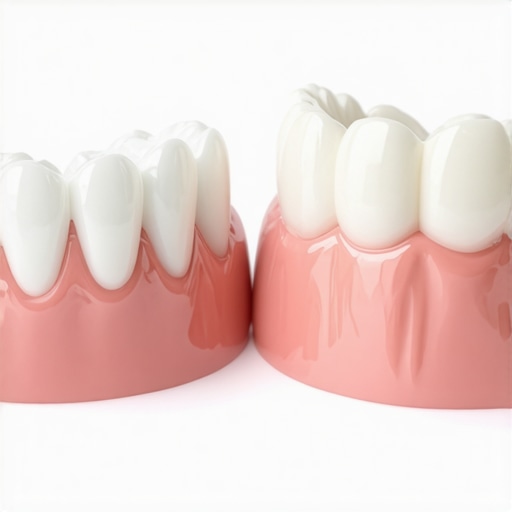
What Does it Actually Mean When a Crown Smells Bad?
This is a question I hear from parents and adults alike who are trying to manage long-term dental work. If you notice a lingering odor, don’t ignore it. It’s often a sign of a ‘leaking’ restoration. Learning how to tell if your dental crown is leaking bacteria is an essential skill for anyone with restorative work. When the seal between the crown and the natural tooth fails, food and bacteria get trapped in a space you cannot clean with a brush. This isn’t just about bad breath; it’s about the tooth underneath slowly rotting away while you think it’s protected.
The Hidden Metal Trap in Modern Restorations
One nuance most people miss when discussing cosmetic dentistry trends is the shift away from porcelain-fused-to-metal (PFM). If you have an older crown and notice a dark line at the gum, you might think it’s decay. More often than not, it’s just the metal substructure showing through as your gums naturally recede. You can actually find out why your porcelain crown has a dark line and how modern zirconia or all-ceramic options eliminate this ‘gray-smile’ effect. Moving toward metal-free options isn’t just about aesthetics; it’s about biocompatibility. Have you ever noticed your gums reacting to an old crown? That ‘Oops’ factor usually comes from an undiagnosed sensitivity to the base metals used in cheaper restorations. When we talk about the foundation of good oral health, we have to look at the materials we are putting into our bodies for the long haul.
The High-Tech Toolbox that Saved My Sanity
Once I realized that dental health was a marathon and not a sprint, I stopped buying the cheapest brushes off the grocery store shelf. I made a conscious switch to high-end sonic toothbrushes for the whole family, specifically models with built-in pressure sensors. I use one because, like many parents, I tend to over-scrub when I’m stressed. If I press too hard, the handle vibrates differently or flashes a red light, which is a physical reminder to back off. This isn’t just about gadgetry; it is about preventing the mechanical wear that leads to gum recession and enamel loss. For my son, the timer feature on his brush is the ‘referee’—I don’t have to tell him to keep going; the brush does it for me. This fits perfectly into our essential family dentistry tips because it removes the parent as the ‘bad guy’ in the bathroom.
How do I maintain my dental work over time?
Maintenance is the bridge between a good procedure and a lifetime of results. If you have invested in expert cosmetic dentistry solutions, you cannot treat them like natural teeth and expect them to last forever without help. I personally swear by water flossing. It is significantly more effective than traditional string for reaching the nooks and crannies around restorations. If you have a bridge, it is literally the best routine for cleaning under a dental bridge because it flushes out debris that a physical thread might miss or push deeper. I also tell everyone to be religious about the truth about how often you should replace your toothbrush head. A frayed brush is essentially a sandpaper stick that does more harm than good to your gums and expensive crowns. 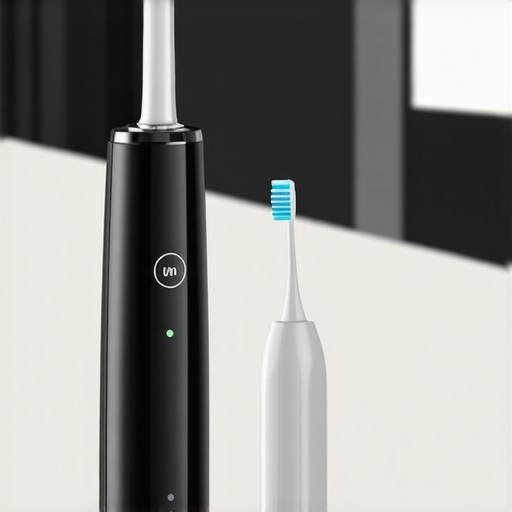
Why Monolithic Zirconia is the Future of Crowns
I’ve seen a lot of changes in dental materials, but the shift toward monolithic zirconia is a game-changer. In the past, crowns were often porcelain-fused-to-metal, which led to that ugly gray line at the gums. According to a study published in the Journal of Prosthetic Dentistry, monolithic zirconia has demonstrated a 10-year survival rate exceeding 95% due to its incredible fracture toughness. This means less chipping and no metal showing through. When you are revamping your smile with top cosmetic dentistry trends, asking for zirconia isn’t just about looks—it’s about durability. I predict that within the next five years, we will see AI-integrated intraoral cameras becoming standard in home bathrooms. These devices will scan your teeth and sync with your family dentistry guide app to alert you to early signs of decay before they even become visible to the eye.
The goal is to move from reactive care to predictive care. We aren’t just fixing what’s broken; we are shielding the future. If you haven’t yet, I strongly encourage you to try one advanced tip tonight: switch to a water flosser for just one week. The difference in how clean your mouth feels—especially around any old fillings or crowns—will be enough to convert you for life. If you have specific questions about your current dental setup, you can always contact us to get professional clarity on your options.
Lessons I Learned the Hard Way About Raising a Dental-Positive Kid
Looking back on that cold bathroom floor moment, I realized my perspective was upside down. The first major shift was accepting that perfection isn’t the goal; consistency is. If you force a toddler into a perfect two-minute brush tonight but make them hate the sink, you’ve lost. I also learned that the role of family dentistry in ensuring oral health for all ages is as much about psychology as it is about anatomy. Another lightbulb moment was recognizing that my own dental anxiety was rubbing off. Once I started treating my checkups as a ‘spa day for my mouth’ rather than a chore, my son’s attitude followed suit. Lastly, never underestimate the power of the ‘check-in.’ Even if everything looks fine, getting a professional eyes-on early prevents the real cost of delaying a necessary dental crown, which can be thousands of dollars and hours of discomfort down the road.
My Daily Toolkit for Bright Smiles
To move from dental dread to a smooth routine, you need more than just a toothbrush. I personally trust a few key resources and tools that have been game-changers in our house. First, high-quality sonic toothbrushes are non-negotiable for us because they do the hard work of vibration that little hands can’t manage yet. I also rely on the family dentistry guide for building a lifetime of healthy smiles as my roadmap whenever I’m unsure about a new developmental stage. For myself, I’ve integrated a water flosser that has completely changed how my gums feel around my older restorations. If you’re looking to upgrade your own aesthetic, keeping an eye on top cosmetic dentistry trends for 2025 will help you choose materials like zirconia that are as durable as they are beautiful. [IMAGE_PLACEHOLDER]
Your Future Smile Starts Tonight
It is never too late to reset the vibe in your bathroom. Whether you are dealing with a defiant toddler or you are personally looking to transform your look with expert cosmetic dentistry solutions, the path forward is paved with small, gentle choices. You don’t have to have it all figured out today. Just pick one thing—maybe it’s a new flavored floss or a timer app—and see how it shifts the energy. We are all just trying to do our best for our families, one tooth at a time. If you ever feel stuck or need a second opinion on a treatment plan, don’t hesitate to contact us for guidance. Your future self (and your child’s future self) will thank you for the effort you put in today. What is the one thing that has actually made your kid enjoy brushing, even if it’s a little unconventional? Let me know below!