I remember the exact moment my heart sank into my stomach. I was sitting in a tiny plastic chair at the dentist, watching the X-ray of my seven-year-old’s mouth. There it was—a dark, unmistakable shadow on a molar. I had done everything ‘right.’ We had the colorful timers, the battery-operated brushes, and I’d even been the parent who insisted on fluoride-free paste because I was worried about the ‘chemicals.’ Seeing that cavity felt like a personal failure of my child-friendly dental care routine. It was a visceral wake-up call that my internet-research-driven skepticism was actually hurting my kid. I had spent years declining the ‘sticky stuff’ they offered at the end of the appointment, thinking I was being a savvy, protective parent. In reality, I was just making her teeth more vulnerable.
I Stopped Saying No to Fluoride Varnish After This Wake-Up Call
That realization changed everything for me. I started digging into the actual science, moving past the scary headlines and deep-diving into why professionals recommend this specific treatment. It turns out, I wasn’t just neglecting my daughter’s teeth; I was neglecting my own, too. As adults, we often think fluoride is just for the little ones, but I eventually learned that my own tooth sensitivity and a growing fear of needing dental crowns could have been managed much earlier with the same treatment. Today, I’m going to share exactly what I found out during my journey from a fluoride-skeptic to a firm believer. We are going to look at why a quick brush isn’t always enough to stop decay and how this simple application can save you from the massive headache—and expense—of delaying a necessary dental crown. Have you ever felt that sinking feeling in your stomach when the dentist finds a cavity you thought you’d prevented? If so, you aren’t alone, and this might be the missing piece of your puzzle.
Is this sticky stuff just an extra charge on my dental bill?
It’s easy to feel like every recommendation at the dentist is just another line item to inflate the bill. I’ve been there. I used to think fluoride varnish was just a fancy, overpriced version of the toothpaste I used at home. However, the concentration is the key. Varnish is designed to adhere to the tooth surface for several hours, allowing for a much more intense delivery of minerals to the enamel. My early mistake was assuming that ‘good enough’ brushing replaced the need for professional intervention. Even with what I thought was perfect brushing, my daughter’s teeth lacked the structural reinforcement that only a professional-grade application provides. According to the American Dental Association (ADA), fluoride varnish can prevent about 33% of cavities in the primary teeth of children, a statistic I wish I had taken seriously before that X-ray showed up. When you look at the cost of caring for your childs teeth over a lifetime, a small preventative step is a drop in the bucket compared to a future of fillings and root canals. We’re going to break down the safety profile and the application process so you can walk into your next appointment with total confidence.
The process begins with understanding the chemistry of remineralization. Think of your enamel as a sponge with tiny, microscopic pores. When we consume acids or sugars, those pores widen, making the tooth vulnerable. Fluoride varnish works by flooding those pores with a high concentration of minerals, essentially ‘plugging’ the gaps to prevent future decay. In our family dentistry guide, we often emphasize that this isn’t just a surface coating; it’s a deep-level structural reinforcement. The varnish contains a much higher concentration of fluoride than your standard toothpaste, and it is delivered in a resin that hardens instantly upon contact with saliva.
How Varnish Rebuilds Your Teeth From the Outside In
The primary goal of this treatment is to create a long-lasting reservoir of fluoride on the tooth surface. Unlike a rinse that is washed away by water or food within minutes, varnish stays in place for hours. This sustained release is what allows the fluoride to integrate into the crystalline structure of the enamel. If you have been wondering why your child needs a dental sealant on their back molars in addition to varnish, it is because they serve different roles: sealants provide a physical barrier against food, while varnish provides chemical resistance against acid. Together, they create an nearly impenetrable defense for developing teeth.
Clean Teeth Are the Only Way to Get Results
You cannot paint a dirty wall and expect the finish to last. The same logic applies to dental treatments. Before the varnish is applied, a thorough professional cleaning is non-negotiable. This is exactly why your child needs a professional cleaning even with perfect brushing at home; biofilm and plaque act as a physical shield that prevents fluoride from reaching the enamel. I remember one appointment where we were rushing to make it to a soccer game and I asked the hygienist if we could just ‘skip the cleaning’ and do the varnish. She explained that applying minerals over plaque is essentially useless. We stayed for the full cleaning, and that lesson stuck with me—preparation is half the battle.
The Strategic Wait After the Appointment
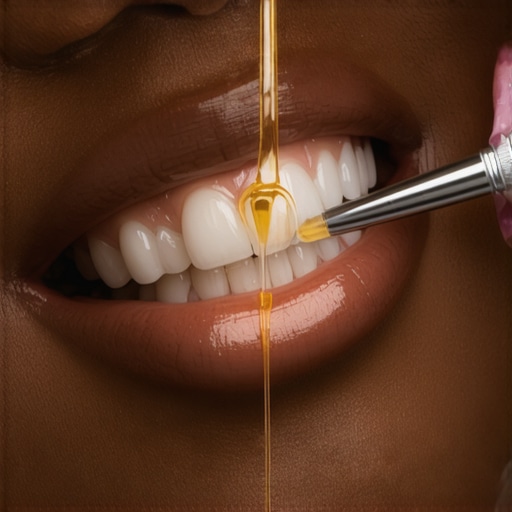
The actual application of the varnish is incredibly fast. The dentist dries the teeth with a quick puff of air and ‘paints’ the material on with a micro-brush. It feels slightly tacky or sticky, which can be a bit strange for kids. However, the ‘meat’ of the success happens in the four to six hours following the application. During this window, you must avoid crunchy, sticky, or very hot foods. I learned this the hard way when I took my daughter for a taco lunch right after her treatment. The warm tortilla acted like a magnet, pulling the varnish off her teeth and leaving it stuck to the food. Now, we have a strict ‘smoothie and yogurt’ rule for at least four hours after her caring for your childs teeth ritual.
Why This Saves You from a Future of Dental Crowns
As I became more educated, I started requesting these treatments for myself as well. I realized that a few minutes of stickiness twice a year was a tiny investment to avoid dental crowns explained as my only option for aging enamel. When teeth are reinforced early and often, they are far less likely to develop the deep decay that requires major restorations. If you eventually want to transform your look with expert cosmetic dentistry solutions, the best foundation you can provide is a healthy set of natural teeth. By prioritizing prevention, you are actively avoiding the real cost of delaying a necessary dental crown, which includes significant time, discomfort, and financial strain down the road.
Most people believe that once a tooth is crowned, it is basically immortal. I certainly used to think so. I assumed the porcelain shell protected the underlying tooth from everything. But here is the contrarian truth: a crowned tooth often requires more meticulous care than a natural one. The real trap is the margin—the microscopic gap where the crown meets your gum line. If you neglect this area, bacteria can seep underneath, leading to what we call recurrent decay. This is often how to tell if your dental crown is leaking bacteria even if it looks perfect from the outside. A study in the Journal of Dentistry confirms that the most common reason for crown failure is not the material breaking, but the failure of the seal at the margin. If you have ever noticed why your porcelain crown has a dark line at the gum line, you are seeing the result of either gum recession or a structural issue that needs immediate attention. 
Could Your Cosmetic Restoration Be Hiding a Structural Problem?
When we talk about how to transform your look with expert cosmetic dentistry solutions, we often focus exclusively on the after photo. However, a sophisticated mistake is choosing aesthetics over structural integrity. I have seen many people rush into veneers only to realize why your porcelain veneers might look bulky or unnatural because the underlying tooth was not properly prepared or the bite was not aligned. This is why weighing dental crowns vs other restorations which is right for you is a conversation that must include a long-term functional plan, not just a shade guide. Another nuance is the silver filling trap. Many adults carry large, old amalgams from childhood, thinking they are stable. But silver does not bond to the tooth; it just sits there. Over time, these can cause micro-fractures, which is the reason your silver fillings are making your teeth look gray and eventually lead to a total breakdown of the tooth. Within our family dentistry guide building a lifetime of healthy smiles, we emphasize that proactive replacement is often more conservative than waiting for a tooth to crack in half. Have you ever fallen into the trap of thinking a dental treatment was ‘one and done’? Let me know in the comments below.
I used to think that buying the most expensive toothpaste on the shelf meant I was winning the game of oral hygiene. I was wrong. The real secret isn’t in the paste; it’s in the mechanical removal of the biofilm that hides in places your brush simply cannot reach. If you have any restorations, such as those we discussed in our guide to understanding dental crowns when and why they are needed, your standard manual brush is basically bringing a knife to a gunfight. I personally switched to an electric toothbrush with a built-in pressure sensor because I realized I was scrubbing my gums into recession. This is a vital part of caring for your childs teeth essential family dentistry tips too—teaching them not to over-brush is just as important as the brushing itself.
The One Tool That Actually Reaches Your Crown Margins
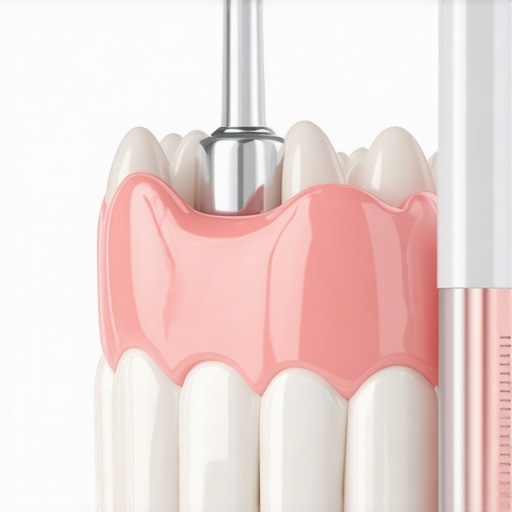
For years, I struggled with string floss. It would shred, get stuck, or I’d just get lazy and skip it. When I invested in a high-quality water flosser, everything changed. But here is the specific tip: I don’t just use the standard jet tip. I use the ‘orthodontic’ tip even though I don’t have braces. The tiny bristles at the end are perfect for mechanical debridement right at the margin where a crown meets the gum. If you have ever wondered how to tell if your dental crown is causing your bad breath, it is usually because bacteria are trapped in that exact spot. A study published in the Journal of Clinical Periodontology found that water flossing can be significantly more effective than traditional floss at reducing gingival bleeding, provided you use the correct technique. I recommend starting on the lowest pressure setting to avoid sensitivity, especially if you are learning how to stop your gums from hurting when you use a water flosser.
How do I maintain my dental work over many years?
The longevity of your smile depends on the consistency of your tools and your timing. I have a recurring calendar alert for every three months to remind me of the truth about how often you should replace your toothbrush head. Worn bristles become abrasive and lose their ability to hug the contours of your teeth. Furthermore, the difference in the truth about the lifespan of composite vs porcelain veneers often comes down to night-time habits. If you grind your teeth, no amount of brushing will save your porcelain. I use a custom-fitted night guard every single night without exception. Looking forward, I predict we will soon see AI-integrated intraoral cameras for home use that sync with your dentist’s office, flagging ‘hot spots’ of inflammation before they become cavities. Until then, my best advice is to try this advanced tip: use your water flosser before you brush. By clearing the debris out of the way first, your fluoride toothpaste can actually reach the enamel surface and do its job. Give the ‘pre-floss’ method a try tonight and see if your mouth doesn’t feel twice as clean in the morning.
Lessons I Had to Learn the Hard Way About My Teeth
Looking back, I realize that I spent too much time worrying about the ‘chemicals’ and not enough time focusing on the structural integrity of my family’s smiles. The hardest lesson was accepting that professional child-friendly dental care isn’t an option; it’s a foundation. I also learned that the reason your silver fillings are making your teeth look gray is often a sign of underlying decay that needs attention before it becomes a major problem. Finally, I discovered that dental care isn’t a ‘set it and forget it’ task—it’s a dynamic, lifelong commitment.
My Non-Negotiables for a Smile That Lasts
If you want to maintain your oral health effectively, I highly recommend investing in a high-quality water flosser. However, the tool is only as good as your technique; learning how to stop your gums from hurting when you use a water flosser is key to making it a habit. I also rely on a simple calendar reminder based on the truth about how often you should replace your toothbrush head to ensure I’m never using worn-out bristles. Lastly, I keep a digital copy of a comprehensive family dentistry guide on my phone for quick reference whenever the kids have a toothache or a loose molar.
The Future of Your Smile Starts Tonight
It is never too late to pivot your approach. Whether you are looking into dental crowns vs other restorations which is right for you or simply trying to improve your daily brushing, every small step counts. By embracing the preventative measures like fluoride varnish and consistent home care, you are choosing a path of health and confidence. Your journey through family dentistry is unique, but the goal is the same: a functional, beautiful smile that serves you for decades. Have you ever felt that a dental treatment was just ‘one and done’ only to be surprised later? Let me know your experience in the comments below!