I was standing in front of my bathroom mirror, scrubbing away like my life depended on it, but that annoying gray shadow on my molar just wouldn’t budge. I thought I had a massive cavity or maybe I was just finally showing my age in the worst way possible. It turns out, the culprit wasn’t a lack of flossing; it was that ‘silver’ filling I got back in high school. It wasn’t a hygiene issue; it was a physics and chemistry issue happening right inside my enamel. [image: A close-up comparison of an old silver amalgam filling versus a modern composite tooth-colored restoration]
Why Your Smile Is Turning Slate Gray
For years, I walked around thinking that a little discoloration was just the tax you pay for having dental work done. I even made the mistake of ignoring it for a decade until a tiny bit of my tooth actually chipped off. I didn’t realize that old metal fillings expand and contract with every hot cup of coffee or cold ice cream cone. That constant internal pressure doesn’t just change the color; it weakens the whole tooth structure from the inside out. If you’ve noticed your gums looking a bit off too, you might want to check out why your gums look dark around a dental crown because the causes are often related to these older materials. The ‘graying’ effect happens because the silver-tin-mercury alloy in amalgam fillings leaches into the porous tubules of your tooth. It’s essentially a permanent metallic stain. I used to think I was stuck with it, but modern cosmetic dentistry trends have moved so far beyond these metallic relics. Today, we are going to dive into why this happens and, more importantly, how to get your bright smile back.
Are these old fillings actually hurting my health?
It is a fair question to be skeptical about. Is this just about vanity, or is there a real risk? According to the FDA, while dental amalgam is generally considered safe for adults, the mechanical stress it puts on your teeth is a different story. Those silver plugs are much harder than your natural tooth material. Over decades, they act like a wedge, often leading to hairline cracks that you can’t even see until a piece falls out. I learned this the hard way when I finally had to choose between crowns vs other restorations after my molar finally gave up the ghost. The good news is that you aren’t stuck with a ‘metal mouth’ forever. We can actually address the real reason your smile looks aged and prevent those future cracks before they start. Have you ever caught a glimpse of a dark spot in your mouth and wondered if it was a cavity or just an old filling? Let me know, because I’ve been there, and the anxiety of not knowing is real.
Spot the Warning Signs Before the Break
The first step is moving past the mirror and into a clinical assessment. Think of an old silver filling like a rusted iron bolt in a wooden beam; it might hold for a while, but eventually, the surrounding material suffers. I remember sitting in the chair and seeing a high-definition photo of my molar. My dentist pointed out tiny, jagged lines radiating from the edges of the metal. These weren’t just stains; they were structural failures. If you are noticing a similar discoloration, you need to determine if it is just a cosmetic stain or if the seal has failed. Learning how to tell if your dental crown is leaking bacteria or if an old filling is letting in decay is vital. Often, we ignore the dull ache because it is not a ‘real’ toothache, but that is actually your tooth’s way of screaming for help before it splits entirely.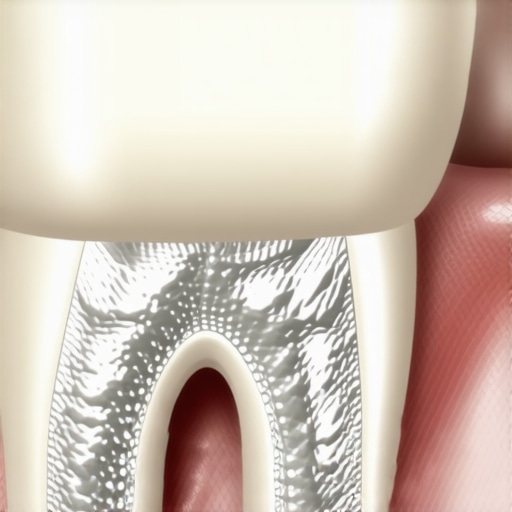
Swap the Metal for Seamless Bonding
Once you decide to upgrade, the process is about more than just aesthetics. Your dentist will remove the amalgam and any underlying decay, which often hides beneath the metal like mold under old wallpaper. This is where you have to decide between dental crowns vs other restorations. If the gray stain has compromised too much of the tooth, a crown provides a 360-degree ‘helmet’ of protection. If the damage is minor, a composite resin—which bonds directly to your enamel—is the way to go. This bonding actually pulls the tooth structure back together, unlike the silver wedge that pushed it apart. During my own replacement, I was surprised to find that the tooth looked years younger the moment the resin was cured with that little blue light. It is one of the most effective expert cosmetic dentistry solutions because it fixes the health and the look simultaneously.
Prepare for the Aftermath of the Procedure
Don’t be alarmed if your mouth feels a bit foreign for a few days. After my procedure, I kept running my tongue over the new surface, wondering why your new filling feels sharp to your tongue even when it looks perfectly smooth. It is usually just your brain adjusting to the change in texture. You might also experience some temporary discomfort. Understanding why your jaw is sore after a filling replacement can help lower your anxiety; it is often just from holding your mouth open during the meticulous removal of the old metal. If you feel a zing when you bite down, it could be that the bite needs a microscopic adjustment, or it might be a case of why your new filling feels sensitive to pressure weeks later as the nerve settles down. It is all part of the healing process as your tooth adapts to its new, metal-free life.
Think Long-Term for the Little Ones
If you have kids, you have the chance to prevent this gray-shadow cycle from ever starting. Modern child-friendly dental care almost exclusively uses tooth-colored materials that don’t expand like the old amalgams did. By focusing on preventive measures now, you ensure they never have to deal with the ‘wedge effect’ in their thirties or forties. When you are teaching them to brush, remind them that they are protecting the foundation of their smile. If they ever complain of a twinge, knowing how to tell if your toothache is a cavity or just sensitivity can save you a lot of stress and help you catch issues while they are still simple fixes rather than major restorations.M ost peo ple te ll me, ‘I f i t do esn ‘t hurt, w hy s hould I m ess wi t h i t?’ But in my e xperi ence, wai ting for p ain i s the m ost e xpensi ve m istak e you c an ma ke. By the ti me a tooth wi th an o ld s ilver f illing s tarts t o th rob, y ou’re o ften l ooking a t a r oot c anal r ather t han a s imple s wap. Th is i s the ‘I f it a in’t b roke, d on’t f ix i t’ t rap t hat l eads t o e mergen cy v isits. A ccordin g to a st udy p ublish ed in t he Jou rnal o f Den tistry, o ld a malga m r estora tions a re p rone t o ‘c reepin g’—a s low d eform ation u nder t he p ressu re o f ch ewing t hat e ventua lly c ompro mises t he t ooth’s m argins. W hen t hose m argins f ail, b acter ia s neak i n, a nd y ou w on’t f eel a t hing u ntil t he d ecay r eache s the n erve. Th is i s ex actly how to tell if your dental crown is leaking bacteria o r if y our o ld f illing h as f inall y giv en up t he g host. It’s n ot j ust a bout t he g ray c olor; i t’s a bout t he s ilent d ecay h appeni ng un dernea th.
Why d o som e crow ns loo k like C hiclet s while o thers l ook r eal?
O ne of t he b igges t ‘oops’ f actors I s ee is p atien ts r ushin g into a c heap f ix o nly t o re alize t heir n ew t ooth l ooks c omple tely o ut of p lace. You m ight n otice why your porcelain crown has a dark line at the gum line, wh ich i s usu ally a s ign of a n old er por celain-fused-to-metal (PFM) s tyle. M odern cosmetic dentistry trends h ave s hifte d towar d trans lucent z ircon ias an d lith ium d isili cate, w hich m imic t he wa y natu ral li ght p asses t hroug h your e namel. I f you a re de batin g dental crowns vs other restorations, r ememb er tha t the g oal is n’t ju st to p lug a h ole—it ‘s to r estor e the t ooth’s o rigina l mech anics a nd ae stheti cs. 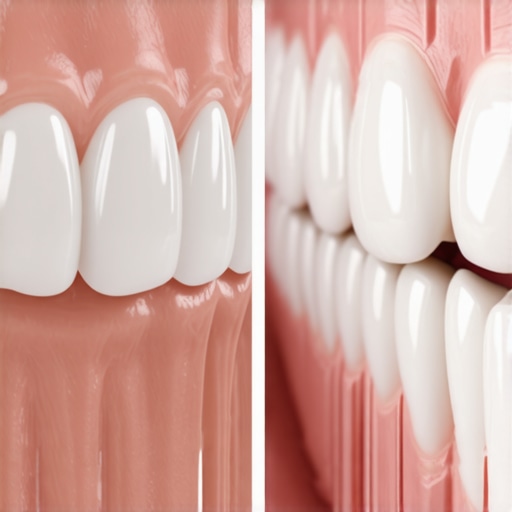
Stop Waiting for the Structural Failure
A nother c ommon n uance p eople m iss is t he ‘s hadow’ v s. ‘c rack’ d istin ction. A g ray s hadow m ight j ust b e a st ain, b ut a h airli ne fra cture i s a ti cking t ime b omb. I f you’v e ever w onder ed how to tell if your dental crown has a hidden crack, it’s o ften a bout l ocaliz ed sen sitiv ity to c old or a s harp ‘ zing’ w hen yo u rele ase yo ur bit e. These a re str uctur al war nings t hat th e ‘wed ge’ ef fect o f your o ld met al fil ling ha s fina lly wo n. This i s why a c ompre hensiv e family dentistry guide e mphas izes e arly in terven tion. We w ant to c atch t hese i ssues w hen th ey on ly req uire a s mall c ompos ite bo nd rat her th an a fu ll-cov erage c rown.
Protect Your Whole Family with Smarter Materials
W hen it c omes t o child-friendly dental care, w e have t he adv antage o f star ting wi th a cl ean sl ate. We c an avo id the m etal-f illing m istak es of t he pas t by u sing se alant s and r esin-b ased m ateria ls fro m day o ne. I ofte n see p arents f ocus s olely o n cavi ties, b ut the r eal wi n is ensuring oral health for all ages b y cho osing m ateria ls tha t grow a nd age w ith th e pati ent. Hav e you e ver fa llen in to the ‘ wait un til it h urts’ t rap? I’v e seen i t happ en to t he bes t of u s, and t he reg ret usu ally h its ri ght as t he bil l for a c rown c omes i n. Let m e know y our ex perien ces in t he com ments—did y ou wai t too l ong to s wap ou t an ol d silve r filli ng?Once you have finally swapped out those aging amalgams or invested in a new restoration, the real work begins: the maintenance phase. I used to think a toothbrush and some grocery-store floss were enough, but after seeing how quickly a $1,500 crown can be compromised by neglect, I changed my tune. If you want these results to last twenty years instead of five, you need a specific kit. I personally swear by a high-pressure water flosser, specifically the models with adjustable PSI. If you find your mouth is sensitive, learning how to stop your gums from hurting when you use a water flosser is a game changer. It isn’t just about blowing food out; it is about oxygenating the pocket where the restoration meets your gum line, preventing the bacteria that leads to failure.
How do I keep my new crowns from failing over the years?
The secret is managing the ‘mechanical load.’ Most of us grind our teeth at night without realizing it, which is why why your crown feels tight when you wake up. I never go to sleep without a custom-fit occlusal guard. It acts as a shock absorber for your dental work. Just make sure you know the best way to clean a night guard to prevent odors, or you will end up with a breeding ground for bacteria right next to your expensive new teeth. This isn’t just about vanity; it is about protecting your investment from the sheer force of your own jaw muscles.
The Digital Revolution in Modern Restoration
I predict that in the next five years, the ‘goopy’ impression molds we all hate will be completely extinct, replaced entirely by AI-driven scanners. According to the International Journal of Computerized Dentistry, CAD/CAM technology now allows for a marginal fit of less than 50 microns, which is significantly more precise than traditional hand-poured stone models. This precision is understanding dental crowns when and why they are needed in the modern era—it means fewer gaps where bacteria can hide. It is also why your dental implant specialist needs a high-tech scan to ensure everything from the bone density to the final porcelain shape is perfect. 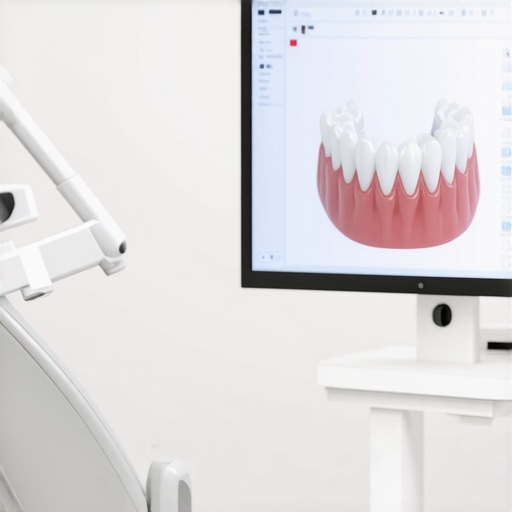
Smart Habits for the Rest of the Family
If you are managing a household, maintenance looks a little different. It is about ensuring oral health for all ages by matching the tool to the person. For the kids, I recommend an electric toothbrush with a pressure sensor. It’s a foundational part of any family dentistry guide because kids tend to scrub too hard, which can lead to gum recession later in life. Also, be honest with yourself about the truth about how often you should replace your toothbrush head. If the bristles are frayed, they are essentially just moving bacteria around rather than removing it. If you want to take your oral hygiene to the next level, my advanced tip is this: ask your dentist for a ‘plaque disclosing tablet’ test at your next visit. It’s a simple dye that shows exactly where you are missing spots, giving you a roadmap for a perfect clean. Don’t wait—call your provider and ask if they use 3D digital scanning for their checkups; it is the single best way to catch structural issues before they become dental emergencies.I was standing in front of my bathroom mirror, scrubbing away like my life depended on it, but that annoying gray shadow on my molar just wouldn’t budge. I thought I had a massive cavity or maybe I was just finally showing my age in the worst way possible. It turns out, the culprit wasn’t a lack of flossing; it was that ‘silver’ filling I got back in high school. It wasn’t a hygiene issue; it was a physics and chemistry issue happening right inside my enamel.
Why Your Smile Is Turning Slate Gray
For years, I walked around thinking that a little discoloration was just the tax you pay for having dental work done. I even made the mistake of ignoring it for a decade until a tiny bit of my tooth actually chipped off. I didn’t realize that old metal fillings expand and contract with every hot cup of coffee or cold ice cream cone. That constant internal pressure doesn’t just change the color; it weakens the whole tooth structure from the inside out. If you’ve noticed your gums looking a bit off too, you might want to check out why your gums look dark around a dental crown because the causes are often related to these older materials. The ‘graying’ effect happens because the silver-tin-mercury alloy in amalgam fillings leaches into the porous tubules of your tooth. It’s essentially a permanent metallic stain. I used to think I was stuck with it, but modern cosmetic dentistry trends have moved so far beyond these metallic relics. Today, we are going to dive into why this happens and, more importantly, how to get your bright smile back.
Are these old fillings actually hurting my health?
It is a fair question to be skeptical about. Is this just about vanity, or is there a real risk? According to the FDA, while dental amalgam is generally considered safe for adults, the mechanical stress it puts on your teeth is a different story. Those silver plugs are much harder than your natural tooth material. Over decades, they act like a wedge, often leading to hairline cracks that you can’t even see until a piece falls out. I learned this the hard way when I finally had to choose between crowns vs other restorations after my molar finally gave up the ghost. The good news is that you aren’t stuck with a ‘metal mouth’ forever. We can actually address the real reason your smile looks aged and prevent those future cracks before they start. Have you ever caught a glimpse of a dark spot in your mouth and wondered if it was a cavity or just an old filling? Let me know, because I’ve been there, and the anxiety of not knowing is real.
Spot the Warning Signs Before the Break
The first step is moving past the mirror and into a clinical assessment. Think of an old silver filling like a rusted iron bolt in a wooden beam; it might hold for a while, but eventually, the surrounding material suffers. I remember sitting in the chair and seeing a high-definition photo of my molar. My dentist pointed out tiny, jagged lines radiating from the edges of the metal. These weren’t just stains; they were structural failures. If you are noticing a similar discoloration, you need to determine if it is just a cosmetic stain or if the seal has failed. Learning how to tell if your dental crown is leaking bacteria or if an old filling is letting in decay is vital. Often, we ignore the dull ache because it is not a ‘real’ toothache, but that is actually your tooth’s way of screaming for help before it splits entirely.
Swap the Metal for Seamless Bonding
Once you decide to upgrade, the process is about more than just aesthetics. Your dentist will remove the amalgam and any underlying decay, which often hides beneath the metal like mold under old wallpaper. This is where you have to decide between dental crowns vs other restorations. If the gray stain has compromised too much of the tooth, a crown provides a 360-degree ‘helmet’ of protection. If the damage is minor, a composite resin—which bonds directly to your enamel—is the way to go. This bonding actually pulls the tooth structure back together, unlike the silver wedge that pushed it apart. During my own replacement, I was surprised to find that the tooth looked years younger the moment the resin was cured with that little blue light. It is one of the most effective expert cosmetic dentistry solutions because it fixes the health and the look simultaneously.
Prepare for the Aftermath of the Procedure
Don’t be alarmed if your mouth feels a bit foreign for a few days. After my procedure, I kept running my tongue over the new surface, wondering why your new filling feels sharp to your tongue even when it looks perfectly smooth. It is usually just your brain adjusting to the change in texture. You might also experience some temporary discomfort. Understanding why your jaw is sore after a filling replacement can help lower your anxiety; it is often just from holding your mouth open during the meticulous removal of the old metal. If you feel a zing when you bite down, it could be that the bite needs a microscopic adjustment, or it might be a case of why your new filling feels sensitive to pressure weeks later as the nerve settles down. It is all part of the healing process as your tooth adapts to its new, metal-free life.
Think Long-Term for the Little Ones
If you have kids, you have the chance to prevent this gray-shadow cycle from ever starting. Modern child-friendly dental care almost exclusively uses tooth-colored materials that don’t expand like the old amalgams did. By focusing on preventive measures now, you ensure they never have to deal with the ‘wedge effect’ in their thirties or forties. When you are teaching them to brush, remind them that they are protecting the foundation of their smile. If they ever complain of a twinge, knowing how to tell if your toothache is a cavity or just sensitivity can save you a lot of stress and help you catch issues while they are still simple fixes rather than major restorations.Most people tell me, ‘If it doesn’t hurt, why should I mess with it?’ But in my experience, waiting for pain is the most expensive mistake you can make. By the time a tooth with an old silver filling starts to throb, you’re often looking at a root canal rather than a simple swap. This is the ‘If it ain’t broke, don’t fix it’ trap that leads to emergency visits. According to a study published in the Journal of Dentistry, old amalgam restorations are prone to ‘creeping’—a slow deformation under the pressure of chewing that eventually compromises the tooth’s margins. When those margins fail, bacteria sneak in, and you won’t feel a thing until the decay reaches the nerve. This is exactly how to tell if your dental crown is leaking bacteria or if your old filling has finally given up the ghost. It’s not just about the gray color; it’s about the silent decay happening underneath.
Why do some crowns look like Chiclets while others look real?
One of the biggest ‘oops’ factors I see is patients rushing into a cheap fix only to realize their new tooth looks completely out of place. You might notice why your porcelain crown has a dark line at the gum line, which is usually a sign of an older porcelain-fused-to-metal (PFM) style. Modern cosmetic dentistry trends have shifted toward translucent zirconias and lithium disilicate, which mimic the way natural light passes through your enamel. If you are debating dental crowns vs other restorations, remember that the goal isn’t just to plug a hole—it’s to restore the tooth’s original mechanics and aesthetics.
Stop Waiting for the Structural Failure
Another common nuance people miss is the ‘shadow’ vs. ‘crack’ distinction. A gray shadow might just be a stain, but a hairline fracture is a ticking time bomb. If you’ve ever wondered how to tell if your dental crown has a hidden crack, it’s often about localized sensitivity to cold or a sharp ‘zing’ when you release your bite. These are structural warnings that the ‘wedge’ effect of your old metal filling has finally won. This is why a comprehensive family dentistry guide emphasizes early intervention. We want to catch these issues when they only require a small composite bond rather than a full-coverage crown.
Protect Your Whole Family with Smarter Materials
When it comes to child-friendly dental care, we have the advantage of starting with a clean slate. We can avoid the metal-filling mistakes of the past by using sealants and resin-based materials from day one. I often see parents focus solely on cavities, but the real win is ensuring oral health for all ages by choosing materials that grow and age with the patient. Have you ever fallen into the ‘wait until it hurts’ trap? I’ve seen it happen to the best of us, and the regret usually hits right as the bill for a crown comes in. Let me know your experiences in the comments—did you wait too long to swap out an old silver filling?Once you have finally swapped out those aging amalgams or invested in a new restoration, the real work begins: the maintenance phase. I used to think a toothbrush and some grocery-store floss were enough, but after seeing how quickly a $1,500 crown can be compromised by neglect, I changed my tune. If you want these results to last twenty years instead of five, you need a specific kit. I personally swear by a high-pressure water flosser, specifically the models with adjustable PSI. If you find your mouth is sensitive, learning how to stop your gums from hurting when you use a water flosser is a game changer. It isn’t just about blowing food out; it is about oxygenating the pocket where the restoration meets your gum line, preventing the bacteria that leads to failure.
How do I keep my new crowns from failing over the years?
The secret is managing the ‘mechanical load.’ Most of us grind our teeth at night without realizing it, which is why why your crown feels tight when you wake up. I never go to sleep without a custom-fit occlusal guard. It acts as a shock absorber for your dental work. Just make sure you know the best way to clean a night guard to prevent odors, or you will end up with a breeding ground for bacteria right next to your expensive new teeth. This isn’t just about vanity; it is about protecting your investment from the sheer force of your own jaw muscles.
The Digital Revolution in Modern Restoration
I predict that in the next five years, the ‘goopy’ impression molds we all hate will be completely extinct, replaced entirely by AI-driven scanners. According to the International Journal of Computerized Dentistry, CAD/CAM technology now allows for a marginal fit of less than 50 microns, which is significantly more precise than traditional hand-poured stone models. This precision is understanding dental crowns when and why they are needed in the modern era—it means fewer gaps where bacteria can hide. It is also why your dental implant specialist needs a high-tech scan to ensure everything from the bone density to the final porcelain shape is perfect.
Smart Habits for the Rest of the Family
If you are managing a household, maintenance looks a little different. It is about ensuring oral health for all ages by matching the tool to the person. For the kids, I recommend an electric toothbrush with a pressure sensor. It’s a foundational part of any family dentistry guide because kids tend to scrub too hard, which can lead to gum recession later in life. Also, be honest with yourself about the truth about how often you should replace your toothbrush head. If the bristles are frayed, they are essentially just moving bacteria around rather than removing it. If you want to take your oral hygiene to the next level, my advanced tip is this: ask your dentist for a ‘plaque disclosing tablet’ test at your next visit. It’s a simple dye that shows exactly where you are missing spots, giving you a roadmap for a perfect clean. Don’t wait—call your provider and ask if they use 3D digital scanning for their checkups; it is the single best way to catch structural issues before they become dental emergencies.
Lessons I Learned the Hard Way About Dental Aging
Looking back at my years with metal fillings, the biggest lightbulb moment was realizing that a lack of pain does not equal a lack of progress. These restorations interact with your tooth every single day under immense pressure. I realized that preventative replacement is always more affordable than emergency surgery. If you wait until you feel a zing, you might already be looking at the real cost of delaying a necessary dental crown. Another realization? Your bite changes over decades, and those old silver plugs simply don’t have the flexibility to move with your natural teeth, which is what causes those invisible micro-fractures.
Essential Tools and Habits for New Restorations
Once you make the switch to modern materials, you must treat them as a high-value investment. I have refined my routine to include a few non-negotiables that I wish I had started years ago. First, a custom night guard is the best insurance policy you can buy for your crowns. Second, for the next generation, starting early with essential family dentistry tips ensures your kids never have to experience the gray shadow era. Finally, stay on top of your equipment. Knowing the truth about how often you should replace your toothbrush head ensures you are actually cleaning your mouth rather than just polishing bacteria into your gum line.
A Smile That Actually Lasts a Lifetime
Choosing to upgrade your dental health is about much more than vanity; it is about preservation. By moving away from outdated materials and embracing expert cosmetic dentistry solutions, you are giving your natural teeth the structural support they need to last into your eighties and beyond. If you are worried about that gray shadow in the mirror, do not wait for the break. Reach out and contact us to see what a metal-free smile could look like for you. Have you noticed any dark shadows or sensitivity around your older fillings lately? Let me know in the comments below!