I remember sitting at my kitchen table, nursing a lukewarm coffee because anything hotter felt like a lightning bolt hitting my jaw. I knew I should have called my dentist weeks ago. But life was busy. I had deadlines, school pickups, and a million other excuses. I told myself it was probably just a filling sensitive to pressure or a temporary flare-up. I was so wrong. By the time I finally admitted defeat and made the appointment, that manageable discomfort had morphed into a full-blown emergency. I learned the hard way that when it comes to the pulp of your tooth, time is the one thing you simply do not have. Waiting four weeks didn’t just hurt my jaw; it devastated my bank account and my peace of mind.
That Month of Procrastination Cost Me Way More Than a Root Canal
When I finally dragged myself into the clinic, I expected a quick fix. Instead, I was looking at a much more complex procedure because the infection had spread beyond the root. It is a common trap we all fall into: thinking a month is just a blip on the radar. In the world of oral health, however, thirty days is an eternity for bacteria to feast. I made the classic mistake of thinking I could handle a throbbing toothache with over-the-counter meds and a bit of grit. All I really did was give the decay a massive head start to reach the bone. By delaying, I bypassed the simple cleaning and ended up needing to learn about understanding dental crowns because the tooth structure was too compromised to stand on its own.
Is the Wait and See Approach Actually Dangerous?
The short answer is a resounding yes. You might think you are saving money by delaying the inevitable, but you are actually inviting a much higher bill and a lot more time in the chair. A straightforward root canal is one thing; treating a systemic infection or needing an emergency extraction is a whole different level of stress. According to the American Association of Endodontists, ignoring these symptoms can lead to a periapical abscess, which can cause significant bone loss around the root in a surprisingly short window of time. Have you ever tried to tough out a toothache only to have it wake you up at 3 AM? Beyond the immediate pain, there is the long-term structural damage to consider. If the tooth becomes too brittle or the infection too deep, you might even lose the tooth entirely. Then you are no longer talking about a simple root canal; you are looking at how to hide a missing tooth while you save up for an expensive implant. I nearly lost a molar because I thought I was being frugal by waiting for my next paycheck. The reality is that dental problems never, ever get cheaper or less painful the longer you wait. I want to help you avoid the expensive mistake I made by showing you exactly what happens under the surface while you are busy waiting for the right time to call.
Stop Trading Your Future Comfort for Temporary Savings
The moment you realize the pain isn’t leaving, you have to act. I spent three nights clutching a cold compress, desperately searching for how to manage tooth pain when you cant see a dentist immediately, only to realize that every hour I waited allowed the infection to burrow deeper into the jawbone. When you finally book that appointment, you transition from ‘crisis management’ to ‘reconstruction.’ The goal is no longer just stopping the throb; it is about saving the physical structure of your mouth. In my case, the decay had hollowed out the tooth so much that a standard filling was out of the question. This is where understanding dental crowns becomes essential. Think of a crown as a custom-fitted helmet for your tooth. It absorbs the pressure of chewing so the fragile, cleaned-out root underneath doesn’t fracture under the daily stress of eating.
What Actually Happens Inside the Treatment Room
The process is more mechanical and precise than you might expect. I remember the high-pitched hum of the tool as my dentist carefully reshaped the remaining enamel into a sturdy base to support the new porcelain cap. It is a detailed bit of engineering. If you are curious about the technical side, dental crowns explained the ultimate solution for damaged teeth covers how these restorations are crafted to match your bite and color perfectly. I sat there for nearly two hours, a mouthful of putty for the impression, realizing that a simple cleaning six months prior would have saved me this entire afternoon and a significant portion of my savings. 
Keep Your New Restoration from Failing Early
Once the crown is in place, your job isn’t over. One of the biggest myths is that a crowned tooth is ‘invincible’ because the top is ceramic or porcelain. I learned the hard way that the margin—the tiny line where the crown meets your natural gum—is a magnet for plaque and bacteria. You have to know how to tell if your dental crown is leaking bacteria because if decay starts under that expensive porcelain, you are looking at a total failure of the root. I started using a dedicated flossing routine because I refused to let that investment go to waste. If you feel any snagging or notice a persistent odd taste, it is a sign that the seal has been compromised and needs professional attention.
Prevent the Next Crisis with a Family Routine
My emergency was a wake-up call for my entire household. We stopped treating the dentist like a ‘break glass in case of emergency’ service and started viewing it as essential maintenance. I started following a family dentistry guide building a lifetime of healthy smiles to ensure my kids never have to experience that 3 AM lightning-bolt pain. By integrating regular visits, you allow a professional to spot the micro-cracks and early shadows of decay that you simply cannot see in the bathroom mirror. This shift toward the role of family dentistry in ensuring oral health for all ages means the difference between a thirty-minute checkup and a multi-thousand-dollar restorative surgery. I now tell anyone who will listen: the cheapest dental work is the kind you get when nothing hurts.One of the biggest nuances I missed was thinking that ‘cosmetic’ always meant ‘optional.’ We often categorize things like expert cosmetic dentistry solutions as purely aesthetic choices for the vanity-conscious. But here is the contrarian truth: many cosmetic procedures are actually functional necessities in disguise. If you have a small gap and decide to fix a small gap between your teeth without braces, you aren’t just improving your selfie; you’re preventing food trap zones that lead to localized gum disease. Neglecting these minor alignment issues is a trap that often leads to the difficult choice between dental crowns vs other restorations down the road when the damage becomes structural.
Stop Calling It Vanity When It Is Actually Structural Support
The most common mistake patients make is viewing their teeth as individual, isolated units rather than a synchronized system. When one tooth is compromised, the entire bite shifts to compensate. This is why I eventually had to look into cosmetic dentistry trends for 2025, not because I wanted a Hollywood smile, but because my bite had become so uneven that I was cracking other healthy teeth. You might think you’re being practical by skipping a crown on a root-canaled tooth, but you’re actually inviting a catastrophic fracture. In fact, a study published in the Journal of Prosthetic Dentistry highlights that the marginal fit of a restoration is the single most critical factor in preventing recurrent decay. If that seal isn’t perfect, you’re essentially leaving a backdoor open for bacteria to destroy your investment from the inside out.
Why does my porcelain crown have a dark line at the gum line?
This is a question that plagues many people years after their procedure. That dark shadow is often the metal substructure of an older porcelain-fused-to-metal (PFM) crown showing through as the gums naturally recede with age. It is a classic sign that the restoration technology has aged. Modern dental crowns explained today often use all-ceramic or zirconia materials which eliminate this ‘gray ghosting’ effect entirely. If you’re seeing this, it’s more than just a cosmetic annoyance; it could be a sign that you need to check why your porcelain crown has a dark line at the gum line to ensure the underlying tooth is still protected. 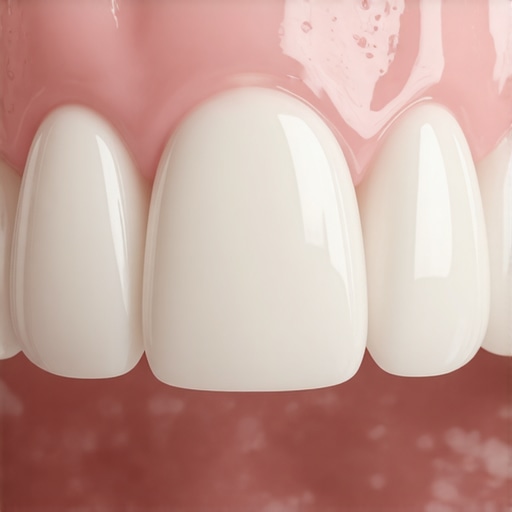
The Hidden Trap of the Forever Filling
We also tend to believe that once a cavity is filled, the tooth is ‘fixed’ forever. This is a dangerous misconception. I learned that the truth about the lifespan of composite tooth-colored fillings is that they eventually shrink, wear down, or develop micro-leaks. If you’ve been sitting on the same silver or composite filling for over a decade, there is a high probability that decay is quietly restarting underneath it. This is why child friendly dental care is so vital; it establishes the habit of monitoring these restorations before they fail and require an emergency trip to the dentist. Have you ever fallen into this trap of thinking a dental fix was ‘one and done’ only to have it surprise you years later? Let me know in the comments.I remember sitting at my kitchen table, nursing a lukewarm coffee because anything hotter felt like a lightning bolt hitting my jaw. I knew I should have called my dentist weeks ago. But life was busy. I had deadlines, school pickups, and a million other excuses. I told myself it was probably just a filling sensitive to pressure or a temporary flare-up. I was so wrong. By the time I finally admitted defeat and made the appointment, that manageable discomfort had morphed into a full-blown emergency. I learned the hard way that when it comes to the pulp of your tooth, time is the one thing you simply do not have. Waiting four weeks didn’t just hurt my jaw; it devastated my bank account and my peace of mind.
That Month of Procrastination Cost Me Way More Than a Root Canal
When I finally dragged myself into the clinic, I expected a quick fix. Instead, I was looking at a much more complex procedure because the infection had spread beyond the root. It is a common trap we all fall into: thinking a month is just a blip on the radar. In the world of oral health, however, thirty days is an eternity for bacteria to feast. I made the classic mistake of thinking I could handle a throbbing toothache with over-the-counter meds and a bit of grit. All I really did was give the decay a massive head start to reach the bone. By delaying, I bypassed the simple cleaning and ended up needing to learn about understanding dental crowns because the tooth structure was too compromised to stand on its own.
Is the Wait and See Approach Actually Dangerous?
The short answer is a resounding yes. You might think you are saving money by delaying the inevitable, but you are actually inviting a much higher bill and a lot more time in the chair. A straightforward root canal is one thing; treating a systemic infection or needing an emergency extraction is a whole different level of stress. According to the American Association of Endodontists, ignoring these symptoms can lead to a periapical abscess, which can cause significant bone loss around the root in a surprisingly short window of time. Have you ever tried to tough out a toothache only to have it wake you up at 3 AM? Beyond the immediate pain, there is the long-term structural damage to consider. If the tooth becomes too brittle or the infection too deep, you might even lose the tooth entirely. Then you are no longer talking about a simple root canal; you are looking at how to hide a missing tooth while you save up for an expensive implant. I nearly lost a molar because I thought I was being frugal by waiting for my next paycheck. The reality is that dental problems never, ever get cheaper or less painful the longer you wait. I want to help you avoid the expensive mistake I made by showing you exactly what happens under the surface while you are busy waiting for the right time to call.
Stop Trading Your Future Comfort for Temporary Savings
The moment you realize the pain isn’t leaving, you have to act. I spent three nights clutching a cold compress, desperately searching for how to manage tooth pain when you cant see a dentist immediately, only to realize that every hour I waited allowed the infection to burrow deeper into the jawbone. When you finally book that appointment, you transition from ‘crisis management’ to ‘reconstruction.’ The goal is no longer just stopping the throb; it is about saving the physical structure of your mouth. In my case, the decay had hollowed out the tooth so much that a standard filling was out of the question. This is where understanding dental crowns becomes essential. Think of a crown as a custom-fitted helmet for your tooth. It absorbs the pressure of chewing so the fragile, cleaned-out root underneath doesn’t fracture under the daily stress of eating.
What Actually Happens Inside the Treatment Room
The process is more mechanical and precise than you might expect. I remember the high-pitched hum of the tool as my dentist carefully reshaped the remaining enamel into a sturdy base to support the new porcelain cap. It is a detailed bit of engineering. If you are curious about the technical side, dental crowns explained the ultimate solution for damaged teeth covers how these restorations are crafted to match your bite and color perfectly. I sat there for nearly two hours, a mouthful of putty for the impression, realizing that a simple cleaning six months prior would have saved me this entire afternoon and a significant portion of my savings.
Keep Your New Restoration from Failing Early
Once the crown is in place, your job isn’t over. One of the biggest myths is that a crowned tooth is ‘invincible’ because the top is ceramic or porcelain. I learned the hard way that the margin—the tiny line where the crown meets your natural gum—is a magnet for plaque and bacteria. You have to know how to tell if your dental crown is leaking bacteria because if decay starts under that expensive porcelain, you are looking at a total failure of the root. I started using a dedicated flossing routine because I refused to let that investment go to waste. If you feel any snagging or notice a persistent odd taste, it is a sign that the seal has been compromised and needs professional attention.
Prevent the Next Crisis with a Family Routine
My emergency was a wake-up call for my entire household. We stopped treating the dentist like a ‘break glass in case of emergency’ service and started viewing it as essential maintenance. I started following a family dentistry guide building a lifetime of healthy smiles to ensure my kids never have to experience that 3 AM lightning-bolt pain. By integrating regular visits, you allow a professional to spot the micro-cracks and early shadows of decay that you simply cannot see in the bathroom mirror. This shift toward the role of family dentistry in ensuring oral health for all ages means the difference between a thirty-minute checkup and a multi-thousand-dollar restorative surgery. I now tell anyone who will listen: the cheapest dental work is the kind you get when nothing hurts.One of the biggest nuances I missed was thinking that ‘cosmetic’ always meant ‘optional.’ We often categorize things like expert cosmetic dentistry solutions as purely aesthetic choices for the vanity-conscious. But here is the contrarian truth: many cosmetic procedures are actually functional necessities in disguise. If you have a small gap and decide to fix a small gap between your teeth without braces, you aren’t just improving your selfie; you’re preventing food trap zones that lead to localized gum disease. Neglecting these minor alignment issues is a trap that often leads to the difficult choice between dental crowns vs other restorations down the road when the damage becomes structural.
Stop Calling It Vanity When It Is Actually Structural Support
The most common mistake patients make is viewing their teeth as individual, isolated units rather than a synchronized system. When one tooth is compromised, the entire bite shifts to compensate. This is why I eventually had to look into cosmetic dentistry trends for 2025, not because I wanted a Hollywood smile, but because my bite had become so uneven that I was cracking other healthy teeth. You might think you’re being practical by skipping a crown on a root-canaled tooth, but you’re actually inviting a catastrophic fracture. In fact, a study published in the Journal of Prosthetic Dentistry highlights that the marginal fit of a restoration is the single most critical factor in preventing recurrent decay. If that seal isn’t perfect, you’re essentially leaving a backdoor open for bacteria to destroy your investment from the inside out.
Why does my porcelain crown have a dark line at the gum line?
This is a question that plagues many people years after their procedure. That dark shadow is often the metal substructure of an older porcelain-fused-to-metal (PFM) crown showing through as the gums naturally recede with age. It is a classic sign that the restoration technology has aged. Modern dental crowns explained today often use all-ceramic or zirconia materials which eliminate this ‘gray ghosting’ effect entirely. If you’re seeing this, it’s more than just a cosmetic annoyance; it could be a sign that you need to check why your porcelain crown has a dark line at the gum line to ensure the underlying tooth is still protected.
The Hidden Trap of the Forever Filling
We also tend to believe that once a cavity is filled, the tooth is ‘fixed’ forever. This is a dangerous misconception. I learned that the truth about the lifespan of composite tooth-colored fillings is that they eventually shrink, wear down, or develop micro-leaks. If you’ve been sitting on the same silver or composite filling for over a decade, there is a high probability that decay is quietly restarting underneath it. This is why child friendly dental care is so vital; it establishes the habit of monitoring these restorations before they fail and require an emergency trip to the dentist. Have you ever fallen into this trap of thinking a dental fix was ‘one and done’ only to have it surprise you years later? Let me know in the comments.
The Tool That Saved My Porcelain Investment
I used to think my old manual toothbrush was doing the job, but my dentist was the one who pointed out the micro-recession starting around my new crown. I switched to a high-end sonic toothbrush specifically because of the built-in pressure sensor. Most people scrub too hard, which is a death sentence for the gum line protecting your crown. I chose a model that vibrates at 62,000 brush movements per minute because it creates microbubbles that reach areas my floss might miss. If you’re struggling with initial discomfort, learning how to stop your gums from hurting when you use a water flosser changed my morning routine entirely. It isn’t just about the power; it’s about the precision of the tip against the restoration margin. I’ve also started using the ‘C-shape’ flossing method with a specialized waxed thread that doesn’t shred against the sharp margins of a crown. It’s a technique often overlooked in any family dentistry guide building a lifetime of healthy smiles, but it’s critical for longevity. 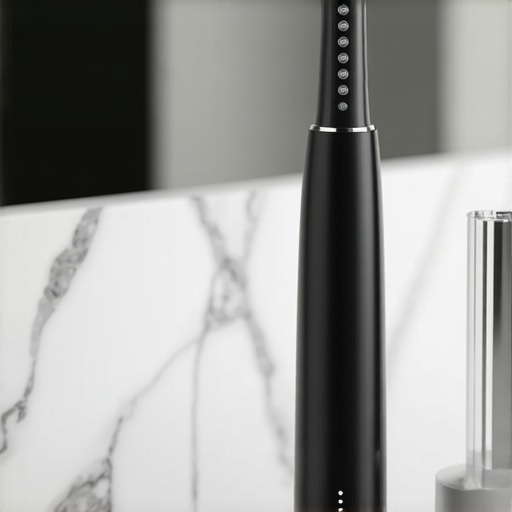
How can I make my dental work last twenty years?
Consistency is the boring truth, but the method matters more than the minutes spent. I started using a water flosser with a specialized tip designed for implants and crowns. This tool is non-negotiable if you need to know the best way to clean under a dental bridge to prevent smells. Bacteria trapped under a bridge can cause the anchor teeth to fail, which turns a single-tooth problem into a multi-tooth disaster. I also recommend a why a prophy treatment is much more than just a simple tooth cleaning every six months to clear out the calcified plaque that home tools simply can’t touch. This professional maintenance is what keeps the ‘cosmetic’ part of your smile looking natural. Without it, you’ll be constantly searching for cosmetic dentistry innovations to watch just to fix preventable wear and tear. Professional cleaning reaches the subgingival areas that even the best electric brushes miss.
Oral Tech Trends You Should Watch
We are moving toward a world where your toothbrush will likely sync with your dentist’s office in real-time. I expect AI-driven oral cameras to become a household staple by 2026, allowing us to catch that ‘shadow’ under a filling before it becomes a root canal. This proactive approach is the heart of the role of family dentistry in ensuring oral health for all ages. A clinical review in the Journal of Clinical Periodontology confirms that oscillating-rotating power brushes reduce plaque significantly more than manual brushes, which is why I’ve standardized this in my house. Following caring for your childs teeth essential family dentistry tips now ensures they won’t have to deal with the same expensive reconstruction I did. If you want to keep your smile intact, my top tip is to invest in a pressure-sensing electric toothbrush today and stop the ‘scrubbing’ habit that destroys enamel. Use the built-in timer to ensure you hit every quadrant equally, especially the hard-to-reach molars where crowns are most common.
The Most Expensive Mistake is Assuming Tomorrow is the Same as Today
Reflecting on that month of pain, the biggest lightbulb moment wasn’t about the procedure itself, but the biology of silence. Bacteria never takes a day off. While I was rationalizing my delay, the infection was aggressively re-engineering the environment inside my jaw. I learned that pain is actually the last signal your body sends, not the first. By the time you feel that lightning bolt, the window for a simple filling has often slammed shut. I also realized that budgeting for dental health is impossible if you only react to emergencies; the cost of a proactive prophy treatment is a mere fraction of the thousands I spent on restorative surgery. Lastly, don’t assume your options are limited; comparing dental crowns vs other restorations early on can help you choose the most durable path before a structural fracture makes the choice for you.
What I Carry in My Toiletry Bag to Protect My Investment
I have completely overhauled my daily routine to ensure I never end up back in that emergency chair. Here are the non-negotiables I trust for my oral health arsenal. First, a high-pressure water flosser is essential for clearing the hidden gaps that traditional string floss often skips, especially around the base of a new restoration. Second, I have integrated caring for your childs teeth essential family dentistry tips into my own routine, specifically using pH-balanced fluoride rinses that strengthen the enamel collar around my crown. Finally, I never skip a semi-annual professional cleaning. If you are dealing with minor alignment issues that trap food and invite decay, looking into how to fix a small gap between your teeth without braces can be a functional game-changer for long-term hygiene success.
Give Yourself the Gift of a Pain-Free Morning
If you are currently sitting there with a nagging sensation or a tooth that feels slightly off, please do not repeat my mistake. The anxiety of the appointment is always smaller than the reality of a dental crisis. Your future self will thank you for the thirty minutes you spend in the chair today. It is time to stop managing the pain and start reclaiming your health. If you are ready to put the lightning bolts behind you, it is time to contact us and get professional eyes on your smile. Have you ever delayed a dental visit only to regret the cost later? Let me know your story in the comments below.