I was staring at the glowing red numbers of my alarm clock—3:12 AM—and every single beat of my heart was being mirrored by a sharp, rhythmic stabbing in my lower left molar. I had spent the last two hours trying to convince myself that if I just found the perfect head angle, the pain would simply vanish into the night. Spoiler alert: it didn’t. I had made the rookie mistake of ignoring a dull ache for three days, thinking it was just a bit of minor sensitivity that would resolve itself. It turns out, I was dealing with a full-blown dental emergency, and I was completely unprepared for the psychological toll that nighttime pain takes on a person.
The Night My Molar Decided to Revolt
The first thing you need to know is that you aren’t alone, and you aren’t going crazy. When you’re lying there in the dark, every sensation is magnified, and the silence of the house makes the drumming in your jaw feel like a heavy metal concert. I remember feeling a mix of frustration and genuine fear. I’d spent years reading up on ensuring oral health for all ages, yet here I was, failing at the basics. I had skipped my last check-up because my schedule was packed, and now I was paying the price in lost sleep and absolute misery. We’re going to fix that for you right now. Today, I’m walking you through the exact steps to manage tooth pain when you can’t see a dentist immediately. Whether you think you’ve lost a filling or you’re worried about a deep infection, we’ll get you through to sunrise with your sanity intact.
Why does the pain feel so much worse the moment I lie down?
It’s not just your imagination playing tricks on you; there is a very real physiological reason your tooth acts like a drum kit once the sun goes down. According to the American Association of Endodontists, lying flat causes blood to rush to your head, which significantly increases the pressure on the already sensitive and inflamed nerves inside your pulpal cavity. This is why you might feel fine while sitting up on the couch, but the moment your head hits the pillow, the throbbing begins. Early in my own dental journey, I made the massive mistake of thinking a hot compress would soothe the ache. It actually made the throbbing significantly worse because the heat increased blood flow to the area even further. You really have to know how to tell if that bump on your gum is an abscess versus just a localized irritation before you start experimenting with home remedies. Sometimes, you might even be wondering how to tell if your toothache is actually a sinus infection, which can mimic dental pain so perfectly it’ll have you ready to pull out a perfectly healthy tooth. My goal is to help you triage the situation right now so you can actually get an hour or two of rest. Have you ever spent a night pacing the kitchen because of a toothache? Drop a comment below—I’d love to know I’m not the only one who has been through the 3 AM pacing ritual. Before we get into the cold compresses and salt water rinses, let’s look at why this happens and what it means for your next trip to the dentist.
Stack Your Pillows to Lower the Pressure
As I mentioned earlier, gravity is either your best friend or your worst enemy when you have a toothache. When I was pacing my kitchen at 3 AM, I finally realized that sitting upright in a recliner was the only way I could get the “heartbeat” out of my jaw. If you must stay in bed, use three or four pillows to keep your head significantly higher than your heart. This simple change reduces the blood pressure in the inflamed pulp of your tooth. It won’t cure the underlying issue, but it can be the difference between a panicked sprint to the emergency room and making it through the night. If you’re wondering how to tell if your toothache is a cavity or just sensitivity, the way it reacts to pressure when you lie down is often a massive clue.
Rinse Like Your Sleep Depends on It
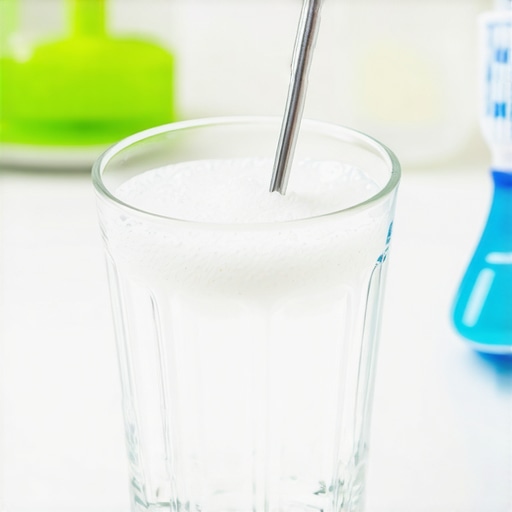
You’ve probably heard of the salt water rinse a thousand times, but people rarely do it right. You need about half a teaspoon of salt dissolved in eight ounces of warm—not hot—water. Swish it vigorously for at least 30 seconds, focusing on the area of the pain. The salt acts as a natural disinfectant and draws out some of the fluid that causes painful swelling through osmosis. During my “molar revolt” night, I did this every hour. It felt like a temporary reset button. It’s a foundational part of essential family dentistry tips because it’s safe for almost everyone and incredibly effective at cleaning debris from around a problematic area.
Don’t Use a Nail File on Your Teeth
Here is my “don’t be like me” moment. About two years ago, a piece of a molar chipped off, leaving a razor-sharp edge that was shredding my tongue. In a moment of sleep-deprived desperation, I actually considered using a metal nail file to smooth it down. STOP. Do not do that. You will destroy your enamel, potentially crack the root, and likely cause an infection that makes your current pain look like a tickle. Instead, learn how to fix a sharp edge on a tooth that is cutting your tongue using orthodontic wax or even sugarless gum in a pinch. If the hole is deeper, you need to know how to survive a weekend with a lost filling by using over-the-counter dental cement found at most pharmacies. This temporary fix seals the nerve away from air and bacteria until you can get professional help.
The Heavy Price of Waiting Too Long
I know the temptation is to wait until Monday morning to save on “emergency” fees, but if you have a fever, chills, or swelling that is moving toward your eye or down your neck, you need an emergency dentist immediately. Ignoring the pain often leads to the real cost of delaying a necessary dental crown, which isn’t just financial—it’s the risk of the infection spreading to your jawbone. If you have a damaged tooth, looking into dental crowns as the ultimate solution for damaged teeth can help you understand what the repair process will actually look like. Many people find that once they understand the procedure, the anxiety of visiting the clinic drops significantly. If you’re also caring for children, remember that ensuring oral health for all ages starts with acting on these signs early rather than hoping they disappear.
Once you survive that first night of throbbing pain, the conversation usually shifts toward fixing it for good. Most patients I talk to assume that getting a crown is the end of the road—a permanent, invincible shield that protects the tooth forever. But here is the contrarian truth: a crown doesn’t make your tooth indestructible; it actually makes it harder to detect new problems. In my experience, the set it and forget it mentality is exactly how people end up needing root canals years after a restoration. You have to treat a crown with more scrutiny than a natural tooth because the margin—where the porcelain meets your gum—is the most vulnerable point in your entire mouth.
Is Your Crown Hiding a Brewing Infection Beneath the Surface?
The most advanced mistake I see is ignoring a dull feeling simply because the tooth is covered by porcelain. According to a study published in the Journal of Prosthetic Dentistry, secondary caries—decay under an existing restoration—is the leading cause of crown failure, yet it often remains invisible on standard X-rays until it is quite advanced. This is why you need to know how to tell if your dental crown is leaking bacteria. If you notice a persistent metallic taste or a slight odor that flossing does not resolve, that is not just old crown behavior; it is a sign that the cement seal has failed and bacteria are feasting on the tooth structure underneath. Understanding when and why they are needed is only half the battle; the real expertise lies in maintaining the seal for a decade or more.
Stop Ignoring That Ugly Dark Line
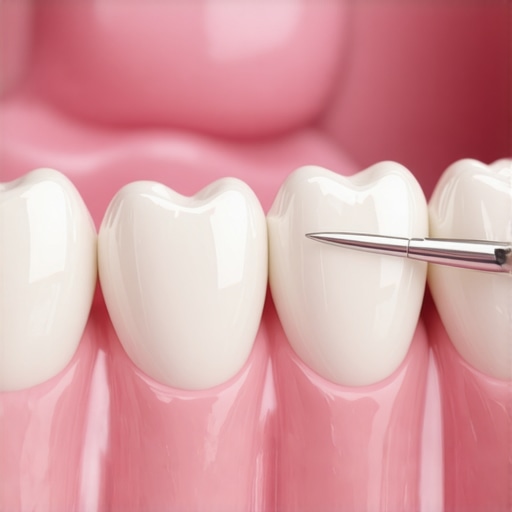
Another common nuance involves the intersection of aesthetics and health. Many people assume a shadow near the gums is just a sign of aging, but you should investigate why your porcelain crown has a dark line at the gum line. While it is often just the metal framework of an older PFM crown showing through, it can also signal gum recession that exposes the vulnerable root surface. If you are looking into top cosmetic dentistry trends for 2025, you will see that modern all-porcelain or zirconia options eliminate this issue entirely while providing a much tighter biological seal. Have you ever noticed your crown looking a bit off compared to your other teeth? Let me know in the comments—I have seen some wild DIY cover-up attempts that usually make things much worse.
The Deadly High Bite Trap
The oops factor that catches even the most diligent patients is the high bite. If your new crown feels even a fraction of a millimeter too tall, do not wait for it to settle. It will not. Unlike your natural teeth, which have a tiny bit of give thanks to the periodontal ligament, a crown can transfer that excess pressure directly to the nerve or even crack the opposing tooth. This is a nuance often missed in a standard family dentistry guide, but it is critical: a high bite can trigger a localized inflammatory response that mimics a full-blown infection. Don’t be afraid to go back to your dentist for a two-minute adjustment. It could save you from an unnecessary root canal later. Real oral health is not about the major surgeries; it is about the microscopic fit of your restorations and the daily diligence of your home care.
When you walk out of the clinic with a new restoration, the clock starts ticking on its lifespan. Most people think they are done once the anesthetic wears off, but the real work of preservation happens in your bathroom mirror. I’ve learned the hard way that a standard toothbrush is simply too blunt an instrument to clean the delicate interface where your crown meets your natural tooth. If you want to avoid a situation where you are wondering how to tell if your dental crown has a hidden crack, you need to upgrade your toolkit. Personally, I don’t consider my routine complete without a high-powered water flosser. Traditional floss often snags on the microscopic edges of the cement line, but a water flosser can flush out the gingival sulcus where bacteria love to hide. According to clinical evaluations by the Clinicians Report, founded by Dr. Gordon Christensen, irrigation is one of the most effective ways to manage biofilm around restorations, significantly outperforming manual flossing in hard-to-reach posterior areas.
How do I maintain my dental restorations over the long haul?
Longevity is a game of friction and pressure. If you are a night-time tooth grinder, your beautiful new porcelain doesn’t stand a chance without a custom-fitted night guard. I’ve seen patients crack expensive zirconia crowns in under six months because they refused to wear protection. If you use one, you also need to know the best way to clean a night guard to prevent odors and bacterial buildup, as a dirty guard can lead to gum infections right at the crown margin. In my own life, I treat my restorations like a high-performance vehicle—they need regular ‘oil changes’ in the form of professional cleanings. This is a core part of any family dentistry guide because professional-grade tools can remove calcified plaque that your home kit simply cannot touch. When you’re weighing dental crowns vs other restorations, remember that the ‘right’ choice is always the one you are willing to maintain with obsessive detail.
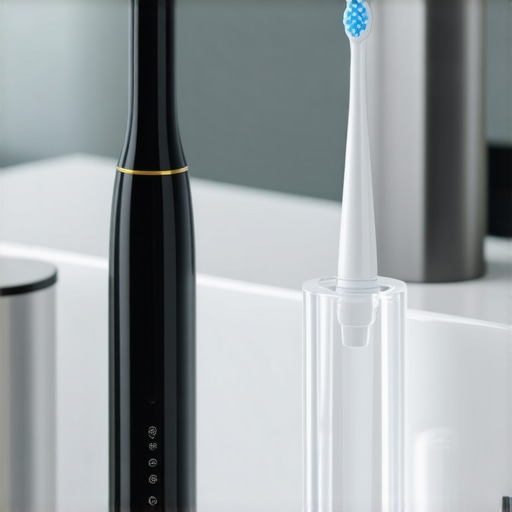
As we look toward the future, the way we manage these restorations is shifting toward bio-monitoring. I predict that within the next five years, we will see smart-brushes equipped with sensors that can detect changes in the pH levels of the saliva around specific teeth, alerting you to potential decay before it even shows up on an X-ray. We are already seeing this trend in top cosmetic dentistry trends for 2025, where the focus is moving from just ‘looking good’ to ‘smart health integration.’ If you’ve invested in your smile, don’t let it fail due to simple neglect. Whether you’re trying to transform your look with expert cosmetic dentistry solutions or just keeping your natural teeth healthy, the tools you use daily define your results. I challenge you to ditch the manual floss for one week and switch to a water flosser with a specialized ‘plaque seeker’ tip—you will be shocked at what your old routine was leaving behind.
Crucial Truths My Dentist Never Mentioned
After years of managing my own dental health and seeing the results of both neglect and over-care, I’ve realized a few things that aren’t usually in the patient brochures. First, your body’s pain threshold is a terrible indicator of health; by the time it hurts at 3 AM, the infection has often already breached the nerve. I’ve learned that the real cost of delaying a necessary dental crown isn’t just the price of the procedure, but the loss of healthy tooth structure that can never be grown back. Finally, don’t assume a restoration is permanent; you must constantly monitor how to tell if your crown needs to be replaced immediately to avoid underlying decay that can eat away at the root in total silence.
#IMAGE_PLACE_HOLDER_E#
My Must-Have Emergency Dental Kit
I never travel or even go through a holiday weekend without these three items. I swear by a high-quality water flosser because it reaches the margins of my dental work better than any string ever could. I also keep a pack of orthodontic wax; it’s a lifesaver for smoothing out sharp edges until you can get a repair. Lastly, I always have a tube of sugar-free dental cement for those rare moments a temporary pops off during dinner. These simple tools are the foundation of what I consider a modern family dentistry guide for real-world scenarios where things go wrong at the worst possible times.
Stop Fearing the Dental Chair
It is easy to let anxiety keep you away from the clinic, but modern innovations have made the process nearly painless and far more efficient. Whether you are looking into dental crowns as the ultimate solution for damaged teeth or just need a routine cleaning, taking that first step is the only way to ensure you aren’t pacing your kitchen floor again tonight. Your smile is an investment in your confidence and your long-term health. If you’re feeling overwhelmed by the technicalities of your treatment, don’t hesitate to reach out to a professional who can guide you back to comfort with a customized plan. Your future self will thank you for the sleep you saved. Have you ever tried a home remedy that actually made your toothache worse? Let me know in the comments below!