I was three bites into the most glorious, chewy sourdough bagel of my life when it happened—a sound like a dry twig snapping inside my ear canal. It wasn’t just a sound; I felt it deep in my skull. My partner paused, mid-chew, and asked, ‘Was that you or the toaster?’ It was me. My jaw. Again. For years, I just assumed I had a ‘musical’ face, but that morning, the clicking was followed by a dull, throbbing ache that didn’t quit until dinner. If you have ever felt that shot of panic when your jaw hitches mid-bite, you are exactly where I was three years ago. We are going to figure out why your jaw is acting like a rusty hinge and, more importantly, how to get you back to enjoying your favorite foods without the soundtrack. [image: a person holding their jaw in discomfort while trying to eat a sandwich]
That Annoying Sound That Ruins Every Brunch
For the longest time, I played it off. I’d tilt my head a certain way or take smaller bites of pizza to avoid the ‘pop.’ I even started noticing why my jaw aches every time I wake up in the morning, but I kept telling myself it was just stress. The truth is, your temporomandibular joint (TMJ) is one of the most complex gears in your body. It slides, it rotates, and when you’re wrestling with a chewy steak or a bagel, it’s under a massive amount of pressure. When that little disc of cartilage inside the joint slips out of place, you get the click. Have you ever had your jaw actually get stuck for a second? It’s terrifying, right? Drop a comment below if you’ve had that ‘stuck’ feeling, because I honestly thought I was the only one.
Is This Clicking Actually Going to Lock My Jaw Forever?
This is the big fear we all hide. We worry that one day we’ll yawn and just stay that way. While a total ‘lock’ isn’t a guarantee for everyone, ignoring the signs is a recipe for trouble. I made the massive mistake of thinking it would just go away on its own. Instead, I ended up needing extensive work because I was subconsciously grinding my teeth to compensate for the joint pain, eventually wondering about dental crowns as a solution for my damaged teeth. Even a simple procedure can feel different afterward, and I remember obsessing over why my jaw was sore after a filling replacement. The reality is that your jaw is a delicate ecosystem. According to the National Institute of Dental and Craniofacial Research, TMJ disorders affect over 10 million Americans, making it the second most common musculoskeletal pain condition behind only lower back pain. You aren’t just ‘seeing things’—this is a real physiological hurdle that needs a real plan of attack.
My Biggest Mistake Was Thinking It Was Normal
I used to think everyone’s jaw made noise. I really did. I’d sit there at dinner parties, hearing a soft *click-click* and assuming it was just the sound of eating. It wasn’t until I couldn’t open my mouth wide enough for a routine cleaning at the dentist that the lightbulb finally went off. My mistake wasn’t just ignoring the sound; it was ignoring the fatigue in my muscles. If your face feels tired after a meal, that’s your body waving a red flag. We’re going to dive into the specific triggers next, from how you chew to how your teeth actually meet.
Give Your Jaw a Weekend Off
Imagine your TMJ is like a high-performance engine that hasn’t seen an oil change in a decade. Every time you chomp on ice or tear through a stale bagel, you’re redlining that engine. I learned this the hard way at a summer BBQ. I went for the corn on the cob, and *crack*—not the corn, my jaw. It actually locked partially open, and I spent the next twenty minutes in the host’s bathroom, gently massaging my masseter muscles until I could finally close my mouth. It was embarrassing and painful. The first step to recovery is the ‘soft food sabbatical.’ We’re talking smoothies, mashed potatoes, and scrambled eggs for at least a week. It sounds boring, but it’s the only way to let the joint inflammation subside. If you find you’re doing this because of a structural issue, you might want to look into a family dentistry guide for building a lifetime of healthy smiles to see if your bite is the primary culprit.#IMAGE_PLACE_HOLDER_B#
Stop Clacking Your Teeth Like Castanets
We often don’t realize how much we punish our teeth throughout the day. I used to catch myself ‘testing’ the click—opening and closing my mouth just to see if it still made the noise. Stop doing that immediately. It’s like poking a fresh bruise to see if it still hurts; you’re only delaying the healing. You also need to train yourself to keep your teeth apart. ‘Lips together, teeth apart’ should be your new mantra. If you’re constantly hitting your teeth together, you might even need to learn how to stop your teeth from clacking when you speak. Constant impact creates micro-trauma. Think of it like a hammer hitting a nail; eventually, the nail bends or the head snaps off. In your mouth, that ‘bend’ manifests as joint displacement or even severely worn-down enamel that eventually requires dental crowns as an ultimate solution for damaged teeth.
Modern Solutions That Actually Work
Sometimes, no amount of mashed peas or mindfulness will fix a joint that’s fundamentally misaligned. This is where cosmetic dentistry innovations come into play. It’s not just about looking pretty; it’s about restoring proper mechanical function. I once had a filling that was just a fraction of a millimeter too high, and it threw my whole jaw out of whack for an entire month. If you’ve ever felt that ‘off’ sensation, you know why your porcelain crown feels too high when you bite down and how it turns every meal into a stressful chore. Professionals can use high-tech scans to see exactly where the pressure is hitting. This isn’t just about ‘fixing a click’; it’s about preventing the long-term wear that leads to you asking why your teeth look shorter than they did ten years ago.
Check Your Nighttime Habits
Most of the damage happens while you’re dreaming. If you wake up with a dull ache or a headache, you’re likely a ‘nocturnal warrior,’ grinding away the night. I used to wake up feeling like I’d been in a boxing match because my jaw was so tight. This is exactly why your jaw aches every time you wake up in the morning. A custom-fitted night guard acts like a high-grade shock absorber for your face. It’s a small, proactive investment to avoid the massive cost of repairing shattered molars or needing dental crowns when they are truly needed.
The Big Vanity Myth You Need to Forget
Let’s stop pretending that ‘looking good’ and ‘feeling good’ are two different departments in your mouth. One of the biggest fallacies I see—and one I fell for—is the idea that cosmetic dentistry innovations are just about vanity or social status. We often treat the family dentist like a simple mechanic: you go for a check-up or to fix a leak when things start to hurt. But dentistry, at its most advanced level, is more like structural engineering or high-performance physics. If your teeth aren’t perfectly aligned, the force of your bite—which can exceed 200 pounds of pressure on your molars—has to go somewhere. Usually, it doesn’t just disappear; it travels straight into your jaw joint or it becomes the real reason your porcelain crown keeps chipping prematurely. According to a study published in the Journal of Oral Rehabilitation, even minor occlusal interferences can lead to significant muscular adaptation and chronic pain that radiates into the neck and head. This is why a solid family dentistry guide for building a lifetime of healthy smiles is actually the primary foundation of pain management, not just a way to get a new toothbrush every six months. It’s about ensuring every gear in the biological machine works together without grinding the others into dust.
Can Small Cosmetic Fixes Actually Stop My Jaw From Clicking?
The short answer is yes, but it’s about the mechanics, not just the sparkle. When you look at dental crowns as an ultimate solution for damaged teeth, you should see them as protective shields that restore your natural chewing height. If your teeth have been worn down over time, your jaw has to close further than it was designed to, which puts the joint in a constant state of compression. This is the true essence of the role of family dentistry in ensuring oral health for all ages—it’s the long game of keeping your facial structure from collapsing. By restoring that height, you take the pressure off the joint and, in many cases, silence that annoying click once and for all. It is a nuanced balance that goes far beyond simply filling a cavity.
The Dangerous Trap of the ‘High’ Crown
Here’s the ‘oops’ factor most people encounter: the dangerous belief that a new restoration will just ‘settle’ over time. If you notice why your porcelain crown feels too high when you bite down, do not wait for it to fix itself. That micro-elevation acts like a speed bump for your jaw, forcing the muscles to work in a weird, zigzag pattern every time you chew. I once ignored a high spot for weeks, thinking I was just being sensitive and that my mouth would adapt. By the end of the month, the inflammation was so bad I couldn’t even drink water without my jaw throbbing. Your teeth don’t settle into the bone like a foot into a soft shoe; your ligaments actually become bruised and inflamed, leading to long-term joint trauma. 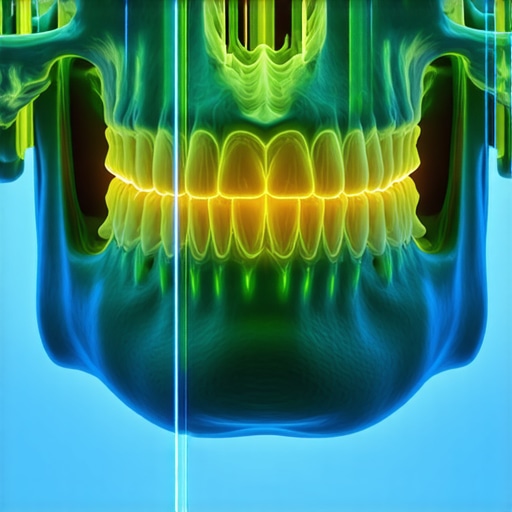 Dealing with this early is the difference between a simple five-minute adjustment and a massive headache later on. Have you ever fallen into the trap of thinking a dental issue was ‘just cosmetic’ only to have it turn into a real pain later? Let me know in the comments.
I used to think my water flosser was just a fancy gadget until I learned how to stop your gums from hurting when you use a water flosser by adjusting the pressure to a lower setting around my crown work. It is not just about keeping things clean; it is about stimulating the tissue around the restoration without causing micro-trauma. I personally use a model with a built-in timer because I tend to get distracted. If you are currently debating dental crowns vs other restorations which is right for you, remember that the maintenance habits you build now will determine if that investment lasts ten years or thirty.
Stop Guessing and Start Measuring
One of the biggest shifts in my personal care was moving away from ‘feeling’ and toward ‘data.’ I started asking my dentist for a T-Scan during my regular check-ups. Instead of just biting on that old-school blue carbon paper, this digital sensor maps out exactly how much force every single tooth is taking. According to research published in the Journal of Craniomandibular & Sleep Practice, digital occlusal analysis allows for a precision that physical articulating paper simply cannot match, identifying heavy contact points that are often the real reason your porcelain crown keeps chipping. This is why I always emphasize why your dental implant specialist needs a high-tech scan; without that data, they are just guessing where the pressure lands. 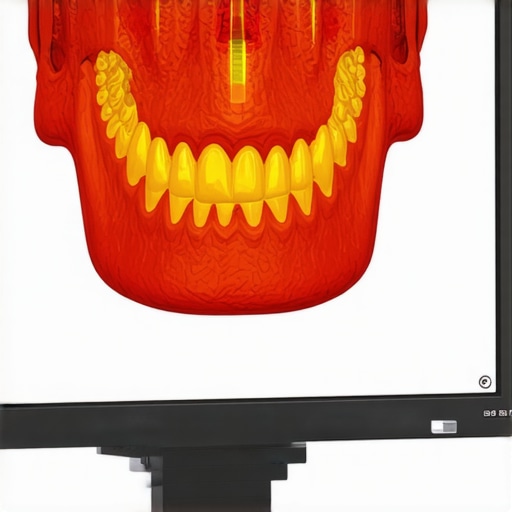
How can I maintain my dental work and jaw health over time?
The secret is consistency and the right kit. Beyond the high-tech scans, you need to be proactive about the environment in your mouth. If you are prone to stress, your masseter muscles will tighten, leading to that familiar click. I keep a physical therapy ‘jaw stretch’ guide on my bathroom mirror. It is part of the role of family dentistry in ensuring oral health for all ages—teaching us that the muscles are just as important as the enamel. I also recommend using a non-abrasive toothpaste to protect the glaze on your crowns, as some whitening brands can actually create micro-scratches over time.
What Your Dentist Sees in the Next Decade
The world of revamp your smile top cosmetic dentistry trends for 2025 is moving toward total biological integration. I predict that within the next decade, we will see AI-powered night guards that track your grinding patterns in real-time and send a report to your phone. We are already seeing the beginnings of this with smart brushes, but the real revolution will be in restorative materials that actually mimic the wear-rate of natural teeth. This means no more worrying about why your new filling feels sensitive to pressure weeks later because the material will move and flex exactly like your organic tooth structure would. Next time you are in the chair, don’t just ask for a cleaning—ask for a digital bite calibration. It is the single most effective way to stop jaw pain before it starts.
The Three Biggest Lies I Told Myself About My Jaw Pain
Looking back, I realize how much time I wasted by convincing myself that a clicking jaw was just a ‘quirk’ of my anatomy. The first lie was believing that if it doesn’t hurt, it isn’t broken. In reality, the click is the sound of your joint gasping for help. By the time the pain arrived, the damage to my bite was already significant. The second lie was thinking that dental work was purely about aesthetics. I finally understood the role of family dentistry in ensuring oral health for all ages when I saw how my misaligned molars were causing my facial muscles to overcompensate and tighten. Finally, I lied to myself that I could fix it with ‘willpower’ alone. You can’t think your way out of a mechanical joint issue; you need expert cosmetic dentistry solutions that address the physical alignment of your bite.
How to Actually Move Forward Without the Fear
If you are ready to stop the soundtrack of clicks and pops, you need a strategy that goes beyond standard brushing. I recommend starting with a ‘Bite Audit’ at your next visit. Don’t just settle for a quick check; ask about how your teeth distribute force. If you have existing work, weigh the pros and cons of dental crowns vs other restorations which is right for you to see if a structural upgrade is necessary. I also swear by a high-quality, custom-fit night guard—not a ‘boil and bite’ version from the drugstore, which can actually make TMJ worse by encouraging you to chew on the soft plastic. Finally, don’t forget the little ones in your life; caring for your child’s teeth with early orthodontic screenings can prevent them from ever developing these jaw issues in the first place.
Start Your Journey Toward a Silent Smile Today
You deserve to eat a meal without feeling like your face is under siege. Whether it’s a simple bite adjustment or a more comprehensive plan, taking that first step is the hardest part. Your jaw is the gateway to your overall health, and silence truly is golden when it comes to your TMJ. Don’t let another brunch go by where you’re more focused on your ‘clicking’ than the conversation. If you’re ready for a change, contact us today to see how we can help you find your way back to a comfortable, functional smile. #IMAGE_PLACEHOLDER_E#
What is the one food you’ve been avoiding lately because you’re worried about your jaw clicking or locking? Let me know in the comments below!