I’ll never forget the sound of my toddler hitting the pavement. It wasn’t just the thud; it was the metallic ‘tink’ of something small hitting the concrete. I looked down and there it was—a perfect, tiny, pearlescent front tooth. My heart stopped. I did what every panicked parent does: I grabbed it, rinsed it under the tap (huge mistake!), and tried to push it back into his gums while he screamed. Spoiler alert: that is exactly what you should not do. I spent the next three hours in tears, feeling like I’d failed ‘Parenting 101’ because I didn’t know the basic protocol for a dental emergency. It’s a gut-wrenching feeling, but I promise you, we can handle this together without the unnecessary drama I went through.
Stop the Panic and Handle the Gap Like a Pro
We’ve all been there—or we’re terrified we will be. Whether it’s a sports mishap or a clumsy trip over a rug, losing a tooth prematurely is a rite of passage no parent wants. Today, I’m breaking down the immediate steps you need to take to protect your child’s future smile. We aren’t just talking about a missing tooth; we’re talking about the foundation of their oral health. If you’ve ever wondered if child-friendly dental care is worth the investment before age five, this moment is your answer. I learned the hard way that my ‘save the tooth’ instinct was actually working against my son’s long-term health. The goal today is to give you a clear, calm checklist so you don’t make the same errors I did in that kitchen-sink moment.
Does a tiny baby tooth really matter if it was going to fall out anyway?
You might think, ‘Hey, it’s just a baby tooth. The Tooth Fairy was coming for it in a couple of years anyway, right?’ This was my exact logic after I calmed down. I was wrong. Baby teeth aren’t just place-holders; they are the scouts that guide adult teeth into position. When one gets evicted too early, the neighboring teeth often start to drift, leading to a crowded mess later. This is where the role of family dentistry becomes your best friend. Experts at the American Academy of Pediatric Dentistry (AAPD) actually warn that replanting a knocked-out baby tooth can damage the developing permanent tooth underneath. It’s a counter-intuitive fact that most of us don’t know until it’s too late. I remember thinking my son would need expensive cosmetic dentistry solutions before he even hit kindergarten. Luckily, our dentist stepped in with a plan. Have you ever had that split-second ‘oh no’ moment where you weren’t sure whether to call an ER or a dentist? Let’s get into the nitty-gritty of what you should do in the first ten minutes.First, locate the tooth immediately. When my son’s tooth hit the sidewalk, I scrambled like I was looking for a lost diamond. If you find it, pick it up by the crown (the chewing part), never the root. The root has delicate cells that are essentially the life support system for the tooth. If it’s a baby tooth, your dentist likely won’t put it back in to avoid damaging the permanent one, but if it’s an older child’s permanent tooth, every second counts. Knowing the best way to save a tooth that was knocked out in a fall can be the difference between a simple re-implantation and a lifetime of expensive replacements.
Take These Exact Steps in the First Sixty Minutes
Once you have the tooth, resist the urge to scrub it. This was my biggest fail. I thought I was being ‘clean’ by using soap and water, but I was actually stripping away the very fibers that allow a tooth to reattach. Think of the tooth root like a delicate seedling; you wouldn’t scrub the roots of a plant before putting it back in the soil. Instead, if there is dirt, give it a very quick, five-second rinse in cold water or milk.
Why You Should Reach for the Milk Instead of the Tap
If you can’t immediately put a permanent tooth back in the socket, you must keep it hydrated. Tap water is surprisingly hard on root cells because the pH doesn’t match our body’s natural chemistry. Milk, however, is a biological match that keeps the cells alive longer. I remember sitting in the car, clutching a lukewarm carton of 2% milk like it was a holy relic. If you don’t have milk, saliva works, but never let that tooth dry out. Even the best way to store a broken tooth until you see a dentist emphasizes that moisture is your primary goal. 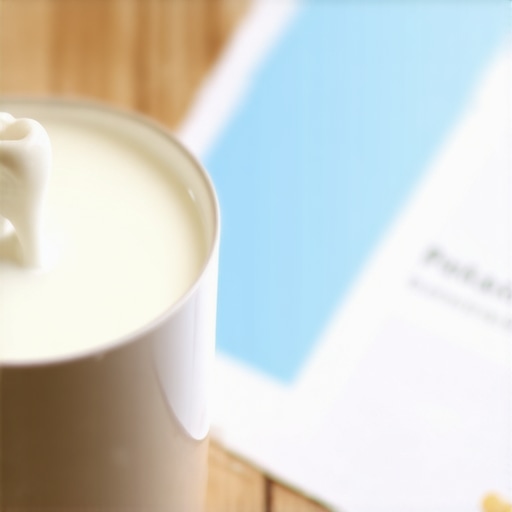
Keep the Neighbors From Moving Into the Empty Space
After the bleeding stops, focus shifts to caring for your childs teeth essential family dentistry tips to prevent long-term damage. If a baby tooth is gone too early, the mouth acts like a crowded bus—as soon as one seat opens up, the other teeth slide over. This shifting can block the adult tooth waiting below. Your dentist might suggest a ‘space maintainer’ to hold that gap open. Without it, you might find yourself researching how to stop teeth from shifting after losing a back molar much sooner than you planned.
Watch for Red Flags During the Healing Process
In my experience, the days following the accident are just as critical as the first hour. You need to keep an eye on the gum color. If the area turns dark purple or if your child complains of a persistent bad taste, it could indicate an infection or a lack of blood flow. While I feared my son would need dental crowns immediately, our dentist focused on monitoring the ‘scout’ position of the missing tooth. If the damage is severe, dental crowns vs other restorations becomes a necessary conversation to protect the integrity of their bite.Let’s dig deeper into the stuff the shiny brochures don’t tell you. Most parents assume that if a baby tooth is knocked out, the only concern is the physical gap. But there’s a nuance here that even seasoned parents miss: the concept of functional aesthetics in our family dentistry guide building a lifetime of healthy smiles. Everyone says cosmetic dentistry is for Hollywood stars or vanity-driven adults, but in my experience, transform-your-look-with-expert-cosmetic-dentistry-solutions often involves repairs that are vital for a child’s speech development and long-term self-esteem. If a child loses a front tooth at age three and isn’t expected to get the adult replacement until age seven, that’s four years of potential speech impediments and social anxiety. Challenging the ‘it’s just a baby tooth’ myth is the first step toward true expertise in your family’s oral health. We shouldn’t just be looking at basic survival; we should be looking at revamp your smile top cosmetic dentistry trends for 2025 as a way to integrate health and confidence from day one. The biggest ‘trap’ you can fall into involves the lifecycle of a restoration. Many people believe that once a tooth is capped, it’s bulletproof. I’ve seen this mistake lead to unnecessary extractions and painful surprises. A crown is only as good as its seal. If you don’t know how to tell if your crown is leaking and trapping bacteria, you might miss the subtle graying of the gumline or a faint ‘off’ smell that signals the structure is failing underneath. Even high-quality dental crowns require a ‘monitor and maintain’ relationship rather than a ‘set it and forget it’ mindset.
Why are my child’s adult teeth coming in behind the baby teeth?
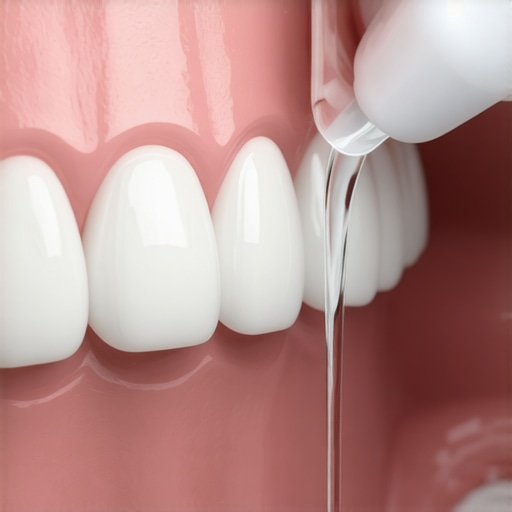
This is a question that sends many parents into a tailspin, often referred to as ‘shark teeth.’ It’s the perfect example of why nuanced knowledge matters. You might think it’s an emergency that requires immediate surgery, but why your childs adult teeth are coming in behind baby teeth is usually just a matter of timing and space. According to a clinical review in the Journal of the American Dental Association (JADA), ectopic eruption is often a self-correcting issue where the tongue eventually pushes the adult teeth into the correct position once the baby teeth finally depart. However, the hidden nuance here is that if the baby tooth isn’t even slightly loose, it might be ‘ankylosed’—meaning it’s fused to the bone. That’s when the advanced expertise of child friendly dental care specialists becomes invaluable to avoid long-term crowding. 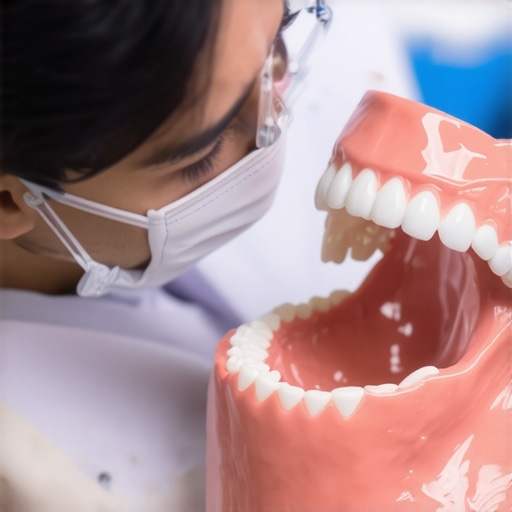 Have you ever fallen into this trap of ignoring a small change in your child’s mouth only for it to become a bigger issue later? Or maybe you’ve been surprised by how much ‘cosmetic’ work is actually functional? Let me know in the comments. We’re all learning as we go, and sharing these ‘oops’ moments is how we all become better advocates for our families’ health.Knowing when to pivot from survival mode to long-term maintenance is where the real skill of parenting comes in. I used to think a toothbrush was a toothbrush. Then my son got his space maintainer, and I realized I was bringing a knife to a gunfight. If you’ve ever noticed why your teeth feel furry even after you just brushed them, you know that manual scrubbing only goes so far. For us, the game-changer was a high-pressure water flosser. I don’t just recommend it because it’s fancy; I recommend it because it’s the only way to clear out the microscopic debris that lodges under space maintainers and dental crowns. A study in the Journal of Clinical Dentistry actually found that water flossers are up to 50% more effective than traditional string floss for improving gum health around dental hardware. When you’re caring for your childs teeth essential family dentistry tips, you need tools that account for their lack of dexterity.
How do I keep my family’s dental work in top shape for the long haul?
The secret isn’t just the tools; it’s the chemistry. I’ve started obsessing over the pH balance of the snacks I give my kids. We’ve all heard about understanding dental crowns when and why they are needed, but we rarely talk about the ‘micro-leaks’ that happen when we consume too many acidic drinks. Acid softens the cement holding those restorations in place. I now keep xylitol mints in my car—not for the fresh breath, but because xylitol stimulates saliva that neutralizes acid and protects the bond of our the truth about the lifespan of composite tooth colored fillings. If you can keep the environment in the mouth neutral, you aren’t just cleaning teeth; you’re preserving an investment.
The Smart Tech That Will Change Your Next Checkup
I truly believe we are entering an era where we won’t just guess if a restoration is failing. Looking at the revamp your smile top cosmetic dentistry trends for 2025, I predict that smart toothbrushes will soon incorporate sensors that can detect if a crown is leaking before you ever feel a twinge of pain. We are moving away from reactive ’emergency’ dentistry and toward a data-driven model where we catch problems at the molecular level. For now, your best defense is knowing how to tell if your crown is leaking and trapping bacteria through your own tactile checks. My advanced tip for you this week: try the ‘cold water test’—rinse with a bit of cold water and pay close attention to any sharp sensations around old fillings. If you feel a ‘zip,’ don’t wait for it to become a throb.
The Counter-Intuitive Truths of Pediatric Emergencies
Looking back on that frantic afternoon, I realize that the biggest hurdle wasn’t the missing tooth—it was my own lack of nuanced information. Here are the insider takeaways that shifted my entire perspective on child-friendly dental care:
- Speed beats sterility every single time. I was so worried about germs that I almost killed the living cells on the root. In a dental emergency, getting that tooth into a neutral environment like milk or the socket is significantly more important than making it look clean.
- The Ghost Tooth phenomenon. Even after a tooth is gone, your child’s brain and tongue will still act like it is there. This is why immediate consultation regarding space maintainers is vital; the mouth is a dynamic, moving environment that doesn’t like empty spaces.
- The ripple effect of early loss. It isn’t just about one tooth. A premature loss can change how your child eats, speaks, and even how they feel about their smile in school photos. Realizing that building a lifetime of healthy smiles starts with these small, high-stakes moments changed how I prioritize our checkups.
The Resources That Keep My Family Sane
You don’t need a medical degree to handle a dental crisis, but you do need the right toolkit. These are the items I now keep within arm’s reach to avoid another kitchen sink disaster:
#IMAGE_PLACEHOLDER_E#
- The AAPD Parent Portal: The American Academy of Pediatric Dentistry offers a wealth of clinical-grade information that is written for parents, not doctors. It is my go-to for checking if a symptom is a call now or a wait until Monday situation.
- Xylitol-Powered Protection: I have swapped sugary snacks for high-quality xylitol mints. They help maintain a neutral pH in the mouth, which is the best way to protect the integrity of any existing dental crowns or fillings.
- A High-Pressure Water Flosser: If your child ends up needing a space maintainer or orthodontic work, traditional floss won’t cut it. A water flosser is the only way to ensure the hardware doesn’t become a breeding ground for bacteria.
Your Foundation for a Lifetime of Healthy Smiles
We can’t wrap our kids in bubble wrap, and accidents are going to happen. But by moving from a reactive mindset to a proactive one, you are giving your child a gift that lasts long after the Tooth Fairy stops visiting. Whether you are navigating your first emergency or just looking to improve your daily routine, remember that family dentistry is a partnership between you and your provider. You have the tools and the knowledge now—go use them! Have you ever had a dental emergency that caught you completely off guard? Let me know your story in the comments below.