It happened on a Tuesday night. I was halfway through a bowl of stovetop popcorn—extra butter, extra salt—when I heard it. A sound like a dry branch snapping underfoot, but inside my skull. I froze. Then came the metallic tang of blood and the terrifying realization that the hard object in my mouth wasn’t an unpopped kernel. It was half of my molar. In that moment of pure panic, my first instinct was to grab a piece of toilet paper, wrap the fragment up, and shove it in my jewelry box for safe keeping. Looking back, that was the absolute worst thing I could have done. If you are sitting there right now with a tooth fragment in your hand and a gap in your grin, take a deep breath. We are going to fix this, but you need to act fast and avoid the mistakes I made during my first dental emergency.
That Sickening Crunch and What to Do Next
I know the feeling. Your heart is racing, and you’re wondering if you’ll ever look the same again. When I had my first major dental mishap, I didn’t realize that the way you handle those first ten minutes determines whether a family dentistry guide expert can actually save your natural tooth or if you’ll be looking at more complex cosmetic dentistry options down the road. Today, I am going to walk you through the precise steps to keep that tooth alive and viable. We’re talking about the ‘gold standard’ storage methods that pros use, and most of them are sitting in your fridge right now. Have you ever felt that instant wave of panic when you realize your smile just changed in a split second?
Is it actually possible to save a tooth that is already out?
Many people think once a tooth is broken or knocked out, it’s ‘dead’ and belongs in a scrap heap. That is a total myth. According to the American Association of Endodontists, a tooth can often be successfully replanted if it is kept moist and treated by a professional within 30 to 60 minutes. The cells on the root or the fragment need to stay hydrated to remain ‘alive.’ When I wrapped my tooth in a dry tissue years ago, I effectively dehydrated those cells, making it nearly impossible for the dentist to bond it back effectively. If I had known the best way to save a tooth that was knocked out in a fall, I might have avoided the expensive dental crowns explained in my later treatment plan.
Avoid the Common Tissue Trap
The biggest mistake is thinking that ‘clean and dry’ is the way to go. It isn’t. Your mouth is a wet environment, and that tooth fragment expects to stay that way. If you have the tooth, don’t scrub it with soap or brush it. You’ll destroy the very fibers needed for reattachment. Instead, we are going to look at why a simple glass of milk might be your best friend while you’re calling the emergency line. If the pain is starting to kick in, you might also need to know how to treat a throbbing toothache in the middle of the night while you wait for the sun to come up.
Pick it up by the top and leave the root alone
The moment you find that fragment, your instinct is to inspect it. Stop right there. If the tooth is fully out, only touch the chewing surface—the crown. Think of the root like a delicate piece of wet velvet; if you rub it or scrub it, you are effectively destroying the ‘hooks’ that allow a family dentistry professional to replant it. I remember when my cousin’s son knocked out a front tooth during a soccer match. A well-meaning parent tried to scrub the ‘dirt’ off the root with a jersey. That one act of ‘cleaning’ turned a simple replantation into a need for long-term cosmetic dentistry solutions. If it is dirty, rinse it for ten seconds in cold water, but never use soap and never, ever dry it off.
Why milk is actually a biological life support system
It sounds like an old wives’ tale, but a glass of cold milk is functionally a life-support pod for your tooth. The pH balance and proteins in milk keep the cells on the root surface from swelling and bursting. If you don’t have milk, you can actually tuck the tooth inside your cheek (if you’re an adult and won’t swallow it) to keep it bathed in saliva. This is critical because the best way to handle a knocked-out tooth in a sports injury is to ensure it never hits the open air for more than a few minutes. I’ve seen cases where a tooth kept in a specialized storage solution or even a simple cup of 2% survived for hours, whereas a tooth left on a nightstand was lost forever.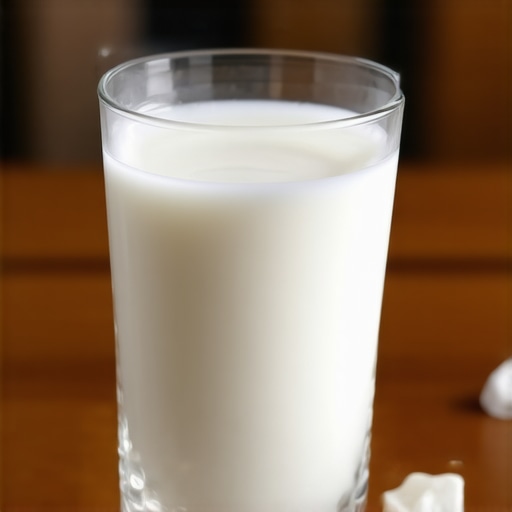
Don’t wait for the pain to tell you it’s an emergency
Adrenaline is a powerful masker. You might feel a dull throb rather than sharp pain, but that doesn’t mean the situation isn’t urgent. If your tooth is fractured rather than fully out, you might be wondering why your molar cracks when you are only eating something soft. Often, it’s a sign of underlying structural weakness or an old filling failing. Even if the nerve isn’t exposed, a crack is an open door for bacteria. This is how you end up needing to know how to tell if your crown is leaking and trapping bacteria later on. Getting to the clinic within the first hour increases the chances that the dentist can use the secret to making your dental bonding last more than five years to fuse the fragment back into place.
Prepare for the restoration talk
Once you are in the chair, the focus shifts from ‘rescue’ to ‘restoration.’ If the fragment is too small or the break is too jagged, you will likely start understanding dental crowns when and why they are needed. A crown acts like a helmet for your tooth, protecting what’s left of the natural structure. It’s a common transition, especially if the initial break was clean but deep. The goal is always to keep the root intact to prevent bone loss, even if the top of the tooth needs a complete ‘revamp.’ I’ve learned the hard way that a quick fix today usually prevents a massive surgery next year.I used to think that once I had my crown, that tooth was basically made of vibranium. I figured, ‘Hey, it’s porcelain, it can’t get a cavity, right?’ This is the biggest trap in family dentistry. While the crown itself won’t decay, the tiny sliver of natural tooth at the gum line—the margin—is actually more vulnerable than ever. If you slack on your hygiene, bacteria will find that microscopic seam and set up shop. This is why understanding dental crowns when and why they are needed is only half the battle; the other half is the maintenance. A study published in the Journal of Prosthetic Dentistry notes that the failure of fixed prosthodontics often stems from marginal decay, not the material failing itself. If you aren’t careful, you’ll find yourself searching for how to tell if your crown is leaking and trapping bacteria sooner than you think.
Is your crown actually trapping bacteria while you sleep?
It’s a sophisticated concern, but ‘micro-leakage’ is real. If the bond between the tooth and the restoration isn’t perfect, or if it degrades over time, you can get a ‘recurrent cavity’ underneath the crown where you can’t even see it. Unlike the truth about the lifespan of composite tooth-colored fillings, which might just discolor, a failing crown can compromise the entire root. This is where the artistry of cosmetic dentistry meets the rigors of engineering. You need a seal that is airtight. Have you ever fallen into this trap of thinking a dental fix was a permanent ‘get out of jail free’ card? Let me know in the comments. 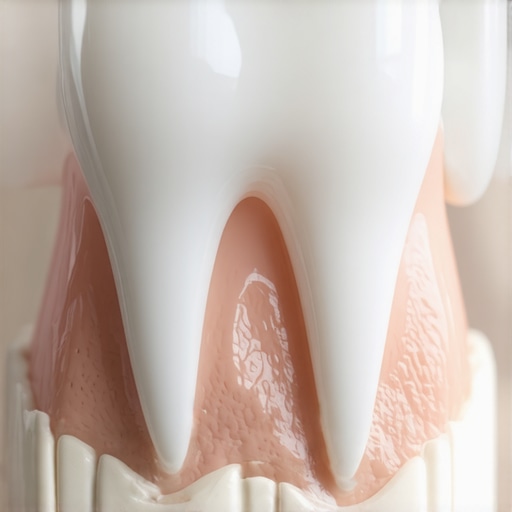
Why cosmetic dentistry isn’t just about the look
We often separate ‘health’ from ‘beauty,’ but in my experience, the best cosmetic dentistry solutions are the ones that prioritize structural integrity. A crown that looks like a Hollywood star’s but doesn’t fit your bite correctly will cause your jaw to ache or even lead to why your porcelain crown feels too high when you bite down. Real expertise involves balancing the aesthetics with the biomechanics of how you chew. If you are looking to enhance your confidence, make sure your provider is as obsessed with the fit as they are with the shade.I’ve spent thousands of dollars on my mouth over the years, and the biggest lesson I’ve learned is that a crown is only as good as the tools you use to clean it. I used to be a ‘string floss only’ purist until I realized that traditional flossing often misses the deep pockets around a restoration. Now, I swear by the Waterpik WP-660. It’s not just about the convenience; it’s about the targeted pressure that flushes out the ‘biofilm’ that manual brushing can’t reach. If you are worried about sensitivity, you should check out my guide on how to stop your gums from hurting when you use a water flosser. This one tool changed the way my gums reacted to my porcelain work almost overnight.
Stop Stress From Grinding Your Smile Away
You can have the most expensive cosmetic dentistry solutions in the world, but if you have a habit of clenching when you’re overwhelmed, you are basically trying to crush a diamond with a hammer. I didn’t realize I was a ‘night grinder’ until I saw the wear facets on my brand new crown. My dentist pointed out that how to stop clenching your jaw when you feel stressed is just as important as the procedure itself. I highly recommend getting a custom-fitted night guard. It’s a small price to pay to ensure you don’t wake up wondering why your porcelain crown feels too high when you bite down because you’ve shifted your bite overnight. #IMAGE_PLACE_HOLDER_D#
How do I maintain my dental restorations for a decade or more?
Maintenance isn’t just about what you do at home; it’s about the high-tech checks your family dentistry guide provider performs. I’ve noticed a huge shift in the industry toward precision diagnostics. According to a study in the International Journal of Computerized Dentistry, modern CAD/CAM technology has refined the ‘marginal fit’ of restorations to a point where they are nearly indistinguishable from natural enamel at a microscopic level. This is exactly why your dental implant specialist needs a high-tech scan before they even touch a drill. These scans ensure that the restoration isn’t just a patch, but a seamless integration.
Artificial Intelligence is Upgrading Your Next Visit
Looking forward, I predict we are going to see even more AI-driven diagnostic tools. Imagine a world where a computer can detect a failing bond before you even feel a twinge of pain. We are already seeing the beginnings of this with advanced imaging that highlights bone density changes. In the coming years, we’ll likely see augmented reality (AR) being used during consultations so you can see your final results before the first scan is even taken. This is already trickling down into the way we view cosmetic dentistry trends for 2025. This proactive approach is why I tell everyone that a why a prophy treatment is much more than just a simple tooth cleaning; it’s a data-gathering mission for your long-term health. If you are still using a manual toothbrush and cheap floss, my advice is simple: upgrade to an sonic-powered brush and a water flosser this week. It is the cheapest ‘insurance policy’ you can buy for your smile.
The Hard Truth About My Five-Thousand Dollar Molar
If I could go back to that Tuesday night with the popcorn, I’d tell myself that the true cost of a broken tooth isn’t just the dentist’s bill—it is the time spent worrying about whether the fix will hold. Through years of trials, I’ve realized that a restoration is a second chance, not a permanent shield. The margin where your crown meets your gum is the front line of your oral health. If you ignore that tiny seam, you are inviting trouble. I also learned that you should never wait for an emergency to find a partner in family dentistry. Having a baseline of health makes the ‘unfixable’ moments much easier to manage. Lastly, don’t let the fear of a high-tech bill stop you; modern diagnostics are the only reason my current smile feels as solid as it does.
Tools That Actually Stop the Cycle of Decay
You don’t need a cabinet full of gadgets, but you do need the right ones. My personal toolkit has been whittled down to the essentials that actually move the needle for someone with extensive dental work. I rely on a high-quality water flosser to reach the spots my manual brush simply can’t touch. If you have struggled with discomfort in the past, learning how to stop your gums from hurting when you use a water flosser will make your nightly routine much more sustainable. For those who have just invested in a brighter look, knowing the best way to soothe sensitive teeth after a whitening session is a game-changer for staying consistent with your care. I also suggest keeping a physical log of any ‘weird’ sensations, like why your jaw aches every time you wake up in the morning, so you can address grinding before it snaps another expensive porcelain restoration.
Your Next Appointment Can Be Stress-Free
The transition from a dental emergency to a stable, beautiful smile is a journey of small, consistent steps. Whether you are currently weighing the pros and cons of dental crowns vs other restorations which is right for you or you are just looking to maintain the health you have, the power is in your hands. You don’t have to be a victim of a ‘bad tooth’ genetic lottery. With the right mix of cosmetic dentistry solutions and a proactive mindset, you can build a smile that lasts a lifetime. Don’t be afraid to ask for that high-tech scan or that custom night guard; these are the investments that keep your natural teeth where they belong—in your mouth. Have you ever had a dental emergency happen at the absolute worst possible time? Let me know your story in the comments below.