I was standing on the sidelines of a middle school soccer game, coffee in hand, when it happened. My nephew, Sam, collided with a defender while going for a header. There was no scream—just a stunned silence and a tiny white object bouncing on the turf. In my panic, I did exactly what you’re never supposed to do: I picked that tooth up by the root, wiped the dirt off with my shirt, and tried to wrap it in a dry napkin. I thought I was being ‘clean’ and ‘helpful,’ but I was actually destroying the delicate periodontal ligament cells. That day was a frantic, expensive lesson in why knowing the basics of emergency dental response is non-negotiable for every parent and coach. We ended up in the chair of a local dentist within forty minutes, but those forty minutes felt like an eternity because I didn’t have a plan. Today, I’m going to make sure you never feel that same ‘deer in the headlights’ terror when a sports injury strikes. We’re going to walk through the immediate steps to stabilize the situation and increase the odds of a successful replantation. Have you ever had one of those heart-stopping moments on the sidelines where a tooth just… disappears? It’s a nightmare, isn’t it?
Grab the Crown and Skip the Scrubbing
When you see a tooth on the ground, your instinct is to clean it. Resist that urge. You should only handle the tooth by the chewing surface—the crown—and never the root. My early mistake was trying to ‘sanitize’ the root with my thumb, which effectively killed the living tissue. If it’s dirty, a quick five-second rinse in cold water or milk is all you need. You aren’t trying to make it sterile; you’re trying to keep it alive. This is a true dental emergency that requires a cool head. While we often focus on how to keep your child’s mouth safe with guards, accidents happen, and the next sixty minutes are the most critical of your life. According to the American Association of Endodontists, a tooth that is replanted within 30 to 60 minutes has the highest success rate for long-term survival. After that window, the cells begin to die, and you might be looking at cosmetic dentistry solutions like crowns or implants much sooner than you’d like.
Is a tooth actually worth saving if it has been out for an hour?
You might be skeptical, thinking it’s easier to just move on to a bridge or an implant, but nothing beats your natural tooth structure. Even if you have to manage a loose tooth in an adult following an impact, keeping the root in the socket maintains your jawbone density. If the tooth stays out too long, the bone begins to resorb. That’s why I always tell my neighbors to keep a small container of saline or even just a glass of milk nearby during tournament weekends. If you can’t gently slip the tooth back into its socket immediately, keeping it moist is your only hope. Once the tooth is stabilized, you need to find an emergency dentist immediately to splint it in place. We are going to dive into the exact ‘Save-a-Tooth’ kit you should have in your gym bag and how to handle the pain while you’re in transit.
Keep the Tooth Alive While You Race to the Clinic
The most important thing to realize is that a knocked-out tooth is essentially a living organ that has been detached from its blood supply. Think of it like a transplant patient; every second the ‘organ’ is out of its natural environment, the cells on the root surface are dying. If you can, gently push the tooth back into its socket. I know it sounds cringeworthy, but the socket is the best ‘refrigerator’ for that tooth. When I was with Sam, I was too scared to do this, fearing I’d cause more pain, but family dentistry experts agree that immediate reinsertion is the gold standard for caring for your child’s teeth during a crisis. If it won’t go back in easily, don’t force it. Move to plan B.
Why Milk is Actually a Lifesaver
If the tooth won’t stay in the socket, your next best friend is a cold glass of milk. It’s not about the calcium; it’s about the pH balance and the sugars that keep the root cells alive. If you use tap water, the cells will literally burst because of the chemical imbalance. I once saw a coach try to use Gatorade—don’t do that! The acidity is a death sentence for the ligament. If you’re on the go and have nothing else, have the person spit into a cup and keep the tooth submerged in their own saliva. It’s gross, but it works. 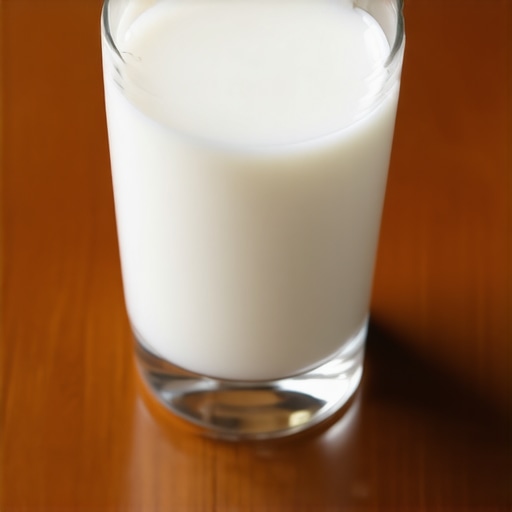
Control the Bleeding Without Panicking
Your child’s mouth is going to bleed—a lot. It looks much worse than it usually is because saliva spreads the blood around. Use a clean piece of gauze or a folded-up handkerchief to apply firm, steady pressure to the empty socket. Don’t keep lifting it to check; just hold it for five full minutes. While you’re doing this, you should already be on the phone with an emergency dentist. If you can’t get through, knowing how to manage tooth pain when you can’t see a dentist immediately becomes your top priority. Use an ice pack on the outside of the cheek to reduce swelling and numb the area naturally.
What Happens Once You Reach the Chair
When we finally got Sam to the dentist, they didn’t just glue the tooth back in. They used a flexible wire to ‘splint’ the knocked-out tooth to the healthy neighbors. This holds it steady while the bone re-attaches. Sometimes, the trauma is too great, and the tooth eventually darkens. This is where expert cosmetic dentistry solutions come into play later on. If the tooth can’t be saved, you might eventually need dental crowns to restore the gap. But remember, the real cost of delaying a necessary dental crown or emergency visit isn’t just financial—it’s the health of the surrounding bone. Even if it’s a baby tooth that got knocked out, you should still call, though the protocol for handling a knocked-out baby tooth is different since we don’t want to damage the permanent tooth underneath.Once the adrenaline fades and the emergency splint is in place, most parents breathe a sigh of relief. We assume the hard part is over. However, this is where a common, and frankly dangerous, misconception takes root: the idea that once a tooth is capped or restored, it’s ‘invincible.’ In my years navigating the world of family dentistry, I’ve seen this ‘set it and forget it’ mentality lead to more secondary tooth loss than the original injuries themselves. While we aim for top cosmetic dentistry trends for 2025 that prioritize aesthetics, the structural reality is far more complex. You aren’t just buying a new tooth; you’re managing a biological interface.
A Crown is Not a Suit of Armor
Many people believe that once a dentist places a crown, that tooth is shielded from decay forever. This is the ultimate trap. In reality, a restored tooth requires even more meticulous care than a natural one. The margin—the tiny seam where the crown meets your natural gum line—is a magnet for plaque. If you aren’t providing child-friendly dental care or maintaining your own hygiene, bacteria will find that seam. According to the Journal of Conservative Dentistry, the most common reason for crown failure isn’t the material breaking, but ‘recurrent caries’ or decay at the margin. This is why you might notice why your porcelain crown has a dark line at the gum line; it’s often a sign that the seal is compromised or the gum is receding, exposing the underlying structure.
How to Tell if Your Dental Crown is Leaking Bacteria?
This is the question that separates the beginners from the pros. A ‘leaking’ crown doesn’t always hurt. Often, the first sign is a persistent, slightly sweet or metallic taste, or a faint odor that doesn’t go away with brushing. If you feel a slight ‘squish’ when you bite down, or if the floss catches consistently on the edge, you need to know how to tell if your dental crown is leaking bacteria before the internal structure rots away. 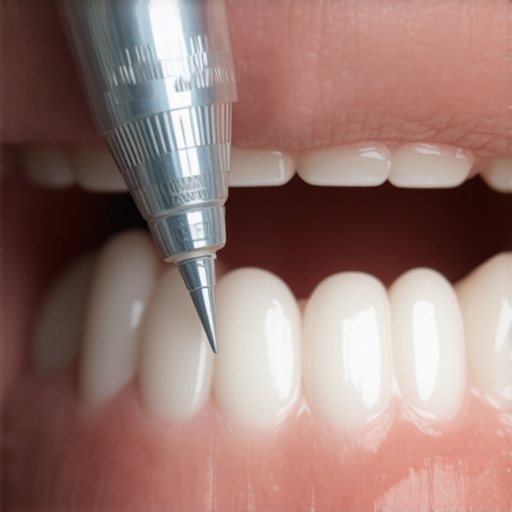
The Real Cost of Functional Cosmetic Work
We often talk about cosmetic dentistry as if it’s purely for vanity, but for an athlete like Sam, it was about restoring his ability to chew and speak correctly. However, the ‘oops’ factor here is choosing aesthetics over longevity. A thinner, prettier veneer might look great on Instagram, but if the patient grinds their teeth, it will fail in months. This is why understanding dental crown needs is vital; sometimes you need the strength of zirconia over the translucency of porcelain. If you’ve ever had a restoration feel ‘high’ or ‘off’ after the numbing wears off, don’t ignore it. That tiny misalignment can cause a hairline fracture in the root. Have you ever fallen into the trap of thinking a crown was a permanent, maintenance-free fix? Let me know in the comments—I’d love to hear how you handled the transition from emergency care to long-term maintenance. If you’re currently dealing with a restoration that feels ‘off,’ don’t wait for it to fail. It’s time to contact us and ensure your investment is actually protected.I’ve spent a significant amount of time in the chairs of various specialists, and if there is one thing I’ve learned, it’s that your dentist is your architect, but you are the site manager. After Sam’s emergency, I realized that my own oral hygiene routine was stuck in the nineties. I was still using a manual brush and cheap string floss that shredded between my crowns. To truly protect those high-end restorations, you need tools that match the level of engineering in your mouth. I personally switched to the Waterpik Ion, and it was a game-changer for my family dentistry goals. Unlike older models, this one allows for micro-adjustments in pressure that don’t traumatize the gum tissue while effectively clearing out the bacteria hiding under margins.
Ditch the Manual Floss for Good
Standard floss is great for tight gaps, but it often fails when you have complex dental work. If you have a bridge or multiple restorations, you need to master the best routine for cleaning under a dental bridge to avoid inflammation. I started using super-floss—the kind with the stiffened end—and it made navigating Sam’s splint so much easier. This isn’t just about ‘cleaning’; it’s about mechanical debridement of the sulcus where your natural tooth meets the porcelain. 
How do I maintain my dental crowns and restorations over time?
Maintenance is a marathon, not a sprint. The secret weapon I recommend to everyone is a custom-fitted night guard. Even if you don’t think you grind your teeth, the stress of modern life usually manifests in ‘micro-clenching’ during REM sleep. This pressure can cause a dental crown to fail prematurely. Once you have one, you must learn the best way to clean a night guard to prevent odors and bacterial buildup. Beyond the daily habits, you have to acknowledge that why your child needs a professional cleaning even with perfect brushing applies to adults with restorations too. A hygienist uses ultrasonic scalers that can vibrate away tartar in places your brush simply cannot reach.
Digital Blueprints and the Future of Your Mouth
Looking ahead, the world of top cosmetic dentistry trends for 2025 is moving toward fully digital workflows. We are moving away from the messy, gag-inducing putty impressions toward 3D intraoral scans that create a ‘digital twin’ of your mouth. The American Dental Association (ADA) Center for Evidence-Based Dentistry recently published data suggesting that AI-enhanced diagnostic software can now detect early-stage decay under existing restorations with 20% higher accuracy than the human eye alone. This means we can catch a ‘leaking’ crown years before it becomes a painful abscess. This technology is becoming the backbone of a solid family dentistry guide for building a lifetime of healthy smiles. My advice? When you go in for your next checkup, ask your dentist if they use digital scanning for their crowns. It’s a higher standard of care that ensures a much tighter fit. I challenge you to try using an interdental brush (like a Proxabrush) just once this week between your molars—you will be shocked at what your normal toothbrush has been missing.
The Hardest Truths About Living with Dental Restorations
After navigating Sam’s injury and my own dental journey, I’ve realized that the most important lessons aren’t found in a waiting room brochure. First, there is an invisible clock on every piece of dental work. Even with the best family dentistry guide for building a lifetime of healthy smiles, your daily habits determine if a crown lasts five years or twenty. Second, don’t chase a Hollywood white if it compromises your underlying enamel. A tooth that is biologically sound is far superior to one that looks perfect but is actually leaking bacteria and needs to be replaced immediately. Finally, remember the Foundation First rule: the health of your gums is the only thing keeping that expensive restoration in place. If the gums recede, the crown is exposed, and the cycle of decay starts all over again.
My Personal Arsenal for Protecting Your Investment
To keep your smile intact and functional, you need a toolkit that goes beyond a basic drugstore toothbrush. I personally trust these three things above all else: 1. The Waterpik Ion: It is the gold standard for reaching debris under margins where traditional floss often fails. 2. Xylitol-based products: Maintaining a neutral pH in the mouth is a secret weapon when you are weighing the pros and cons of dental crowns vs other restorations. 3. Pressure-sensitive brushes: Preventing gum recession is the only way to avoid those unsightly dark lines that often plague older dental work. #IMAGE_PLACEHOLDER_E#
Take the First Step Toward a Fear-Free Smile
Navigating the world of family dentistry can feel overwhelming, especially after the adrenaline of an emergency fades, but you are now equipped with the knowledge to handle the crisis and the long-term maintenance that follows. Whether you are curious about cosmetic dentistry innovations to watch or simply want to keep your natural teeth as long as possible, being proactive is your best defense against the chair. Have you ever experienced a sudden dental injury, or are you currently debating between different types of crowns? Let me know your story in the comments below!