I remember the first time I ran my tongue across the back of my lower incisors after a deep cleaning. I froze. Instead of the smooth, solid wall of tooth I was used to, I felt these strange, jagged edges that felt sharp enough to cut a steak. I actually pulled over my car, flipped down the visor mirror, and stared into my mouth, convinced the hygienist had slipped and chipped every single one of my teeth. It was a moment of pure, unadulterated panic. If you are sitting there right now, frantically poking at your ‘new’ teeth and wondering if you have been sabotaged, I have been exactly where you are. I spent years neglecting the importance of consistent family dentistry, and the result was a buildup so thick I forgot what my own teeth actually felt like. Today, I want to talk about why that razor-sharp sensation is actually the best news your mouth has had in years and how to handle the weirdness that follows a scaling and root planing session.
The Day I Thought My Dentist Chipped My Front Teeth
I’ll be honest: I made a huge mistake early on by assuming that because my teeth felt ‘smooth’ before the appointment, they were healthy. In reality, they were just paved over with tartar. I had created a ‘calculus bridge’—a solid wall of hardened plaque that masked the natural gaps between my teeth and made them feel like one continuous block. When your dentist performs a deep cleaning, they are removing years of calcified bacteria that have literally moved in and started destroying your support structures. If you have ever wondered why your teeth feel gritty or strange after a visit, it is usually because the debris is finally gone. According to the American Academy of Periodontology, removing this calculus is the only way to stop the progression of gum disease and prevent tooth loss, even if the immediate aftermath feels like your mouth has been through a construction zone.
Did the hygienist actually shave down my enamel?
It is the number one fear I see in my neighborhood dental groups. We get so used to the ‘bridge’ of tartar connecting our teeth that when it is gone, the natural gaps feel massive and the edges feel raw. You aren’t feeling damage; you are finally feeling the actual anatomy of your teeth for the first time in a long time. It is like taking off a heavy, stiff winter coat—suddenly, everything feels exposed, light, and sensitive to the breeze.
Why Your Tongue Suddenly Thinks Your Teeth Are Razors
Your tongue is a remarkably sensitive ‘inspecting tool.’ When the inflammation starts to subside after treatment, you might also notice that your gums are still sore or have pulled back slightly to their healthy position. This ‘sharpness’ is often just the crisp, clean edge of a tooth meeting a gum line that is finally free of infection. It takes your brain a few days to recalibrate to the new landscape. Have you ever left the dentist feeling like your mouth was more ‘broken’ than when you walked in? I certainly did, and I almost didn’t go back for the second half of the treatment because I was so spooked. But trust me, that sharp feeling is the sensation of a clean slate. Next, let’s look at how to manage that sudden sensitivity and stop your tongue from obsessing over the new gaps.
Stop the Stinging with These Daily Adjustments
The first 48 hours after a deep cleaning are the most intense because those newly exposed surfaces haven’t had time to ‘harden’ to the environment. I made the mistake of chugging an iced coffee right after my appointment and nearly hit the ceiling from the shock. To survive this phase, switch exclusively to lukewarm water for brushing and rinsing. You should also start using a desensitizing toothpaste containing potassium nitrate. Think of this as a temporary shield that blocks the microscopic pathways to the nerves. If the discomfort persists, learning the best way to soothe sensitive teeth can apply here just as well as it does for whitening treatments. 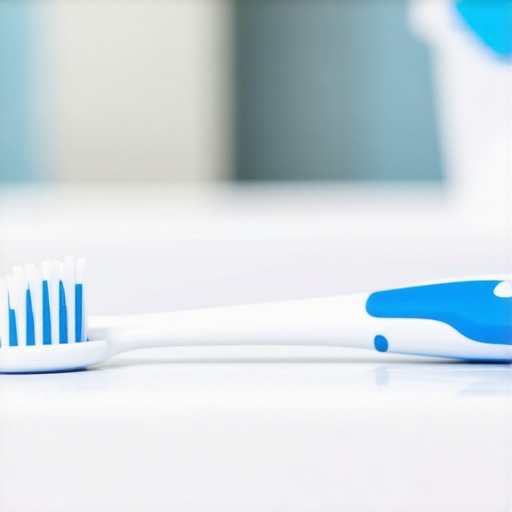
Retrain Your Tongue to Ignore the Gaps
Your tongue is like a bored toddler; if there is something new in its playground, it will poke it until it hurts. I spent three days straight obsessively checking those ‘jagged’ edges, which actually made my tongue raw and my jaw sore from the constant searching. The trick is to consciously relax your jaw. If you find yourself exploring, take a sip of water or focus on your breathing. This gives your tongue a rest without irritating the healing gum tissue. Remember that your gums are still sore for a reason—they are reattaching to the clean tooth surface, and physical interference slows that process down.
Why Your Flossing Routine Must Change Now
Now that the calculus bridge is gone, you finally have the space to clean between your teeth properly. This is where I messed up the most. I was so afraid of the new gaps that I went into over-cleaning mode. I grabbed the thickest floss I could find and started sawing at my gums like I was cutting down a tree. Within twenty-four hours, I was bleeding and panicked. Don’t do that. Use a thin, waxed floss or a water flosser on the lowest setting. The goal is to remove new plaque without traumatizing the tissue that is trying to heal. If you are managing a household, sharing these essential family dentistry tips with your kids can prevent them from ever needing the heavy-duty scaling you just endured.
Tell the Difference Between Healing and a Real Problem
While sharpness is normal, some sensations are red flags. If you feel something ‘catching’ when you chew, or if a specific spot feels like it is moving, it might not be tartar removal—it could be an issue with an existing restoration. For example, knowing how to tell if your crown is leaking is crucial because the deep cleaning might have revealed a margin that was previously hidden by gunk. Similarly, if you have older dental work, you might notice why your dental bridge feels loose once the glue of tartar is gone. If the sharpness is accompanied by a foul taste or localized swelling, call your dentist immediately. Otherwise, embrace the light feeling in your mouth—it means you are finally winning the battle against gum disease.I used to think that once a tooth was ‘fixed’ with a crown, I could stop worrying about it. It’s a common trap I see all the time in the world of family dentistry. We treat these restorations like they are indestructible bionic parts, but that mindset is exactly what leads to emergency appointments. Let’s dig deeper into the nuance of dental work that most people overlook.
A Crown Is Not a Suit of Armor
The biggest mistake I ever made was assuming my crown was a ‘set it and forget it’ solution. In reality, a crown is only as good as the seal where the porcelain meets your natural tooth. If you think a restoration makes a tooth immune to cavities, think again. Bacteria are opportunistic; they don’t eat the porcelain, but they love the microscopic gap at the gum line. This is why dental crowns explained properly should always mention the risk of ‘margin leakage.’ If that seal fails, decay can hollow out your tooth from the inside while the crown still looks perfectly fine on the outside. Have you ever fallen into this trap, thinking your dental work was a permanent shield? Let me know in the comments.
How do I know if my old dental work is actually failing beneath the surface?
Most people wait for pain, but by the time you feel a throb, you are likely looking at a root canal. Sophisticated oral health management means looking for the ‘silent’ signs. If you notice a gray shadow near the gum line or if you find why your dental bridge feels loose when you chew, those are your early warnings. According to the American College of Prosthodontists, the most common reason for crown failure is recurrent decay at the margin, not the material itself breaking. This is why a simple family dentistry check-up involves the dentist poking at those margins with an explorer tool; they aren’t looking for chips, they are looking for ‘stickiness’ that indicates a breach in the seal. 
The Aesthetic Trap in Cosmetic Procedures
We see cosmetic dentistry trends and think about the end result—the perfect, white Hollywood smile. But here is the hidden nuance: cosmetic dentistry is still restorative dentistry. If you prioritize the ‘look’ without addressing the underlying bite mechanics, those expensive veneers will pop off or chip within years. I’ve seen people spend thousands on expert cosmetic dentistry solutions only to realize their jaw clenching was the real enemy all along. Before you dive into a total ‘smile revamp,’ you have to ensure the foundation is solid. Otherwise, you’re just putting a fresh coat of paint on a crumbling house. Knowing which restoration is right for you requires an honest conversation about your habits, not just a look at color swatches.
The Gear That Actually Keeps My Crowns From Failing
After spending years in and out of the chair, I realized that the standard soft-bristle toothbrush is just the entry-level requirement. If you want to protect a significant investment, you need to go deeper. For me, the game-changer was switching to a high-powered water flosser. I use it at a 90-degree angle specifically targeting the margins of my restorations. This isn’t just about food; it is about flushing out the biofilm that likes to colonize the edge where the crown meets the gum. If you have ever felt why your dental bridge feels loose, it is often because that margin has been compromised by plaque you simply couldn’t reach with string.
Stop Wasting Money on Cheap Drugstore Tools
I’ve learned the hard way that a generic ‘boil-and-bite’ night guard is a recipe for disaster. If you have veneers or crowns, clenching your jaw at night is like putting your teeth in a slow-motion nutcracker. I personally use a custom-fabricated occlusal splint from my dentist because it is calibrated to my specific bite. According to a study published in the Journal of Oral Rehabilitation, custom-made occlusal splints significantly reduce the risk of ceramic fractures in patients with bruxism by distributing pressure evenly across the dental arch. Using a cheap version can actually cause your bite to shift, leading to a situation where you are looking up how to fix a jagged tooth edge because you’ve literally snapped a piece of porcelain off in your sleep. 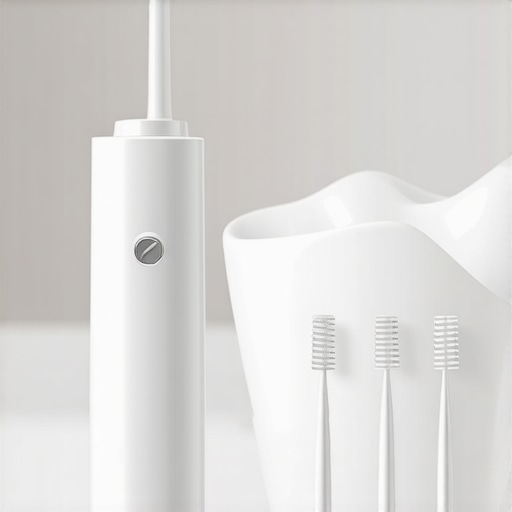
How do I maintain my dental work over the next decade?
Long-term success is less about the material of the crown and more about the health of the bone and gums supporting it. I make sure to use interdental brushes in areas where I notice why your gums are receding in only one area. These tiny brushes can scrub the sides of the tooth in ways floss cannot. Additionally, staying consistent with consistent family dentistry visits allows for professional-grade imaging that catches microscopic leaks before they require a full replacement. Looking ahead, I predict we will soon see AI-integrated home scanners that sync with your phone to alert you to shifting teeth or early-stage recession in real-time. This shift toward predictive maintenance is already hinted at in the latest cosmetic dentistry trends for 2025. If you want to stay ahead of the curve, I highly recommend trying the ‘Pinky Test’—use a size-0 interdental brush at the base of your newest crown tonight; if it catches or smells, it is time to call your dentist for a margin check before a small leak becomes a big bill.
The Truth About Your New Smile That Most People Miss
After years of navigating the ups and downs of restorative work, I realized that the ‘calculus bridge’ I once had wasn’t just a physical barrier—it was a mental one. The biggest lesson I learned is that dental work isn’t a permanent fix; it is a living partnership between you and your dental professional. First, remember that a professional scaling is a necessary reset, but your home care is the ultimate save button for your oral health. Second, those sharp edges you feel are actually your teeth’s natural defense line finally being allowed to breathe again. Third, staying consistent with a family dentistry guide is significantly cheaper and less stressful than reacting to a broken tooth in the middle of the night. Finally, don’t ignore the silent leaks in your restorations; catching a microscopic breach early prevents the dreaded path to extraction.
Must-Have Items for Your Post-Treatment Bathroom Cabinet
To protect my investment and keep my gums in peak condition, I’ve curated a toolkit that I trust implicitly. I personally swear by a high-pressure water flosser because it effectively flushes out the margins where dental crowns explained as permanent solutions often fail due to hidden plaque. I also incorporate size-0 interdental brushes for those tight spaces between teeth that traditional string floss simply cannot scrub effectively. For those who want to transform your look without the fear of recurring damage, a custom-fitted night guard is non-negotiable to prevent porcelain chipping caused by stress-induced grinding. #IMAGE_PLACEHOLDER_E#
Start Your Journey Toward a Healthier Smile Today
Getting a deep cleaning or a new crown can feel like a daunting milestone, but it is actually the beginning of a much more confident chapter for your oral health. By following these proactive steps and paying attention to the new landscape of your mouth, you are ensuring that your smile stays both functional and beautiful for decades to come. Whether you are looking to revamp your smile or just maintain the health you have, the power is in your daily habits. Have you ever felt a sharp edge after a cleaning that made you panic? Share your story in the comments below!