I remember sitting at my kitchen table exactly seven days after my scaling and root planing appointment, staring at a bowl of lukewarm soup with genuine fear. My dentist—who I usually trust with my life—promised I’d be back to my normal self in 48 hours. Yet, there I was, a full week later, feeling a dull, throbbing ache that wouldn’t quit. It’s frustrating. It’s painful. And honestly? It’s a little scary. I made the classic mistake of thinking a “deep cleaning” was just a fancy term for a regular polish. I went straight for a crunchy baguette the next day. Big mistake. I spent the rest of the week wondering why your gums are still sore a week after a deep cleaning despite following all the “official” rules. Today, I’m going to share exactly why your mouth is still throwing a tantrum and how to tell if you actually need to go back to the dental office.
Why the Seven-Day Mark Is Often the Hardest
[IMAGE_PLACEHOLDER] When we talk about scaling and root planing, we aren’t just talking about a quick brush and floss. We are talking about a deep, structural reset of your gum line. I used to think my gums were just sensitive, but after reading a comprehensive family dentistry guide, I realized I’d been neglecting the deep pockets where bacteria love to hide. During a deep cleaning, your dentist is essentially performing minor surgery on the roots of your teeth to remove calcified plaque that has been trapped for years. This process leaves the tissue raw and exposed. According to the American Academy of Periodontology, it is perfectly normal for the area to remain tender as the inflammation finally subsides and the tissue begins the long process of reattaching to the tooth. I personally panicked when I saw why your gums are turning purple instead of pink during that first week, thinking I had developed a massive infection. In reality, it was just the natural bruising of the healing process as healthy blood flow returned to the area to repair the damage.
Is this a sign that something went horribly wrong?
It is easy to get skeptical when the pain lingers longer than a few days. You start wondering if the hygienist was too rough or if you should have just looked into cosmetic dentistry innovations instead of “fixing” what didn’t feel broken at the time. One of my biggest blunders early on was trying to “clean” the soreness away by brushing even harder, which is the worst thing you can do for healing tissue. You have to treat your gums like a healing wound, not a dirty floor. If you are still feeling a sharp, stabbing pain rather than a dull ache, or if you suspect your gum recession was caused by brushing too hard in the past, your recovery might take a few extra days to stabilize. Have you ever felt like your mouth was more sensitive after the dentist than before you even walked in? It’s a common fear, but usually, it’s just the sign that the real healing is finally happening beneath the surface. We are going to break down the exact timeline of recovery so you can finally stop over-analyzing every tiny twinge in your jaw and get back to enjoying your meals.
Think of your gums right now as a knee that has just been scraped. If you keep poking it or running on it, it is going to stay red and angry. At the seven-day mark, the bacterial pockets are trying to close up and reattach to the tooth root. This is a delicate mechanical process. If you are still feeling that throb, your first move should be the most basic: a warm salt water rinse. I remember day nine of my own recovery; I was so frustrated that I tried using a harsh, alcohol-based mouthwash. I thought I was disinfecting the area, but I actually gave myself a chemical burn on top of the existing soreness. Learn from my mistake and stick to a gentle saline solution to keep the area clean without nuking the new cells trying to grow.
#IMAGE_PLACE_HOLDER_B#
Calm the Fire with Desensitizing Techniques
Your teeth might feel like they are vibrating or hypersensitive to every breath of cold air. This happens because the root surfaces are now clean but exposed. I found that switching to a high-quality desensitizing toothpaste made a world of difference. You can even take a small dab of it and rub it directly onto the sorest spots before bed. This is very similar to the process of soothing sensitive teeth after a whitening session where you have to block those tiny tubules in the dentin. If you ignore this, the pain can radiate, making you feel like your molar is vibrating every time you take a sip of water. It is not just about comfort; it is about reducing the stress on the dental nerves so they can finally settle down.
The Right Way to Brush During Week Two
By now, you should be back to brushing, but throw away that medium or hard toothbrush immediately. You need a brush so soft it feels like a cloud. When I was researching essential family dentistry tips for my kids, I realized I was being way too aggressive with my own gums. Use tiny, circular motions at a 45-degree angle. If you see a little pink in the sink, do not panic, but if it is heavy bleeding, you are pressing too hard. You are trying to sweep away food debris without disrupting the gum tissue that is currently trying to shrink-wrap back around your teeth.
How to Spot a Real Post-Cleaning Infection
While a dull ache is normal, a sharp, localized pain that prevents sleep is a red flag. Look in the mirror and check for any small, white bumps on the gum tissue. Sometimes, bacteria can get trapped as the gum tightens, leading to a minor abscess. It is a bit like how a crown can leak and trap bacteria if the seal is compromised. If you have a fever or a foul taste that will not go away, it is time to call the office. I once waited two weeks because I did not want to be a bother, only to find out a tiny piece of tartar had been pushed deeper and caused a localized flare-up. A quick five-minute flush at the dentist‘s office fixed it instantly. Do not suffer in silence if the pain feels wrong compared to the first few days of recovery.
Most patients walk out of the office thinking the hard part is over once the scraping stops. But here is the contrarian truth: the cleaning is just the catalyst; the actual healing—the biological ‘re-sealing’ of your gums—takes much longer than seven days. We often assume that if the bleeding has stopped, the infection is gone. In reality, the first two weeks are a high-stakes period where your body is trying to rebuild collagen fibers. According to a study in the Journal of Clinical Periodontology, full tissue maturation and the reduction of pocket depths can take anywhere from four to eight weeks to stabilize. If you are still sore at day seven, it is often because your body is in the thick of this remodeling phase, not because the procedure failed.
Why does my bite feel slightly off now?
One nuance that many people miss is how inflammation masks other dental issues. When your gums are swollen, they slightly change how your teeth sit in their sockets. As the swelling goes down during the first week, you might suddenly notice that a dental crown feels ‘high’ or that your teeth hit together differently. If you notice that your porcelain crown feels too high when you bite down, it is likely not a new problem, but an old one that was hidden by puffy tissue. This is why the role of family dentistry in ensuring oral health for all ages involves more than just cleanings; it requires monitoring how your entire bite realigns once the inflammation is gone.
The trap of the ‘False Recovery’
The biggest mistake I see—and one I’ve made myself—is the ‘False Recovery’ trap. This happens around day five or six when the initial raw pain fades, and you decide it is safe to skip the salt water rinses or go back to eating popcorn and chips. This is a massive ‘oops’ factor. Healing tissue is incredibly fragile. One sharp hull from a kernel can slide into a healing pocket and cause a secondary infection that feels worse than the original gum disease. You should also be wary of using aggressive whitening products too soon. While you might want to revamp your smile with top cosmetic dentistry trends for 2025, your focus right now must be on stabilization. If you have thin enamel, you might even need to discuss the truth about fluoride treatments for adults with thin enamel with your dentist to help manage the lingering sensitivity while the roots are exposed.
By the seven-day mark, you aren’t just a patient; you are a co-therapist in your own recovery. If the dull ache is persisting, it is a signal to slow down, keep the area meticulously clean with gentle tools, and give the biological ‘shrink-wrap’ effect time to happen. Have you ever fallen into the trap of thinking you were fully healed only to have the soreness come roaring back a week later? Let me know in the comments below—I’d love to hear how you managed the ‘week two’ slump.
If you’re still feeling that lingering twinge at the seven-day mark, it’s time to rethink your daily toolkit. I used to be a purist about traditional string floss, but my dentist finally convinced me that my technique was doing more harm than good to my delicate, healing tissue. I made the switch to the Waterpik WP-660, and I haven’t looked back. Why this specific model? It’s all about the ‘Hydro-Pulse’ massage mode. When your gums are in that fragile state of reattachment, the 1,400 pulses per minute stimulate blood flow without the mechanical trauma of a string. According to a systematic review published in the Cochrane Library, powered toothbrushes—specifically those with oscillating-rotating technology—demonstrate a statistically significant reduction in both plaque and gingivitis compared to manual brushing. This isn’t just about comfort; it is about ensuring you don’t end up needing more complex dental crowns vs other restorations because the original infection returned.
My Essential Toolkit for a Permanent Reset
Beyond the water flosser, I’ve started using interdental brushes, specifically the TePe brand. These tiny brushes look like little pipe cleaners, and they are the only things that truly reach the ‘furcation’ areas—the spots where your roots divide—which are often exposed after a deep cleaning. If you ignore these gaps, you’re just leaving a revolving door open for bacteria. It’s a level of detail I learned while looking up essential family dentistry tips for my own kids. We often forget that our oral environment is a single ecosystem; if we don’t maintain our own health, we’re essentially passing those same bacteria around the dinner table. 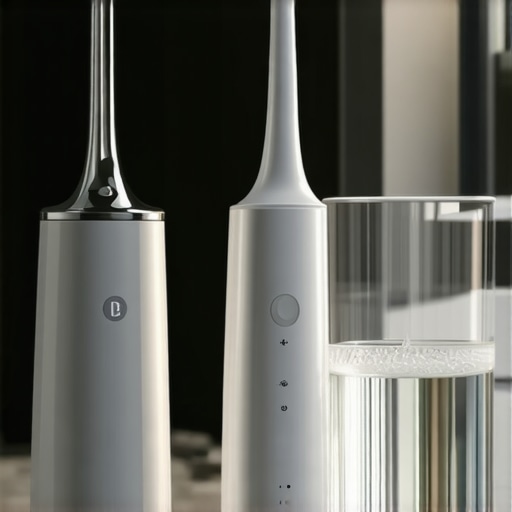
How do I maintain these results over the long haul?
Maintenance is a marathon, not a sprint. After the initial healing phase, your goal shifts from ‘recovery’ to ‘prevention.’ This means sticking to a three-month cleaning schedule rather than the standard six-month window for at least the first year. Your pockets need constant monitoring to ensure they are actually shrinking. I also recommend using a pH-balancing mouthwash rather than a generic drugstore brand. Most common mouthwashes are too acidic, which can actually erode the margins of a dental crown or any cosmetic dentistry work you’ve had done. If you’ve invested in expert cosmetic dentistry solutions, the last thing you want is for gum disease to undermine the foundation of those beautiful results. I also suggest keeping a close eye on the spaces between your teeth; if you start to notice a smell, you should revisit the best way to clean under a dental bridge or restoration to ensure no debris is trapped.
What Dental Care Looks Like in 2030
I predict that the future of post-cleaning maintenance is going to move into the realm of ‘bio-hacking.’ We are already seeing the beginning of this with cosmetic dentistry innovations to watch, but the real shift will be in personalized salivary diagnostics. Imagine a world where your electric toothbrush analyzes your saliva in real-time and alerts your dentist via an app the second your inflammatory markers spike. We won’t be guessing why gums are sore a week later; we will have a data-driven report. Until then, the most advanced thing you can do is be consistent with your mechanical cleaning. If you really want to level up your recovery, I challenge you to try the ’30-day saline challenge’—rinse with warm salt water every single night before bed for a month, even after the pain is gone. You will be amazed at how much tougher and more resilient your gum tissue becomes.
The Truth About the Second Week Slump
Healing isn’t always a straight line upward. You might feel great on day four and then wake up with a nagging ache on day seven. After years of managing my own oral health, I’ve realized a few things that your dentist might not emphasize during the appointment. First, tissue isn’t like plastic; it doesn’t just snap back. It takes real biological time for the ‘shrink-wrap’ effect to secure your gums to the tooth root. Second, don’t be surprised if your bite feels strange. As the inflammation leaves, you might suddenly notice if a porcelain crown feels too high because the puffy tissue is no longer cushioning the tooth. Finally, I learned the hard way that gums hurt more after eating sugar during this phase because the bacteria are aggressively trying to recolonize those raw areas.
The Gear That Finally Stopped the Throb
[IMAGE_PLACEHOLDER_FINAL] If you’re still struggling with sensitivity, you don’t have to just ‘tough it out.’ There are specific tools that made my recovery transition from painful to manageable. I highly recommend switching to a soft-bristled oscillating brush; it’s much gentler than manual scrubbing. If you have children, incorporating these habits early using child-friendly dental care can prevent them from needing these deep cleanings later in life. I also found that understanding the truth about fluoride treatments helped me protect my exposed roots from the sharp pains of cold water. These small shifts in your toolkit change the recovery from a chore into a successful health reset.
Your Pain Is a Sign of Progress
It sounds strange, but that dull ache is often the sound of your body doing the heavy lifting of reconstruction. You have moved past the infection and are now in the active phase of rebuilding your dental foundation. Whether you are caring for dental crowns or your natural smile, this temporary discomfort is a small price for a lifetime of stability. By following a comprehensive family dentistry guide, you are ensuring that your oral health remains a priority for years to come. Be patient with yourself, keep the salt water rinses going, and look forward to the day you can bite into that apple without a second thought. Have you ever felt like your recovery was taking longer than the dentist promised? Share your experience in the comments below!