I remember sitting on my porch, enjoying the first harvest of the season, when a single strawberry seed turned my relaxing afternoon into a frantic search for a toothpick. It wasn’t just a tickle; it was a sharp, persistent ache that made me feel like my gums were being poked by a microscopic needle. In my desperation, I grabbed the first thing I found—a sewing needle—and started poking. Big mistake. I ended up with a bleeding gum line and a seed that was pushed even deeper into the soft tissue. That moment of panic taught me that your gums are far more delicate than they look, and trying to ‘surgery’ yourself is a recipe for disaster. We have all been there, standing in front of the mirror, poking at a red spot until it throbs. Today, I am going to show you exactly how to handle this without causing a permanent injury or an infection.
Why You Should Stop Poking and Start Thinking
Most of us think a stuck seed is just a minor annoyance, but if left alone, it can lead to localized inflammation or even a painful gum abscess. When I finally called a friend who works in family dentistry, they told me that foreign objects trapped in the gingival sulcus are a leading cause of sudden, sharp gum pain. It is a similar sensation to why your teeth feel fuzzy when plaque builds up—it is an irritant that your body desperately wants out. I am sharing the gentle, safe methods I have learned so you do not end up damaging your delicate tissue or needing expert cosmetic dentistry solutions to fix a self-inflicted wound. Have you ever been so distracted by something stuck in your teeth that you could not focus on anything else? Drop a comment and tell me your most desperate removal attempt!
Is it really worth worrying about a tiny seed?
You might think I am being dramatic. Many people assume the seed will just dissolve on its own, but that is a dangerous myth. Strawberry seeds are comprised of lignin and cellulose, which means they do not just break down in the presence of saliva. According to the American Dental Association, any debris trapped under the gumline can introduce bacteria, potentially leading to a localized infection within 24 to 48 hours. I learned this the hard way years ago when a ‘minor’ popcorn kernel led to a week of antibiotics and a lot of regret.
Tools That Help Instead of Hurt
Before we get to the actual removal, we need to talk about your toolkit. You probably have a bathroom cabinet full of things that look helpful but are actually quite dangerous. If you have dental crowns or veneers, you have to be especially careful not to scratch the margins while you are fishing around. Metal tools, safety pins, or wooden toothpicks that can splinter are strictly off-limits. Instead, we are going to look at high-volume rinsing and specific flossing techniques that work with your body’s anatomy rather than against it.
Flush the Seed Out With Liquid Pressure
The first and safest step is to use the power of hydraulics. Instead of digging, you want to create enough fluid movement to float the debris out of the gingival pocket. Mix about half a teaspoon of salt into a cup of warm water. Salt acts as a natural anti-inflammatory, which is a staple recommendation in family dentistry to reduce the swelling that traps foreign objects. Take a large sip and swish aggressively toward the area where the seed is stuck. I once spent twenty minutes trying to nudge a seed with my fingernail—don’t do that. It just drove the seed deeper. When I finally switched to this ‘pulsing’ rinse, the seed drifted out within a few tries. If you have a water flosser, use it on the lowest setting. High pressure can sometimes blast the seed further under the gumline, so keep it gentle and aim at an angle, not directly into the gap.
Tie a Knot in Your Floss for Better Grip
If rinsing doesn’t work, standard flossing is next, but with a specific modification. Take a piece of dental floss and tie a small, simple knot in the center. When you slide the floss between your teeth, the knot acts like a tiny hook or a ‘scraper’ to catch the seed as you pull the floss through. Be incredibly careful if you have tight gaps; if the floss gets stuck, you might need to learn how to remove a stuck piece of floss from between your teeth before you even get the seed out. Gently move the floss in a C-shape around the tooth, letting the knot slide just beneath the gumline and then pulling it outward. 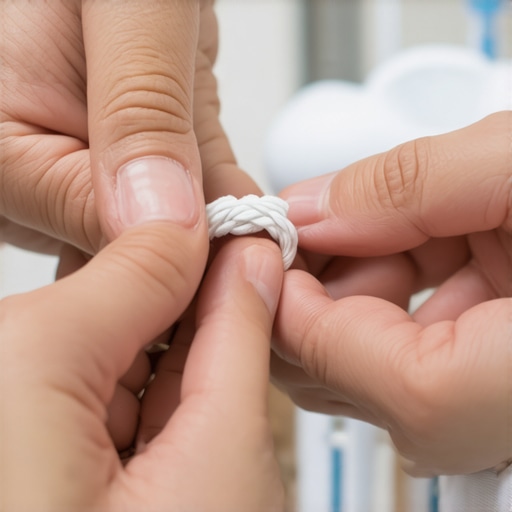
Protect Your Restorations While You Work
You must adjust your technique if you have any dental work. If you are dealing with dental crowns or bridges, the ‘pull-through’ method is much safer than the ‘snap-up’ method. Snapping the floss upward can catch on the edge of a restoration. In fact, if you feel a snag, stop immediately. You don’t want to find out the real reason your crown feels loose is because you accidentally tugged on it while trying to remove fruit debris. For those with bridges or braces, an interdental brush—those tiny brushes that look like pipe cleaners—can be a lifesaver. They are designed to fit into those specific nooks where a strawberry seed loves to hide.
When Is It Time to Call the Dentist?
If the seed hasn’t moved after three or four attempts, your gums will likely be irritated. Stop. Over-manipulating the area will cause the tissue to swell even more, locking the seed in place. Watch for a persistent ‘throbbing’ sensation or a small, pimple-like bump on the gum. It is vital to know how to tell if your toothache is a cavity or an abscess, as a trapped seed can quickly cause an infection that mimics a toothache. If you notice a foul taste or fever, you need professional help. In child-friendly dental care, we often see kids get popcorn hulls or seeds stuck, and the rule is always the same: if it doesn’t come out easily, don’t force it.Let’s dig deeper into why that ‘wait and see’ attitude is actually your biggest enemy when a seed is stuck. Most people assume that if the initial sharp pain fades, the seed has somehow dissolved or moved on. In reality, your gums might have simply swollen up and over the object, burying it like a splinter in your finger. This is where the danger of ‘silent’ inflammation begins. In my experience, people who wait a week often present with far more tissue damage than those who seek help immediately. A study published in the Journal of Periodontology highlights that ‘foreign body gingivitis’ is a real clinical concern where the immune system reacts to exogenous material, leading to chronic localized inflammation. This isn’t just about a little redness; it’s about protecting the bone support around your teeth.
Why “Wait and See” is a Dangerous Dental Strategy
When you ignore a trapped seed, you are essentially inviting a bacterial colony to set up shop in your gingival sulcus. I’ve seen cases where a simple fruit seed led to a full-blown abscess because the patient thought the body would ‘absorb’ the lignin. It won’t. If you already have dental crowns, the stakes are significantly higher. That seed can lodge right at the margin where the restoration meets your natural tooth. If that area becomes chronically irritated, it can actually lead to the hidden reason your gums look dark around an old dental crown—which is often preventable through quick action and proper hygiene.
Can a Trapped Seed Permanently Ruin Your Expensive Porcelain Veneers?
This is a question I get often from those who have invested in a smile makeover. The short answer is yes, but not in the way you think. The seed itself won’t crack the porcelain, but your frantic attempts to remove it might. If you start digging with metal tools or even a fingernail, you risk scratching the glazed surface of your restorations or, worse, causing the margin to leak. This is why why your porcelain veneers might start to chip or crack often traces back to ‘bathroom surgery’ attempts. If you have spent time and money on expert cosmetic dentistry solutions, do not jeopardize them over a piece of fruit. 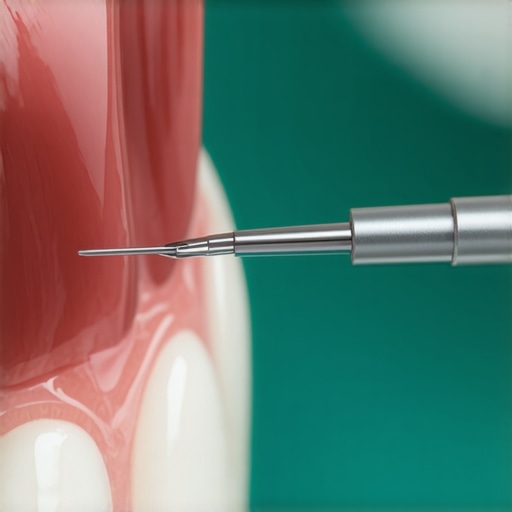
The Scrubbing Trap That Drives Debris Deeper
One of the biggest ‘oops’ factors I see is the instinct to brush the area harder. You think, ‘If I just scrub with a firm toothbrush, it will pop out.’ This is a mistake. Aggressive brushing usually just pushes the seed deeper into the soft tissue and causes micro-tears in the gums. Instead of a simple removal, you now have a wound that is prone to infection. If you feel the area is tender, stick to the salt-water rinse and the knotted floss trick we discussed. If you notice the real reason your crown feels loose is actually localized swelling from that seed, it is time to put down the toothbrush and call a professional. Have you ever fallen into this ‘brush it harder’ trap? Let me know in the comments! If the seed remains stubborn, a quick visit for a professional cleaning is far cheaper and less painful than treating a deep-seated infection later on.
Once you have managed to get that pesky seed out, the focus needs to shift from emergency response to long-term maintenance. I have spent years refining my oral hygiene kit, and I realized that most people are using tools that are about twenty years behind the current standard of family dentistry. If you want to avoid the panic of a trapped object ever again, you need to invest in gear that handles the ‘tight spots’ before they become infection zones.
Upgrade Your Kit to Avoid Future Dental Dramas
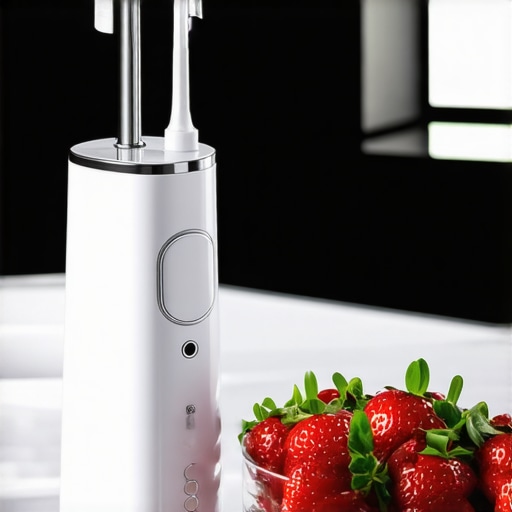
I personally swear by the Waterpik Aquarius professional series. Unlike the cheap knock-offs, it has a specific ‘pulse’ mode that I use specifically to clear the gingival sulcus after eating seeded fruits. The reason this works is technical: high-frequency pulsations create a vacuum effect that pulls debris out rather than pushing it in. This is a game-changer if you have dental crowns where the margins can be magnets for tiny particles. As noted by Dr. Gordon Christensen in the Clinicians Report, dental irrigators are significantly more effective at reducing gingival inflammation than string floss alone, especially in patients with complex restorative work. If you are serious about preventing the hidden reason your gums look dark around an old dental crown, this tool is non-negotiable.
How do I maintain my gum health after a seed injury?
After the seed is gone, your gums will be ‘angry.’ I recommend a forty-eight-hour recovery protocol. Stop using whitening toothpastes, which are abrasive and can irritate the raw tissue. Instead, I use a specialized soft-bristled brush—specifically the Curaprox 5460. It has over five thousand Curen filaments that feel like a massage rather than a scrub. This is the same level of care required in child-friendly dental care to ensure sensitive tissues aren’t further damaged. Keeping the area clean without being aggressive is the secret to ensuring that minor irritation doesn’t spiral into a reason to seek expert cosmetic dentistry solutions for receding gums.
The Next Generation of Seed-Proof Smiles
Looking ahead, I predict a massive shift toward bio-active restorative materials. We are already seeing the early stages of crowns and veneers treated with ultra-hydrophobic coatings that literally repel organic matter and bacteria. In the world of expert cosmetic dentistry solutions, the goal is moving from just ‘looking good’ to ‘functioning better’ by creating surfaces where seeds simply cannot stick. Until those become the standard for every dental crown, your best bet is a disciplined routine. I challenge you to try the ‘pulse’ setting on a water flosser tonight—aim it at your back molars and see what you’ve been missing with traditional brushing. Your gums will thank you.
Looking back at my own frantic strawberry incident, I realize that the fear of a permanent problem is usually worse than the seed itself. If you take one thing away from this, let it be that your mouth is a self-healing marvel, provided you don’t sabotage it with sharp objects or aggressive scrubbing. By moving from a mindset of ‘fix it now’ to ‘flush it out gently,’ you are preserving the integrity of your smile for years to come.
What I Wish Someone Had Told Me Before I Grabbed the Needle
After years of focusing on oral health, I’ve realized that the physical seed is only half the battle. The other half is the psychological urge to perform ‘bathroom surgery.’ First, realize that a strawberry seed isn’t a ticking time bomb, but your reaction to it can be. If you have already invested in top cosmetic dentistry trends for 2025, such as ultra-thin porcelain work, remember that these materials are incredibly strong against biting pressure but can be scratched by metal tools. Second, the ‘throbbing’ you feel is often just localized inflammation—your body’s way of trying to cushion the area. Finally, don’t let pride stop you from seeking help. Even the most diligent flosser occasionally needs a professional hand to clear a stubborn particle before it causes real damage.
The Three Things That Actually Live in My Bathroom Cabinet
I don’t recommend products lightly, but these specific items have saved me from countless dental headaches. I always keep a high-quality sea salt blend—rather than just standard table salt—for my rinses because the trace minerals seem to help the tissue recover faster. I also swear by a high-end water flosser with a ‘sensitive’ mode; it is the gold standard for maintaining family dentistry standards between your six-month checkups. Lastly, I keep a digital copy of my dental records on my phone. Knowing how to handle a dental emergency when you are out of town is a skill everyone should have, as a stuck seed can turn into a painful abscess while you are miles away from your regular provider.
#IMAGE_PLACE_HOLDER_E#
Your Path to a Worry-Free Harvest
You shouldn’t have to fear a bowl of fresh fruit or a summer salad. By mastering these gentle removal techniques, you are taking a massive step toward long-term oral health and confidence. Whether you are maintaining your natural teeth or protecting the aesthetics of the hidden reason your gums look dark around an old dental crown, the key is always patience over power. Trust the process, use the right tools, and treat your delicate gum tissue with the respect it deserves. Have you ever been on vacation and had a seed get stuck at the worst possible moment? Let me know your story in the comments below!