I remember standing in front of my bathroom mirror, staring at my reflection with a mix of confusion and pure annoyance. I had just finished what I thought was a masterclass in oral hygiene—five minutes of aggressive brushing, a thorough floss, and a mouthwash rinse so strong it left my throat tingling. Yet, the second I ran my tongue over my molars, they felt like they were wearing tiny, invisible wool sweaters. It is that ‘fuzzy’ or ‘filmy’ sensation that makes you feel like you haven’t touched a toothbrush in a week. It’s gross. It’s frustrating. And honestly, it made me feel like a total failure at adulting, especially since I try to stay on top of the basics found in a family dentistry guide. If you have ever felt like your mouth was still dirty immediately after a scrub, I am here to tell you that you aren’t crazy, and you definitely aren’t alone. Today, we are going to get to the bottom of why that ‘fuzz’ persists and how you can finally achieve that smooth, glass-like feeling that actually lasts.
The Annoying Reason Your Teeth Still Feel Furry After You Brush
The ‘fuzz’ you’re feeling isn’t some mystery substance; it is a living, breathing colony of bacteria known as biofilm, or more commonly, plaque. It starts forming the moment you stop brushing. I made a massive mistake early on in my journey by assuming that if my teeth felt fuzzy, I just needed to use more muscle. I bought the firmest toothbrush I could find and went to town. I thought I was being thorough, but I was actually causing my gums to recede and making my sensitive teeth even worse. You cannot out-muscle bacteria. Sometimes the fuzz stays because your brush can’t reach the specific nooks and crannies where biofilm thrives, or because the plaque has already mineralized into tartar. This explains why your teeth feel fuzzy by the end of the day even if you were diligent in the morning. According to the American Dental Association, plaque can begin to reform and colonize on the tooth surface within just twenty minutes of cleaning. Consistency in technique is the only way to win this battle. We need to focus on disrupting the bacteria, not just ‘cleaning’ the surface. Have you ever finished brushing only to feel that weird texture return before you even left the house? It is a sign that your routine needs a neighborly tune-up.
Is a professional deep cleaning actually worth the hype?
Many people ask me if they can just handle this at home with a better electric toothbrush or a fancier toothpaste. Look, I’m a big fan of great home tools, but once that fuzz turns into tartar, it’s essentially like cement on your teeth. No manual brush is going to budge it. If you let that buildup sit for too long, you might end up needing more intensive fixes, like dental crowns for damaged teeth, because the bacteria will eventually eat through your enamel. Understanding the role of family dentistry in your life is about realizing that professional tools are designed to reach where we simply can’t. A deep cleaning isn’t just a luxury; it’s a reset button for your mouth’s ecosystem. If you’re feeling that persistent sweater-on-teeth sensation, it might be time to stop fighting the fuzz alone and let the experts step in.
Tilt Your Brush to Break the Biofilm
The biggest shift I made wasn’t buying a $200 toothbrush; it was changing the angle of attack. If you brush flat against the surface, you are basically just sliding over the plaque. Think of it like trying to sweep dust out of a corner with a flat broom—you have to tilt the bristles to actually get into the crack. You need to aim your toothbrush at a 45-degree angle toward the gum line. This allows the bristles to slip slightly under the “cuff” of the gum where that fuzzy feeling usually starts. I remember the first week I tried this; my gums bled a little because I had been neglecting those pockets for years, but by day four, the inflammation vanished and that gritty texture at the base of my teeth was finally gone.
Stop Scrubbing Like You Are Scouring a Floor
Aggressive scrubbing is the enemy of a smooth mouth. When you press too hard, the bristles splay out and lose their ability to actually “flick” the plaque away. Instead, use tiny, circular, or “jiggling” motions. If you use a manual brush, pretend you are massaging a grape without breaking the skin. This gentle approach protects your enamel. If you over-brush, you might find that your teeth look yellow even though you have never smoked, simply because you’ve worn the white enamel too thin. 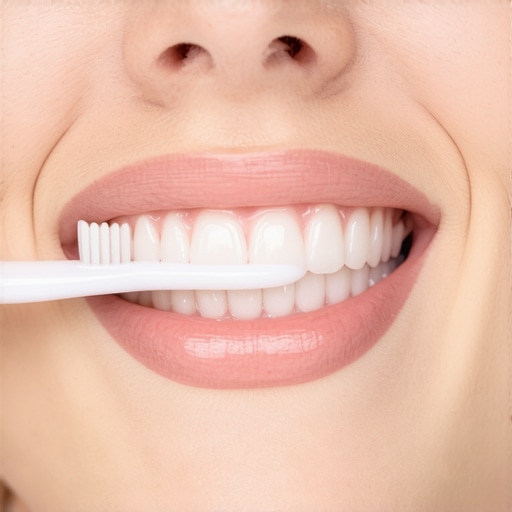
Get Between the Gaps Every Single Day
You can have the best brushing technique in the world, but if you aren’t cleaning between your teeth, you are leaving 35% of the plaque behind. That ‘sweater’ feeling often creeps out from the sides of your teeth. I used to be a ‘special occasion’ flosser—basically only doing it the night before a dentist appointment. The turning point for me was realizing that floss isn’t just for removing stuck steak; it’s for wiping the sides of the teeth. If you struggle with the mechanics, learning how to remove a stuck piece of floss from between your teeth can take the anxiety out of the process. For those who find traditional string floss a chore, a water flosser or interdental brushes can be life-changing for maintaining that ‘just-cleaned’ sensation.
Why Your Tools Might Be Holding You Back
Check your brush right now. If the bristles are frayed or pointing in different directions, it’s basically a decorative stick. A worn-out brush won’t remove biofilm; it will just move it around. Whether you use a manual or electric model, soft bristles are non-negotiable. Hard bristles can cause micro-scratches that actually give bacteria a better place to grip. This is a core part of caring for your child’s teeth as well as your own—starting with the right tools prevents a lifetime of damage. If your teeth are already compromised, you might be looking at understanding dental crowns to restore the structure that years of poor technique or neglect took away. Consistency is the magic ingredient. You can’t make up for a week of ‘fuzzy’ teeth with one marathon brushing session; you have to disrupt that biofilm every twelve hours like clockwork.
The Vanity Trap: Why Pretty Teeth Are Often Healthier
While most people think of a trip to the dentist as a chore to avoid, there is a common misconception that cosmetic procedures are purely about ego. In my experience, the ‘fuzzy’ feeling we struggle with is often exacerbated by old, rough-edged fillings or slightly misaligned teeth that create microscopic ‘plaque traps.’ When you look into expert cosmetic dentistry solutions, you aren’t just buying a whiter smile; you are often streamlining your tooth surfaces so bacteria have nowhere to hide. Modern top cosmetic dentistry trends for 2025 focus heavily on biomimetic materials that mimic natural enamel’s slickness, making that ‘wool sweater’ feeling a thing of the past.
Don’t Settle for the Gray Line Around Your Gums
One of the biggest ‘oops’ factors I see involves patients choosing the cheapest possible option for restorative work without understanding the long-term visual and biological costs. If you’ve noticed a dark, shadowy ring at your gum line, you are likely seeing the metal substructure of an older crown style. This is exactly why your gums look dark around an old metal-fused crown. Beyond the aesthetics, these metal margins can sometimes irritate the tissue, leading to recession and—you guessed it—more areas for fuzzy plaque to accumulate. When debating dental crowns vs other restorations, opting for all-ceramic or zirconia isn’t just a beauty choice; it is a health choice. #IMAGE_PLACE_HOLDER_C#
Why do my porcelain veneers look opaque and unnatural in sunlight?
This is a sophisticated concern that often stems from a lack of ‘translucency’ in the materials used. Natural teeth allow light to pass through the enamel and reflect off the dentin. If your restorations look like chiclets or pieces of chalk, it’s usually because the lab didn’t use layered porcelain. This nuance is why some people feel their ‘new’ teeth look more like a mask than a smile. A study published in the Journal of Prosthetic Dentistry highlights that all-ceramic restorations actually show significantly higher gingival health markers because they accumulate less biofilm than their metal-based counterparts. This means your high-end restorations stay smoother and less ‘fuzzy’ than your natural teeth ever did.
Stop Ignoring the Warning Signs of a Failing Crown
If you feel a slight ‘squish’ or if your crown feels loose when you chew gum, do not wait. That sensation is often caused by saliva and bacteria seeping under the restoration, essentially fermenting the natural tooth structure underneath. This ‘hidden’ decay is a nightmare because you can’t see it until the crown literally falls off, often taking half the tooth with it. High-level family dentistry focuses on catching these marginal leaks before they require an extraction. Have you ever fallen into the ‘it doesn’t hurt, so it’s fine’ trap? Let me know in the comments below, and let’s keep your smile smooth and glass-like together.
Switch to Sonic Technology Before Your Enamel Gives Up
I’ve spent thousands of dollars over the years on various gadgets, but only a few have earned a permanent spot on my bathroom counter. If you want that glass-smooth feeling to last beyond the first hour of your day, you need a high-end sonic toothbrush. I personally switched to a model that offers 62,000 brush movements per minute because it creates ‘microbubbles’ that reach deep into the interproximal spaces. This isn’t just about vibration; it is about fluid dynamics. When you are investing in expert cosmetic dentistry solutions, you want to ensure that the interface between your natural tooth and the restoration stays pristine. I noticed a massive difference in my gum health once I stopped scrubbing and let the motor do the work. If you are still using a manual brush, you are essentially trying to clean a Persian rug with a kitchen broom.
A Water Flosser is the Only Way to Reach Under a Bridge
If you have any type of restoration, like a bridge or a series of dental crowns for damaged teeth, a water flosser is not an optional luxury—it is a requirement. I learned the hard way that food particles and biofilm love to hide under the margins of crowns where traditional floss simply can’t reach. Learning how to clean your dental bridge to prevent chronic gum disease became ten times easier once I started using a pressurized stream of water. It flushes out the ‘hidden fuzz’ that eventually leads to that sour taste or bad breath we all dread. It is also the secret to keeping your dental implants healthy for life because it prevents peri-implantitis, a nasty inflammation that can cause implant failure. 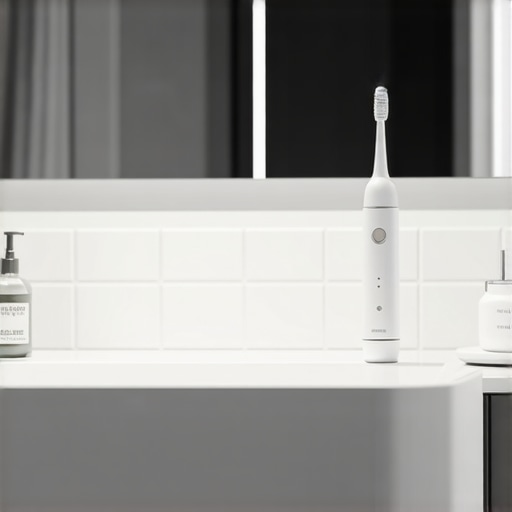
How do I keep my dental work looking new for a decade?
Maintenance is a marathon, not a sprint. One technical detail that changed my perspective comes from the CR Foundation (formerly Clinical Research Associates), founded by Dr. Gordon Christensen. Their research indicates that while modern materials like monolithic zirconia are incredibly strong, they can be abrasive to opposing natural teeth if they aren’t polished to a high shine. This is why I always ask my dentist to check the ‘occlusion’ or bite alignment every six months. If your bite is even slightly off, you aren’t just wearing down the crown; you are potentially cracking the natural teeth below. Looking toward the future, the top cosmetic dentistry trends for 2025 point to AI-integrated toothbrushes that map your mouth’s unique topography. We are moving toward a world where your brush will literally tell your phone which molar you are neglecting. For now, my advice is to stop guessing. Buy a disclosing tablet—those little purple pills that stain plaque—and use one tonight. It will show you exactly where the biofilm is winning. Once you see the map of the ‘fuzz,’ you can finally kill it for good.
What I Wish Someone Told Me Before My First Filling
I’ve spent a lot of time and money in the dental chair, and if I’ve learned anything, it’s that oral health isn’t about perfection—it’s about persistence. One of my biggest ‘aha’ moments was realizing that a healthy mouth shouldn’t actually have a taste. If you notice a constant metallic or sour sensation accompanying that gritty texture, that fuzzy biofilm is likely deep-seated in areas you are missing. Another hard-won lesson? Don’t fear the transition to better dental work. If you are moving from old metal work to new porcelain, it helps to understand why your temporary crown keeps falling off so you don’t panic during the multi-week process. It’s all part of the journey to a cleaner, smoother mouth environment.
Gear That Actually Keeps the Grime Away
If you’re looking to upgrade your routine, I swear by disclosing tablets. These little chewable pills turn your plaque bright purple, making the ‘invisible fuzz’ impossible to ignore and showing you exactly where your technique is failing. I also highly recommend researching dental crowns vs other restorations if you have old, rough fillings that constantly catch food and breed bacteria. Finally, keep a digital or physical family dentistry guide bookmarked; having a go-to resource for your household prevents small issues like ‘fuzzy teeth’ from turning into expensive emergencies like root canals.
Claim Your Smooth Smile Today
You don’t have to wake up every morning feeling like your teeth are wearing tiny sweaters. By focusing on sonic technology and the right 45-degree brushing angle, you can stop wondering why your teeth feel fuzzy by the end of the day and start enjoying a smile that feels as glass-smooth as it looks. Investing in expert cosmetic dentistry solutions is often the final step in creating a surface that is easy to maintain and beautiful to show off. Have you noticed your teeth feeling fuzzy even right after you brush? Let me know in the comments which tool or technique you’re planning to try first!