It was 2 AM on a Tuesday when I woke up feeling like someone was hammering a hot nail into my jaw. I fumbled for the light, looked in the mirror, and saw a swelling that made me look like I was hiding a golf ball in my cheek. I’ve always been diligent about my oral health, but this was a total lightbulb moment—the kind where you realize that a tiny ache you ignored for weeks has finally declared war. I made the classic mistake of thinking I could just tough it out with a few extra ibuprofen, but an abscess is a different beast entirely. It’s not just a toothache; it’s an infection that demands respect. Have you ever woken up with a sudden, painful swelling like this? If you are staring at your reflection right now and feeling that rhythmic, agonizing throb, I know exactly where you are. Today, I’m going to walk you through exactly how to handle that terrifying pressure until you can get into the dentist’s chair. We will talk about immediate pain relief and what steps to take right now to stay safe.
Stop the Throbbing and Clear the Chaos
The first thing you need to do is breathe. Panicking actually makes the pain feel sharper because your heart rate spikes, pumping more blood toward that already inflamed area. I remember frantically Googling how to pop a dental abscess during my first crisis. My biggest blunder? I actually tried to drain it myself with a sterilized needle. I ended up making the inflammation ten times worse and risking a much deeper infection. Don’t be like me. Instead, start with a warm salt water rinse. It sounds basic, but it draws out some of the fluid and keeps the area clean. If you’ve ever had to learn how to manage a toothache when you are traveling abroad, you know that simple hygiene is your first line of defense. When a tooth is compromised, whether it is an abscess or you are trying to figure out how to tell if your tooth sensitivity is actually a hidden fracture, the goal is always stabilization.
Can I really wait until tomorrow morning?
This is the fear that kept me up all night. You worry the infection will spread to your jawbone or even your bloodstream. While an abscess is serious, most of the time, you can manage the symptoms for a few hours if you aren’t experiencing trouble breathing or swallowing. According to the American Dental Association, a dental abscess is a pocket of pus caused by a bacterial infection, and while it requires professional treatment, immediate home care can mitigate the crisis. It is much like the urgency of the best way to save a tooth that was knocked out in a fall; time is of the essence, but controlled action is better than frantic mistakes. If your family dentistry provider has an after-hours line, use it, but until they call back, we need to focus on keeping you comfortable and the infection contained.
Manage the Pressure Cooker in Your Jaw
Think of an abscess like a pressure cooker with a jammed safety valve. The bacteria are creating gases and pus, and because your tooth is essentially a hard box, that pressure has nowhere to go but out through the root and into your sensitive jaw tissue. To get that valve un-jammed even slightly, you need to be aggressive with salt water. I’m not talking about a quick swish; I mean a teaspoon of salt in eight ounces of water as hot as you can comfortably stand. Hold it over the affected area for a full minute before spitting. This hypertonic environment pulls fluid out through the gum tissue via osmosis. While you are waiting for a professional at family dentistry to open, repeat this every hour. It won’t cure the infection, but it creates a temporary leak in that pressure cooker to provide a moment of sanity.
Stack Your Pain Relief the Right Way
Most people reach for a single pill, but the real secret to managing dental agony is the combination of Ibuprofen and Acetaminophen. When I had my last major flare-up, my dentist explained that they work on different biological pathways—one attacks the inflammation (the actual source of the pressure) and the other blocks the pain signals to the brain. Take them on a staggered schedule so there is never a gap in coverage. If your abscess is occurring under an old restoration, you might need to look into how to tell if your crown is leaking and trapping bacteria, as the source of the infection might be hidden deep beneath the porcelain. 
Keep Your Head Above Your Heart
The worst mistake I ever made during a dental emergency was trying to lie flat on the couch to rest. Within five minutes, I felt like my tooth was about to explode. Gravity is your enemy when you have an abscess. When you lie down, blood pressure in your head increases, which literally pumps more blood into the fire of your inflammation. Prop yourself up with three or four pillows or even sleep in a recliner. This simple move reduces the vascular pressure in the tooth’s pulp chamber. It is a similar logic to the best way to store a broken tooth until you see a dentist; you are managing the environment to minimize further damage and discomfort.
Why Ice is Your New Best Friend
I once spent an entire night holding a frozen bag of peas against my face without a barrier. The result? I actually got a mild case of frostbite on my skin because I was so focused on the tooth pain that I couldn’t feel the freeze. Use a cold compress, but wrap it in a thin towel and use a 15-minutes-on, 15-minutes-off cycle. Cold constricts the blood vessels and numbs the nerve endings. If the source of your pain is structural, such as issues requiring understanding dental crowns and their potential for failure, the cold helps keep the surrounding gums from ballooning further. Remember, the goal here is to buy yourself enough time to get into the dentist’s chair without losing your mind.While we’ve focused on the immediate firefighting of an abscess, there is a nuance that most people—and even some general practitioners—tend to overlook. Everyone tells you that getting a crown is the ultimate way to save a damaged tooth, but I’ve seen time and again where a crown actually acts as a cloak for a silent infection. People assume that once a tooth is capped, it is invincible. In reality, if the seal isn’t perfect, you are essentially trapping a microscopic petri dish against your jawbone. This is the danger of micro-leakage. If you’ve noticed the real reason your crown feels loose when you chew gum might not just be the adhesive, but the structural integrity of the tooth underneath failing, you need to act fast.
Don’t fall for the invincible crown myth
The oops factor here is assuming that a lack of new cavities means your restorations are fine. I’ve spoken with specialists in family dentistry who emphasize that an old crown can look perfect on the surface while the cement is dissolving underneath. This creates a gateway for bacteria. According to a study published in the Journal of Endodontics, secondary decay under existing restorations is a leading cause of late-stage abscesses because the symptoms are often muffled until the infection reaches the bone. If you aren’t sure, learning how to tell if your crown is leaking and trapping bacteria is a skill that could literally save your jawbone. 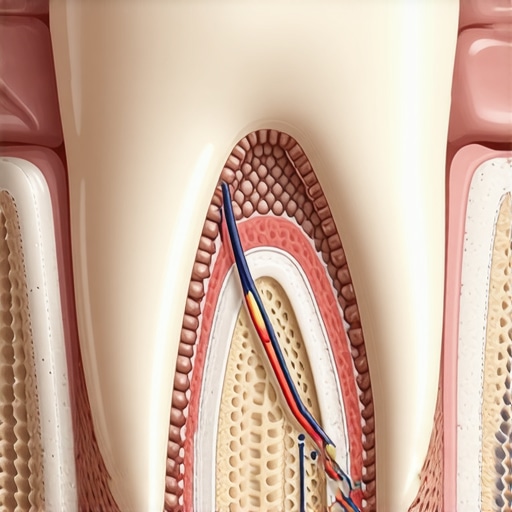
Why does the pain persist after a root canal?
This is the advanced question I get all the time. You had the infection removed and the tooth crowned, yet the throb remains. This often happens because of accessory canals—tiny, hair-like passages in the root that standard tools might miss. It’s why revamp your smile top cosmetic dentistry trends for 2025 are shifting toward high-resolution 3D imaging rather than just traditional X-rays. Furthermore, rushing into transform your look with expert cosmetic dentistry solutions without first ensuring your foundation is infection-free is like building a skyscraper on sand. If you ignore this subtle, dull pressure because you think the problem is gone, you are risking a chronic abscess that can systemically affect your health. Have you ever felt like a dental fix didn’t actually fix the underlying issue? Let me know in the comments. Whether you are following a family dentistry guide building a lifetime of healthy smiles or you are deep in a crisis, remember: aesthetics should never silence the alarm bells of your biology.
Now that the emergency fire is out and you are no longer living on a staggered schedule of Ibuprofen, let’s talk about the gear that keeps you out of the ’emergency’ category forever. I used to think a standard manual toothbrush and some generic floss were enough, but after my first abscess, I realized I was bringing a knife to a gunfight. If you have invested in dental crowns explained the ultimate solution for damaged teeth, you have to treat them like the precision-engineered medical devices they are.
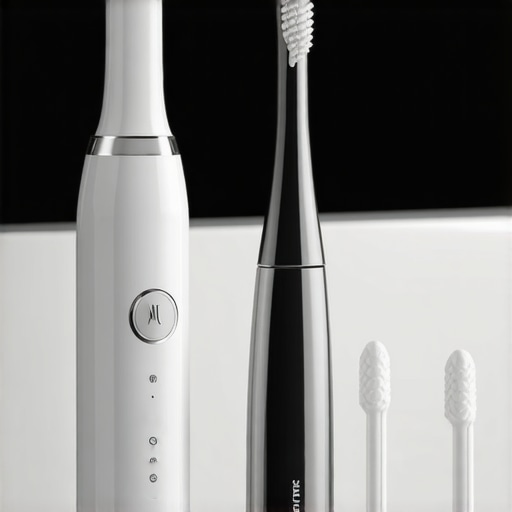
Personally, I swear by a water flosser with a specialized ‘plaque seeker’ tip. Unlike standard floss, which can sometimes catch on the margins of a restoration, the pulsating water deep-cleans the sulcus without mechanical trauma. This is particularly vital if you need to learn how to clean your dental bridge to prevent chronic-gum disease, as the space under a bridge is a notorious magnet for the same bacteria that caused my midnight meltdown. I also recommend a pressure-sensing electric toothbrush; I realized I was scrubbing my gum line so hard I was actually creating gaps for bacteria to enter. Modern sensors prevent that ‘over-brushing’ recession that exposes the vulnerable edges of your crowns.
How can I make my dental crowns last a lifetime?
The secret isn’t just in the tools; it is in the stability of your mouth. One of the biggest threats to longevity is nocturnal bruxism—basically, grinding your teeth into dust while you sleep. If you are constantly looking for ways how to stop clenching your jaw when you feel stressed, you likely need a custom-molded night guard. When I got mine, I had to learn how to clean a night guard without using harsh chemicals or bleach to ensure I wasn’t introducing new pathogens into my mouth every night. This simple piece of plastic absorbs the thousands of pounds of pressure that would otherwise shatter your porcelain veneers or crowns.
In the world of high-end restorative work, I often look to the research of Dr. Pascal Magne, the pioneer of biomimetic dentistry. He emphasizes ‘Immediate Dentin Sealing’ as a way to significantly increase bond strength. According to his research in the Journal of Adhesive Dentistry, sealing the tooth immediately after preparation—before the temporary crown even goes on—can reduce post-operative sensitivity and the risk of bacterial leakage. This is the level of detail your family dentistry provider should be discussing with you if you want your the secret to making your dental bonding last more than five years to actually work. I predict that by 2025, we will see even more integration of AI-driven diagnostic tools that can spot these microscopic leaks before they become abscesses, as discussed in revamp your smile top cosmetic dentistry trends for 2025. We might even see night guards with embedded sensors that alert your phone if you are grinding too hard. My advice? Don’t wait for the tech to save you. Go out this week and buy a high-quality water flosser; it is the single best investment you can make to protect your dental investments.
Why Ignoring the Small Stuff Costs More Than Just Money
One of the biggest ‘lightbulb moments’ I had was realizing that dental pain is often the final stage of a problem, not the first. If you notice the real reason your crown feels loose when you chew gum early on, you might avoid the 2 AM abscess entirely. Another lesson? Your mouth is a mirror of your total body wellness. I spent years wondering about social awkwardness before learning what your chronic bad breath is actually saying about your gut health. Stabilization is about proactive observation, not just reactive surgery. Finally, remember that even the best dentist can only do so much if the foundation—your bone and gums—isn’t respected daily.
My Personal Arsenal for a Mouth That Doesn’t Hurt
I trust specific tools and resources because they turn a chore into a lifestyle. First, I recommend finding a provider who follows a family dentistry guide building a lifetime of healthy smiles to ensure they look at your teeth as a long-term project rather than a series of quick fixes. I also keep a close eye on cosmetic dentistry innovations to watch because new materials are constantly making crowns more durable and more natural-looking. For daily maintenance, nothing beats a high-quality pH-balanced mouthwash that supports your natural microbiome rather than nuking it with alcohol.
#IMAGE_PLACEHOLDER_E#
The Future of Your Dental Health Starts Now
Don’t let a past bad experience or the fear of a needle stop you from reclaiming your comfort and confidence. Your journey with your dental team should be a partnership, not a cycle of emergencies. Whether you are looking into cosmetic dentistry for a total refresh or you are just trying to get through the night without pain, you now have the tools to take control. You deserve a smile that feels as good as it looks. Have you ever felt that terrifying throb in the middle of the night, or did you catch your infection before it became a crisis? Let me know your experience in the comments below.