I’ll never forget the sound. It was a crisp Tuesday morning, and I was enjoying a piece of toasted sourdough—the extra crunchy kind from the local bakery—when I heard a sharp click that definitely didn’t belong in my mouth. It wasn’t the bread. My crown hadn’t just popped off; the biological tooth underneath had finally surrendered. When my dentist first sat me down and mentioned a dental implant, I pictured a bionic, indestructible replacement. I honestly thought I was buying a permanent, set it and forget it solution to a lifetime of dental anxiety. I walked out of that office feeling like I’d just upgraded to a titanium-reinforced version of myself. Boy, was I naive. I spent weeks obsessing over the upfront cost and the recovery time, but I didn’t spend nearly enough time asking the most important question: how long do these things actually stay in your jaw before they need attention again?
My Expensive Mistake with a “Permanent” Smile
In the beginning, I treated my new implant like a piece of high-end hardware rather than a living part of my mouth. I figured since titanium can’t get a cavity and porcelain doesn’t decay, I could afford to be a little lazy with my routine. That was my first big blunder, and it’s one I see people make all the time in the world of expert cosmetic dentistry solutions. I quickly learned that while the metal post is essentially immune to bacteria, the bone and gums holding that post are very much alive—and very much vulnerable to neglect. I almost threw away a massive financial investment because I didn’t realize that the secret to keeping your dental implants healthy for life is actually more about your daily habits than the skill of the surgeon. If you’re sitting there right now, scrolling through your phone and wondering if you’re about to drop thousands of dollars on something that might fail in five years, I hear you. The industry loves to throw around the word “permanent,” but “long-term” is a much more honest and helpful description. According to the Journal of Clinical Medicine, dental implants boast a success rate of about 95% over a ten-year period, but that remaining 5% failure rate usually boils down to factors we can actually control. Today, I want to pull back the curtain on what determines that lifespan so you don’t have to learn the hard way like I did.
Are these things actually going to last a lifetime?
This is the question that keeps most of us up at night before a big procedure. We’ve all heard the horror stories in the waiting room. Maybe you’ve seen a friend deal with a “spinning” crown or you’re worried about why your dental implant is suddenly visible through the gum line. It’s genuinely scary to think about a surgical screw failing inside your face. But here’s the unfiltered truth: while the titanium post itself can easily last 25 years to a lifetime, the ceramic crown sitting on top of it usually needs a replacement every 10 to 15 years due to normal wear and tear. It’s a bit like a car; the engine might be built to last a million miles, but you’re still going to need to change the tires and the oil if you want to keep it on the road. Before we dive into the nitty-gritty of maintenance, I have to ask: have you ever had a professional tell you an implant is a “forever” fix without explaining the upkeep involved? I’d love to know if you felt as blindsided by the reality of dental maintenance as I was. Whether you are currently weighing the real benefit of choosing a dental implant over a bridge or you are already in the healing phase and wondering how to tell if your dental implant is actually healing correctly, getting a grip on the timeline is the first step to true peace of mind. Let’s look at what actually happens inside your jaw once the initial numbing wears off and the real work begins.
Don’t Let Bacteria Settle in the ‘Dead Zone’
The biggest misconception about implants is that they are ‘set and forget.’ While the titanium post won’t rot, the tissue surrounding it is incredibly sensitive to a condition called peri-implantitis. This is essentially gum disease on steroids, and it can eat away at the bone holding your expensive new tooth in record time. To prevent this, you have to clean the ‘dead zone’—that tiny space where the crown meets the gum line. I remember a few months after my surgery, I noticed a slight metallic taste in my mouth. I’d been brushing, but I wasn’t cleaning *under* the prosthetic. A quick trip to my dentist revealed I had early-stage inflammation because I was treating it like a natural tooth rather than a multi-part mechanical assembly. Precision cleaning is your only defense.
Master the Tools Your Regular Toothbrush Ignores
If you are still only using a standard manual toothbrush, you are leaving your investment at risk. You need to incorporate an interdental brush or a high-powered water flosser into your nightly routine. These tools are designed to reach the nooks and crannies around the abutment. When you learn the secret to keeping your dental implants healthy for life, you realize that mechanical disruption of biofilm is the only way to stop bone loss. I personally switched to a water flosser after my ‘metallic taste’ scare, and the difference was night and day. It felt like I was power-washing the foundation of my smile every evening.
The Hidden Danger of Nighttime Grinding
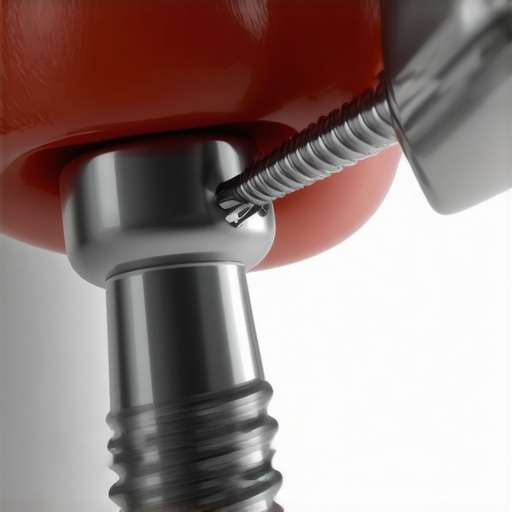
You might think your teeth are the only things at risk if you grind your teeth at night, but titanium has a breaking point too. Or more accurately, the porcelain crown on top does. If you’ve invested in expert cosmetic dentistry solutions, the last thing you want is a fracture. Constant pressure can even loosen the internal screw. This is why a custom-fitted night guard is non-negotiable. If you use one, remember to keep it sterile; you should learn the best way to clean your night guard so it doesn’t smell to ensure you aren’t introducing new bacteria into your mouth every time you go to sleep.
Listen to the Weird Vibrations in Your Jaw
Implants don’t have nerves, so they won’t ‘ache’ like a regular cavity. Instead, they give you mechanical signals. If you ever feel like your dental implant crown feels like it is spinning in place, stop chewing immediately. This is usually a sign that the prosthetic screw has backed out. Another red flag is a sensory oddity where your molar feels like it is vibrating when you bite down. This micro-movement is often the first sign of a loose connection or, worse, failing integration with the bone. I once felt a strange ‘click’ while eating a sandwich and ignored it for a week, only to find out the abutment had loosened. Catching these issues early is the difference between a simple screw tightening and a full-blown surgical replacement. Always check if your dental implant is actually healing correctly during your biannual check-ups, as professional X-rays can see what your tongue cannot feel.
Why Your Strongest Crown Might Be Hurting Your Natural Smile
Most of us are told that high-strength ceramics like Zirconia are the gold standard for expert cosmetic dentistry solutions because they are virtually indestructible. However, here is the contrarian truth I learned from a master prosthodontist: an ‘indestructible’ crown can actually be a liability. If the material is significantly harder than your natural enamel, it can act like a hammer against the opposing teeth. Over time, that ‘permanent’ crown might stay intact while it slowly grinds down your healthy natural teeth on the other side. This is why understanding dental crowns when and why they are needed involves more than just picking the toughest material; it requires a delicate balance of bite force and material science. Have you ever fallen into the trap of thinking ‘hardest is best’ only to find your bite felt off months later? Let me know in the comments.
How do I know if my crown is failing before it actually hurts?
The most dangerous trap in restorative dentistry is the ‘silent leak.’ Most people assume that if a crown isn’t loose, everything is fine. In reality, the cement seal at the margin can degrade long before the prosthetic moves. According to a study in the Journal of Prosthetic Dentistry, marginal leakage is a primary cause of secondary caries, which often go undetected because the crown masks the decay on X-rays. If you don’t know how to tell if your crown is leaking and trapping bacteria, you might be housing a massive cavity under a beautiful porcelain exterior. I’ve seen cases where a patient thought their crown felt loose when they chewed gum, only to discover the entire natural tooth structure underneath had turned to mush. Catching that slight ‘sweet sensitivity’ or a faint odor when flossing is the advanced skill you need to save your tooth.
The Aesthetic Gap Most General Dentists Miss
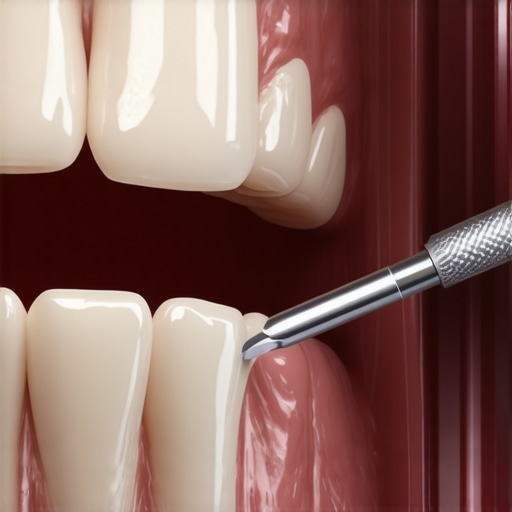
There is a massive difference between a tooth that is ‘fixed’ and a tooth that looks real. A common mistake in cosmetic work is ignoring the translucency of the natural teeth next door. This is why your porcelain veneers might look opaque and unnatural in sunlight; they lack the depth of natural dentin. Truly high-end work mimics the way light bounces around inside the tooth, not just off the surface. This level of detail is often overlooked in busy practices that don’t specialize in aesthetic nuances. Furthermore, this attention to detail shouldn’t start in adulthood. Incorporating essential family dentistry tips early on ensures that the natural bone structure and gum health are preserved, making any future cosmetic work look ten times more seamless. If the foundation—the gums and bone—isn’t managed with precision from a young age, even the most expensive crown will look like a ‘fake’ addition rather than a natural part of your face.
The One Tool That Actually Saved My Gums
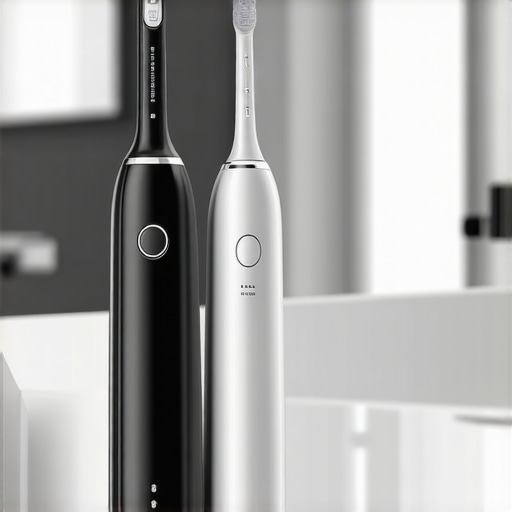
When I finally accepted that my mouth was now a high-tech assembly of titanium and porcelain, I realized my old cleaning kit was woefully inadequate. If you’re still using a manual brush from a three-pack, you’re basically trying to maintain a luxury vehicle with a kitchen sponge. I switched to a high-frequency sonic toothbrush specifically because of the pressure sensor. One of the weirdest side effects of expert cosmetic dentistry solutions is that you lose the ‘feedback’ from your nerves. I was unknowingly scrubbing my gums into oblivion, which is exactly how your dental implant is suddenly visible through the gum line. The sensor buzzes the second I press too hard, acting as a mechanical coach for my heavy-handedness.
How do I maintain my cosmetic dental work over time?
Maintenance isn’t just about what you do at home; it’s about the instructions you give your hygienist. Did you know that using a standard metal scaler on a titanium abutment can create microscopic scratches that harbor colonies of bacteria? Always insist on plastic-coated or titanium-tipped instruments during your professional cleanings. This nuance is part of a comprehensive guide to dental crowns that most people ignore until it’s too late. Beyond the chair, I personally swear by the GUM Proxabrush. It’s an interdental tool that gets into the ‘gap’ that floss often skips. A study in the Journal of Oral Rehabilitation noted that the use of interdental brushes is significantly more effective at removing plaque around crown margins than traditional floss alone. If you are cleaning your dental bridge or an implant, these tiny brushes are non-negotiable for preventing the bone loss that leads to failure.
The 2025 Shift Toward Bio-Interactive Materials
As we look at the upcoming trends for 2025, the industry is moving away from ‘inert’ materials like basic porcelain. We are entering the era of bio-interactive dentistry. I predict that within the next few years, the ‘set and forget’ mentality will be replaced by smart crowns that actually communicate with your phone. Imagine a crown that monitors the acidity of your saliva and alerts you via an app when you’re at risk for a ‘silent leak.’ This level of preventative tech will be integrated into the role of a family dentist to ensure that restorations last thirty years instead of ten. We are moving from fixing problems to predicting them before they even exist.
If you really want to be proactive about keeping your implants healthy, my biggest advanced tip is the ‘stink test.’ Tonight, use an interdental brush or a piece of high-quality floss around your restoration. If it comes out with even a faint odor, you have a bacterial buildup that your current routine is missing. Don’t wait for a ‘vibrating’ sensation or a loose screw to take action. Switch to a water flosser and an interdental brush tonight—your jawbone will thank you a decade from now.
The Hardest Lesson I Learned About My Titanium Tooth
Reflecting on my journey, the biggest lightbulb moment was realizing that the word ‘permanent’ is a psychological comfort rather than a biological guarantee. I’ve learned that your mouth is a living, shifting environment, and treating a dental implant like a piece of dead hardware is the fastest way to lose it. My first mistake was assuming that since titanium doesn’t rot, I could skip the rigorous hygiene I practiced on my natural teeth. In reality, the gum tissue around an implant is actually more prone to rapid infection because it lacks the natural ligament barrier that real teeth have. I also learned that child-friendly dental care isn’t just for kids; it’s a philosophy of gentle, consistent maintenance that we should carry into adulthood to protect our restorations. Finally, I discovered that my bite changes over time; if you feel your crown hitting ‘high,’ get it adjusted immediately before the stress causes bone loss.
My Essential Toolkit for Long-Term Care
If you want your investment to last twenty years instead of five, you need more than just a standard toothbrush. I personally trust the Waterpik Aquarius because it flushes out the ‘dead zone’ around the abutment where traditional floss simply can’t reach. I also recommend switching to a Philips Sonicare with a built-in pressure sensor—this was a game-changer for me because it stopped me from scrubbing my gums away, which is a major reason why your dental implant is suddenly visible through the gum line. For on-the-go cleaning, the GUM Proxabrush is my secret weapon for clearing debris after a restaurant meal. Lastly, never underestimate the power of a custom night guard; protecting your porcelain from grinding is essential for building a lifetime of healthy smiles.
#IMAGE_PLACEHOLDER_E#
Your Future With a Restored Smile
Walking into a dental office for a major procedure is intimidating, but taking ownership of your recovery is incredibly empowering. By staying proactive and leveraging the latest cosmetic dentistry innovations, you aren’t just fixing a gap in your mouth—you are investing in your long-term health and confidence. Your dental implant can truly be a lifelong companion if you treat it with the respect it deserves. Don’t be afraid to ask your provider the tough questions about material wear and tissue health; your smile is worth the extra effort.
Have you ever felt like your dentist didn’t give you the full story on how to care for your new crown or implant? Let me know your experience in the comments below!