I’ll never forget that first night after my surgery. I was staring into the bathroom mirror, flashlight in hand, trying to see if my gums looked ‘normal’ pink or ’emergency room’ red. It’s a lonely, nerve-wracking feeling. You’ve invested time, money, and quite a bit of courage into your smile, and now you’re just waiting. You’re wondering if that tiny ache is the bone fusing or the whole thing falling apart. I’ve been there, and I’ve made the mistake of over-analyzing every single sensation until I was convinced my implant was doomed. One time, I even panicked because I thought my implant crown was spinning in place, when in reality, I was just hyper-fixated on the healing cap. Today, I want to clear the air. We’re going to talk about the real indicators of success, the weird sensations that are actually fine, and when you truly need to pick up the phone. Have you ever felt that weird ‘thump’ in your jaw and immediately reached for your phone to call the clinic?
What a Healthy Jaw Actually Feels Like After Surgery
In the first few days, your mouth is basically throwing a tantrum. That’s okay. I learned the hard way that trying to rush the process only leads to stress. A healing implant shouldn’t feel like a lightning bolt of pain; it should feel like a dull, fading memory of the procedure. By day four or five, you should notice that the swelling is packing its bags and heading out. This is a crucial part of any comprehensive family dentistry guide because understanding your body’s recovery rhythm is the foundation of a lifetime of healthy smiles. According to the American Academy of Implant Dentistry, dental implants have a success rate of about 98%, but that 2% of failure usually stems from infection or poor osseointegration, so watching your gum color is vital. If your gums are a healthy coral pink and staying snug against the post, you are winning. If you start to notice that your dental implant is suddenly visible through the gum line, that’s your signal to stop reading and call your doctor.
Will my body actually accept this piece of metal?
It sounds like science fiction—screwing a piece of titanium into your jawbone and expecting it to become part of you. I was terrified my body would treat it like a splinter and push it out. But titanium is biocompatible, meaning your bone actually loves it. The process is called osseointegration, and while it feels like nothing is happening on the surface, there is a microscopic construction crew building new bone around that post every single second. Don’t let the silence of the healing process fool you into thinking it’s failing; as long as there’s no foul taste or spreading redness, the ‘construction’ is likely ahead of schedule.Once you realize your jaw is effectively a construction site, you have to treat it like one—complete with safety cones and strict protocols. The first thing you need to master is the cleaning cycle. Many people reach for the strongest alcohol-based mouthwash they can find, thinking they’re ‘killing’ the bad bacteria. I did exactly that on day three, and it was a disaster. Not only did it sting like crazy, but it made my gums turn white from the chemical irritation, which sent me into a total panic. Instead, use a simple saltwater rinse—half a teaspoon of salt in eight ounces of warm water. It doesn’t just clean; it balances the pH of your mouth and draws out fluid from the swollen tissue like a gentle magnet.
Protect the Construction Zone with These Daily Habits
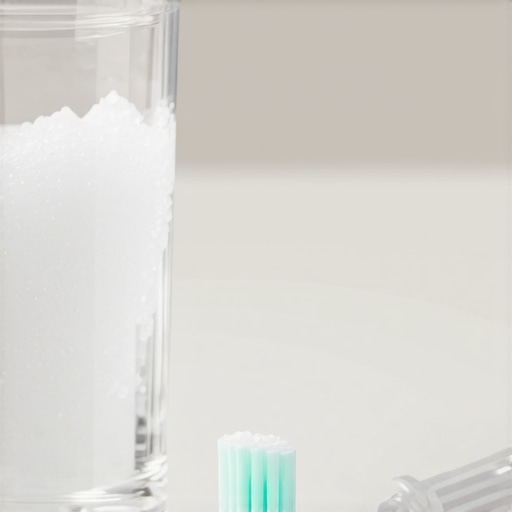
Ditch the High-Octane Mouthwash for a Simple Salt Rinse
Next, you have to police your own habits, specifically how you handle stress. When we’re in pain or worried about a medical procedure, our natural instinct is to grit our teeth. However, putting that much downward pressure on a fresh implant is like stepping on wet cement. If you find yourself tightening up, you need to learn how to stop clenching your jaw immediately. I remember sitting at my desk, subconsciously grinding my teeth while answering emails, only to feel a sharp ‘ping’ in my jaw. It wasn’t the implant breaking, but it was a warning shot from my nerves. To combat this, try the ‘tongue to roof’ trick: place the tip of your tongue against the roof of your mouth behind your front teeth. This physically prevents your molars from touching and gives the bone the peace and quiet it needs to fuse.
Keep Your Jaw Relaxed to Avoid Implant Fatigue
As the weeks progress, you might notice some strange sensory feedback. I once felt like my dental implant was vibrating when I talked, which is actually a common phenomenon during the early stages of osseointegration. Think of it like a new piece of hardware in a machine—it takes time for the surrounding parts to dampen the resonance. Similarly, some patients mention that their dental bridge feels tight in the morning if they have adjacent work done. These sensations aren’t always signs of failure; often, they are signs of your nervous system recalibrating to the new structure in your mouth. This level of detail is exactly what makes the role of family dentistry so important—it’s about having a professional who can distinguish between ‘normal healing weirdness’ and a legitimate ‘red alert’ issue.
Listen to the Internal Vibrations of Your New Tooth
I remember my own ‘over-confident’ moment around day ten. I thought I was in the clear because the pain had vanished, so I ordered a plate of sushi. I figured rice is soft, right? Wrong. The stickiness of the rice acted like a suction cup on my healing cap, and for a terrifying second, I thought I’d pulled the whole thing out. The result was a night of throbbing pain and a very sheepish call to my dentist the next morning. The takeaway is simple: if you have to question if a food is soft enough, it isn’t. Stick to the ‘fork-tender’ rule—if you can’t mash it easily with a plastic fork, don’t let it anywhere near your surgical site. Eventually, this metal post will serve as the anchor for a custom prosthetic, and understanding dental crowns is the next logical step in your journey toward a full smile. You aren’t just getting a tooth; you’re rebuilding a foundation.But here is the nuance most people—and even some glossy brochures—miss: a foundation requires maintenance, not just installation. We often fall into the trap of thinking a crown is a ‘forever’ shield. While dental crowns explained as durable solutions are technically correct, the tooth underneath is still biological. According to a long-term study in the Journal of Prosthetic Dentistry, the primary cause of crown failure is actually recurrent decay at the margin—the tiny seam where the porcelain meets your natural tooth. If that seal is compromised even slightly, bacteria can sneak in and rot the tooth from the inside out while the crown still looks perfect on the surface. This is why learning how to tell if your crown is leaking is a vital skill for anyone with extensive restorative work.
Stop Thinking of Crowns as Invincible Shields
Many patients believe that because the crown is artificial, it’s immune to cavities. In reality, the margin of a crown is the most vulnerable place in your mouth. If you don’t keep that area impeccably clean, you’re essentially leaving the back door unlocked for bacteria. This is where the intersection of restorative and expert cosmetic dentistry solutions becomes critical; a crown must not only look good but must fit with microscopic precision to prevent this ‘leaking’ effect. If you’ve ever wondered the real reason your dental insurance won’t cover a replacement before a certain number of years, it’s often because they expect that maintenance to be part of your routine.
Why Does the Gum Line Turn Dark Even if the Crown Feels Fine?
This is one of the most common complaints I hear from people who have had work done years ago. That thin, dark line at the base of the tooth is usually a ‘shadow’ from an underlying metal structure. If you have an old metal-fused crown, the metal margin can become visible as the gums naturally recede over time. However, it can also be a warning sign of ‘biological width’ issues or even simple staining. In modern practice, we often use all-ceramic materials to avoid this, but if your porcelain veneers look opaque or your gums look dark around an old crown, it’s worth a deep-dive conversation with your dentist about the health of the underlying tissue.
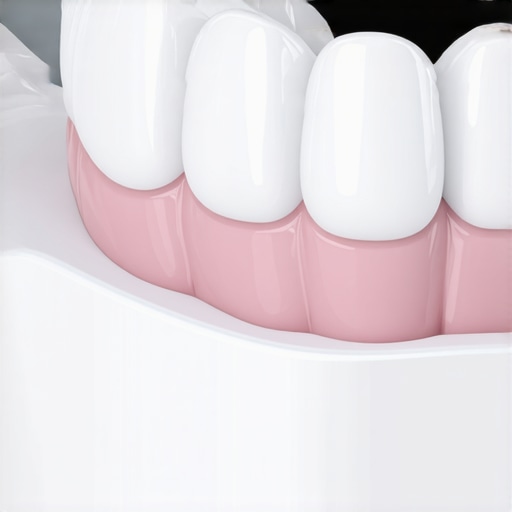
The Hidden Trap of the ‘High’ Bite
Here is an ‘oops’ factor that almost everyone misses: the ‘high’ spot. If your new crown or implant is even a fraction of a hair too tall, your jaw muscles will find it. Every time you bite, you are hammering that post or tooth with hundreds of pounds of force. This is often the real reason why your molar cracks or why an implant fails to integrate properly. If something feels ‘just a little off’ when you chew, don’t ‘give it time’ to settle. Your teeth should hit simultaneously, like a perfectly tuned piano. Have you ever fallen into this trap of ignoring a slight discomfort only for it to become a major issue later? Let me know in the comments.
If you’ve felt that ‘high’ spot and ignored it, you’re not just risking a crack; you’re stressing the entire system. Once you get that bite adjusted, the real work of maintenance begins. I used to think a standard toothbrush was enough until I saw the microscopic plaque buildup around my own bridge during a check-up. That’s when I realized that standard tools don’t cut it for custom-built smiles. You need a specialized toolkit to protect your investment.
Grab a Water Flosser with the Plaque Seeker Tip
My game-changer was switching to a water flosser specifically equipped with a ‘Plaque Seeker’ tip. This isn’t just marketing fluff. These tips have three thin tufts of bristles that reach the tiny gaps where a crown meets the gum line. According to a study published in the Journal of Clinical Periodontology, interdental cleaning is significantly more effective at reducing gingival inflammation around implants than traditional flossing alone. When you learn how to clean your dental bridge with pressurized water, you’re flushing out bacteria that physical string simply can’t reach. I personally use it on the medium setting every night—anything higher feels like a power washer in my mouth, and anything lower doesn’t get the job done.
Why Prescription Toothpaste is Your Crown’s Best Friend
If you have multiple crowns or a history of decay, ask your dentist for a high-fluoride prescription toothpaste like Prevident 5000. It has roughly four times the fluoride of the stuff you find at the grocery store. I started using it because I wanted to ensure the margins of my restorations stayed rock-solid. This is a core part of essential family dentistry tips that apply to adults too: hardening the natural tooth structure around your expensive dental work is the best insurance policy you can buy. 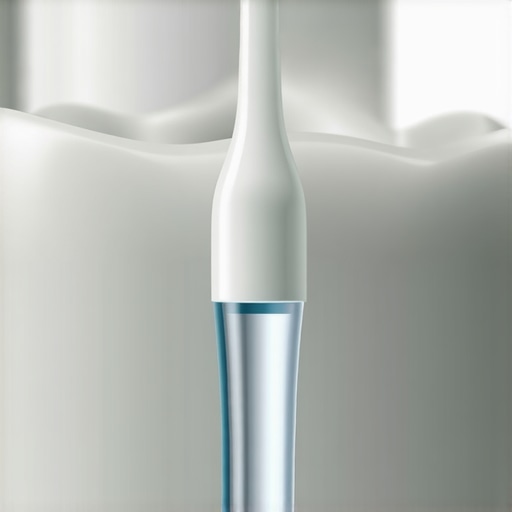
How do I maintain my dental restorations over the long haul?
The secret isn’t just what you do at home; it’s the professional interventions you choose. For instance, knowing the truth about professional whitening gels is vital because store-bought strips can sometimes be too abrasive for the bonding agents used in cosmetic work. You want to use pH-neutral products that won’t etch the surface of your porcelain. If you want to find the secret to making your dental bonding last, it’s all about avoiding the ‘stain and scrape’ cycle. I’ve switched to using a soft-bristled sonic toothbrush that vibrates at a frequency designed to break up biofilm without wearing down the composite resin.
The Future of Smart Dentistry is Already in Your Bathroom
Looking ahead, we’re moving toward a world of ‘biometric monitoring’ in oral care. I’m already seeing toothbrushes that sync with apps to track the pressure you apply to your gums—essential for those of us who tend to scrub too hard and cause recession. As we look at top cosmetic dentistry trends for 2025, expect to see more AI-driven diagnostics that can catch a ‘leaking’ crown margin before it even shows up on a traditional X-ray. This proactive approach is where expert cosmetic dentistry solutions are headed. Tonight, I want you to try one thing: swap your regular floss for a water flosser or an interdental brush for just five minutes and notice the difference in how your gums feel tomorrow morning.
Lessons from the Chair: What My Dentist Didn’t Mention
Reflecting on my own dental journey, I’ve realized that the surgery was actually the easy part. The real challenge—and the real reward—is the daily vigilance that comes afterward. First, I learned that your bite intuition is often more accurate than a standard exam; if a tooth feels ‘tall’ or slightly off-kilter, it is, and you shouldn’t wait to get it filed. Second, I discovered that while titanium is incredibly resilient, the gums surrounding it are delicate and require constant blood flow through gentle massage. Third, I realized that the role of family dentistry isn’t just about emergency fixes, but about having a professional who knows the history of every millimeter of your mouth. Finally, the ‘set it and forget it’ mindset is the biggest enemy of dental longevity; your restorations are part of a living, changing system.
The Survival Gear My Bathroom Counter Can’t Live Without
I’ve trimmed my routine down to the absolute essentials that actually move the needle for oral health. First, I never skip my water flosser, which is the gold standard when learning how to clean your dental bridge to keep chronic inflammation at bay. Second, I’ve swapped generic grocery store pastes for prescription-strength fluoride because essential family dentistry tips are just as vital for adults trying to harden the margins of their expensive crowns. Lastly, I keep a ‘bruxism diary’ on my phone. If I notice my jaw feels tight or my teeth feel sensitive in the morning, I track my stress levels to see if I need to adjust my night guard before I cause real damage to my implants.
Your Smile is a Growing Investment, Not a Fixed Cost
Thinking of your dental work as a ‘one-and-done’ solution is a psychological trap. Instead, view your restorations as a high-performance machine that requires regular tuning. Whether you are following the top cosmetic dentistry trends for 2025 or simply maintaining a single crown, the goal is to prevent the need for a total redo. By staying proactive and leaning on expert cosmetic dentistry solutions, you aren’t just protecting porcelain; you’re protecting your confidence and your ability to enjoy a meal without fear. Have you ever felt a ‘high spot’ or a weird sensation after a dental visit and chose to ignore it? Let me know your experience in the comments below!