I remember sitting in the parking lot of my local clinic last October, fresh out of the chair after a standard cleaning. I did that thing we all do—ran my tongue over my front teeth expecting that glass-smooth finish. Instead, they felt… tacky? Almost like there was a thin layer of saran wrap stuck to them. I felt totally ripped off! I’d just spent forty-five minutes with a hygienist, yet my mouth felt weirder than when I walked in. If you’ve ever felt like your teeth were “furry” or sticky despite the polish, I promise you aren’t crazy, and your dentist isn’t slacking. Today, we are going to get to the bottom of why your mouth feels like a magnet for fuzz the moment you leave the office and how you can actually maintain that slippery-smooth feeling for longer.
Stop Blaming Your Dentist for That Tacky Feeling
My first mistake years ago was assuming that “sticky” meant “dirty.” In my head, I figured they’d missed a spot, so I went home and brushed with a vengeance. Big error. It turns out, that sensation is often a biological reaction rather than a lack of hygiene. When the hygienist removes the hard tartar (calculus), they are exposing parts of your enamel that haven’t seen the light of day in months. Your saliva immediately rushes in to protect that newly exposed surface. If you have older restorations, you might even notice grittiness or stickiness more prominently near the gumline.
Is it possible the cleaning actually made things worse?
It’s a valid fear. You go in for maintenance and come out feeling less “clean” than before. But here is the secret: that stickiness is usually just the acquired pellicle—a natural protein film from your saliva. According to the American Dental Association, this film starts forming within minutes of a cleaning to protect your teeth from acid. Sometimes, if you have certain dental crowns or cosmetic work, the texture feels even more pronounced because those materials react differently to professional polishing pastes than natural enamel does.
Why Your Saliva is Working Overtime Right Now
We often talk about the role of family dentistry as just fixing holes, but it’s really about managing your mouth’s chemistry. If you’re dehydrated or have a slightly acidic diet, your saliva gets thicker. This makes that post-cleaning film feel like glue. I once tried to “fix” it by using a harsh charcoal scrub immediately after a cleaning—do not do this! It led to the worst sensitivity of my life. Instead, we need to focus on how to avoid staining your teeth after a professional cleaning while letting that natural barrier settle without interference. Have you ever left the dentist and felt like your teeth were actually more textured than when you arrived? I’d love to hear if you found a way to shake that tacky feeling faster!
Treat Your Fresh Enamel Like Wet Paint
Think of your teeth immediately after a professional cleaning as a freshly painted wall. It looks great, but it is incredibly vulnerable to the environment. The first 48 hours are the most critical for ensuring that tacky feeling doesn’t turn into a permanent layer of plaque. Last year, I ignored the ‘no coffee’ rule for exactly two hours. I grabbed an iced Americano on my way home, and by the time I finished it, my teeth didn’t just feel tacky—they felt like they’d been dipped in syrup. The acidity in the coffee reacted with my fresh saliva film, turning that protective layer into a literal magnet for debris. To avoid this, stick to the ‘White Diet’—water, milk, white rice, and chicken—for at least a day. This gives the acquired pellicle time to stabilize without trapping pigments or sugars that cause that ‘furry’ sensation. If you are worried about your appearance during this phase, remember that how to avoid staining your teeth after a professional cleaning is mostly about patience and avoiding dark liquids.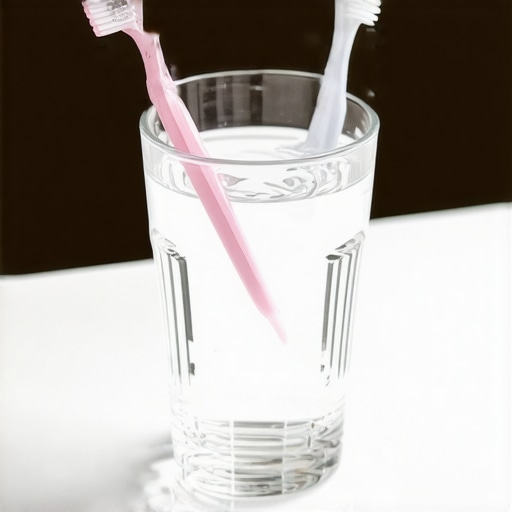
Swap Your Toothbrush the Moment You Get Home
It sounds simple, but most people go back to the same toothbrush they were using before their appointment. This is a massive mistake. Your old toothbrush is likely teeming with the very bacteria the hygienist just spent an hour removing. If you use a brush with frayed bristles, you aren’t actually cleaning those newly exposed surfaces; you are just scratching the protective film. I recommend switching to a soft-bristled electric head immediately. You need to be gentle because why your teeth feel sharp after a scaling and root planing is often due to the removal of tartar that was masking tooth sensitivity. Using a fresh, soft brush ensures you aren’t introducing old bacteria back into the mix while protecting your gums. Also, check the truth about how often you really need to replace your toothbrush to ensure you aren’t over-wearing your equipment.
Ditch the Dry Mouth to Keep That Smooth Finish
Saliva is your best friend after a cleaning, but only if it’s the right consistency. If you are dehydrated, your saliva becomes thick and ropey, which is exactly what creates that sticky, tacky feeling. I’ve found that sipping alkaline water throughout the day keeps the mouth’s pH balanced and prevents the ‘fuzz’ from settling in. This is a key part of the role of family dentistry—teaching patients that oral health is a full-body hydration issue. If you use a mouthwash, make sure it is alcohol-free. Alcohol dries out the tissues and causes a rebound effect where your mouth produces even stickier mucus to compensate. If you’ve ever wondered the truth about using charcoal toothpaste to remove coffee stains, save that for much later; right now, your enamel is too porous for such abrasive treatments.
Watch Out for Leaking Crowns and Old Fillings
Sometimes that tacky feeling isn’t the whole tooth, but just one specific spot. If you feel a ‘snag’ or a persistent grittiness around a restoration, it might not be a cleaning issue at all. It could be that the margin of an old crown is starting to fail. When I had my first cleaning after getting a cap, I was convinced they’d left cement behind. It turned out the crown was slightly worn at the edge. Learning dental crowns explained helped me realize that these materials don’t last forever. If the stickiness is localized, you should learn how to tell if your crown is leaking and trapping bacteria. A professional cleaning often highlights these structural issues because the removal of tartar reveals the true state of the restoration’s seal.
Stop Chasing the ‘Hollywood White’ Standard
Most people walk into a cosmetic consultation asking for the whitest shade on the chart, believing that brightness equals health. In my experience, this is the quickest way to end up with a smile that looks like a row of chiclets. The hidden nuance that high-end practitioners know—and many patients overlook—is translucency. Natural enamel isn’t opaque; it’s a complex filter for light. When you opt for monolithic, ultra-white restorations, you lose the depth that defines a human tooth. This is exactly why your porcelain veneers look opaque and unnatural in sunlight. If you want a smile that actually looks expensive, you have to prioritize light-play over pure pigment. Expert cosmetic dentistry is about mimicking the imperfections of nature, not erasing them.
Why does my porcelain look ‘fake’ even though the shape is perfect?
It often comes down to the ‘metamerism’ effect—how colors change under different lighting conditions. A crown might look great in the dentist’s office but turn a weird gray-blue at a dinner party. A study published in the Journal of Esthetic and Restorative Dentistry highlights that the mismatch between the refractive index of the bonding cement and the ceramic material is a common culprit. This is why looking into top cosmetic dentistry trends for 2025 is so important; the industry is moving toward multi-layered zirconia that mimics the dentin-to-enamel transition much more effectively than older materials.
The Trap of the ‘Budget’ Dental Crown
I’ve seen it a hundred times: a patient chooses a restoration based solely on what their insurance covers or the lowest out-of-pocket cost. This is the ultimate ‘oops’ factor in oral health. When it comes to dental crowns vs other restorations, you aren’t just paying for a cap; you are paying for the marginal fit. A ‘value’ crown often has a larger marginal gap—the tiny space where the crown meets the gumline. If that gap is even slightly off, it becomes a microscopic hotel for bacteria. This leads to the exact scenario where you need to know how to tell if your crown is leaking and trapping bacteria. By the time you feel pain, the decay is often so deep that the tooth might not be salvageable. Investing in a high-precision fit from the start saves you thousands in potential root canals or implants later.
Think Beyond the Individual Tooth
One of the biggest mistakes patients make is treating their mouth like a collection of 32 independent islands. They want to fix the ‘tacky’ feeling on a front tooth without considering how their overall bite (occlusion) is shifting. This is where the family dentistry guide approach is superior to ‘quick-fix’ cosmetic shops. A great family dentist looks at the wear patterns across your entire arch. If one tooth feels gritty or sticky, it might be because it’s taking too much force when you chew, causing the enamel to micro-fracture and trap stains more easily. When you focus on expert cosmetic dentistry solutions, you must ensure the function is balanced first. Have you ever fallen into the trap of fixing one tooth only to have the one next to it start hurting? Let me know in the comments! I’d love to help you figure out what might be going on with your specific situation.Maintaining that fresh-out-of-the-chair feeling isn’t just about brushing; it’s about the precision of your tools. I personally swear by the Philips Sonicare DiamondClean, but not for the reason most people think. It’s the pressure sensor. If you’ve spent money on expert cosmetic dentistry solutions, you cannot afford to scrub them like a dirty floor. Aggressive brushing causes the gingival margin to recede, exposing the root or the edge of your restoration. I use a high-end sonic brush because it does the work with vibration rather than friction, which is the secret to making your dental bonding last more than five years. Pairing this with a water flosser is a non-negotiable for me. Standard floss is great, but it often misses the microscopic ledge where a crown meets the gum. A water flosser at a medium setting flushes out the biofilm that even the best hygienist can’t reach once you’re back in the real world.
Give Your Smile the Pro-Level Tech it Deserves
The most overlooked tool in my arsenal is a high-quality night guard. Most people wait until they have a headache or a cracked molar to get one, but if you have veneers or crowns, you are essentially wearing glass in your mouth. According to Dr. Gordon Christensen, a leading authority in restorative dentistry, the sheer force of nocturnal bruxism can exceed 250 pounds per square inch. That is enough to shatter even the strongest zirconia over time. I use a custom-fit guard and make sure to follow the best way to clean your night guard so it doesn’t smell, ensuring that I’m not reintroducing bacteria to my gums every night. Keeping the hardware clean is just as important as the teeth themselves.
How can I ensure my crowns and veneers last twenty years?
The answer isn’t just about what you do at home; it’s about the philosophy of your family dentistry guide. You need a practitioner who uses magnification—specifically loupes or a dental microscope. If your dentist isn’t looking at your margins under at least 4.5x magnification, they are guessing. Longevity is found in the microns. You should also be checking the truth about how often you really need to replace your toothbrush because a worn-out head is essentially a baton for bacteria. I change mine every 60 days, regardless of how ‘clean’ it looks.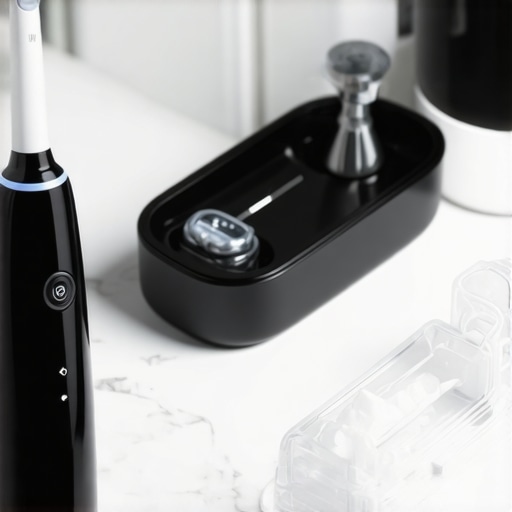
Digital Twins are the Future of Your Smile
Looking ahead, the biggest shift we are seeing in top cosmetic dentistry trends for 2025 is the ‘Digital Twin’ concept. High-end clinics are now using intraoral scanners to create a perfect 3D map of your mouth that stays on file. If you ever chip a tooth or a crown fails, they don’t have to guess what it looked like—they just 3D print a replacement that is identical to your original ‘perfect’ day. This level of precision is why it is so vital to understand dental crowns explained from a technological standpoint. We are moving away from handmade ‘art’ and toward bio-engineered perfection. My advanced tip for you this week: start using an alkaline mouth rinse (or just a bit of baking soda in water) after every meal. It neutralizes the acid instantly and prevents that ‘tacky’ film from even starting to form. Give it a try for seven days and watch how much smoother your teeth feel! If you’re worried about a specific spot that feels ‘off’ already, you should definitely learn how to tell if your crown is leaking and trapping bacteria before the damage becomes permanent.
I remember the first time I realized that my dental health wasn’t just about the hour I spent in the chair, but the 48 hours that followed. That ‘tacky’ sensation we’ve been discussing isn’t a failure—it’s a transition period where your biology and your dentistry are learning to coexist. By understanding how to manage this window, you can ensure your investment in your smile pays off for years to come.
What Experts Won’t Tell You About Your New Smile Transition
One of the biggest lightbulb moments I had was realizing that ‘smooth’ doesn’t always happen the moment you stand up from the dental chair—it happens when you let your mouth’s natural chemistry stabilize. If you’ve recently invested in expert cosmetic dentistry solutions, that tacky feeling is often just the acquired pellicle doing its job to protect your enamel. I also learned the hard way that chasing a ‘paper-white’ look is a mistake; understanding why your porcelain veneers look opaque and unnatural in sunlight taught me that depth and translucency are what actually make a smile look high-end. Lastly, remember that the secret to making your dental bonding last more than five years isn’t just about what the dentist did, but how gently you treat that bond during the first week when it’s most vulnerable to staining.
The Gear I Use to Keep That Slippery Smooth Feeling
To keep my mouth feeling like glass and prevent that ‘furry’ sensation from returning prematurely, I rely on a specific toolkit. I treat my toothbrush like a precision instrument, always checking the truth about how often you really need to replace your toothbrush to ensure I’m not using frayed bristles that harbor bacteria. For anyone with restorative work, I cannot recommend a custom night guard enough; however, you must learn the best way to clean your night guard so it doesn’t smell, or you’re just soaking your teeth in a bacterial bath every night. Finally, I always keep an alkaline mouth rinse on hand to neutralize acids after meals, which prevents the ‘sticky’ biofilm from getting a foothold on my enamel.
Take the First Step Toward a Lifetime of Healthy Smiles
Your journey to a healthier mouth shouldn’t be a source of stress or confusion. Whether you are navigating a family dentistry guide for your kids or maintaining your own high-end cosmetic work, the key is consistency and the right information. That tacky, post-cleaning feeling is just a small chapter in your oral health story, and now you have the tools to turn it into a slippery-smooth success. Don’t be afraid to ask your hygienist for a ‘pH-check’ next time you’re in the chair—it can change everything about how your teeth feel the next day. Have you ever experienced that weird ‘furry’ feeling after a cleaning and thought something was wrong? Let me know your story in the comments below!