I remember sitting in my favorite local taco shop, sweat dripping down my forehead, convinced I had made a terrible mistake. It wasn’t just ‘spicy’; it felt like my tongue was being held against a soldering iron. In my panic, I actually called my friend who works in family dentistry, thinking I had somehow stripped the protective layer off my teeth or caused a chemical burn that would require dental crowns to fix the sensitivity. I felt ridiculous, but the pain was so visceral I couldn’t think straight. It turns out, I wasn’t dying; my pain receptors were just being hijacked by a clever little molecule. Today, I’m going to walk you through exactly why this happens and how you can stop the fire without making the rookie mistakes I did.
Your Nerves Are Basically Being Pranked by Peppers
The sensation of heat you feel from a habanero isn’t a physical burn, even though your brain is screaming otherwise. It all comes down to a component called capsaicin. This oil-like substance binds to your TRPV1 receptors, which are the same sensors that alert you when you’ve taken a sip of coffee that is way too hot. When these receptors are triggered by spice, they send a ‘fire!’ signal to your brain. One major mistake I made during my early ‘hot sauce phase’ was trying to scrub my tongue with a toothbrush to get the oil off. I thought if brushing your tongue could clear away bacteria, it could clear away the spice. Instead, I just spread the capsaicin around and made my mouth even more sensitive. If you have ever felt like a new filling feels sharp to your tongue, imagine that same hypersensitivity spread across your entire mouth. It is incredibly uncomfortable, but I promise there is a way to neutralize it.
Can spicy food actually damage my taste buds forever?
It is a common fear when your mouth is throbbing, but the short answer is no. According to researchers at the Northwestern University Feinberg School of Medicine, capsaicin causes a temporary sensation of pain and inflammation, but it does not cause permanent cellular damage to your taste buds. Your body is incredibly resilient; in fact, your taste buds regenerate about every two weeks anyway. However, the inflammation can make you more prone to other issues, like feeling like you need to learn how to soothe a burnt tongue after even mild foods. Have you ever reached for a glass of ice water only to find the burning sensation came back even stronger ten seconds later? Let me know in the comments if you’ve ever fallen for the ‘water’ trap like I did. We’re about to dive into the real science of what actually works to put out the flame.
Why You Need Dairy Instead of a Water Bottle
The most common mistake people make—and I have done this more times than I care to admit—is chugging ice water. Capsaicin is an oil-based molecule, which means it is hydrophobic. If you have ever tried to wash a greasy pan with just cold water, you know exactly what happens: the grease just beads up and moves around. Water does the same thing in your mouth, spreading the spicy oil to every corner of your palate. Instead of relief, you often end up wondering how to tell if your toothache is a cavity or just sensitivity because the pain becomes so localized and sharp. To actually break that bond, you need a molecular detergent.
The Casein Solution That Actually Works
Dairy is the gold standard for a reason. Milk and yogurt contain a protein called casein. Think of casein as a biological magnet; it is attracted to capsaicin, surrounds it, and washes it away. When I was at that taco shop, I eventually begged for a side of sour cream. Swishing a spoonful of full-fat dairy around your mouth is far more effective than any liquid. It is similar to how we use specific materials in family dentistry to coat and protect sensitive areas. The fat content also helps dissolve the oil, providing a physical barrier that calms those overstimulated TRPV1 receptors.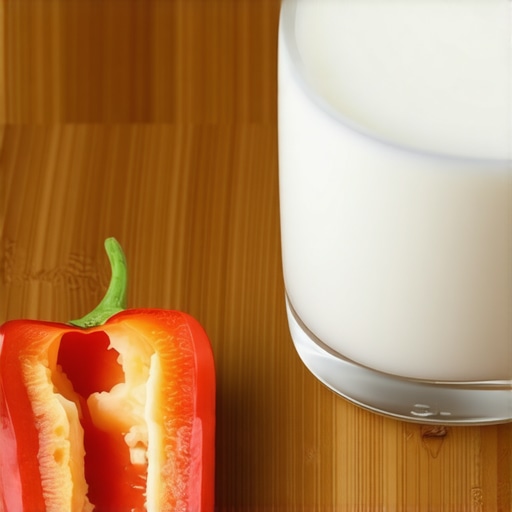
Rice and Bread Act Like a Sponge
If you don’t have dairy nearby, starches are your next best line of defense. Foods like bread, rice, or even a plain tortilla act like a physical sponge. They don’t necessarily neutralize the chemical, but they provide a bulky texture that can scrub the capsaicin off your tongue and soak it up before it hits your throat. This mechanical action is very similar to choosing the best foods to eat when your new braces are sore; you want something that provides relief through texture and doesn’t require aggressive chewing. I once ate half a loaf of white bread in a panic after a Thai curry incident, and while I felt a bit heavy afterward, the fire was finally contained.
Don’t Make the Alcohol Mistake
A few years ago, I thought a cold beer would be the perfect way to wash down a plate of ‘suicide’ wings. I was dead wrong. While alcohol can technically dissolve capsaicin, the concentrations found in beer or wine are far too low to help. Instead, the carbonation and the alcohol itself actually irritate the already inflamed tissues of your gums and tongue. It felt like why you experience a sharp zap when eating sweets, except the sensation lasted for minutes. The alcohol essentially thinned my protective saliva, allowing the spice to dig even deeper into my pain receptors. If you are in the middle of a spice emergency, put down the cocktail and find some sugar or honey. Granulated sugar or a squeeze of honey can absorb the spicy oils and provide a different sensory input to your brain, effectively ‘distracting’ it from the heat signal. Just remember to be careful with your dental work; if you have older dental crowns, avoid biting down on hard sugar cubes, as the goal is to soothe the mouth, not cause a structural emergency.While avoiding hard sugar cubes is a great first step in protecting your teeth, many people mistakenly view expert cosmetic dentistry solutions as purely aesthetic choices. This is the first major nuance most patients miss: cosmetic work is often deeply functional. When we address a gap or a crooked tooth, we aren’t just making it look better; we are correcting your bite and preventing the uneven wear that leads to future pain. In my experience, focusing solely on the ‘look’ of a tooth while ignoring the foundation is like putting a fresh coat of paint on a crumbling wall. This is why a comprehensive family dentistry guide always emphasizes structural integrity alongside visual appeal.
The Hidden Trap of the Wait and See Approach
A common myth I hear is that if a tooth doesn’t hurt, it doesn’t need a crown. This is perhaps the most dangerous ‘trap’ in modern oral health. By the time a tooth becomes painful, you are often looking at a root canal or an extraction rather than a simple restorative cap. Understanding the real cost of delaying a necessary dental crown is vital because fractures in your enamel are often microscopic. These ‘silent’ cracks allow bacteria to seep into the pulp long before you feel a single twinge of sensitivity. I have seen patients who tried to manage a loose cap at home, but I cannot stress this enough: avoid the danger of using super glue to fix a broken crown at all costs. The cyanoacrylate in household glue can cause severe chemical burns to your gingival tissue and complicate the eventual professional repair.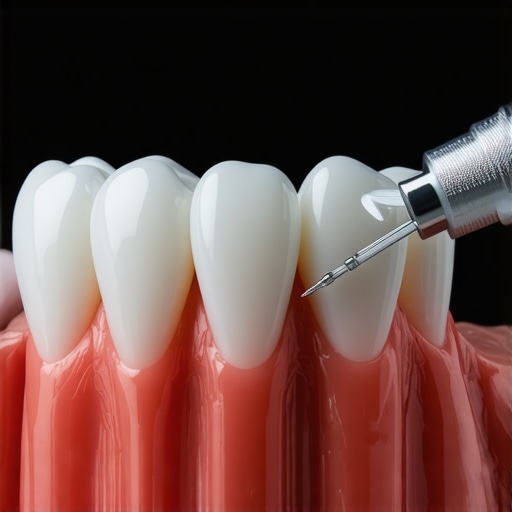
Why does my new porcelain crown keep chipping despite careful eating?
It is incredibly frustrating to invest in high-quality restorations only to see them fail. While many blame the material, the real reason your porcelain crown keeps chipping often boils down to ‘occlusal disharmony.’ A study published in the Journal of Prosthetic Dentistry found that even a few microns of misalignment in how your teeth meet can create enough force to fracture even the strongest ceramic. It isn’t just about what you eat; it’s about how your jaws interact. Additionally, if you’ve noticed why your gum line looks dark around an old crown, it’s usually not decay but the metal framework of an older style of crown showing through as the gums naturally recede. Modern materials have evolved to solve these nuances, but they require a sophisticated approach to placement. Have you ever fallen into the ‘wait and see’ trap with a toothache only to have it turn into an emergency? Let me know in the comments.
Ditch the String Floss for High-Tech Hydration
I’ve personally realized that the ‘set it and forget it’ mentality for major dental work is a dangerous myth. For those of us with crowns or extensive cosmetic work, the daily maintenance is less like a quick chore and more like maintaining a high-performance engine. You need the right tools. I swear by my water flosser; it’s the only way I can consistently execute the best routine for cleaning under a dental bridge without feeling like I’m performing delicate surgery on myself every night. When you have multiple restorations, traditional floss often shreds or snags, which can be incredibly frustrating. If you notice a lingering odor despite flossing, you really need to learn how to tell if your dental crown is causing your bad-breath before it turns into an actual infection. The high-pressure stream of a water flosser clears out the microscopic debris that manual brushing just can’t reach.
How do I keep my dental work from failing prematurely?
Longevity is the name of the game. Dr. Gordon Christensen, a world-renowned expert in restorative dentistry and founder of the Clinicians Report, has often noted that while the average lifespan of a crown is 5 to 15 years, those that are maintained with rigorous biofilm control can last significantly longer. This involves more than just brushing; it requires knowing the truth about how often you should replace your toothbrush head. I used to keep mine for months until the bristles looked like a used broom, but frayed bristles are essentially useless for cleaning the margin where your crown meets your gum line. If that margin fails, you’ll need to know how to tell if your crown needs to be replaced immediately. I now set a recurring calendar alert every 90 days to swap mine out—no excuses.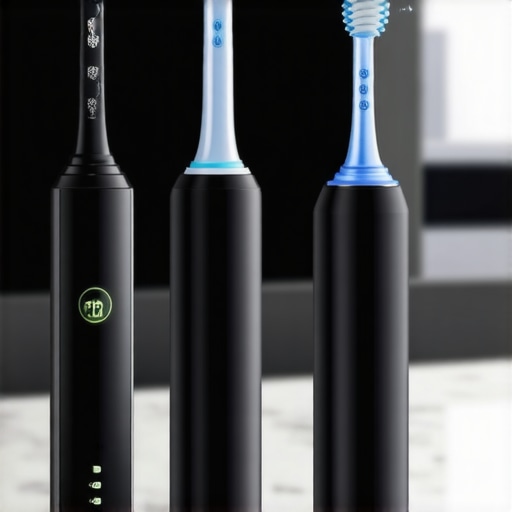
Expect AI to Design Your Next Smile
Looking ahead, the trend in family dentistry is moving rapidly toward digital twins. Within the next few years, I predict that ‘goopy’ impressions will be entirely extinct. Digital intraoral scanners create a perfect 3D model of your mouth that doesn’t just help with fit; it allows for predictive modeling. This is why your culpeper dentist might need a 3D scan to find hidden tooth pain that an X-ray might miss. We are seeing a future where AI can analyze these scans to predict where a tooth might crack years before it happens. This proactive approach starts early, which is why establishing child-friendly dental care is so vital. If we can map a child’s dental development digitally from the first tooth, we can avoid the massive restorative costs adults face today. My advanced tip for you today: buy an electric toothbrush with a built-in pressure sensor. Most people brush far too hard, which causes gum recession around expensive veneers and crowns. If the red light on your brush flashes, you’re literally scrubbing away your investment—lighten the pressure and let the bristles do the work.
The Hardest Lessons My Teeth Taught Me (So You Don’t Have To)
One of the biggest lightbulb moments I have had is realizing that the real cost of delaying a necessary dental crown isn’t just about the money; it is about the emotional toll of dealing with a midnight emergency. I used to think I could outsmart a small crack with careful chewing, but that only made the eventual repair more complex. I also learned that learning how to tell if your toothache is a cavity or just sensitivity is a skill best left to a professional with a 3D scanner rather than a series of Google searches. Most importantly, I realized that the foundation for all expert cosmetic dentistry solutions starts with basic hygiene. You cannot build a beautiful smile on a shaky foundation, and skipping the basics always catches up to you.
My Daily Toolkit for a Resilience-Tested Smile
If you want to keep your mouth healthy enough to handle the world’s spiciest wings without a panic attack, you need the right gear. I personally swear by a water flosser; it is truly the best routine for cleaning under a dental bridge or around tight-fitting crowns where traditional floss tends to shred. I also recommend checking out a detailed family dentistry guide to stay updated on how oral health needs change as you age. For those who want to stay ahead of the curve, keep an eye on cosmetic dentistry innovations to watch, like AI-assisted bite alignment, which can prevent the tiny fractures that make your teeth sensitive to temperature and spice in the first place.
Stop Just Reacting and Start Protecting Your Smile
Whether you are currently nursing a burnt tongue from a bad bowl of chili or you are finally ready to address that one tooth that has been bothering you for months, the best time to act is now. Your oral health is a massive part of your overall comfort, and modern family dentistry has made it easier and more comfortable than ever to stay ahead of the pain. Do not wait for a ‘fire’ in your mouth to start taking your dental health seriously; take a proactive step today so you can enjoy your favorite flavors with complete confidence tomorrow. Have you ever ignored a small toothache only to have it turn into a major dental emergency at the worst possible time? Let me know your story in the comments below!