I remember standing over my bathroom sink, staring at a pink-tinged puddle of toothpaste and feeling a wave of absolute dread. I was six months pregnant, and suddenly, my mouth felt like it was revolting against me. I am not talking about a little sensitivity or a minor irritation. It was full-on, call-your-mom-and-cry levels of bleeding every single time I brushed. If you are seeing blood when you spit, please know you are not alone—and more importantly, you are not failing at your hygiene. It is those wild hormonal surges doing the talking. Early on, I made the huge mistake of thinking, ‘Well, if it is bleeding, I should probably leave it alone and brush more gently.’ That was the worst thing I could have done. I practically stopped flossing because I was terrified of the sight of blood, which actually gave bacteria a VIP pass to make the inflammation way worse. This is exactly why your gums feel spongy or soft to the touch during those nine months. Today, we are going to solve this together. I am going to show you how to manage the ‘pink toothbrush’ syndrome so you can get back to focusing on your nursery plans instead of your bathroom sink.
Stop Fearing Your Toothbrush Every Morning
Pregnancy gingivitis is a very real, very annoying phenomenon that affects about 60% to 75% of pregnant women, according to the Centers for Disease Control and Prevention. That is a staggering number of moms-to-be dealing with the same shock in the bathroom every morning. The massive spike in progesterone and estrogen during pregnancy actually increases blood flow to your gum tissues, making them way more reactive to even tiny amounts of plaque. I remember feeling so frustrated because I felt like I was doing everything right, yet my mouth was acting like I had not brushed in a year. If you have been following a family dentistry guide and still see issues, it is not your fault. You might even find yourself wondering how to soothe your mouth after even a gentle cleaning. It is not just the blood, either. Sometimes there is that weird metallic taste in your mouth that just will not go away no matter how many mints you use. I spent weeks thinking I was doing something wrong, but it was just another ‘gift’ from the pregnancy hormones. If you are feeling a sharp zap when eating sweets lately, it is all part of that increased sensitivity.
Is this really just hormones or am I losing my teeth?
This was the big fear that kept me up at 2 AM. You look in the mirror and notice your gums look purple or dark red instead of that healthy, pale pink. You start worrying about tooth loss or permanent damage. While the inflammation is scary, it does not mean your smile is doomed. However, ignoring it is not an option either because untreated gum issues have been linked to broader pregnancy complications. Have you ever noticed your gums getting angrier and more swollen the further you get into your second trimester? It is a common hurdle, but it is one we can clear. Let us get into the actual, practical steps I used to calm the fire in my mouth without losing my mind.
Stop Using Hard Brushes Immediately
First, we need to talk about your tools. If you are using a medium or hard toothbrush, you are basically using a wire brush on a sunburn. Switch immediately to an extra-soft manual brush or a high-end electric one with a pressure sensor. Think of your gums as a delicate silk fabric—you wouldn’t scrub silk with a scouring pad, right? I learned this the hard way when I tried to ‘scrub away’ the inflammation during my first trimester, only to end up with gums that looked like I’d been in a boxing match. The goal isn’t to blast the surface but to gently sweep away the film that irritates your already sensitive tissues. Following a family dentistry guide can help you establish these gentle habits early on, which is also great preparation for when you start caring for your child’s teeth later. 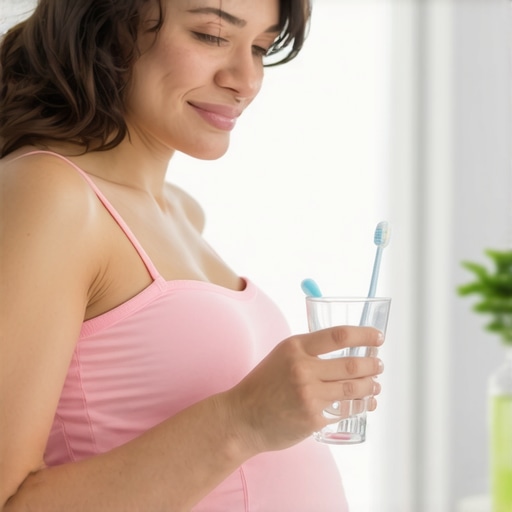
The Simple Saltwater Trick for Swollen Gums
Next, let’s talk about the magic of saltwater. It sounds like an old wives’ tale, but it is a powerhouse for reducing swelling. Dissolve half a teaspoon of salt in a cup of warm water and swish it around for 30 seconds. It acts like a magnet, drawing out the excess fluid that makes your gums feel heavy and spongy. This was my nightly ritual when the ‘throbbing’ feeling got too intense to sleep. It is one of the best ways to soothe your mouth naturally. While it won’t replace a professional visit, it provides that immediate relief you need to get through a long day of pregnancy symptoms.
Master the Gentle Floss Technique
You also cannot quit flossing. I know, it’s the last thing you want to do when your gums are tender, but plaque is the fuel for this hormonal fire. Instead of sawing the floss back and forth, wrap it in a ‘C’ shape around each tooth and slide it gently under the gum line. If you have older dental work like bridges or caps, be extra careful; you don’t want to find yourself looking up how to fix a loose crown when you are on vacation because you were too aggressive. If manual flossing is too painful, try a water flosser on the lowest setting. It provides a massage-like effect that can actually help stimulate blood flow and healing in the tissues.
Don’t Let the Gag Reflex Win
I remember during my seventh month, the nausea was so bad that even the smell of my minty toothpaste made me run for the hills. I felt like a failure because I couldn’t even brush for thirty seconds without feeling sick. That is when I discovered that using a flavorless, non-foaming toothpaste and a tiny, child-sized brush allowed me to bypass my gag reflex. If you’re struggling with this, learning how to stop gagging every time you brush your back teeth is a total game-changer. Finally, remember that your dentist is your biggest ally. A professional cleaning is entirely safe and necessary during pregnancy. They can evaluate if your discomfort is purely hormonal or if you might eventually need dental crowns or expert cosmetic dentistry solutions once the baby arrives. Stay consistent, stay gentle, and your smile will make it through this transition beautifully.
Wait-and-See Can Backfire
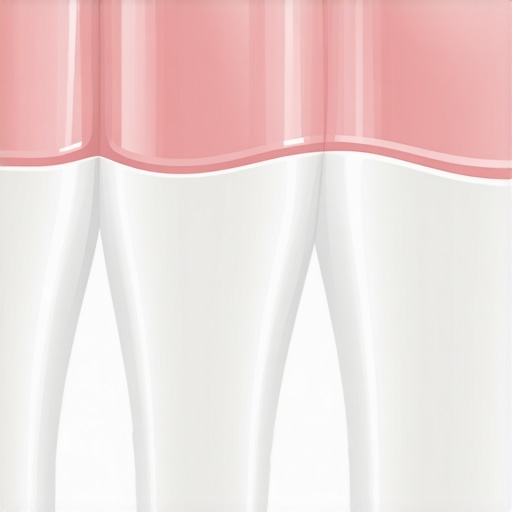
While the usual advice is to ‘wait until the baby comes’ for major dental work, I’ve found that this blanket rule can actually be a dangerous trap. Many people assume that expert cosmetic dentistry solutions or restorative procedures like dental crowns are purely elective and should be shelved for nine months. However, the reality is that an infected tooth or a failing restoration is a ticking time bomb. A study published in the Journal of Periodontology notes that periodontal disease can trigger an increase in biological fluids, such as prostaglandins, that induce labor. This means that maintaining your oral health is not a secondary concern; it is a protective measure for your pregnancy. If a tooth is fractured, dental crowns explained as a functional necessity becomes a priority, not a ‘post-baby’ luxury.
The Dangerous Trap of Postponing Treatment
One of the biggest ‘oops’ factors I see is ignoring a crown that feels ‘off’ because you’re worried about the X-rays or the numbing agents. Modern family dentistry practices use digital sensors with negligible radiation and pregnancy-safe anesthetics like lidocaine. In fact, the American Dental Association confirms that local anesthetics with epinephrine are safe for pregnant women and their babies. Leaving a gap or a loose restoration allows specific bacteria, like Porphyromonas gingivalis, to colonize in a mouth already prone to inflammation. If you notice why your gum line looks dark around an old crown, it might not just be a cosmetic quirk; it could be the sign of a margin that has opened up, inviting decay right when your immune system is distracted by growing a human.
Why does my gum line look dark around my old crown only now?
This is a question I get all the time. Pregnancy hormones cause your gums to swell and recede slightly, which often reveals the metal substructure of older porcelain-fused-to-metal crowns. While it looks like a cosmetic issue, it’s a signal that the fit might be compromised. This is where a family dentistry guide becomes so vital. You aren’t just managing your own health; you’re setting the stage for caring for your child’s teeth by eliminating harmful bacteria from your own microbiome. We now know that ‘vertical transmission’ of bacteria occurs from mother to child early in life, so a healthy mom literally means a healthier baby. Many moms-to-be also mistakenly think they can use over-the-counter whitening strips to brighten their smile during pregnancy while avoiding the dentist. This is backwards. While those chemicals can irritate sensitive pregnancy gums, a professional cleaning is perfectly safe. Have you ever fallen into this trap? Let me know in the comments.
The Tech I Trust When My Gums Go Rogue
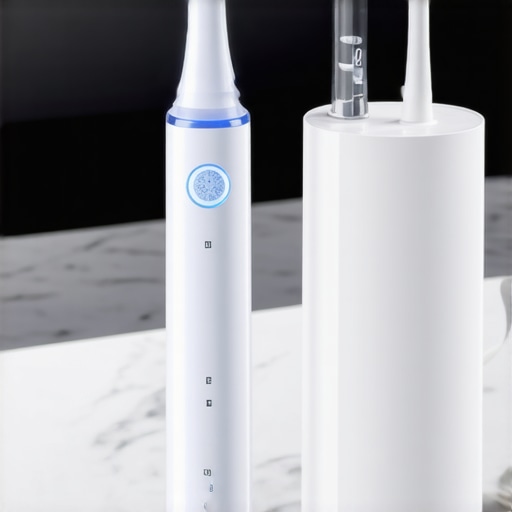
I eventually transitioned to a high-end electric brush with a visual pressure sensor, specifically the Oral-B iO series, because it gives real-time feedback that manual brushes simply cannot provide. When your gums are sensitive, you instinctively pull back too much or, out of frustration, scrub way too hard. This brush uses a light ring that turns red if you are pressing too hard—effectively saving your enamel and protecting any dental crowns you have already invested in. According to a technical review in Dentistry Today, oscillating-rotating electric toothbrushes are significantly more effective at removing plaque than manual brushes, especially in the hard-to-reach posterior regions where pregnancy gingivitis often lingers. It is about working smarter, not harder, to ensure that your gums remain firm and healthy long after the postpartum period ends.
Beyond the Brush: My Secret Weapon for Tight Spaces
I have also added a professional-grade oral irrigator to my nightly routine. If you find manual flossing to be a tedious chore, especially when your hands are full with a newborn, this is your ultimate lifesaver. I fill mine with lukewarm water to avoid that sharp zap when eating sweets or drinking cold beverages. It is the secret to preventing cavities in between your back teeth, reaching deep into the sulcus where a traditional brush just bounces off. This tool is especially helpful if you are currently managing restorations, as it flushes out debris without the risk of snagging or causing irritation. I personally use the ‘massage’ mode on my irrigator to help stimulate blood flow, which has been vital in keeping my gum tissue resilient against future hormonal shifts.
How do I maintain my dental health as my family grows?
Maintenance is less about buying every new gadget and more about a proactive family dentistry guide that evolves with your stage of life. For my children, I prioritize child-friendly dental care that turns hygiene into a family ritual rather than a battle. Looking toward the future, I expect the top cosmetic dentistry trends for 2025 to shift heavily toward biometric monitoring, where your toothbrush can actually alert you to systemic health changes. To stay ahead of these trends, set a recurring 6-month calendar alert now for your next professional check-up; do not wait for the office to call you. My most effective advanced tip for immediate results is to swap your traditional floss for interdental brushes for just one week. These tiny brushes fit perfectly between teeth and remove the biofilm that floss often leaves behind. It is an absolute game-changer for long-term stability and a habit you will be glad you started.
Three Real-World Myths About Pregnancy Dental Care That Almost Cost Me My Smile
The biggest lightbulb moment I had was realizing that bleeding gums are actually an invitation to brush better, not an excuse to stop. When I saw pink in the sink, I initially pulled back, which only let the bacteria thrive and made the swelling worse. Secondly, I spent way too much time worrying about whether I should compare dental crowns vs other restorations while pregnant, when the real risk was leaving an infection untreated. Finally, don’t believe the old ‘one tooth per baby’ myth; with modern, proactive care, your teeth can stay perfectly strong through every pregnancy.
The Practical Toolkit for Protecting Your Smile During Those Nine Months
I swear by a few specific items that made my second and third trimesters much easier to manage. First, a high-quality alcohol-free fluoride mouthwash is non-negotiable for neutralizing harmful acids if you struggle with morning sickness. Second, keep a small travel-sized bottle of salt in your bag for quick, soothing rinses when you are away from home. If you are looking to watch cosmetic dentistry innovations for your post-baby glow-up, start by maintaining the foundation of health you have now. I also recommend checking out an updated family dentistry guide to keep your whole household on track for the years ahead.
#IMAGE_PLACEHOLDER_E#
Your Healthy Smile Starts Long Before the Due Date
Managing your oral health is one of the kindest things you can do for yourself and your baby during this major life transition. By staying proactive and not letting the ‘pink toothbrush’ syndrome dictate your dental visits, you are setting a vital standard for the essential role of family dentistry in your child’s future. If you have any lingering pain or questions about which treatments are safe for you right now, do not hesitate to reach out to a professional through our contact page. You have enough on your plate—let us make sure a persistent toothache is not one of them. Did your gums surprise you with extra sensitivity during pregnancy too, or was it just me? Let me know in the comments below!