I’ll never forget the smug look I had during my daughter’s last dental check-up. We had the electric toothbrush, the strawberry-flavored floss, and a sticker chart that would make a drill sergeant weep with joy. I was convinced we’d walk out with a gold star. Instead, my dentist found a buildup of tartar tucked right behind her lower molars—the “dead zone” as he called it. It was a humbling moment that taught me a hard lesson: even the most dedicated parent can’t fight biology alone. I realized then that my “perfect” home routine was missing the mark. Today, I want to share why those professional visits are non-negotiable and how they save your child from unnecessary discomfort down the road.
Why Your Bathroom Routine Can’t Beat Professional Tools
Honestly, I used to think that as long as her teeth looked white, we were in the clear. But here is the thing: plaque is a sneaky, invisible film that loves to hide in the tiny grooves of a child’s developing teeth. If it sits there for more than 48 hours, it starts to calcify into tartar, which is basically like dental concrete. You can scrub until you’re blue in the face, but once it hardens, a standard toothbrush won’t budge it. My biggest mistake was assuming that my eyes were a better judge than a dentist’s explorer tool. This is exactly why the role of family dentistry extends beyond just filling cavities; it’s about deep-cleaning areas that are physically impossible for us to reach at home. Even with essential family dentistry tips in our back pocket, we are still limited by the soft bristles of consumer brushes. According to the American Academy of Pediatric Dentistry, tooth decay is the most common chronic disease in children, and much of it starts in those hard-to-reach crevices. I’ve learned that child-friendly dental care is the only way to ensure those hidden spots are managed before they turn into painful problems. Have you ever been caught off guard by a cavity diagnosis even though you were sure your brushing routine was flawless?
Does This Extra Step Really Matter for Baby Teeth?
A common skepticism I hear from other parents in the neighborhood is whether we really need to be this aggressive with teeth that are just going to fall out anyway. I used to wonder the same thing. However, those baby teeth act as placeholders for the adult ones. If they are lost too early due to decay, it can throw off the entire alignment of their future smile. Plus, bacteria doesn’t just disappear when a tooth falls out; it stays in the gums. I once ignored a faint scent, only to realize later that why your child’s mouth smells bad even after brushing is usually a sign of these hidden bacterial colonies. Professional cleanings are the only way to reset the clock and give their permanent teeth a healthy environment to grow into.The first real step in moving from reactive to proactive care is becoming a bit of a dental detective. You cannot wait for your child to tell you their tooth hurts because, by the time they notice the pain, the decay has often reached the nerve. One evening, while we were reading bedtime stories, I noticed a tiny, chalky white spot near my daughter’s gum line. It didn’t look like a hole, so I almost ignored it. I later learned that this is the earliest sign of enamel demineralization. Learning how to tell if your child has a cavity before they complain involves looking for these subtle color shifts or ‘pitting’ in the tooth surface. If you catch it at the white-spot stage, a professional application of fluoride can often ‘freeze’ the decay before it ever needs a drill. 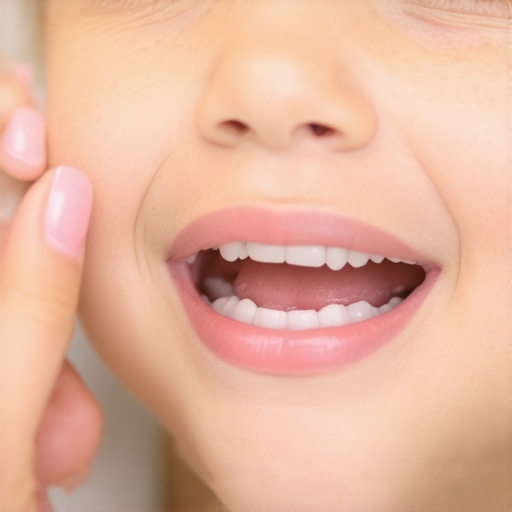
Perform the Lift the Lip Test Weekly
It sounds simple, but physically lifting your child’s lip to inspect the gum line is the most effective way to spot trouble early. Think of it like checking the oil in your car; you don’t wait for the engine to smoke before you look under the hood. While you are there, look for any persistent redness or swelling. If you see something odd, like deep grooves on new teeth, don’t panic immediately. Understanding why your child’s adult molars are coming in with ridges can save you a lot of anxiety, as these ‘mamelons’ are usually a normal sign of a brand-new tooth that hasn’t been worn down by chewing yet. However, only a professional can distinguish between healthy ridges and deep fissures that might trap bacteria and require sealants.
Master the Mechanics of Flossing Early
Most parents wait until the adult teeth are in to start flossing, but that is a recipe for ‘interproximal’ cavities—the ones that hide between teeth where a brush can’t reach. I struggled with this for months until I found the easiest way to get your child to start flossing, which for us involved those small, colorful flosser picks rather than the traditional string. It turned a nightly battle into a game. If a tooth does become compromised despite your best efforts, you might find yourself looking at dental crowns vs other restorations to see which is right for a baby tooth. A crown in pediatric dentistry isn’t about vanity; it’s like a custom-fitted suit of armor that protects the remaining tooth structure until the adult tooth is ready to take its place.
Integrate Professional Oversight Into Your Schedule
You need a roadmap, not a random set of appointments. Following a comprehensive family dentistry guide ensures you are hitting milestones like orthodontic evaluations by age seven. During these visits, your dentist uses specialized tools—imagine a high-tech pressure washer for teeth—to blast away the biofilm that your manual brush leaves behind. This isn’t just a ‘cleaning’; it’s a recalibration of the mouth’s ecosystem. I once tried to skip a six-month cleaning because ‘life got busy,’ and by the next visit, the tartar was so thick it took twice as long to remove, leaving my daughter’s gums tender for days. Consistency is the only way to avoid those ‘deep’ sessions that kids find intimidating.
We often treat dental care like a game of ‘whack-a-mole’—we only react when a problem pops up. But let’s dig deeper into the most common trap I see parents (and myself) fall into: the belief that a lack of pain equals a lack of problems. Most people assume that dental crowns are a last resort, something you only get when a tooth is shattered or dead. In reality, the most strategic move in family dentistry is often using a crown to prevent a catastrophic failure before it happens.
Stop Waiting for Your Tooth to Break
Common wisdom suggests that if a filling is still in place, the tooth is fine. However, a major mistake is ignoring ‘structural fatigue.’ When a tooth has a large, old filling—especially those silver amalgam ones—it acts like a wedge. Every time you chew, that filling puts pressure on the remaining thin walls of the tooth. I’ve seen so many friends wait until their tooth literally splits down the root, turning a simple crown procedure into an expensive emergency extraction and implant. By understanding dental crowns as a protective ‘helmet’ rather than just a patch, you save the tooth’s life. A study published in the Journal of Prosthetic Dentistry highlights that teeth with large restorations are significantly more prone to fracture; reinforcing them early with a crown actually preserves more of your natural tooth structure in the long run.
Can a Crown Actually Be the Most Conservative Choice?
It sounds counterintuitive, right? We think ‘conservative’ means doing the least amount of work possible. But if you keep replacing the same filling every three years, you are losing more healthy enamel each time. This is where dental crowns vs other restorations becomes a vital conversation with your dentist. Choosing a crown early can stop the cycle of decay and prevent the real cost of delaying a necessary dental crown, which isn’t just financial—it’s the biological cost of losing your tooth entirely.
Watch Out for the Dark Line Trap
Here is an ‘oops’ factor many people miss: assuming that an old crown is fine just because it doesn’t hurt. If you notice why your gum line looks dark around an old crown, it might not just be a cosmetic issue. While often it’s just the metal base of an older PFM (porcelain-fused-to-metal) crown showing, it can also be a sign of gum recession or, worse, ‘micro-leakage.’ This is where bacteria seep under the edge of the crown, rotting the tooth from the inside out where you can’t see it. I’ve learned that you must be your own advocate—ask your dentist to check if you suspect how to tell if your dental crown has a hidden crack or seal failure. It’s better to replace a crown a year early than to find out the tooth underneath has turned to mush.
Balance Beauty with Mechanical Function
In the world of cosmetic dentistry trends for 2025, there is a huge push for ‘Hollywood white’ smiles. But here is the nuance: a beautiful smile that isn’t functionally sound will fail. Whether you are looking into expert cosmetic dentistry solutions or just a standard cleaning, the goal should always be a ‘balanced occlusion’—how your teeth fit together. If your new crowns or veneers aren’t aligned perfectly with your bite, you’ll end up with jaw pain or chipped porcelain within months. Have you ever fallen into the trap of choosing the cheapest or fastest option, only to have it fail a year later? Let me know in the comments below; I’d love to hear your experiences with the ‘dental detective’ work we all have to do eventually!
I used to think that buying the most expensive toothpaste was the peak of oral hygiene. I was wrong. The real game-changer is realizing that our mouths are high-traffic mechanical environments, and just like a car, the components—especially dental crowns and veneers—require specialized maintenance tools. If you’ve invested in expert cosmetic dentistry solutions, you can’t treat them with a five-dollar manual brush and hope for the best.
The Gadgets That Actually Earn Their Counter Space
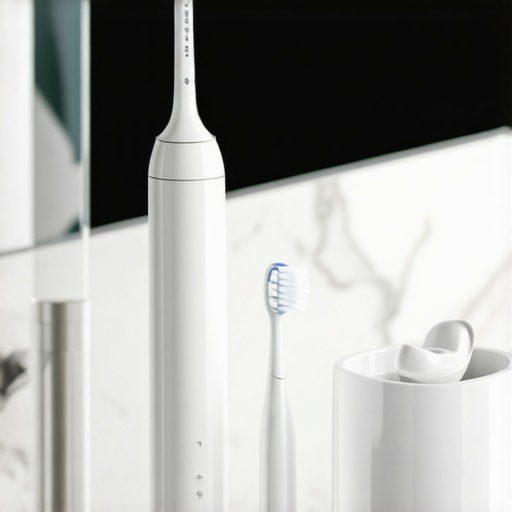
I personally swear by the Philips Sonicare ProtectiveClean series, specifically because of the pressure sensor. Most people brush way too hard, which leads to abfraction—tiny notches near the gum line that can eventually lead to the real reason your porcelain crown keeps chipping. When the brush pulses to tell you you’re pushing too hard, it’s saving your enamel from you. For anyone with a bridge, the standard Waterpik isn’t enough; you need the ‘Plaque Seeker’ tip. It has three thin tufts of bristles that reach under the pontic (the fake tooth) to clear out the debris that causes a persistent bad taste under a dental bridge. In my experience, this tool alone is the difference between a restoration lasting five years or fifteen.
How do I maintain my dental restorations over time?
Maintenance is about more than just cleaning; it is about managing the forces in your mouth. If you wake up with a headache, it’s a red flag. You might find why your crown feels tight when you wake up is actually due to nocturnal bruxism. I use a custom-fitted night guard every single night without fail. It acts as a sacrificial barrier; I’d much rather wear down a piece of plastic than my expensive zirconia. Speaking of zirconia, a technical report by Dr. Gordon Christensen in the Clinicians Report notes that while zirconia is incredibly strong, its longevity depends heavily on the ‘decontamination’ of the restoration before bonding. This is why understanding dental crowns involves knowing that the work done in the lab is just as important as your work at the sink.
The Future of Dental Longevity is Digital
Looking ahead, I predict we are moving toward a ‘Smart Oral Health’ era where AI-driven sensors in our brushes will sync directly with our dentist’s office. We are already seeing this with high-tech imaging; for instance, why your Culpeper dentist might need a 3d scan to find hidden tooth pain is becoming the standard of care. These scans allow for ‘wear-over-time’ analysis, catching microscopic shifts before they become structural failures. Whether you are following a family dentistry guide for your kids or maintaining your own cosmetic dentistry innovations, the goal is the same: data-driven prevention. Advanced Tip: Next time you’re at the pharmacy, pick up some ‘disclosing tablets.’ Chew one after you brush; it will stain any remaining plaque bright purple. It’s a humbling but effective way to see exactly where your technique is failing and ensure your child-friendly dental care routine at home is actually hitting the mark. Give it a try tonight and see what you’ve been missing!
Moving from a reactive mindset to a proactive one changed everything for my family’s health. We stopped viewing the dentist as a place to go when things break and started seeing them as partners in preservation.
The Humbling Lessons My Dentist Taught Me
The hardest truth I had to swallow was that dental work isn’t a ‘set it and forget it’ solution. My ‘lightbulb moment’ happened when I realized that even the most expensive dental crowns are still subject to the environment of your mouth. Here are the core truths that changed my approach:
- Pain is a terrible diagnostic tool. By the time you feel a throb, you are often looking at a root canal rather than a simple filling. I’ve learned that why one specific tooth hurts only when you are stressed is often the first warning sign of grinding that can shatter restorations.
- DIY fixes are a disaster. I once saw a friend try a home repair kit, but the danger of using super glue to fix a broken crown is real—it can cause chemical burns and make it impossible for a dentist to save the tooth.
- Restorations have an expiration date. No crown lasts forever. Learning how to tell if your crown needs to be replaced immediately saved me from a massive infection that was brewing under an old porcelain cap.
#IMAGE_PLACEHOLDER_E#
The Gear That Actually Saved My Teeth
I’ve cleared out the gimmicks and narrowed my medicine cabinet down to the essentials that keep my family dentistry goals on track. I personally trust these because they address the physics of the mouth, not just the surface stains:
- High-End Electric Brush with Pressure Sensors: This is non-negotiable for protecting the margins of your crowns and preventing gum recession.
- Interdental Brushes & Water Flossers: Essential for cleaning the ‘dead zones’ where standard floss can’t reach, especially if you have bridges or implants.
- Disclosing Tablets: These are my secret weapon for the kids; they turn plaque purple and show us exactly where our home routine is failing.
- Custom Night Guards: If you want to protect your investment in dental crowns as a solution for damaged teeth, you must stop the nightly grinding that causes chips and fractures.
Your Smile Deserves a Proactive Guardian
Ultimately, the goal of family dentistry isn’t just to fill holes—it’s to build a foundation where those holes never form in the first place. Whether you are maintaining a complex restoration or just trying to get your toddler through their first check-up, remember that consistency is your greatest ally. Don’t wait for a crack or a throb to take action. If you have any concerns about an old restoration or want to start a fresh prevention plan, don’t hesitate to contact us and get a professional eyes-on assessment. Your future self will thank you for the effort you put in today.
Have you ever had a dental restoration last much longer (or shorter!) than you expected? Let me know your experience in the comments below!