I remember the day my braces finally came off like it was yesterday. I had spent twenty-four months—and plenty of my parents’ hard-earned money—tightening wires and dodging popcorn. I expected a Hollywood glow. Instead, when the brackets popped off, I saw these weird, chalky white squares right where the metal used to be. It felt like I’d traded one cosmetic problem for another. I was devastated. If you’re standing in front of the mirror right now wondering if you’ve permanently ruined your enamel, take a deep breath. I’ve been there, and I’ve learned exactly why this happens and what you can do about it.
The Real Reason Those Chalky Marks Show Up
Most people think the braces themselves cause the stains, but that’s a total myth. The brackets are just the bystanders. The real culprit is something called decalcification. When I had my hardware on, I was lazy. I figured a quick brush was enough, but I was wrong. Food particles and plaque love to hide around those brackets, creating a localized acid bath that leaches minerals right out of your teeth. It’s essentially the very beginning of a cavity that stopped halfway. If you’re still in the middle of your orthodontic journey, learning the best way to clean teeth with permanent metal braces is your absolute best defense. I made the mistake of thinking my regular toothbrush could reach everywhere, but I really needed more specialized tools like interproximal brushes to get under the wires. According to a study published in the American Journal of Orthodontics and Dentofacial Orthopedics, nearly 50% of orthodontic patients develop some form of white spot lesions during treatment. You are definitely not alone in this struggle, and it is more common than most dentists care to admit during the initial consultation.
Can These Spots Ever Truly Go Away?
This is the question that kept me up at night. I worried I’d need dental crowns or heavy-duty veneers just to look normal again. The truth is, while some spots fade with time and better hygiene, others might need a little help from expert cosmetic dentistry solutions like resin infiltration or microabrasion. Have you noticed these spots appearing on your teeth or your child’s teeth lately? Let me know in the comments—I’d love to hear your story and help you figure out the next step. Early on, I also confused these with other issues. Sometimes, a child’s teeth come in with white spots due to entirely different reasons like fluorosis, which is why a proper diagnosis from a family dentistry professional is so vital before you start panicking about permanent damage. We are going to break down how to treat these spots and, more importantly, how to stop them before they start.
First, we have to talk about remineralization. Think of your enamel like a brick wall where some of the mortar has started to crumble. If you catch it early enough, you can literally pump minerals back into those spots. I spent three months religiously using a high-fluoride paste recommended by my dentist. It didn’t make the spots disappear instantly, but it hardened the surface so they didn’t turn into full-blown cavities. This is where the truth about fluoride varnish for kids and adults really hits home; it’s like a protective sealant for your smile’s foundation, providing a concentrated dose of minerals that daily brushing simply can’t match.
The Professional Fix for Smooth Enamel
When home remedies aren’t enough, you need to step into a clinic for more direct intervention. My first instinct after seeing those chalky marks was to reach for a high-strength whitening kit, but that was a messy disaster. I thought I could just bleach the rest of the tooth to match the spots, but chemistry doesn’t work that way. Instead of a uniform glow, I ended up with a blotchy mess that looked even more obvious under bright lights.
Why Whitening Often Makes It Look Worse
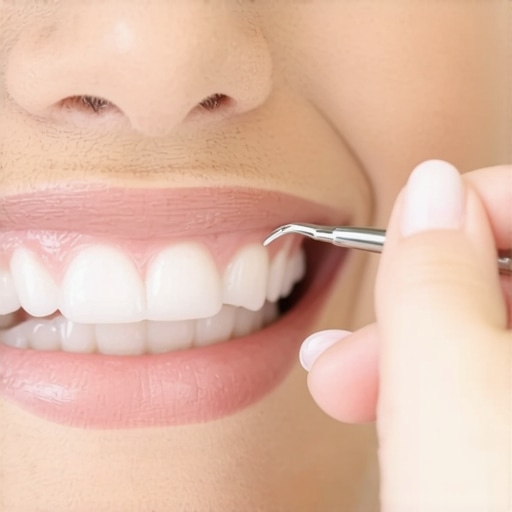
I learned the hard way that whitening gels actually highlight the decalcified areas first. Because those white spots are more porous—think of them like a dry sponge compared to a smooth stone—they soak up the bleach much faster than the healthy enamel. This makes them glow like neon signs. This is a common mistake among former orthodontic patients, and understanding the real cause of white spots on your teeth after whitening is crucial before you spend money on over-the-counter kits. Instead of bleaching, a dentist might suggest microabrasion. Imagine this like using a very fine sandpaper on a piece of wood to get rid of a surface stain. They use a gentle acidic slurry to buff away the very top layer of damaged enamel, often revealing the healthy, uniform tooth structure underneath without the need for needles or drills.
Fill the Gaps with Resin Infiltration
If the ‘potholes’ in your enamel are a bit deeper, resin infiltration—often called the Icon treatment—is the modern gold standard. Instead of drilling out the spot, the dentist cleans the area and ‘fills’ the microscopic pores with a clear, liquid resin. It’s a bit like pouring water onto a dry, white-ish sponge; the white spot literally fades away as the resin fills the gaps and matches the light-reflecting properties of your natural tooth. This falls under expert cosmetic dentistry solutions that don’t involve losing any significant tooth structure, making it a favorite for those of us who are needle-shy.
When Your Teeth Need a Hard Reset
Sometimes, the acid bath around the brackets was just too intense for too long, leaving the enamel significantly weakened or pitted. In these cases, a simple buffing or resin fill won’t cut it because the structural integrity of the tooth is at risk. This is where dental crowns come into play. A crown acts as a protective helmet, covering the damage entirely while restoring the shape and strength of the tooth. While it sounds like a big jump, understanding dental crowns and when they are needed helps you realize that a full restoration is sometimes the only way to prevent future fractures. If you’re debating between options, comparing dental crowns vs other restorations can help you decide if a porcelain veneer or a full crown is the better long-term investment for a smile you’re actually proud to show off.
I’ve seen so many people rush into high-end treatments thinking they’re a silver bullet. Everyone tells you that cosmetic dentistry is just about the ‘look,’ but in my experience, the foundation matters far more than the finish. The biggest ‘oops’ I see is people ignoring the micro-details of their dental work, assuming that once a procedure is done, the tooth is invincible. For instance, if you’ve recently had a restoration and notice that your crown feels tight when you wake up, don’t just brush it off as your mouth simply ‘adjusting.’ That tightness often signals a bite misalignment or nocturnal grinding that can cause the ceramic to fracture prematurely or lead to long-term jaw pain. It’s a nuance that separates a basic cleaning from high-level family dentistry that looks at the whole mechanical system of your mouth.
Is Your Dental Crown Actually Leaking Bacteria?
This is the advanced detail most people miss. You get a crown to save a tooth, but if the margin—the microscopic line where the crown meets your natural gum line—isn’t perfectly sealed, you’ve essentially built a beautiful house on a swamp. It is a terrifying realization for many, but knowing how to tell if your dental crown is leaking bacteria is a skill every patient should have. According to research published in the International Journal of Prosthodontics, recurrent decay at the margin is one of the leading causes of crown failure, often staying hidden until the tooth underneath is beyond saving. If you smell a persistent bad taste or see a dark shadow at the base, it’s not just an aesthetic flaw; it’s an active infection risk that requires immediate professional intervention.
Don’t Fall for the Maintenance-Free Myth
Another common trap is the belief that once you’ve invested in cosmetic dentistry innovations, you can relax on your hygiene because ‘porcelain doesn’t rot.’ While the material itself is resistant, the tooth structure supporting it is more vulnerable than ever. If you don’t know the best way to clean under a dental bridge or around a new crown, you’re just waiting for the anchor teeth to fail. Even within a standard checkup, we often overlook that adult enamel requires different remineralization strategies than children’s teeth, especially after the trauma of orthodontic decalcification. Understanding the real reason your porcelain crown keeps chipping often leads back to these small, neglected habits rather than the quality of the porcelain itself.
Don’t let a ‘simple’ fix turn into a total oral overhaul because you missed the subtle warning signs. Whether it’s a slight sensitivity to pressure or a change in how your floss slides between teeth, these are the ‘whispers’ your mouth uses before it starts ‘screaming’ with pain. Have you ever fallen into the trap of thinking a dental fix was permanent only to have it fail a year later? Let me know in the comments—I’d love to hear your story and help you avoid the same mistakes.
I used to think that once the dentist handed me the mirror and I saw my new crowns, the work was finished. I was dead wrong. Maintenance isn’t just about ‘not breaking’ the teeth; it is about managing the ecosystem of your mouth so the investment actually lasts twenty years instead of five. After years of trial and error, I’ve realized that the tools you use at home are just as critical as the skill of the person who placed the restorations. I moved away from manual brushing entirely because I couldn’t trust myself not to scrub too hard, which is often the real reason your porcelain crown keeps chipping. Modern sonic toothbrushes with pressure sensors are non-negotiable for me now; they stop you from sawing away at the gum line where the crown meets the tooth.
The specific tools that saved my investment
If you have any kind of restorative work, you need to rethink your flossing game. Traditional string is okay, but it often misses the debris trapped under the margins of bridges or around the base of crowns. I personally swear by a high-end water flosser, but there’s a learning curve. If you’ve tried one and hated it, you likely need to learn how to stop your gums from hurting when you use a water flosser by adjusting the pressure and using lukewarm water. This tool isn’t just a luxury; it’s a mechanical necessity for flushing out the bacteria that causes the ‘leaky crown’ syndrome we talked about earlier. Beyond the hardware, I’ve started using a specialized alkaline soak for my night guard. Most people just use toothpaste, but that’s too abrasive and creates microscopic scratches that host bacteria. Learning the best way to clean a night guard to prevent odors has kept my breath fresh and my appliance clear for years.
How do I maintain my dental work over the long haul?
Consistency is the boring answer, but the technical answer involves regular bio-film management. Even with the best family dentistry guide, you can’t see what’s happening at a microscopic level. I now schedule a ‘prophy’ every four months instead of six. This isn’t just about a quick polish; it’s about a professional deep-cleaning that removes the calcified plaque that your home tools simply cannot touch. According to the American Academy of Cosmetic Dentistry (AACD), patients who maintain a strict 3-to-4 month professional hygiene interval see a 40% increase in the longevity of their porcelain restorations compared to those who stick to the standard bi-annual schedule. It’s the difference between a crown lasting a decade and it lasting a lifetime.
The digital shift you should watch for in 2025
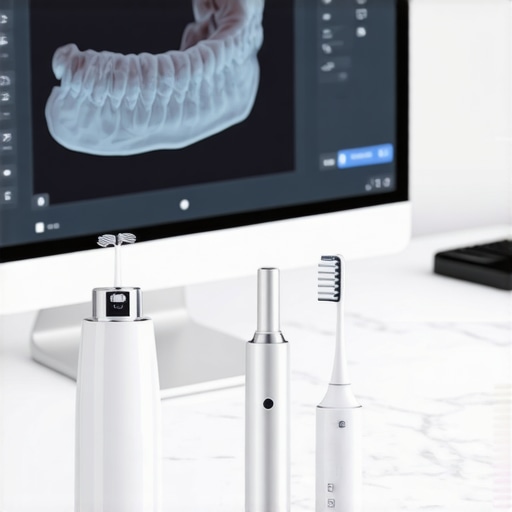
We are entering an era where top cosmetic dentistry trends for 2025 are moving toward ‘predictive maintenance.’ In the very near future, your family dentistry clinic will likely use AI-driven scans to compare your bite year-over-year down to the micron. This tech will flag when a crown is under too much pressure before it ever feels ‘tight’ or starts to ache. We’re also seeing a massive leap in material science. While we used to debate the truth about the lifespan of composite vs porcelain veneers, new hybrid ceramics are emerging that mimic the natural wear of enamel even more closely, reducing the strain on your opposing natural teeth. If you are a parent, this is even more vital, as caring for your child’s teeth now involves monitoring these mechanical shifts early on to prevent the need for major restorations later in life.
My advanced tip for you today: stop using whitening toothpaste on your crowns or veneers immediately. They contain silicas that act like sandpaper on the glaze of your porcelain, eventually making it look dull and stained. Switch to a non-abrasive, high-fluoride gel instead. Give the ‘alkaline soak’ method a try for your night guard or retainer this week—you’ll be shocked at how much cleaner the appliance feels and how much longer your gums stay healthy around those expensive restorations.
What My Dentist Didn’t Mention About Post-Braces Perfection
Reflecting on my own journey, the biggest lightbulb moment was realizing that ‘straight’ doesn’t always mean ‘healthy.’ When the wires come off, the real work begins. I learned that my mouth’s chemistry is constantly shifting, and what worked for me at fifteen doesn’t cut it now. It’s also vital to realize that child-friendly dental care is where these habits start, but as adults, we have to be even more vigilant about our restorations. I wish I had known earlier that a crown isn’t a ‘set it and forget it’ solution; it’s a living part of your bite that requires specialized attention. If you suspect something is wrong, knowing how to tell if your crown needs to be replaced immediately can save you from a much more expensive emergency down the road.
The Gear I Actually Use to Protect My Investment
I’ve narrowed down my routine to a few non-negotiables that have kept my enamel strong and my restorations sparkling. First, I stopped using standard fluoride pastes and moved to a high-pH alkaline routine to neutralize acids. I also mastered the secret to cleaning your teeth while wearing a retainer because that plastic tray can become a breeding ground for bacteria if you aren’t careful. My toolkit includes a sonic toothbrush with a pressure sensor—essential for preventing recession—and a water flosser for those hard-to-reach margins. I trust these tools because they take the guesswork out of hygiene and provide a mechanical advantage that manual brushing simply can’t match.
#IMAGE_PLACEHOLDER_E#
Don’t Let Chalky Spots Dim Your Confidence
You’ve worked hard for your smile, and those white spots don’t have to be the end of the story. Whether you choose remineralization, resin infiltration, or a more permanent fix like dental crowns, there is always a path back to a radiant, healthy look. Modern expert cosmetic dentistry solutions are more accessible and effective than ever before, so don’t be afraid to take that first step toward a smile you truly love. If you’re ready to explore your options, don’t hesitate to contact us for a personalized consultation. Your confidence is worth the effort.
Have you noticed white spots after your braces came off, or are you just starting your orthodontic journey? Let me know in the comments below!