I remember sitting at a sunny brunch spot with friends, feeling great until I had to take my aligners out to eat. As I tucked them into their case, I caught a glimpse of them in the natural light and my heart sank. They weren’t the ‘invisible’ tools I had paid for; they looked like a piece of foggy, yellowed plastic that had been sitting at the bottom of a gym bag for a month. It was mortifying. I had invested so much in expert cosmetic dentistry solutions to improve my smile, yet I was walking around with what looked like dirty teeth. If you have ever felt that sudden flash of embarrassment when you realize your trays are visible for all the wrong reasons, I have been exactly where you are. Today, I am going to share how I fixed my routine so you never have to hide your smile again.
The Real Reason Your Trays Lose That New-Plastic Glow
When I first started my journey, I thought I was being a model patient, but I was actually sabotaging myself. I made the classic mistake of scrubbing my trays with a standard toothbrush and a dollop of whitening toothpaste. I thought I was being extra clean! However, I soon learned that most toothpastes are too abrasive for the medical-grade plastic used in aligners. According to the American Association of Orthodontists, abrasive cleaners create microscopic scratches in the material, which then trap bacteria and pigments, leading to that permanent cloudy look. I was literally scrubbing away the clarity. To keep your smile looking fresh, you need to understand how to prevent stains from forming on your clear aligners before the damage is done. Have you noticed that your trays start to look a little ‘off’ after just a few days of wear?
Is keeping aligners perfectly clear actually worth the hype?
You might think that since you get a new set every week or two, a little yellowing doesn’t matter. But here is the reality: cloudy trays make your teeth look dull and can even lead to bad breath. It is a core part of any family dentistry guide to keep oral appliances clean to prevent decay. If your trays are yellow, they are holding onto plaque that sits directly against your enamel for 22 hours a day. A study published in the Journal of Orofacial Orthopedics suggests that biofilm accumulation on clear aligners happens much faster than most people realize. We aren’t just talking about vanity here; we are talking about preventing cavities while you straighten your teeth. If you have already reached the point of no return, don’t panic—there are ways how to clean clear aligners that have turned yellow or cloudy even if they seem ruined. Let’s dive into the daily habits that actually work to keep that plastic crystal clear.
Master the art of the lukewarm soak
I’ll never forget the time I thought I was being a genius by soaking my trays in a bright green antiseptic mouthwash while I showered. I figured I’d kill two birds with one stone: sanitizing the trays and giving them a fresh scent. When I pulled them out, they were a distinct, swampy shade of teal. I had to wear ‘Hulk’ teeth to a dinner party because I didn’t have a backup set. That was the moment I realized that clear aligner care isn’t just about ‘cleaning’—it’s about chemistry. To avoid my mistake and keep your expert cosmetic dentistry solutions looking pristine, the most effective way is a daily 15-minute soak in specialized cleaning crystals or a gentle, fragrance-free liquid soap. Never use hot water. I once warped a set by trying to ‘boil’ the germs away, which is a fast way to ensure your clear aligners stop fitting correctly. Think of the plastic as a delicate fabric; it needs lukewarm temperatures to maintain its shape and integrity.
Ditch the colored mouthwash immediately
While it’s tempting to use what’s already in your bathroom cabinet, those dyes are designed to bond with surfaces. Plastic is far more porous than it looks to the naked eye. If the liquid has a tint, your trays will eventually adopt that tint. Stick to clear solutions. While the trays soak, take that time to focus on your actual teeth. If you ignore your oral hygiene, you’re just trapping sugar and acid against your enamel. This is why many people find their teeth feel furry or grimy halfway through the day—the tray is acting like a petri dish for plaque.
Stop treating your trays like your teeth
One of the biggest mistakes is using your standard toothbrushing routine on your aligners. Teeth are covered in incredibly hard enamel; aligners are made of medical-grade plastic. When you use a medium or hard-bristled brush, you create micro-fissures that act like magnets for coffee stains and bacteria. Also, stay far away from whitening or charcoal options. We know the truth about charcoal toothpaste is that it’s too abrasive for enamel, and it’s even worse for plastic. It acts like liquid sandpaper, dulling the finish until the trays look ‘milky.’ Instead, use a dedicated soft-bristled ‘baby’ brush and clear, mild dish soap. This removes the biofilm without scratching the surface. 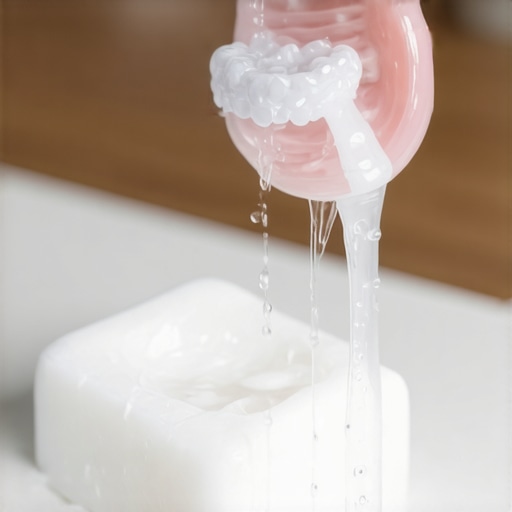
Invest in an ultrasonic cleaner for deep clarity
If you are serious about that ‘invisible’ look, an ultrasonic cleaner is a game-changer. These small devices use high-frequency sound waves to create millions of tiny bubbles that implode, gently knocking debris off the plastic in areas a brush can’t reach. It’s the same technology used in a family dentistry guide for cleaning professional tools. After I started using one, I noticed my trays stayed clear until the very last day of the cycle. It prevents that ‘aged’ look that often happens toward the end of a wear period. Keeping your smile bright isn’t just about the aligners, though; understanding the real reason your smile looks aged often comes down to how well you maintain these tools throughout your treatment.
Why your hygiene habits matter more than the plastic
You can have the cleanest trays in the world, but if you put them over teeth that haven’t been flossed, you’re inviting trouble. Every time you eat, food particles and sugars stay in the crevices of your teeth. Putting your aligners back on creates a sealed environment where bacteria thrive. This is a common concern in the role of family dentistry: maintaining the health of the foundation while improving the aesthetics. If you skip the floss, you aren’t just staining your trays; you’re risking decay that could eventually require dental crowns later on. Always brush and floss before re-inserting your aligners. If you are out and can’t brush, at the very least, rinse your mouth vigorously with water to clear the bulk of debris.Moving beyond the daily ritual of aligner care, we must address a broader misconception about long-term dental health. Many patients believe that understanding dental crowns is only necessary for the elderly or those who have suffered major trauma. In reality, these restorations are a cornerstone of modern family dentistry, acting as a final line of defense for teeth weakened by large fillings or age. But here is the hidden nuance your average brochure won’t tell you: the lifespan of your high-end restoration is determined far more by the health of your gums than the quality of the porcelain itself. I have seen countless patients invest in the latest cosmetic dentistry trends for 2025, only to see their investment crumble within five years because they neglected the ‘pink’ foundation of their smile. The ‘oops’ factor here is a dangerous one—the assumption that ‘fake’ teeth are invincible. They are not. In fact, the margin where the crown meets your natural tooth is a microscopic magnet for plaque and requires even more precise hygiene than an intact tooth. If you start noticing a persistent shadow at the base of a tooth, it is often why your porcelain crown has a dark line at the gum line, which is a signal that your gums are receding or the internal seal is compromised. #IMAGE_PLACE_HOLDER_C#
Why do some dental restorations fail while others last thirty years?
Many advanced readers ask me why their neighbor’s bridge has lasted decades while their own crown keeps popping off. The answer usually lies in the complex biomechanics of your individual bite. A significant study in the *Journal of Dentistry* (2021) suggests that occlusal forces—the precise way your teeth collide when you chew or sleep—are responsible for the vast majority of early structural failures. If you find that your porcelain crown keeps chipping despite you being ‘careful,’ you are likely dealing with an undiagnosed grinding issue rather than a defect in the material. This is where the role of family dentistry becomes absolutely non-negotiable. You need a provider who treats the entire oral system, ensuring your jaw alignment supports your aesthetic goals. Furthermore, for those who struggle with lingering sensitivity, the truth about fluoride treatments for adults with thin enamel is that they provide a chemical shield for the natural tooth structure that supports your expensive porcelain. Without that solid foundation, even the most impressive cosmetic dentistry innovations are essentially just temporary fixes. If you find yourself asking how to tell if your dental crown is leaking bacteria, you are already dealing with a sophisticated problem that requires professional intervention. A leaking crown isn’t just about bad breath; it’s about a slow-motion disaster happening beneath the surface where you can’t see it. We have to stop looking at dentistry as a series of isolated patches and start seeing it as a lifelong maintenance project. Have you ever fallen into the trap of thinking a crown was a ‘set it and forget it’ solution? Let me know in the comments.I used to think my manual toothbrush was enough, but once I switched to high-frequency tech, the difference was night and day. For anyone who has invested in dental crowns explained: the ultimate solution for damaged teeth, a standard brush often misses the tiny crevices where the porcelain meets the gum. I’ve personally integrated a water flosser with a specialized ‘orthodontic tip’ into my nightly routine. Why? Because it flushes out the debris that traditional floss simply slides over, especially around the base of a crown. If you find why your gums bleed only when you use an electric toothbrush is a concern, it’s often because the pressure is too high or you’re hitting sensitive pockets that need the gentle irrigation a water flosser provides. I use mine on the ‘pulse’ setting because it stimulates blood flow to the gums, which is essential for keeping that ‘pink’ foundation strong and avoiding the recession that leads to dark lines.
The three tools that changed my oral hygiene game
Beyond the flosser, I swear by a smart toothbrush with an integrated pressure sensor. It sounds like a gimmick, but it’s the only thing that stopped me from scrubbing my enamel away. For those who have gone through the process of revamp your smile: top cosmetic dentistry trends for 2025, preserving that enamel is the difference between a lifetime of health and a future of sensitivity. I also use a pH-balancing mouth rinse. Most commercial rinses are surprisingly acidic, which can actually weaken your natural teeth over time. By switching to a neutral or slightly alkaline rinse, I’m creating an environment where decay simply cannot start. This is a strategy I learned from a specialist who treats complex restorative cases. It’s about chemistry, not just scrubbing. One thing people often overlook is the importance of professional ‘scaling’ even if they have a perfect home routine. In a clinical setting, we use ultrasonic scalers that vibrate at frequencies your home brush can’t touch. This is why a family dentistry guide advice always includes biannual visits. 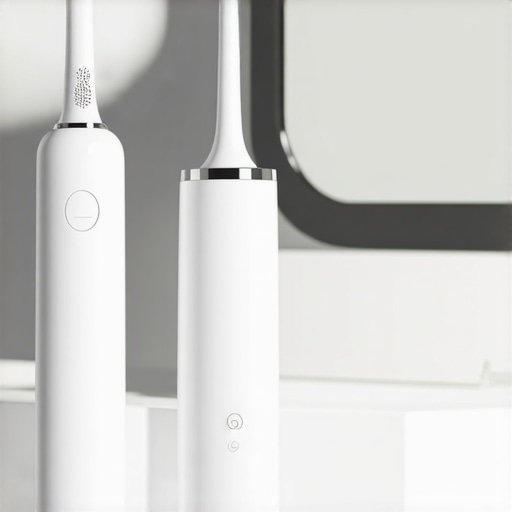
How do I maintain my dental results over the long haul?
Maintenance isn’t a seasonal event; it’s a daily commitment to the mechanics of your mouth. A study in the British Dental Journal (2023) highlights that consistent interdental cleaning—whether via floss or water irrigation—reduces the risk of secondary caries (cavities that form under existing work) by up to 40%. This is vital when you realize that the role of family dentistry is often centered on preventing these costly failures before they require a total replacement. You have to be your own first responder. In the next few years, I predict we will see AI-powered intraoral cameras becoming a staple in homes. Imagine snapping a photo of your molars once a month, and an app telling you exactly where plaque is starting to build before you even feel it. This level of proactive care is where the industry is headed, making expert cosmetic dentistry solutions even more accessible and long-lasting. If you are struggling with pain right now, don’t wait for the tech to catch up—learn how to manage the sharp pain of a dry socket at home or other emergencies, but always get to a professional. My advanced tip for today? Buy a high-quality water flosser and use it with lukewarm water and a splash of clear, antiseptic rinse. Set it to the lowest pressure first and work your way up. Your gums will thank you within a week.
The One Thing I Overlooked After Thousands in Dental Work
It took me years to realize that a crown isn’t a suit of armor; it’s more like a high-maintenance sports car. Even with dental crowns explained: the ultimate solution for damaged teeth, the real work happens in the bathroom mirror every night. The biggest ‘lightbulb moment’ for me was seeing why my porcelain crown has a dark line at the gum line. It wasn’t a defect in the material; it was a signal that I had been skipping the gum-line scrub. I also learned to stop ignoring why your gums bleed only when you use an electric toothbrush. Instead of brushing softer, I needed to focus on the health of the tissue supporting my dental work. The psychological shift happened when I stopped seeing hygiene as a chore and started seeing it as protecting my investment in expert cosmetic dentistry solutions.
The Toolkit That Keeps My Smile From Fading
If you want your treatment to look as good in five years as it does on day one, you need the right gear. First, an ultrasonic cleaner is non-negotiable for aligner users to how to prevent stains from forming on your clear aligners. Second, I recommend a water flosser with an orthodontic tip. It’s a cornerstone of the role of family dentistry because it flushes debris from under bridges and crown margins where traditional floss can’t reach. Finally, I’ve found that the truth about fluoride treatments for adults with thin enamel is that they are essential for reinforcing the natural teeth that act as foundations for your cosmetic work. #IMAGE_PLACEHOLDER_E#
Your Smile Is More Than Just a Cosmetic Investment
Choosing to revamp your smile with top cosmetic dentistry trends for 2025 is a brave step toward a more confident version of yourself. Whether you are managing the nuances of aligners or ensuring your expert cosmetic dentistry solutions remain pristine, remember that consistency beats intensity every time. Your dental health is a lifelong marathon, and you have already done the hardest part by starting. Have you ever found a stubborn stain on your clear aligners that just wouldn’t budge? Let me know in the comments below!