Picture this: I am standing on a balcony in Florence, the sunset is breathtaking, and my mouth feels like it is being poked by a hot needle. I had spent months planning this trip, only to have a dormant cavity decide that 4,000 miles from my home dentist was the perfect time to flare up. It was a nightmare. I made the classic mistake of thinking a little sensitivity before my flight was no big deal. Boy, was I wrong. Now, I want to make sure you never have to choose between a museum tour and a frantic search for a local clinic. Today, we are going to look at the exact steps you need to take when your tooth decides to rebel in a foreign land, from temporary pain relief to finding help without getting scammed.
My Midnight Dental Disaster in Tuscany
I remember vividly how I tried to ignore that first sharp twinge while eating gelato. By midnight, I was looking for ways to treat a throbbing toothache in the middle of the night using only a hotel mini-bar and sheer willpower. I have learned the hard way that tooth pain does not care about your itinerary. Whether you are dealing with a lost filling or trying to figure out how to handle a chipped veneer while you are on vacation, the panic is the same. According to the FDI World Dental Federation, dental emergencies are one of the most common reasons travelers seek unplanned medical care, yet most of us do not even pack basic pain relief. I was that traveler. I thought my teeth were invincible until they were not. It is vital to recognize that your family dentistry routine should include a pre-trip checkup, a lesson I learned far too late.
Is It Really Safe to See a Foreign Dentist?
I get it. The fear of ending up in a dusty room with outdated tools is real. You worry about the language barrier, the sterilization, and the cost. But let me tell you, waiting until you fly home can sometimes turn a simple fix into a full-blown root canal or worse. Most major cities have incredible dental professionals who handle expats every day. I have found that being proactive actually saves your trip and your wallet in the long run. If you are worried about your current dental work, like if you are unsure how to tell if your crown is leaking and trapping bacteria, getting it checked before you board that plane is the best insurance you can buy.
First Steps for Immediate Pain Relief
When the pain hits, stop and breathe. Your first job is to clean the area. Rinse gently with warm salt water; it is a universal remedy for a reason. If you have a visible hole or a lost crown, you might need to find a local pharmacy for some temporary dental cement. This was a trick I missed during my first disaster; I just kept chewing on the other side, which eventually led to more problems. Have you ever been stuck in a foreign country with a dental emergency? I would love to hear how you handled the situation!Think of your tooth like a high-performance engine. When the check-engine light flickers, you do not keep driving toward the mountains; you pull over and assess the damage. Dental pain is that warning light. If you feel a dull throb, it might just be the altitude or travel stress, but a sharp, localized pain usually means business.
Identify if Your Situation Is a True Emergency
If you are experiencing swelling in your jaw or neck, or if you have a fever accompanying your tooth pain, you are no longer in ‘wait-and-see’ territory. These are the hidden signs of an abscessed tooth you might miss, and they require immediate antibiotics. I once ignored a slight swelling while trekking in Peru, thinking it was just a reaction to the local food. Within 24 hours, my face was twice its normal size and I was desperately searching for a clinic in a town where I did not speak the language. Do not be like me.
Spot the Warning Signs of an Infection
Check your gums for any small, pimple-like bumps. These are called gum boils and indicate an infection at the root. If your tooth feels ‘taller’ than the others when you bite down, that is another red flag. In these cases, home remedies will not cut it; you need a professional dentist to intervene before the infection spreads to your bloodstream.
Perform Temporary Repairs Without a Dentist
If your emergency is structural rather than infectious—like a lost filling or a cracked tooth—you can often patch things up long enough to finish your trip. I have had a molar crack while eating a simple croissant in Lyon, which made me wonder why your molar cracks when you are only eating something soft. The jagged edge was slicing my tongue with every word. I used a small piece of dental wax from a local pharmacy to create a smooth barrier. This is essentially how to fix a jagged tooth edge without a trip to the emergency room while you are on the move. 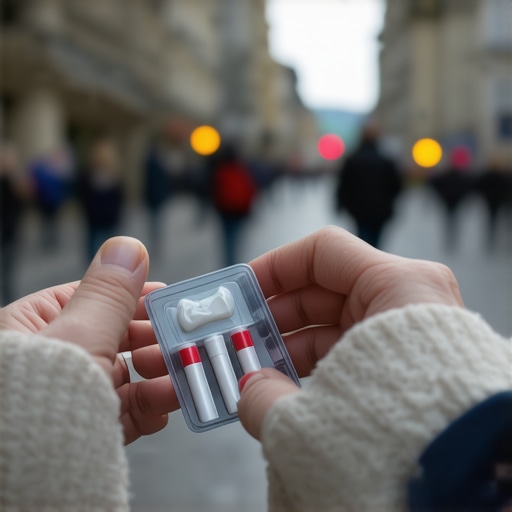
Keep Your Restoration Safe Until You Get Home
If a crown or bridge pops off, do not use superglue! I tried to stick a crown back on with sugar-free gum during a weekend in Paris, and it was a sticky, ineffective mess that tasted like minty regret. Instead, look for ‘dental cement’ at a local apothecary. It is a temporary adhesive designed for this exact purpose. If you find why your temporary crown keeps falling off before the final one is due to the fit, the cement will buy you time. Likewise, knowing how to handle a loose dental bridge before your next appointment involves keeping the area clean and avoiding sticky foods like local taffy or hard baguettes.
Find a Reliable Clinic in a Foreign City
Once you have stabilized the pain or the loose part, you need to vet a local provider. Start by contacting your embassy or consulate; they maintain lists of English-speaking medical and dental professionals who are accustomed to treating international patients. High-end hotels also usually have a ‘house doctor’ who can recommend a reputable dental clinic. Do not just walk into the first place you see. Check online reviews and look for certifications from international dental associations to ensure they follow modern sterilization protocols.Many travelers think a dental emergency is just bad luck, but it is often the result of ignoring the hidden nuances of preventative care. Everyone says a crown is the final solution, but in my experience, the crown is just the beginning of a new maintenance phase. The biggest mistake you can make is assuming that a ‘fixed’ tooth is an ‘invincible’ tooth. If you are planning to transform your look with expert cosmetic dentistry solutions, you must realize that these restorations require more than just a daily brush to stay intact during a transatlantic flight.
Why Your All-White Smile Might Be Brittle
There is a common belief that the more ‘cosmetic’ a procedure is, the more fragile it must be. Conversely, some think crowns are indestructible. Both are wrong. If you are looking to revamp your smile with top cosmetic dentistry trends for 2025, you have to understand the structural trade-offs. Modern dentistry has moved toward ‘minimally invasive’ techniques, yet many people still demand aggressive ‘prep’ work that removes healthy enamel for a specific aesthetic. This is the ‘Oops’ factor: losing your natural tooth structure for a temporary trend can lead to lifelong sensitivity and a much higher risk of fractures.
How Do You Spot a Failing Restoration Before It Becomes a Crisis?
Wait, did you know that your bite changes as you age? This is where the family dentistry guide: building a lifetime of healthy smiles comes into play. A crown that fit perfectly in your twenties might cause a molar crack when you are only eating something soft in your forties because your jaw alignment shifted over decades. A study published in the Journal of the American Dental Association (JADA) highlights that secondary decay under existing restorations is the leading cause of late-stage failure. If you do not keep up with regular checks, you will not know when and why dental crowns are needed as replacements until the tooth actually breaks in the middle of a vacation. 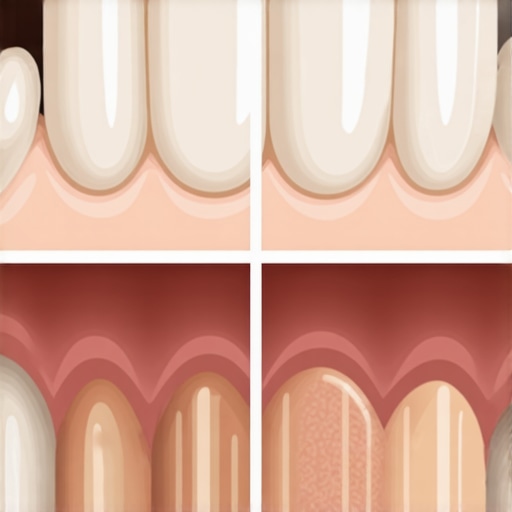
Avoid the Trap of One-Size-Fits-All Dentistry
When you are comparing dental crowns vs. other restorations, do not just look at the price or the immediate ‘after’ photo. Advanced patients know to ask about the material properties. For instance, the truth about silver fillings vs. composite isn’t just about aesthetics; it is about how the material expands and contracts with temperature and pressure. If you have large silver fillings and fly frequently, the pressure changes in the cabin can actually stress the tooth structure. This is a level of child-friendly dental care and adult maintenance that goes beyond the basics. Have you ever fallen into the trap of thinking a dental fix was permanent only to have it fail at the worst possible time? Let me know in the comments!
The Maintenance Kit That Saves My Sanity
Since that Tuscany disaster, my travel toiletry bag looks very different. I no longer rely on whatever the hotel provides; I carry a dedicated ‘dental survival kit’ that has saved me more times than I care to admit. The center of my routine is a portable water flosser. Why? Because when you have dental crowns or bridges, traditional string floss can occasionally snag on a margin that is slightly less than perfect. A high-pressure water stream clears debris without the risk of popping a restoration loose. I also never travel without a custom-fit night guard. Stress and travel go hand-in-hand, and clenching your jaw during a red-eye flight is the fastest way to crack a porcelain surface. If you use one, make sure you know the best way to clean your night-guard so it doesnt smell after being tucked away in a suitcase for ten hours.
How do I keep my dental work from failing prematurely?
Maintaining longevity is about reducing friction and acid. I personally switched to a soft-bristled electric brush with a pressure sensor. Many people, in an effort to be clean, scrub their teeth so hard they actually wear down the glaze on their expensive cosmetic dentistry innovations. Research in the International Journal of Prosthodontics indicates that the ‘marginal gap’—the tiny space where the crown meets the tooth—is where most failures begin. If you are not using a non-abrasive paste, you are essentially sandpapering that seal every morning. This is just as important for kids as it is for adults, which is why caring for your childs teeth requires the same gentle approach to prevent early enamel erosion. 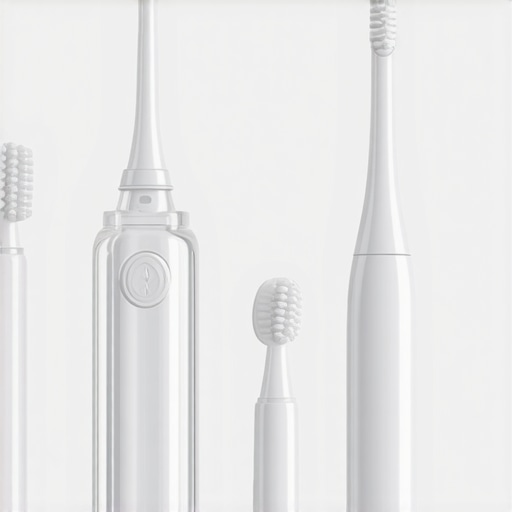
Looking Ahead to a World of Self-Healing Enamel
I predict that within the next decade, we will stop talking about ‘replacing’ crowns and start talking about ‘regenerating’ them. We are already seeing innovations to watch like 3D-printed bioactive materials that actually release minerals back into the tooth structure. According to technical insights from Dr. Gordon Christensen’s Clinicians Report, the future of materials like zirconia is leaning toward better translucency combined with ‘self-healing’ resin cements. This means your future family dentistry visits might involve a quick digital scan and a laser-printed fix that happens right in the office, rather than waiting weeks for a lab. Even the way we track wear is changing; smart toothbrushes will soon tell us exactly when we need to check how often you really need to replace your toothbrush based on actual bristle degradation. My advice? Start the ‘Night Guard Test’ tonight. Wear one for a week and track how much less jaw tension you feel in the morning—it’s the single best way to protect your investment.Picture this: I am standing on a balcony in Florence, the sunset is breathtaking, and my mouth feels like it is being poked by a hot needle. I had spent months planning this trip, only to have a dormant cavity decide that 4,000 miles from my home dentist was the perfect time to flare up. It was a nightmare. I made the classic mistake of thinking a little sensitivity before my flight was no big deal. Boy, was I wrong. Now, I want to make sure you never have to choose between a museum tour and a frantic search for a local clinic. Today, we are going to look at the exact steps you need to take when your tooth decides to rebel in a foreign land, from temporary pain relief to finding help without getting scammed.
My Midnight Dental Disaster in Tuscany
I remember vividly how I tried to ignore that first sharp twinge while eating gelato. By midnight, I was looking for ways to treat a throbbing toothache in the middle of the night using only a hotel mini-bar and sheer willpower. I have learned the hard way that tooth pain does not care about your itinerary. Whether you are dealing with a lost filling or trying to figure out how to handle a chipped veneer while you are on vacation, the panic is the same. According to the FDI World Dental Federation, dental emergencies are one of the most common reasons travelers seek unplanned medical care, yet most of us do not even pack basic pain relief. I was that traveler. I thought my teeth were invincible until they were not. It is vital to recognize that your family dentistry routine should include a pre-trip checkup, a lesson I learned far too late.
Is It Really Safe to See a Foreign Dentist?
I get it. The fear of ending up in a dusty room with outdated tools is real. You worry about the language barrier, the sterilization, and the cost. But let me tell you, waiting until you fly home can sometimes turn a simple fix into a full-blown root canal or worse. Most major cities have incredible dental professionals who handle expats every day. I have found that being proactive actually saves your trip and your wallet in the long run. If you are worried about your current dental work, like if you are unsure how to tell if your crown is leaking and trapping bacteria, getting it checked before you board that plane is the best insurance you can buy.
First Steps for Immediate Pain Relief
When the pain hits, stop and breathe. Your first job is to clean the area. Rinse gently with warm salt water; it is a universal remedy for a reason. If you have a visible hole or a lost crown, you might need to find a local pharmacy for some temporary dental cement. This was a trick I missed during my first disaster; I just kept chewing on the other side, which eventually led to more problems. Have you ever been stuck in a foreign country with a dental emergency? I would love to hear how you handled the situation!Think of your tooth like a high-performance engine. When the check-engine light flickers, you do not keep driving toward the mountains; you pull over and assess the damage. Dental pain is that warning light. If you feel a dull throb, it might just be the altitude or travel stress, but a sharp, localized pain usually means business.
Identify if Your Situation Is a True Emergency
If you are experiencing swelling in your jaw or neck, or if you have a fever accompanying your tooth pain, you are no longer in ‘wait-and-see’ territory. These are the hidden signs of an abscessed tooth you might miss, and they require immediate antibiotics. I once ignored a slight swelling while trekking in Peru, thinking it was just a reaction to the local food. Within 24 hours, my face was twice its normal size and I was desperately searching for a clinic in a town where I did not speak the language. Do not be like me.
Spot the Warning Signs of an Infection
Check your gums for any small, pimple-like bumps. These are called gum boils and indicate an infection at the root. If your tooth feels ‘taller’ than the others when you bite down, that is another red flag. In these cases, home remedies will not cut it; you need a professional dentist to intervene before the infection spreads to your bloodstream.
Perform Temporary Repairs Without a Dentist
If your emergency is structural rather than infectious—like a lost filling or a cracked tooth—you can often patch things up long enough to finish your trip. I have had a molar crack while eating a simple croissant in Lyon, which made me wonder why your molar cracks when you are only eating something soft. The jagged edge was slicing my tongue with every word. I used a small piece of dental wax from a local pharmacy to create a smooth barrier. This is essentially how to fix a jagged tooth edge without a trip to the emergency room while you are on the move. #IMAGE_PLACE_HOLDER_B#
Keep Your Restoration Safe Until You Get Home
If a crown or bridge pops off, do not use superglue! I tried to stick a crown back on with sugar-free gum during a weekend in Paris, and it was a sticky, ineffective mess that tasted like minty regret. Instead, look for ‘dental cement’ at a local apothecary. It is a temporary adhesive designed for this exact purpose. If you find why your temporary crown keeps falling off before the final one is due to the fit, the cement will buy you time. Likewise, knowing how to handle a loose dental bridge before your next appointment involves keeping the area clean and avoiding sticky foods like local taffy or hard baguettes.
Find a Reliable Clinic in a Foreign City
Once you have stabilized the pain or the loose part, you need to vet a local provider. Start by contacting your embassy or consulate; they maintain lists of English-speaking medical and dental professionals who are accustomed to treating international patients. High-end hotels also usually have a ‘house doctor’ who can recommend a reputable dental clinic. Do not just walk into the first place you see. Check online reviews and look for certifications from international dental associations to ensure they follow modern sterilization protocols.Many travelers think a dental emergency is just bad luck, but it is often the result of ignoring the hidden nuances of preventative care. Everyone says a crown is the final solution, but in my experience, the crown is just the beginning of a new maintenance phase. The biggest mistake you can make is assuming that a ‘fixed’ tooth is an ‘invincible’ tooth. If you are planning to transform your look with expert cosmetic dentistry solutions, you must realize that these restorations require more than just a daily brush to stay intact during a transatlantic flight.
Why Your All-White Smile Might Be Brittle
There is a common belief that the more ‘cosmetic’ a procedure is, the more fragile it must be. Conversely, some think crowns are indestructible. Both are wrong. If you are looking to revamp your smile with top cosmetic dentistry trends for 2025, you have to understand the structural trade-offs. Modern dentistry has moved toward ‘minimally invasive’ techniques, yet many people still demand aggressive ‘prep’ work that removes healthy enamel for a specific aesthetic. This is the ‘Oops’ factor: losing your natural tooth structure for a temporary trend can lead to lifelong sensitivity and a much higher risk of fractures.
How Do You Spot a Failing Restoration Before It Becomes a Crisis?
Wait, did you know that your bite changes as you age? This is where the family dentistry guide: building a lifetime of healthy smiles comes into play. A crown that fit perfectly in your twenties might cause a molar crack when you are only eating something soft in your forties because your jaw alignment shifted over decades. A study published in the Journal of the American Dental Association (JADA) highlights that secondary decay under existing restorations is the leading cause of late-stage failure. If you do not keep up with regular checks, you will not know when and why dental crowns are needed as replacements until the tooth actually breaks in the middle of a vacation.
Avoid the Trap of One-Size-Fits-All Dentistry
When you are comparing dental crowns vs. other restorations, do not just look at the price or the immediate ‘after’ photo. Advanced patients know to ask about the material properties. For instance, the truth about silver fillings vs. composite isn’t just about aesthetics; it is about how the material expands and contracts with temperature and pressure. If you have large silver fillings and fly frequently, the pressure changes in the cabin can actually stress the tooth structure. This is a level of child-friendly dental care and adult maintenance that goes beyond the basics. Have you ever fallen into the trap of thinking a dental fix was permanent only to have it fail at the worst possible time? Let me know in the comments!
The Maintenance Kit That Saves My Sanity
Since that Tuscany disaster, my travel toiletry bag looks very different. I no longer rely on whatever the hotel provides; I carry a dedicated ‘dental survival kit’ that has saved me more times than I care to admit. The center of my routine is a portable water flosser. Why? Because when you have dental crowns or bridges, traditional string floss can occasionally snag on a margin that is slightly less than perfect. A high-pressure water stream clears debris without the risk of popping a restoration loose. I also never travel without a custom-fit night guard. Stress and travel go hand-in-hand, and clenching your jaw during a red-eye flight is the fastest way to crack a porcelain surface. If you use one, make sure you know the best way to clean your night-guard so it doesnt smell after being tucked away in a suitcase for ten hours.
How do I keep my dental work from failing prematurely?
Maintaining longevity is about reducing friction and acid. I personally switched to a soft-bristled electric brush with a pressure sensor. Many people, in an effort to be clean, scrub their teeth so hard they actually wear down the glaze on their expensive cosmetic dentistry innovations. Research in the International Journal of Prosthodontics indicates that the ‘marginal gap’—the tiny space where the crown meets the tooth—is where most failures begin. If you are not using a non-abrasive paste, you are essentially sandpapering that seal every morning. This is just as important for kids as it is for adults, which is why caring for your childs teeth requires the same gentle approach to prevent early enamel erosion.
Looking Ahead to a World of Self-Healing Enamel
I predict that within the next decade, we will stop talking about ‘replacing’ crowns and start talking about ‘regenerating’ them. We are already seeing innovations to watch like 3D-printed bioactive materials that actually release minerals back into the tooth structure. According to technical insights from Dr. Gordon Christensen’s Clinicians Report, the future of materials like zirconia is leaning toward better translucency combined with ‘self-healing’ resin cements. This means your future family dentistry visits might involve a quick digital scan and a laser-printed fix that happens right in the office, rather than waiting weeks for a lab. Even the way we track wear is changing; smart toothbrushes will soon tell us exactly when we need to check how often you really need to replace your toothbrush based on actual bristle degradation. My advice? Start the ‘Night Guard Test’ tonight. Wear one for a week and track how much less jaw tension you feel in the morning—it’s the single best way to protect your investment.
What Most People Miss About Long-Distance Dental Care
Looking back at my Florence fiasco, I realized that preparation isn’t just about packing a toothbrush; it is about shifting your mindset. Here are the lightbulb moments that changed how I travel:
- Old dental work is not set-and-forget. Just because a crown felt fine five years ago doesn’t mean the seal is still perfect. Minor leaks can become major infections under cabin pressure.
- Your embassy is your medical lifeline. I used to think of them only for lost passports, but they maintain the most reliable lists of English-speaking clinics globally.
- Pain relief is proactive. Waiting for the throb to start before hunting for a pharmacy in a foreign language is a recipe for disaster.
The Three Essentials in My Permanent Travel Kit
I never leave the country without these items now, and they have saved my sanity more than once. First, a portable water flosser is essential for anyone with crowns or bridges, as it clears debris that could lead to inflammation without the risk of snagging a restoration. Second, a small tube of temporary dental cement can be a literal lifesaver for a loose bridge. Finally, a high-quality night guard is non-negotiable for the stress of travel; just make sure you know the best way to clean your night-guard to keep it fresh in your luggage. #IMAGE_PLACEHOLDER_E#
Take Charge of Your Smile Before You Board
Don’t let a hidden cavity or a loose restoration ruin your view of a world-class museum or a tropical beach. The best way to enjoy your trip is to ensure your oral health is solid before you even check in for your flight. A quick visit to a provider specializing in family dentistry can catch those tiny fractures that international travel tends to exploit. Whether you are looking to revamp your smile or just maintain your current work, being prepared is the ultimate travel luxury. Have you ever had a dental health emergency disrupt your vacation? Let me know how you handled it in the comments below!