I remember sitting at my kitchen table, nursing a lukewarm cup of tea, when I felt it. It wasn’t the sharp, lightning-bolt pain people usually describe when talking about dental emergencies. It was a rhythmic, pulsing thud right below my left molar, almost like a second heartbeat had moved into my jaw. At the time, I convinced myself it was just stress or maybe I’d bitten down too hard on a piece of sourdough. I even tried to convince myself I knew how to tell if your toothache is actually a sinus infection, thinking a quick decongestant would fix everything. I was wrong. By the time I finally dragged myself into the chair, the infection had started to spread. My biggest mistake was waiting for ‘real’ pain. In the world of family dentistry, we often wait for a crisis before we act, but an abscess is a silent operator. Today, I’m going to show you exactly how to spot those whispers before they turn into screams so you don’t end up like I did—facing an emergency root canal on a holiday weekend. We are going to dive into the weird tastes, the phantom smells, and the subtle swelling that means it is time to call the professional.
Don’t Wait for the Scream When the Whisper is Enough
One of the most dangerous things about a dental abscess is that the pain can actually disappear. I know that sounds like a good thing, but it’s actually a massive red flag. When the nerve inside your tooth dies, it stops sending pain signals, which might lead you to believe the problem solved itself. Meanwhile, the infection is quietly eating away at the bone. I’ve seen so many people skip their family dentistry appointments because the ache went away, only to return weeks later with a swollen face and a fever. According to the American Association of Endodontists, an abscessed tooth is a pocket of infection that can become life-threatening if the bacteria reaches the bloodstream. If you notice a persistent bad taste in your mouth, you are likely tasting the drainage from that infection. It’s gross, I know, but your body is literally trying to tell you something is wrong. Have you ever experienced a sudden, unexplained metallic or bitter taste that wouldn’t go away even after brushing?
Is it really that dangerous to wait a few more days?
The short answer is yes. Unlike a cold or a scraped knee, a tooth infection does not have an ‘off’ switch. It will continue to drain and spread until a dentist physically removes the source of the bacteria. I learned the hard way that trying to learn how to manage tooth pain when you can’t see a dentist immediately is just a band-aid. You might be able to numb the area, but you aren’t stopping the fire. If you find yourself wondering how to handle a throbbing toothache in the middle of the night, you’ve already waited too long. In this guide, we are going to break down the specific symptoms that require an immediate visit versus the ones that can wait until Monday morning.
Look for the Warning Signs in Your Mirror
To catch an abscess before it turns into a facial swelling event, you need to become an investigator of your own mouth. Start by running your tongue along the gum line above and below the aching tooth. If you feel a raised, soft bump that looks like a small pimple, that is a fistula. It is essentially a drainage tunnel the infection has created to release pressure. I once ignored a small, white-topped bump for a week, thinking I had just scratched my gums with a tortilla chip. By day eight, the bump had doubled in size, and I realized I was dealing with a full-blown infection that was already affecting the neighboring teeth. If you see this, do not try to pop it. This is a clear signal that you need to visit a dentist immediately to stop the spread. You might also notice that the area feels warm to the touch or looks significantly redder than the surrounding tissue. This heat is your immune system trying to fight a war it is currently losing. 
Identify the Source of the Bitter Taste
One of the most reliable indicators of an active infection is a sudden, foul-smelling liquid in your mouth. If you experience the real reason you have a persistent bad taste in your mouth, you are likely tasting the byproduct of bacteria. This discharge often smells like sulfur and can make your breath unbearable regardless of how much you brush. In my case, I noticed a sharp, metallic tang every time I pressed my cheek. If this happens, it means the abscess is active and draining, which is a temporary relief for the pressure but a long-term disaster for your jawbone. Maintaining a consistent family dentistry routine helps identify these shifts in oral chemistry before they become painful.
Protect Your Damaged Tooth with a Custom Shield
Once the infection is cleared through a root canal or antibiotics, the structural integrity of your tooth is compromised. This is where dental crowns come into play. Think of a crown as a helmet for your tooth; it wraps around the remaining natural structure to prevent it from cracking under the pressure of chewing. I’ve seen patients skip the crown phase after their pain subsided, only to return months later with a tooth that had snapped in half. Understanding when and why dental crowns are needed is the difference between keeping your natural smile and needing a full implant.
Watch Out for Secondary Leaks
Even after a restoration, you have to stay vigilant. If you already have work done, you should know how to tell if your dental crown is leaking bacteria. A crown that feels slightly loose or causes a twinge when you bite down could be letting new bacteria into the core of the tooth. When I finally got my crown after that holiday weekend emergency, the relief was instant, but I had to learn that the work doesn’t end at the clinic. Proper maintenance within the framework of the role of family dentistry in ensuring oral health ensures that your ‘helmet’ stays sealed and your jaw stays healthy for years to come.Many people think of cosmetic dentistry as the ‘luxury’ side of the clinic, meant only for those seeking a Hollywood smile. I’m here to tell you that’s a dangerous simplification. In the world of family dentistry, we know that a ‘pretty’ tooth that doesn’t function is just a ticking time bomb. A common mistake I see is patients prioritizing the shade of white over the fit of the margin. If your restoration is even a fraction of a millimeter off, you’ll eventually end up wondering why your porcelain crown has a dark line at the gum line. That line isn’t just an aesthetic flaw; it is often the metal substructure showing through or, more concerningly, a site where bacteria is beginning to colonize because the seal isn’t perfectly flush with your gum tissue. 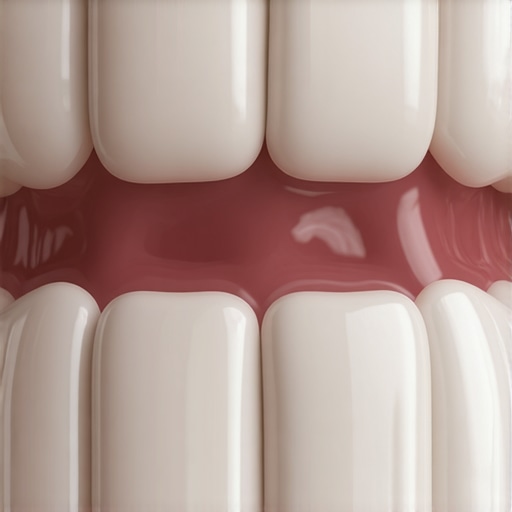
Your Cosmetic Fix is More Than Just a Selfie Upgrade
Most patients assume that if a tooth looks good, it is healthy. However, if you are following the top cosmetic dentistry trends for 2025, you’ll notice the industry is shifting toward biomimetic dentistry—copying nature’s original design rather than just slapping on a white shell. This lack of precision is exactly why your porcelain veneers might look bulky or unnatural. If the preparation doesn’t account for the natural curve of your arch, the restoration becomes a plaque trap. A study published in the Journal of Esthetic and Restorative Dentistry highlights that the success of any restoration is dependent on the ‘biological width’; if a crown or veneer encroaches too close to the bone, your body will trigger chronic inflammation. Have you ever fallen into the trap of thinking ‘white equals healthy’ only to face issues later? Let me know in the comments.
Why does my new crown feel like a speed bump?
If you’ve ever had a restoration and spent days wondering why your porcelain crown feels too high when you bite down, you are experiencing a microscopic alignment error. Even a few microns of extra height can cause your jaw muscles to spasm or lead to a fractured root. While exploring expert cosmetic dentistry solutions, you must ensure the bite is calibrated for long-term survival. When weighing dental crowns vs other restorations, remember that the material is only as good as the technician’s precision. Don’t settle for ‘good enough’ when your structural integrity is at stake. Proper family dentistry means looking past the facade and ensuring the foundation is solid.Maintaining the work we’ve discussed isn’t just about brushing twice a day; it’s about using the right tools to protect your investment. I personally swear by the Waterpik professional series, especially for anyone who has transitioned from simple fillings to more complex restorations. When you have a bridge or a series of crowns, traditional floss can sometimes shred or fail to reach the microscopic gaps where the restoration meets the gum line. If you’ve struggled with discomfort, learning how to stop your gums from hurting when you use a water flosser is a game changer. It’s not just about the water pressure; it’s about the angle of the tip. I use it at a 90-degree angle to the tooth to flush out the volatile sulfur compounds that cause why your breath smells like sulfur despite regular flossing. This is the same logic we apply in family dentistry to ensure that every member of the household, from kids with braces to seniors with bridges, stays infection-free.
How do I maintain my dental work over time?
Long-term success is built on preventing structural fatigue. If you’ve invested in dental crowns, you are likely someone who has dealt with decay or trauma in the past. To keep those crowns for twenty years instead of five, you must address the invisible enemy: nocturnal bruxism. I never go to sleep without my custom-fitted night guard. It acts as a shock absorber for your jaw. Without it, the constant grinding is exactly the real reason your porcelain crown keeps chipping. As noted by Dr. Gordon Christensen in the Clinicians Report, the marginal integrity of a crown is the single most important factor in its longevity, and mechanical stress is what breaks that seal. If you use a guard, make sure you know the best way to clean a night guard to prevent odors so you don’t introduce new bacteria into your system every night. 
Why a night guard is your smile’s best insurance policy
We are moving into an era of ‘predictive maintenance’ in the dental world. Within the next decade, I predict that top cosmetic dentistry trends for 2025 and beyond will involve smart-sensors embedded in night guards that track your grinding patterns and alert your dentist before a crown even has a chance to crack. Until then, we rely on high-fidelity imaging. This is why your dental implant specialist needs a high-tech scan; we need to see the bone density around the site to ensure the foundation remains rock solid. Whether you are looking for expert cosmetic dentistry solutions or just trying to keep your existing teeth, the goal is the same: stability. If you wake up and notice why your jaw aches every time you wake up in the morning, you are literally crushing your dental work. My advanced tip for you today? Use a magnifying mirror once a week to inspect the ‘seam’ where your crown meets the gum. If you see any graying or feel a tiny snag with your fingernail, call us immediately. Catching a marginal leak early is the difference between a simple polish and a full replacement.
Hard Truths About What Keeps a Smile Healthy
After years of seeing patients wait until the last possible second, I’ve realized that the most expensive dental bills always start with ‘I thought it would go away.’ Here are a few lightbulb moments I’ve gathered from the front lines of oral health: First, pain is a lagging indicator. As we discussed, a dead nerve stops hurting, but the infection keeps growing. You have to trust the visual signs—like those tiny gum bumps or a persistent bad taste in your mouth—more than your own pain threshold. Second, maintenance beats restoration every time. Even the most advanced cosmetic dentistry trends for 2025 cannot replace the biological strength of your natural enamel. Finally, the ‘Seam’ is the secret. The longevity of your dental work depends entirely on the microscopic margin where the tooth meets the gum. If you learn how to tell if your dental crown is leaking bacteria early on, you can save the tooth from a second round of decay before it even begins.
The Daily Gear I Use to Avoid Dental Drama
I don’t just talk about oral health; I live it. These are the specific tools I personally trust to keep my family out of the emergency chair. I always recommend a high-quality electric toothbrush; it’s the foundation of the role of family dentistry in ensuring oral health for every age group because it reaches where manual brushes fail. I also suggest a dedicated Waterpik for anyone with complex work like bridges or implants. It is truly the only way to flush out the volatile compounds that explain why your breath smells like sulfur despite regular flossing. Finally, never underestimate the power of a custom-fitted night guard. It protects your investment and prevents you from discovering the real reason your porcelain crown keeps chipping through expensive trial and error. #IMAGE_PLACE_HOLDER_E#
Take the First Step Toward Permanent Oral Peace
Your journey to a healthy smile doesn’t have to be a series of crises and quick fixes. By shifting your focus from emergency repair to proactive, predictive care, you can enjoy a life free from the throb of a midnight toothache. Whether you are currently weighing dental crowns vs other restorations or just need a routine checkup to catch those ‘whispers’ early, the best time to act is always today. We are here to help you navigate these choices and build a foundation that lasts for decades. Don’t wait for the whisper to become a scream—reach out and contact us to secure your smile’s future. Have you ever noticed a strange taste or a tiny bump in your mouth but decided to wait it out? Let me know your experience in the comments below.