The sound wasn’t a crunch—it was a snap, the kind that vibrates right up into your skull. I was halfway through a celebratory dinner when my front tooth decided to wage war against a hidden olive pit. In an instant, my smooth smile turned into a jagged, serrated mess that felt like a razor blade against my tongue. I spent the rest of the night covering my mouth with my napkin, convinced I was looking at a massive bill for a porcelain restoration. But here is the secret I wish I’d known before I spiraled into a panic: you don’t always need to go nuclear on a damaged tooth. Today, I’m going to walk you through how you can smooth out those rough edges without sacrificing your natural tooth structure or your savings account. Have you ever felt that sudden, sharp edge and immediately assumed your smile was ruined forever?
My Olive Pit Disaster and Why Crowns Aren’t Always the Answer
When I first saw the damage in the rearview mirror, I was ready to book the most expensive appointment available. I’ve made that mistake before, letting a dentist shave down a significant portion of a healthy tooth for a full crown just because I had a tiny nick. I still regret that decision because once that natural enamel is gone, it’s gone for good. We often think of dental crowns as the ultimate solution, and for major decay, they are. But for a jagged edge? It’s often overkill. The goal should always be conservative dentistry—doing the least amount of work for the greatest result. Most jagged edges are actually caused by the real cause of those tiny cracks in your enamel that finally give way. If the root is healthy and the chip is small, we should be looking at expert cosmetic dentistry solutions that keep your tooth intact.
Is skipping the crown actually a safe move?
It is natural to be skeptical. You might worry that a smaller fix is just a temporary patch that will pop off the next time you eat a sandwich. I used to think the same thing until I saw the power of modern composite materials. According to the American Academy of Cosmetic Dentistry (AACD), cosmetic bonding is a highly durable and cost-effective way to manage minor dental trauma without the invasiveness of a full cap. It’s a common part of family dentistry that many people overlook in favor of more dramatic procedures. Whether you are trying to fix a jagged tooth edge or looking for a way to handle a small chip in your front tooth, there are several pathways that don’t involve a drill and a two-week wait for a lab-made crown. We are going to explore the practical, pain-free alternatives that will get you back to eating comfortably by tomorrow.
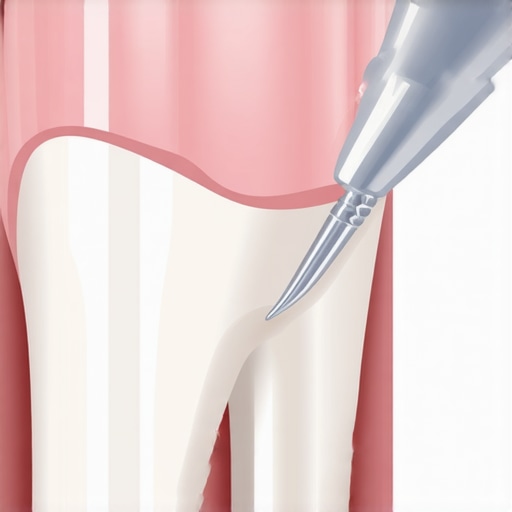
Before I eventually sat in the dentist’s chair for my olive-pit injury, I actually considered a DIY hack I saw on a late-night forum. I grabbed a fine-grit nail file, thinking I could just buff out the snag on my own. It was a massive mistake. I didn’t just smooth the edge; I scratched the surface enamel and spent the next three weeks dealing with a tooth that felt like it was being struck by lightning every time I breathed in cold air. That is the primary danger of trying to fix a small chip in your front tooth at home. When a professional handles it, they use specialized diamond burs that rotate at incredible speeds to gently buff the tooth, much like a jeweler polishes a gemstone. This process is the fastest way to fix a jagged tooth edge without invasive drilling.
Smoothing the Rough Edges with Odontoplasty
The most conservative approach to a jagged edge is called odontoplasty, or enamel shaping. Think of this like filing a broken fingernail so it doesn’t catch on your sweater. Your dentist uses a polishing instrument to remove microscopic amounts of enamel from the sharp peaks of the tooth. It is usually painless and requires no anesthesia because they are only working on the outermost layer where there are no nerves. However, this only works if you have enough enamel to spare. If the chip is deep, removing more structure could leave the sensitive dentin exposed, leading to a situation where you might need to manage a tooth that is sensitive only to hot liquids or cold drinks. Shaping is the ultimate ‘less is more’ technique, but it requires a discerning eye to ensure the tooth remains symmetrical with its neighbors.
Using Composite Bonding to Rebuild Your Smile
If the jagged edge has left a literal hole in your smile, smoothing it down isn’t enough—you need to add material back. This is where dental bonding comes in. Imagine it as a high-tech dental spackle. Your dentist applies a tooth-colored resin that matches your natural shade perfectly. They etch the surface of the tooth to create a rough texture (like sanding a wall before painting), apply the resin, and then cure it with a specialized blue light. This is a staple in expert cosmetic dentistry solutions because it provides an immediate fix in a single visit. Unlike the debate over silver fillings vs composite, where durability is the main concern for molars, bonding for a front-tooth edge is more about aesthetics and restoring the biting surface.
The difference between a quick fix and a lasting restoration
While bonding is brilliant, it is not invincible. Because the material is a plastic resin, it can stain or chip over time if you have a habit of biting your nails or opening packages with your teeth. This is why many patients weigh the pros and cons of dental crowns vs other restorations. If the jagged edge is the result of a significant fracture, a thin layer of resin might not be strong enough to hold up against the pressure of chewing. In those cases, the bonding acts as a temporary bridge while you consider more permanent options like veneers or crowns that wrap around the tooth for better support.
Deciding if your tooth needs more than a simple buffing
Not every jagged edge is a simple chip; sometimes it is a warning sign. You need to determine if the rough spot is just a surface issue or if it is connected to the real cause of those tiny cracks that run deeper into the root. If you feel a sharp pain when you bite down and release, or if the jaggedness is accompanied by swelling in the gums, you might be dealing with a structural failure. Learning how to tell if your tooth sensitivity is actually a hidden fracture is vital. A simple smoothing treatment won’t fix a crack that is splitting the tooth in half. In those scenarios, conservative shaping is off the table, and you’ll need to move toward restorative options that protect the internal pulp of the tooth from infection.
Why Your Dentist Might Be Over-Prescribing Crowns
We’ve been conditioned to believe that a porcelain cap is the ‘gold standard’ for a broken tooth. But here is the contrarian truth: a crown is often a failure of imagination. In many cases, aggressive prepping for a crown—shaving down 60-70% of the tooth—actually compromises the structural integrity of your jaw over the long haul. Research published in the Journal of Prosthetic Dentistry suggests that maintaining as much natural enamel as possible leads to better long-term outcomes than ‘going big’ too early. This is why I advocate for cosmetic dentistry innovations that prioritize biomimetic principles. If you can bond it, bond it. Only when you understand when and why crowns are actually needed can you avoid the trap of unnecessary dental work.
The Domino Effect of Ignoring a Sharp Edge
The biggest ‘oops’ I see isn’t a bad repair; it’s the decision to ‘just live with’ a jagged edge. You think you’re being tough or saving money, but a sharp tooth acts like a diamond-tipped saw against its neighbors. Every time you chew, that jagged peak is grinding down the enamel on the opposing tooth. By the time you finally go in to revamp your smile, you might have two damaged teeth instead of one. It’s a classic mistake in family dentistry—ignoring the small stuff until it becomes a structural crisis.
Why does my bite still feel weird after a quick fix?
Even if the edge looks smooth, you might notice your jaw feels ‘off’ or tired. This is usually because the chip altered your vertical dimension or your occlusion (how your teeth fit together). When a professional performs a repair, they aren’t just looking at the one tooth; they are looking at the harmony of your entire mouth. If your repair isn’t calibrated, you might find your crown feels loose or your jaw starts clicking. This level of nuance is what separates a quick buffing from true expert cosmetic dentistry solutions. Have you ever fallen into this trap where a ‘minor’ issue turned into a major headache? Let me know in the comments.
Preserve Your Enamel at All Costs
The real secret to a lifelong smile isn’t finding the best restoration; it’s keeping the tooth you were born with. Once that enamel is gone, you’re on a treadmill of replacements for the rest of your life. Whether you are dealing with the real cause of those tiny cracks or a sudden olive-pit disaster, your first question should always be: ‘What is the most conservative way to fix this?’ If a dentist immediately jumps to a full-wrap crown without discussing bonding or onlays, get a second opinion. Your future self—and your wallet—will thank you. Don’t forget to check out our privacy policy and contact us if you have more questions about your specific situation.
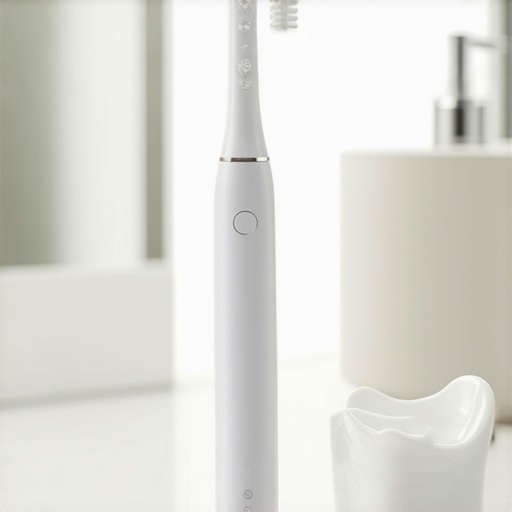
I used to be a ‘scrubber’—I thought the harder I brushed, the cleaner my teeth were. I was wrong. When you have dental bonding or have had your enamel shaped, aggressive brushing is your worst enemy. It’s like using sandpaper on a polished car. This is why I switched to the Philips Sonicare ProtectiveClean 6100. It has a pressure sensor that pulses when I press too hard, ensuring I don’t wear down the resin or the natural enamel I have left. If you ignore this, you’ll find that why your teeth look yellow even though you have never smoked is a question you’ll be asking sooner than later, as you’ve literally brushed the protective surface away.
Stop Scrubbing Your Way to a Damaged Smile
The tools you use at home determine whether your expert cosmetic dentistry solutions last three years or thirteen. I personally recommend using a toothpaste with an RDA (Relative Dentin Abrasivity) value below 70. According to the American Dental Association’s technical reports on toothpaste abrasivity, many ‘whitening’ pastes use harsh silicas that act like liquid sandpaper. If you use those on a bonded tooth, the finish will dull within months. Switching to a low-abrasion paste is the easiest way to prevent why your teeth feel fuzzy even after you brush them and keep the composite smooth.
Why a Night Guard Is Your Best Insurance Policy
If you’re a grinder like me, your smooth edges don’t stand a chance without a buffer. I use a custom-fitted 3mm dual-laminate night guard. It’s hard on the outside but soft on the inside. This protects the biting edges from the 250 pounds of pressure humans can exert while sleeping. It’s not just about comfort; it’s about preventing a scenario where you have to learn how to handle a chipped veneer while you’re on vacation. Once you have it, make sure you know the best way to clean your night guard so it doesn’t smell to avoid bacterial buildup that can lead to decay along the gumline.
How do I keep my dental bonding looking new for years?
Maintenance is less about what you do and more about what you avoid. Avoid biting directly into apples or hard carrots with the bonded tooth—cut them into slices instead. Also, be wary of liquids that erode the bond. Many people think they are safe with diet drinks, but why sugar-free soda still ruins your enamel is a reality every patient should understand. The phosphoric and citric acids soften the transition point between the tooth and the resin, leading to staining at the edges. Just like the secret to keeping your dental implants healthy for life, consistency in minor habits is the real key.
What the Future Holds for Enamel Restoration
Looking ahead, we are moving toward a world of AI-guided 3D-printed ‘micro-veneers.’ Instead of hand-layered bonding, we will see ultra-thin, ceramic-infused caps printed to the exact micron of your chip. This is one of the top cosmetic dentistry trends for 2025 that I’m most excited about. It combines the speed of bonding with the strength of a crown. For now, focus on the ‘biomimetic’ approach—preserving what you have. If you’re ready to level up your routine, I challenge you to check the RDA value of your current toothpaste today; if it’s over 100, swap it for a gentler alternative immediately.
The Hard Truth About Choosing Resilience Over Perfection
Reflecting on my own journey through chips and cracks, I’ve realized that the ‘perfect’ smile isn’t always the one that is perfectly white and uniform—it’s the one that is functionally sound. I learned the hard way that jumping straight to heavy-duty restorations can sometimes be like using a sledgehammer to hang a picture frame. When we talk about the role of family dentistry, it’s really about stewardship of your natural structure. My lightbulb moment was discovering that once you shave a tooth for a crown, you can never go back. Choosing dental crowns vs other restorations is a choice that affects the next thirty years of your oral health, not just the next thirty minutes in the chair.
#IMAGE_PLACEHOLDER_E#
My Non-Negotiables for Protecting Every Ounce of Enamel
After my olive-pit incident, I revamped my daily routine to ensure I never have another structural emergency. First, I stopped using ‘whitening’ pastes that felt like sand; I now exclusively look for options with an RDA (Relative Dentin Abrasivity) under 70 to keep my composite bonding smooth. I also keep a close eye on my family’s habits because the mistake parents make when a toddler chips a tooth is often ignoring it until the uneven wear affects the permanent bite. I trust custom-fitted night guards more than the generic ‘boil-and-bite’ ones because they distribute pressure evenly across the arch. If you’re looking to revamp your smile, start with the foundation: prevention is the most high-value tool in your dental kit.
Take Back Control of Your Smile’s Future
You don’t have to be a victim of dental anxiety or feel pressured into expensive, invasive procedures just because of a jagged edge. By advocating for conservative, expert cosmetic dentistry solutions, you are investing in the longevity of your bite. Your teeth are meant to last a lifetime, and often, the best thing you can do for them is to preserve as much original enamel as possible. Don’t be afraid to ask for the simplest fix first—your natural tooth structure is your most precious asset. Have you ever felt pressured to get a crown when a simple buffing or bonding might have worked? Let me know your experience in the comments below!