It was 7:30 PM on a Friday, the opening credits of my favorite movie were rolling, and I had just made the rookie mistake of reaching into a bowl of popcorn. One poorly aimed kernel was all it took. Snap. I felt that sickening little slide—the sensation of a metal bracket no longer anchored to my tooth, dancing freely along the archwire like a loose bead on a necklace. My heart sank. Of course, it was the weekend. My orthodontist’s office was closed, the emergency line was for ‘true’ trauma, and I was left staring at my reflection in the bathroom mirror, poking at a sharp bit of metal with my tongue. We have all been there. Whether it is a bracket that popped off or managing a broken orthodontic wire, the timing is never convenient. Today, I am going to walk you through the exact steps I took (and the ones I should have avoided) to keep your treatment on track without a frantic trip to the ER.
Stop the Panic Before You Grab the Super Glue
If there is one thing I have learned through my own dental mishaps, it is that panic leads to terrible decisions. When I was younger, I actually considered using household adhesive to fix a loose piece of dental work. Let me be the voice of reason: never, ever do this. According to the American Association of Orthodontists, using non-dental adhesives is not only toxic but can permanently damage your tooth enamel. I learned the hard way that a little patience is much cheaper than a dental crown replacement later. Most ’emergencies’ with braces are actually just minor inconveniences that can wait until Monday morning if you know how to stabilize them properly. Have you ever had a bracket pop off at the worst possible moment?
Can a loose bracket actually ruin months of progress?
This is the fear that keeps us up at night. We worry that if one piece of the puzzle isn’t perfectly glued down, our teeth will immediately sprint back to their original crooked positions. While a loose bracket does stop that specific tooth from moving correctly, a couple of days won’t undo years of hard work. The goal for your weekend is comfort and containment. I remember feeling so guilty after my first break, but my family dentistry provider reminded me that these components are designed to be removable eventually; they aren’t indestructible. Instead of stressing about the alignment, focus on managing tooth pain or irritation to your cheeks. If the bracket is still on the wire, leave it be. If it has come off entirely, tuck it into a small container so you can bring it to your next appointment. In the meantime, keeping the area clean is vital, so don’t skip your routine for cleaning teeth with permanent braces just because one part is wiggly. Let’s look at how to get you through to Monday without any extra scratches on your gums.
Identify the movement before you touch anything
First, you need to identify exactly what is moving. Is the bracket sliding like a bead on a string, or is it dangling by a thread of wire? Use a clean cotton swab or even the back of a small, sterilized spoon to gently nudge the bracket back to its original position in the center of the tooth. I remember one humid July afternoon when my bracket decided to rotate 90 degrees while I was eating a peach. It felt like a tiny hook was fishing for my cheek. I had to use a pair of sterilized tweezers to rotate it back so it sat flat against the enamel before I could even think about relief. If the wire itself is poking you, you should treat it much like fixing a sharp edge on a tooth that is cutting your tongue by creating a protective barrier immediately. This prevents the metal from creating a painful ulcer that will take a week to heal even after the orthodontist fixes the hardware.
Turn your orthodontic wax into a protective shield
The most important tool in your arsenal is orthodontic wax. Think of it as a temporary bandage for your mouth’s interior. The secret that most people miss is that wax will not stick to a wet surface. If you try to mash wax onto a bracket covered in saliva, it will slide off in minutes. Take a tissue and pat the bracket and the surrounding tooth bone-dry. Roll a piece of wax the size of a pea between your fingers to warm it up, making it more pliable, then press it firmly over the offending metal. This is the same logic used in managing a broken orthodontic wire; you are creating a smooth ‘bump’ so your cheek can glide over it without snagging. This simple step can save you from a weekend of managing tooth pain when you can’t see a dentist immediately. 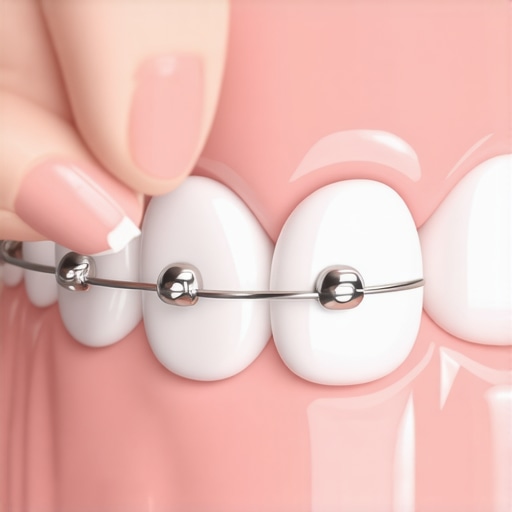
Adjust your diet and keep the hardware clean
Next, you have to adjust your behavior until the office opens. While you might be tempted to poke at the loose piece with your tongue—trust me, I’ve done it until my tongue was sore—every movement risks further weakening the bond on adjacent teeth. Think of your braces as a carefully constructed bridge; if one support beam is loose, you do not want to put extra weight on the rest of the structure. This is a great time to stick to the best snacks for kids that don’t lead to instant cavities, which are usually soft and require minimal chewing effort. Avoid anything crunchy, sticky, or chewy that could catch the loose bracket and pull the wire out of the remaining stable brackets. Lastly, do not let your hygiene slide just because things feel fragile. You still need to maintain the best way to clean teeth with permanent metal braces to prevent plaque buildup around the loose site. If you’ve had to deal with family dentistry issues before, you know that keeping a clean environment prevents secondary infections or gum irritation that can make the eventual repair more uncomfortable. Use a soft-bristled brush and very gentle circular motions, being careful not to snag the loose component further.
The hidden danger of the floating bracket
While most people assume a loose bracket is just a minor annoyance that pauses their progress, there is a much more insidious issue at play: the hygiene trap. When a bracket detaches from the tooth surface but remains on the wire, it creates a microscopic gap where saliva, sugar, and bacteria congregate. This isn’t just a matter of ‘waiting until Monday.’ In my experience, patients who ignore a sliding bracket for more than a week often end up with demineralization—those permanent, chalky marks that haunt your smile later. This is often the real cause of white spots on your teeth after braces come off, and it happens much faster than you think. You might believe ‘no pain means no problem,’ but the silent accumulation of plaque behind that loose metal is your real enemy. If you cannot get it fixed immediately, you must be twice as diligent with your rinsing routine.
Does a loose bracket mean I will eventually need a dental crown?
It is a sophisticated question that many long-term patients ask, especially those who have experienced multiple bond failures on the same tooth. The short answer is no, but the long answer involves the health of your enamel. Repeatedly bonding and re-bonding a bracket to a tooth can slightly wear down the surface over years. If a bracket breaks and takes a chunk of enamel with it—or if decay sets in because the area wasn’t cleaned—you might find yourself understanding dental crowns when and why they are needed much sooner than expected. A study published in the Journal of Orofacial Orthopedics highlights that the integrity of the enamel-adhesive interface is crucial; repeated failures significantly increase the risk of surface damage. This is why professional repair is non-negotiable; your orthodontist needs to properly ‘prime’ the tooth to prevent future failures.
Why toughing it out ruins your enamel
One of the biggest ‘oops’ factors I see is the ‘warrior’ mentality. Some people think that if the wire is poking them, they should just build up a callus. This is a mistake. Chronic irritation doesn’t just cause a sore; it can lead to hyperkeratosis or long-term scarring in the mouth. Furthermore, if you are also dealing with other restorations, a shifting wire can put undue pressure on them. For instance, you might wonder the real reason your dental bridge feels loose, and sometimes the answer is simply that your orthodontic hardware is pulling things in the wrong direction during an ’emergency’ shift. 
Avoid the trap of DIY adjustments
Many patients think they are being helpful by using needle-nose pliers to ‘tighten’ things back up. This is a recipe for disaster. Orthodontic movement is based on light, constant pressure, not sudden force. When you mess with the tension yourself, you risk root resorption—a condition where the body literally starts absorbing the root of the tooth because it is being moved too violently. Instead of trying to be your own doctor, focus on stabilization. If you’re looking ahead at top cosmetic dentistry trends for 2025, you’ll see that the future is about precision and biological harmony, not brute force. Have you ever fallen into this trap of trying to fix your own dental work? Let me know in the comments. If your bracket is truly bothering you and wax isn’t enough, your best bet is a quick call to the office for a ‘squeeze-in’ appointment rather than a weekend at the hardware store bench.After my little popcorn incident, I realized my medicine cabinet was woefully unprepared for orthodontic life. I spent that entire weekend wishing I had more than just a random strip of old wax. Now, I keep a ‘Go-Bag’ in my car and my bathroom because let’s face it, life doesn’t stop just because a bracket decided to take a vacation. I personally recommend getting your hands on a high-quality dental mirror and some GUM Proxabrush interdental cleaners. These aren’t just for food; they are perfect for gently checking the status of a loose wire without using your dirty fingers. When you are focused on the best way to clean teeth with permanent metal braces, having the right lighting and a mirror that doesn’t fog up makes all the difference. I also suggest keeping a small, clean container—even a contact lens case works—to store any hardware that might fall off. This ensures your orthodontist can see exactly what failed and why.
How do I maintain my smile’s progress over time?
Consistency is the boring but true answer. It’s not just about the big appointments; it’s about the nightly ritual of checking your hardware and ensuring your gums aren’t inflamed. A healthy foundation is the family dentistry guide secret to making sure your cosmetic results actually last. If you are dealing with more complex hardware, like a bridge, you must learn the best way to clean under a dental bridge to prevent smells and bacteria buildup, as this can affect the neighboring teeth that support your braces. 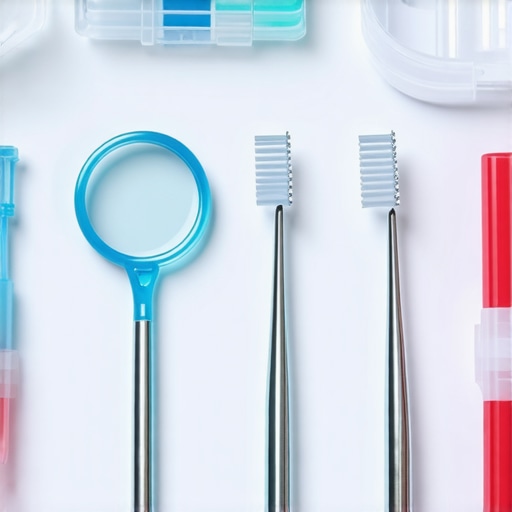
Why a high-tech scan beats the old-school mold
If your bracket keeps failing or if you’re nearing the end of your treatment, your dentist might suggest a digital scan. I used to hate those goopy trays that made me gag, but modern technology has changed the game. This is why your dental implant specialist needs a high-tech scan and why your orthodontist probably uses one too—it provides a 3D map that is infinitely more accurate than a plaster cast. According to Dr. Harold Heymann in the textbook The Art and Science of Operative Dentistry, the precision of the bond depends heavily on the surface preparation and the fit of the appliance. A digital scan ensures that when they put that bracket back on, it fits the contour of your tooth perfectly. If you are ever offered a choice between a traditional mold and a digital scan, take the scan every single time.
The tech that will change your next dental visit
Looking ahead at top cosmetic dentistry trends for 2025, I predict we will see the rise of bioactive adhesives. Imagine a glue that doesn’t just hold your bracket in place but actually releases fluoride and minerals to strengthen the enamel underneath it while you wear it. This would effectively eliminate the risk of white spots and make dental crowns explained as a backup plan a thing of the past. For now, my best advanced tip is to use a warm salt-water rinse twice a day if a bracket feels loose. It keeps the gum tissue firm and reduces the ‘cushy’ swelling that makes it hard for the orthodontist to re-bond the metal. Go check your kit right now—do you have enough wax for a full weekend? If not, make that your priority today.
Hard Truths I Discovered While Staring at My Bathroom Mirror
Over the years, I’ve realized that a loose bracket isn’t just a mechanical failure; it is a test of patience. One ‘lightbulb moment’ for me was realizing that the silence of a loose bracket is actually the most dangerous part. If it doesn’t hurt, you forget about it, but that is exactly when the real cause of white spots on your teeth after braces come off starts to take hold due to trapped bacteria. I also learned that your tongue is your own worst enemy in these moments. The constant poking and prodding doesn’t just irritate your mouth; it can actually bend the archwire, making the eventual repair more complex. Finally, remember that your orthodontic team has seen it all. Whether it was a piece of crusty bread or a sports mishap, being upfront about how it happened helps them provide better family dentistry guide advice for your specific needs.
The Items I Never Leave Home Without Anymore
If you want to be truly prepared, I recommend building a small ‘ortho-kit.’ My personal toolkit always includes silicone-based wax because it’s much more resilient than the standard clear wax. I also swear by a small, LED-lit dental mirror—it is the only way to accurately check for a broken orthodontic wire in the back of your mouth. For those times when the bracket has already caused a small cut, I trust saltwater rinses and peroxide-based mouthwashes to keep the area clean and pain-free. These tools don’t just fix a problem; they give you the peace of mind to enjoy your day without fear. #IMAGE_PLACE_HOLDER_E#
Your Journey to a Perfect Smile Continues
At the end of the day, a loose bracket is just a tiny bump on the road to your dream smile. It doesn’t define your progress or mean you’ve failed at your routine. Stay focused on the best way to clean teeth with permanent metal braces while you wait for your appointment. Before you know it, you’ll be looking back at these minor emergencies as you explore top cosmetic dentistry trends for 2025 with a brand-new, confident grin. Have you ever had a bracket pop off at the absolute worst time imaginable? Let me know your survival stories in the comments below!