I was leaning in way too close to my bathroom mirror last Tuesday, squinting until my eyes watered under the harsh LED light. There it was—a tiny, chalky white speck on my front tooth that definitely wasn’t there when I brushed this morning. My heart sank. I’ve spent years following a solid family dentistry guide, so seeing a new mark felt like a personal failure. Was it a cavity? Was I looking at an expensive dental crown in my near future? Or maybe I just brushed too hard and took off a layer of enamel? The reason we care so much about these spots isn’t just vanity—it’s about the health of the structure underneath. Enamel is the hardest substance in your body, but even it has breaking points. When I first started paying attention to my oral health, I assumed white meant clean. Boy, was I wrong. Those spots are a signal. They are your teeth shouting for a little extra attention before things get painful.
Stop Panic-Brushing and Look Closer at That Spot
We’ve all been there. You spot a discoloration and immediately start calculating the cost of cosmetic dentistry or wondering if you’ll need to revamp your smile entirely. But here’s the thing: not every white spot is a dental emergency. Sometimes it’s just a surface stain or a leftover from your childhood. I remember once dragging my youngest to the clinic because of similar marks, only to learn why your child’s teeth have white spots after a fever. It’s easy to get ahead of yourself. Today, I’m going to help you decode what your teeth are trying to tell you so you don’t spend the night spiraling on some forum. Have you ever found a mysterious mark on your tooth and immediately feared the worst?
Could this just be a harmless cosmetic quirk?
You might be thinking, “Is it really possible to tell the difference at home without a fancy x-ray machine?” Skepticism is healthy. I used to think any change in color meant the drill was coming out, and I’d be looking at silver fillings vs composite options within the hour. But knowledge is power. According to the American Dental Association, these spots are often “white spot lesions,” which are essentially early demineralization. This is a crucial distinction. A stain is just on the outside, like a scuff on a shoe. A white spot lesion is a change in the shoe’s leather itself. If you catch it at this stage, you might actually be able to remineralize the area before it becomes a full-blown hole. I made the mistake of ignoring a spot years ago, thinking it was just a stain from my morning tea, only to end up needing a full restoration. I want to save you that headache and help you spot the difference before your next check-up.To get a real answer, you need to perform what I call the ‘Gravel Test.’ Think about how a pebble looks when it’s underwater—it’s shiny and its colors are deep. Once you pull it out and let it dry, the surface becomes dull and chalky. Your teeth work the same way. Grab a clean tissue and dry that specific tooth completely. If the white spot disappears when wet but jumps out the second it’s dry, you’re likely looking at the very early stages of demineralization. This is essentially your enamel losing its ‘battery charge’ of minerals. If the spot is visible even when the tooth is soaked in saliva, it might be something that happened while the tooth was still forming, like fluorosis, or a sign that you need to look into cosmetic dentistry innovations to watch to even out the tone. #IMAGE_PLACE_HOLDER_B#
Dry the Surface to Reveal the Truth
When I first tried this on my own teeth, I was shocked at how many little marks appeared that were invisible when I was just looking at a ‘wet’ smile in the mirror. Drying the enamel removes the refractive quality of saliva, letting you see the actual density of the tooth. If you see a chalky, opaque area, that’s where the minerals have leached out. This is a critical diagnostic step because it tells you if the problem is on the surface or deep within the tooth structure. If you’re a parent, this is also the best way to monitor essential family dentistry tips at home, catching issues before they require a drill.
Test the Texture for Soft Spots
This is the part where you have to be gentle but firm. I remember doing this after a particularly stressful month of drinking way too many energy drinks—I realized why sugar free soda still ruins your enamel the hard way. Take a clean dental pick or even just the edge of a fingernail and lightly run it over the spot. Does it feel smooth and hard like the rest of the tooth, or is it slightly ‘tacky’ or soft? If it’s soft, stop right there. That isn’t just a spot; it’s an active lesion. This is the stage where the structure is failing, and if you don’t act, you’ll be reading up on dental crowns explained as a way to save the tooth. A hard spot is usually stable, but a soft spot is a biological red alert.
Spot the Tacky Warning Signs Early
A ‘tacky’ feeling is like touching a piece of gum that’s been sitting in the sun—it’s the first sign that the calcium lattice of your tooth is collapsing. When I felt that slight catch on my canine tooth last year, I panicked. I immediately looked into silver fillings vs composite because I thought it was over. But catching it when it’s just ‘tacky’ and not a full hole means you still have a chance to harden it back up.
Mineralize the Enamel with Targeted Care
Once you’ve identified that the spot is a mineral deficiency and not a structural hole yet, you have a window of opportunity. Think of your enamel like a sponge that has dried out; it wants to soak things back up. This is where the truth about fluoride treatments for adults with thin enamel becomes your best friend. I started using a high-mineral paste every night, rubbing it directly onto the spot and letting it sit. I was messy with it at first, getting paste all over my lips and pillowcases, but within three months, that chalky glare started to fade back into a translucent pearl. It’s about consistency. If the damage is too far gone, you might eventually need to compare dental crowns vs other restorations to protect the pulp.
Watch for Dangerous Color Changes
While you are remineralizing, keep an eye on the shade. A white spot that turns slightly more translucent is a victory. A white spot that turns brown or grey is a sign that bacteria have moved in and started to rot the dentin underneath. At that point, the role of family dentistry in ensuring oral health for all ages shifts from prevention to restoration. My dentist once told me that a white spot is a yellow light—it’s telling you to slow down and check your surroundings before the light turns red and the drill comes out.We often hear that fluoride is the ultimate shield, but there’s a nuance most people miss: dental fluorosis. If you see white spots that haven’t changed since childhood, you aren’t looking at a ‘pre-cavity’; you’re looking at a tooth that actually had too much fluoride during development. This is why a family dentistry guide often emphasizes age-appropriate mineral intake. A study published in the Journal of Clinical Dentistry highlights that while white spot lesions are frequently early demineralization, developmental disturbances are structurally different. Treating a fluorosis spot as a regular cavity is a major ‘oops’ factor; it won’t respond to the same pastes and might actually require you to revamp your smile with veneers or bonding if the look bothers you.
Watch for the hidden shadow at the gum line
Many patients believe that once a tooth is capped, it’s invincible. That mindset is a dangerous trap. I’ve seen countless people ignore a faint, dark line where their tooth meets the gum, assuming it’s just ‘aging.’ In reality, that shadow often indicates why your gums look dark around an old metal-fused crown, which can be a sign of a retreating gum line or, worse, a failing seal. If the seal is compromised, bacteria crawl underneath the porcelain and rot the natural tooth structure while you’re completely unaware. This is exactly understanding dental crowns when and why they are needed becomes vital for long-term maintenance, not just the initial fix. #IMAGE_PLACE_HOLDER_C#
How can you tell if your dental crown is secretly leaking?
The most sophisticated ‘trap’ is the slow-leaking margin. Unlike a sudden break, a leak is silent. You might notice the real reason your crown feels loose when you chew gum is actually because the cement has washed away, leaving a hollow space. Beyond just a loose feeling, pay attention to a persistent ‘old’ taste in that area or sensitivity to cold that lingers. If you catch it early, you might just need a reseal; if you wait, you’re looking at a full replacement. For those considering a transform your look with expert cosmetic dentistry solutions, always ask your provider about the ‘marginal integrity’ of your restorations. Have you ever fallen into this trap where you thought a crown was a ‘forever’ fix? Let me know in the comments.If you’re nodding along, you’ve probably realized that a crown isn’t a ‘get out of jail free’ card. To keep my own dental work in top shape, I’ve moved past the basic drugstore floss. I personally swear by the Waterpik Aquarius because manual floss often glides right over the ‘lip’ of a crown without actually cleaning the microscopic gap where the porcelain meets your natural tooth. If you don’t clear that biofilm, you’ll eventually be searching for how to tell if your crown is leaking and trapping bacteria. The water pressure gets into the sulcus—that little pocket of gum—in a way that a string simply can’t. I also keep a set of GUM Proxabrush interdental cleaners in my car. They look like tiny Christmas tree brushes, and they are the gold standard for mechanical plaque removal around bridges and wide gaps. These essential family dentistry tips aren’t just for kids; they are the literal foundation for protecting a multi-thousand dollar investment in your mouth.
Stop relying on basic string floss for your crowns
Most people brush the front of their teeth and call it a day, but the backside—the lingual surface—is where the real trouble starts. For my dental work, I use an electric brush with a pressure sensor. If you press too hard, you risk gum recession, which is the death knell for any cosmetic work. A study in the Journal of Oral Rehabilitation highlights that the longevity of ceramic restorations is heavily dependent on the health of the surrounding periodontium. If your gums recede even a millimeter, you expose the vulnerable edge of the crown to acid and bacteria.
How do I keep my dental work from failing after five years?
It comes down to managing the ‘marginal seal’ with high-mineral topicals. I use a high-concentration fluoride gel—not just a standard toothpaste—specifically around the base of my dental work before bed. It strengthens the natural tooth structure that the crown is sitting on. This is the secret to making your dental bonding last more than five years as well. 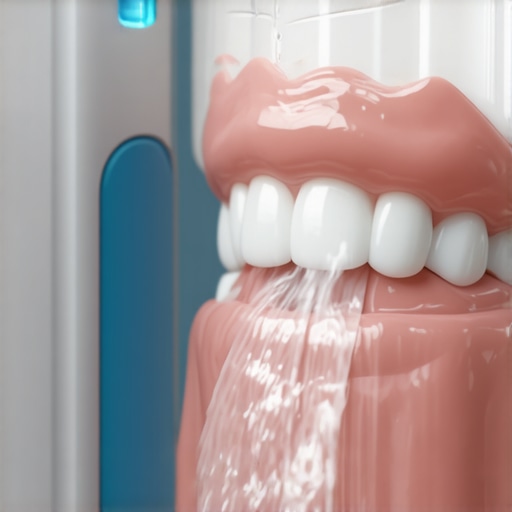
Why AI and 3D printing will change your next check-up
Looking ahead, I predict that within the next five to ten years, the way we maintain dental crowns explained in today’s blogs will shift entirely toward AI-integrated home scanners. Imagine a toothbrush that pings your phone when it detects a change in the light-refraction of your enamel—catching a ‘leak’ before a human eye ever could. We are already seeing some of these cosmetic dentistry innovations to watch hit the market in the form of high-end electric brushes that map your mouth in 3D. My biggest advice? Don’t wait for the technology to catch up to your negligence. Start the ‘nightly mineral soak’ tonight: apply a pea-sized amount of remineralizing paste to your finger, rub it directly onto your crown margins, and don’t rinse it off. It’s the cheapest insurance policy you’ll ever buy. If you’re worried about the long-term costs of upkeep, you’re not alone—many people find the real reason your dental insurance won’t cover a replacement crown is simply because the original wasn’t maintained properly at home.
What Experts Won’t Tell You About Keeping That ‘Forever’ Smile
Over the years, I’ve realized that the biggest enemy of oral health isn’t just sugar—it’s complacency. Here are the lightbulb moments that changed how I approach my teeth:
- Crowns aren’t indestructible: People often think a restoration means they can stop worrying about that tooth. In reality, the margin where the crown meets your natural tooth is the most vulnerable spot in your entire mouth.
- Acid is the silent killer: Even if you switch to sugar-free drinks, the pH levels can still leach minerals. This is why building a lifetime of healthy smiles requires monitoring what you sip just as much as what you eat.
- White spots are a gift: They are the only time your body gives you a ‘preview’ of a cavity before it actually becomes a hole. If you treat it like a biological red alert, you can save thousands in future work.
- The insurance trap: Don’t assume your policy has your back for replacements. Understanding why dental insurance might not cover a new crown helps you realize that daily maintenance is your only real safety net.
The Dental Gear I Actually Use to Avoid the Drill
I’ve tested dozens of products, but these are the few that actually earned a permanent spot on my bathroom counter. If you want to keep your enamel intact, these are the heavy hitters:
First, I never skip using a high-mineralizing paste. Unlike standard toothpaste, these are designed to sit on the tooth and feed the enamel the calcium and phosphate it craves. Second, I’ve swapped basic string for interdental brushes. They are far more effective at scrubbing the plaque off those tricky crown margins. If you are a parent, incorporating these into child-friendly dental care early on sets the foundation for a life without constant fillings. Finally, always have a dedicated way to monitor for leaks. Learning how to tell if your crown is trapping bacteria is a skill every patient with restorative work should master. #IMAGE_PLACEHOLDER_E#
The Future of Your Smile Starts Tonight
It’s easy to feel overwhelmed by the thought of dental work failing or new spots appearing. But remember, your teeth are living structures that respond to how you treat them every single day. Whether you are trying to extend the life of your dental bonding or just want to keep your natural enamel strong, consistency is your best friend. Take ten minutes tonight to really look at your smile, dry the surface, and check for those subtle changes. Your future self (and your wallet) will thank you. Have you ever noticed a change in your dental work that turned out to be a warning sign? Let me know in the comments below!