I’ll never forget the day I decided to stop smiling with my lips closed. It was my sister’s wedding, and in every single photo, I looked like I was hiding a deep, dark secret. That secret? A tiny, pesky gap right between my two front teeth. I spent years thinking my only option was two years of painful metal wires and brackets. I even made the cringeworthy mistake of trying ‘DIY gap bands’ I found on a sketchy forum once. Let me tell you, that was a disaster. It didn’t just fail to move my teeth; it made my gums bleed and left me terrified I’d lose a tooth. If you are currently staring at a small space in your mirror and wondering if you are stuck with it forever, I have some great news. You can get that perfect look without the ‘metal mouth’ phase. Today, I am going to walk you through the exact methods I discovered to close that gap using cosmetic dentistry innovations that are faster, cheaper, and way less invasive than traditional orthodontics.
[image placeholder]
Stop Hiding Your Smile Behind Your Hand
We often think of gaps as just a ‘look’ thing, but they can be magnets for food particles and plaque. In my case, it was purely about the confidence. I wanted to be able to laugh out loud without reflexively covering my mouth. I eventually realized that finding a reliable family dentistry guide shouldn’t just be about filling cavities; it should be about feeling good when you show your teeth to the world. The reality is that a small diastema (that’s the fancy word for the gap) doesn’t always require a multi-year commitment to a
dentist
. Sometimes, the fix is much simpler. Have you ever caught yourself practicing a ‘half-smile’ in the mirror just to hide a gap? I’d love to hear your story in the comments.
Is fixing a gap without braces actually permanent?
This is the biggest hurdle for most people. We’ve been conditioned to think that if it’s not metal, it’s not real. But that’s just not true anymore. While your teeth are naturally prone to shifting over decades, modern solutions like bonding or veneers are designed to be incredibly long-lasting. According to the American Academy of Cosmetic Dentistry, dental bonding is one of the most common and durable ways to change the shape of a tooth, often lasting up to a decade with the right care. It is a legitimate clinical solution, not a ‘quick fix’ that’s going to pop off while you’re eating an apple.
The Invisible Fixes That Actually Work
When I finally sat down to look at expert cosmetic dentistry solutions, I was shocked at how much the technology had changed. We aren’t just stuck with one-size-fits-all options anymore. From composite resins that mimic your natural enamel to thin porcelain shells that create a brand-new surface, the options for 2025 are impressive. If you want to revamp your smile, you need to understand that localized issues like a single gap are actually the easiest things for a professional to tackle. Here is how we get it done without the wires.
Close Gaps Instantly with Composite Bonding
Think of dental bonding like a master sculptor working on a tiny marble statue. Instead of moving the teeth with wires, the dentist adds a small amount of tooth-colored composite resin to the sides of the teeth flanking the gap. This material is basically a high-tech plastic that mimics the way light bounces off your natural enamel. It is the go-to move for anyone who wants a fix during their lunch break. I remember sitting in the chair, gripping the armrests, and being amazed that there was no drill involved. My dentist just roughened the surface slightly—kind of like using a nail file—applied a liquid that acts like glue, and then started ‘painting’ on the resin. 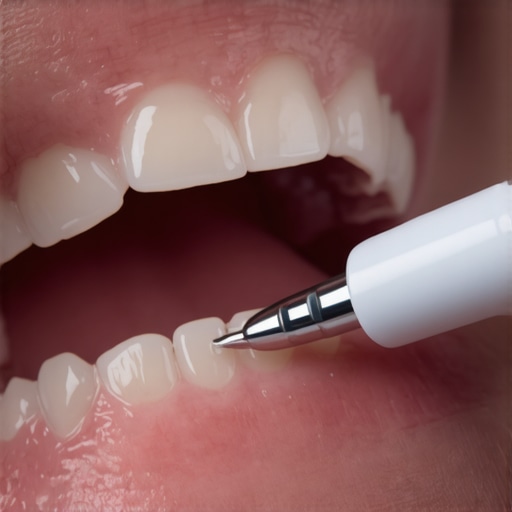 The trickiest part for me was the blue light. You have to sit perfectly still while they cure the material. If the resin isn’t cured properly, you might end up wondering why your fillings are sensitive to cold months later. But when done right, it’s seamless. I walked out thirty minutes later and ate a sandwich. That is the magic of modern family dentistry; it is efficient and patient-focused.
How long will the bonding actually stay put?
If you take care of it, bonding can last five to seven years. It is important to know the truth about the lifespan of composite vs porcelain veneers before you choose, because bonding is more prone to staining if you’re a heavy coffee drinker.
Step Up Your Game with Custom Porcelain Veneers
If your gap is a bit wider or if your teeth are also slightly crooked or discolored, veneers are the heavy hitters. Instead of just adding material to the sides, a veneer is a wafer-thin shell of porcelain that covers the entire front of the tooth. It’s like putting a high-quality screen protector on your phone, except it’s permanent and looks like a Hollywood smile. When I was researching this, I was worried about ending up with ‘horse teeth.’ This usually happens when the lab doesn’t get the dimensions right, which is why your porcelain veneers might look bulky or unnatural in some cases. The process for veneers usually takes two visits. On the first visit, the dentist removes a tiny sliver of enamel—about the thickness of a contact lens. This ensures the porcelain doesn’t stick out too far. If you’ve ever had a temporary crown while waiting for the permanent one, you know how to stop a temporary crown from popping off during dinner is a skill in itself! But once that permanent porcelain is bonded on, it is incredibly strong and stain-resistant.
Sometimes You Need the Full Coverage of a Dental Crown
Most people think of dental crowns explained as a solution for cavities, but they are also incredible for closing gaps if the tooth itself is weak or has a large old filling. A crown is like a protective helmet that goes over the entire tooth. If you have a gap caused by a tooth that is significantly smaller than its neighbors, understanding dental crowns becomes vital. They provide 360-degree support and can be shaped to perfectly close any space. While it requires more ‘prep’ work than bonding, the result is the most durable option available in expert cosmetic dentistry solutions today. It’s a great way to fix a gap while also reinforcing a tooth that might otherwise crack under pressure.
The Hidden Reason Your Gap Fix Might Fail
Most people think that once the gap is closed, the journey is over. However, here is a contrarian view: the gap itself is often just a symptom, not the root problem. In many cases, a ‘hyperactive’ labial frenum—that small piece of tissue connecting your upper lip to your gums—is the culprit. If this tissue is too thick, it acts like a wedge, physically pushing your teeth apart. If you just apply bonding or a veneer without addressing the frenum, that gap will literally fight to reappear, potentially causing your new expertly designed smile to shift or crack under the pressure. I’ve seen people spend thousands on aesthetics only to have their biology push back. Have you ever had a dental fix that seemed to ‘move’ over time? I’d love to hear about it in the comments below.
Why Your Bite Is the Real Boss of Your Smile
When you are deciding between dental crowns vs other restorations, you have to look at your ‘occlusion’ or how your teeth meet. If a dentist simply widens your two front teeth to close a gap without checking how they hit your bottom teeth, you are headed for a disaster. This is the ‘Oops’ factor most people overlook. If the newly widened teeth take on too much force when you chew, the bonding will chip or the veneer will de-bond. A study published in the International Journal of Dentistry highlights that ‘occlusal harmony’ is the single most important factor in the long-term success of diastema closures. If your dentist doesn’t spend time checking your bite with that thin blue articulating paper, that’s a major red flag. 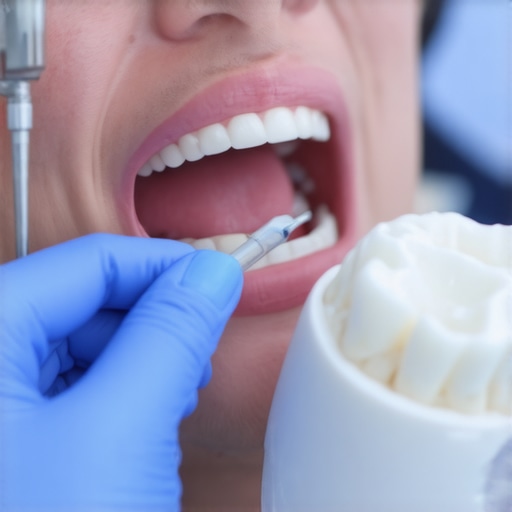
Does closing a gap too quickly cause speech problems?
This is a sophisticated concern that many people don’t realize until they leave the office. Your tongue relies on the specific placement of your teeth to create ‘f’ and ‘s’ sounds. By closing a gap, you are changing the ‘airway’ through which you speak. If the restoration is too thick, you might end up with a slight lisp. This is why choosing a professional who understands expert cosmetic dentistry solutions is vital; they don’t just look at the gap, they look at the ‘phonetics’ of your mouth.
Don’t Ignore the Aging Factor
Another nuance people miss is that our teeth naturally drift forward as we age. This is why you might see bottom teeth suddenly crowding in your thirties. If you close a gap in your twenties but don’t use a night guard or a lingual retainer, that gap can turn into a ‘crowd’ elsewhere. Finally, keep an eye on the health of your restoration. For instance, if you chose a crown, you need to know how to tell if your dental crown is leaking bacteria or why your porcelain crown has a dark line at the gum line. These aren’t just cosmetic issues; they are signs that the seal is failing. Fixing a gap is an investment in your confidence, but maintaining it requires an understanding of the biology beneath the surface.
Stop Treating Your New Smile Like Your Old One
After the numbing wears off and you see that gap finally gone, the real work starts. I learned the hard way that you can’t just go back to your old habits. If you’ve invested in expert cosmetic dentistry solutions, you have to be intentional about the mechanical forces you put on your teeth. I used to be a chronic ice-chewer, a habit that is essentially a death sentence for composite resin. Now, I treat my front teeth like fine china. It’s not about being afraid to eat; it’s about understanding that even the strongest dental crowns explained as permanent are still subject to wear and tear.
The Daily Tools That Actually Save Your Investment
I don’t just use any old toothbrush. I switched to the Philips Sonicare ProtectiveClean 6100 because of the pressure sensor. When you have bonding or veneers, scrubbing too hard can actually lead to gum recession, which exposes the margins of your work. For the spaces between, I swore off traditional string floss for my bonded areas and moved to a Waterpik Aquarius. The pulsed water reaches the gingival sulcus—the little pocket between your tooth and gum—much more effectively than my clumsy hands ever could. If you have a permanent lingual retainer to keep your gap from reopening, you need to master the secret to cleaning your teeth while wearing a retainer so plaque doesn’t calcify against the wire. 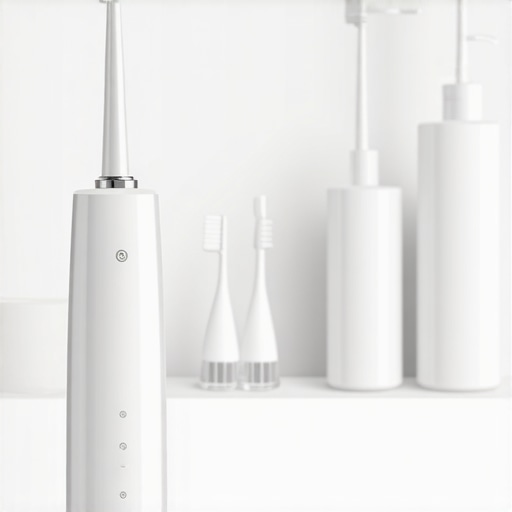
How do I maintain my dental bonding and crowns over time?
Consistency is more important than intensity. Beyond daily irrigation, the gold standard is a custom-fitted occlusal guard. Even if you don’t think you grind your teeth, the stress of modern life usually manifests as ‘micro-clenching’ at night. This pressure is the real reason your porcelain crown keeps chipping or why your bonding looks dull after just a year. If you use one, make sure you know the best way to clean a night guard to prevent odors, or you’ll find yourself leaving it in the drawer instead of in your mouth. According to a technical report by the Journal of Esthetic and Restorative Dentistry, the use of a night guard can increase the clinical lifespan of ceramic restorations by up to 40% by distributing biting forces evenly.
Prepare for the Age of 3D-Printed Smiles
Looking ahead, the days of waiting two weeks for a lab to send back a crown or a veneer are numbered. We are moving toward ‘chairside’ 3D printing and milling where a
dentist
can scan your mouth and produce a final, permanent restoration in under an hour. This isn’t just about speed; it’s about accuracy. Digital scans eliminate the ‘goop’ impressions that often lead to tiny misfits, reducing the chance that you’ll have to worry about how to tell if your dental crown is leaking bacteria later on. My advanced tip for you today: Ask your provider if they use a digital scanner (like an iTero or CEREC) for your next check-up. The precision of a digital baseline makes it much easier to track if your teeth are shifting or wearing down over time.
What I Learned About My Smile Only After the Gap Was Gone
Walking away from that first appointment with a closed gap was surreal, but the months that followed taught me lessons no pamphlet ever mentions. First, the psychology of a smile is a powerful thing; I stopped tilting my head down in conversations almost instantly. Second, you have to be vigilant about the ‘wedge’—if you have a thick frenum, talk to your provider about a minor adjustment so your teeth don’t try to drift back. Finally, I realized that choosing a reliable family dentistry guide is about finding a partner who values your aesthetic goals as much as your clinical hygiene. [image placeholder]
The Tools That Actually Keep My Smile Intact
To keep my investment looking brand new, I moved away from generic pharmacy products and built a specific routine. I highly recommend the Philips Sonicare ProtectiveClean 6100 because its pressure sensor prevents you from accidentally scrubbing away the fine margins of your dental bonding. For deep cleaning, the Waterpik Aquarius is a lifesaver, especially if you have to master the secret to cleaning your teeth while wearing a retainer to keep that gap closed permanently. Lastly, never skip a night with a custom-fitted occlusal guard; it prevents the nocturnal grinding that is often the real reason your porcelain crown keeps chipping or your resin bonding looks dull. If you use one, remember to learn the best way to clean a night guard to prevent odors so you actually wear it every night.
Your New Confidence is Just One Appointment Away
The journey to a gap-free smile doesn’t have to involve years of metal brackets and discomfort. Whether you choose the instant gratification of composite bonding or the high-end finish of porcelain veneers, the modern era of expert cosmetic dentistry solutions makes it easier than ever to feel proud of your reflection. Don’t let a small space between your teeth hold back your personality or your career any longer. You deserve to laugh without reservation. Have you ever considered a quick cosmetic fix for a gap, or does the idea of ‘permanent’ dental work make you nervous? Let me know your thoughts in the comments below!