I’ll never forget the sickening ‘clink’ of a tooth-colored shard hitting my dinner plate. I was mid-conversation, enjoying a steak, when my four-year-old filling decided it had seen enough of this world. I felt betrayed. I’d specifically asked for these because the way silver fillings make teeth look gray was a major hit to my confidence. But there I was, with a hole in my molar and a lot of questions. If you’ve ever wondered why your dentist is recommending a replacement so soon, or if you’re currently dealing with the fact that your fillings are sensitive to cold months later, you aren’t alone. We’re going to dig into the gritty reality of composite lifespan today. [IMAGE_PLACEHOLDER]
Why Your Tooth-Colored Fillings Might Not Be the Lifetime Fix You Expected
Composite resin is essentially a high-tech plastic mixed with glass. It’s beautiful, sure, but it isn’t invincible. Early in my journey with expert cosmetic dentistry solutions, I made the classic mistake of assuming I could treat these restorations like iron. I drank boiling coffee, crunched on ice, and skipped flossing more than I’d like to admit. I learned the hard way that these materials expand and contract differently than your natural tooth.
Are composite fillings actually worth the hype?
It’s the question everyone asks when they see the bill. The short answer is yes, but only if you have realistic expectations. According to research highlighted by the Journal of Dental Research, composite restorations in posterior teeth have an annual failure rate of approximately 1% to 3%, often due to the stresses of everyday chewing and secondary decay. They look far better than the alternatives listed in cosmetic dentistry trends for 2025, but they require a level of ‘dental respect’ that many of us (myself included!) often forget to give. Have you ever had a filling pop out at the worst possible moment? It’s a literal pain, and I want to help you avoid my mistakes. We’re about to look at the factors that actually dictate whether your smile stays intact for five years or fifteen.
Stop Treating Your Fillings Like Bulletproof Armor
To keep that composite resin intact, you have to stop thinking of it as a permanent weld and start viewing it like a high-performance glass-and-plastic seal. Think of your tooth as a house and the filling as the weather-stripping around the windows. If the house shifts or the storm is too violent, the stripping peels. I learned this the hard way during a particularly stressful month when I began clenching my teeth at night. I didn’t realize that my molar fillings were taking the brunt of that pressure until I noticed why your new filling feels sensitive to pressure weeks later. The repeated micro-trauma from grinding can actually cause the bond between the resin and your enamel to fail prematurely. If you suspect you’re a night-grinder, it’s worth investigating why your jaw aches every time you wake up in the morning to protect your investment. 
Keep Your Margins Clean to Prevent Secret Decay
The biggest enemy of a composite restoration isn’t a hard nut or a piece of ice; it’s a microscopic leak. Because composite doesn’t naturally contain fluoride like some glass ionomers, the edges or margins where the tooth meets the filling are prime real estate for bacteria. I once skipped flossing my back molars for just a few weeks because I was too tired. When I finally went in for a checkup, my dentist showed me a shadow on the X-ray right at the edge of my composite. It was a secondary cavity. This is where the role of family dentistry in ensuring oral health for all ages becomes critical—regular cleanings allow a professional to catch these leaks before they turn into a full-blown root canal. If you have kids, teaching them the easiest way to get your child to start flossing early on saves their future restorations from the same fate.
Swap Out Old Resin for More Durable Options
Sometimes, even the best care isn’t enough if the cavity was too large to begin with. There’s a limit to how much gap a composite can fill before it becomes structurally unsound. I remember a specific time I kept patching the same large hole in a molar. Every year, it would chip because the material just couldn’t handle the load. We finally discussed understanding dental crowns when and why they are needed. A crown acts like a helmet for your tooth, protecting the remaining structure from splitting. While we often focus on the truth about the lifespan of composite vs porcelain veneers for aesthetics, for back teeth, the choice is usually between a small filling or a full-coverage crown. If you’re constantly dealing with repairs, you might need to know how to tell if your dental crown is leaking bacteria so you can graduate from temporary fixes to long-term stability. Managing expectations is key; while composite is great for small to medium repairs, it simply cannot withstand the same biting forces as porcelain or gold over a decade of heavy use.
Managing expectations is key; while composite is great for small to medium repairs, it simply cannot withstand the same biting forces as porcelain or gold over a decade of heavy use. Here is what most people get wrong: they assume that a ‘conservative’ filling is always safer than a crown. In my experience, the opposite is often true. When a cavity takes up more than half the width of your tooth, a composite filling actually acts like a wedge. Every time you bite down, that wedge is driven deeper into the tooth, eventually causing microscopic fractures that compromise the entire structure.
The invisible trap of the Mega-Filling
Most patients push for a filling because they want to preserve as much natural tooth structure as possible. I get it. But there is a tipping point where ‘saving’ the tooth with resin actually destroys it. I’ve seen countless cases where a patient insisted on a large filling, only to return months later because their jaw is sore after a filling replacement, eventually leading to a vertical root fracture that requires an extraction. According to a study in the Journal of Adhesive Dentistry, the polymerization shrinkage of large resin volumes can create significant internal stress on the remaining enamel walls. This isn’t just about the filling falling out; it’s about the tooth literally cracking under the pressure of its own restoration. 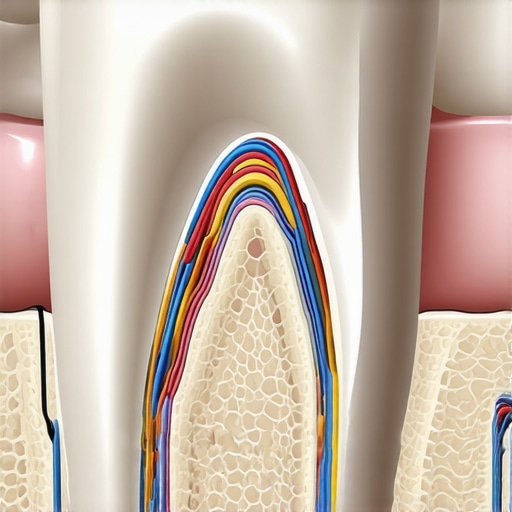
Wait, can a filling actually cause more harm than good?
Yes, if the material choice ignores the physics of your bite. Many people believe that once a tooth is filled, the problem is solved. However, the ‘oops’ factor here is ignoring the ‘modulus of elasticity.’ Composite is more flexible than natural tooth structure, while porcelain or gold is more rigid. If you put a flexible material in a high-stress area, it bows. That bowing breaks the seal, and suddenly you’re searching for how to tell if your dental crown has a hidden crack or why you have recurring sensitivity. This is why dental crowns vs other restorations which is right for you is such a vital conversation to have with your provider. It’s better to choose the ultimate solution for damaged teeth now than an expensive emergency later. The secret nuance that many don’t emphasize is the ‘C-Factor’—the configuration factor of a cavity. A high C-Factor means there’s more surface area for the resin to pull against as it hardens, which can lead to postoperative pain.
Why structural integrity beats aesthetics every single time
We live in an era of expert cosmetic dentistry solutions, but even the best cosmetic dentistry innovations to watch cannot override basic biomechanics. If you are constantly patching the same spot, you are playing a losing game. This applies to everyone in the family. For parents, following essential family dentistry tips means understanding that even baby teeth need the right kind of restoration to maintain space for adult teeth. If you’re tired of the cycle of repair and fail, it might be time to look at more durable options. Have you ever fallen into the trap of choosing a filling when you probably needed a crown? Let me know in the comments—I’d love to hear your story or answer any questions you have about your own dental journey. If you’re ready to stop the patchwork and start a real plan, don’t hesitate to contact us to see how we can help.
The specific gear I use to stop my dental work from failing
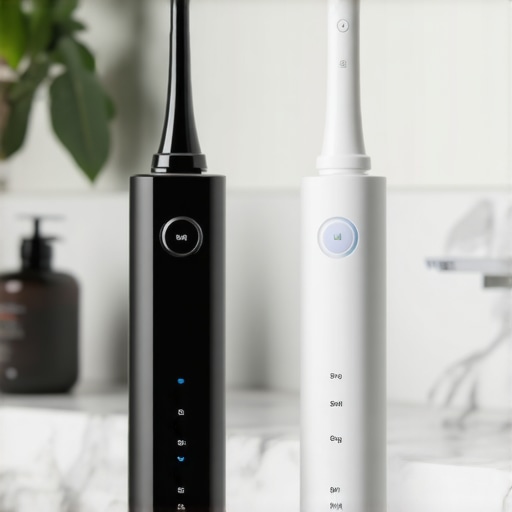
I’ve spent a small fortune on my teeth, and the last thing I want is to see another ‘clink’ on my dinner plate. To prevent that, I’ve moved beyond the basic toothbrush. I personally swear by a high-pressure water flosser. Why? Because when you have understanding dental crowns when and why they are needed, you realize the junction between the porcelain and your gum is a magnet for plaque. A water flosser at a medium-high setting blasts out debris that string floss often leaves behind. I also made the switch to a sonic electric toothbrush with a pressure sensor. I used to be a ‘scrubber,’ which is a nightmare for expert cosmetic dentistry solutions as it can actually cause gum recession, exposing the metal or ceramic edges of your restorations. The fluid dynamics created by sonic vibrations help flush the margins of the tooth far more effectively than manual movement.
How do I maintain my dental crowns over time?
Maintenance isn’t just about cleaning; it’s about structural protection. If you’ve ever wondered why your jaw aches every time you wake up in the morning, you’re likely a bruxer. I wear a custom-fabricated night guard every single night. I don’t use the ‘boil and bite’ ones from the drugstore because they can actually shift your bite and increase muscle activity. Instead, I use a laboratory-processed hard acrylic splint. A meta-analysis published in the Journal of Oral Rehabilitation confirms that these stabilization splints significantly reduce the mechanical stress on ceramic crowns and prevent the porcelain from fracturing under load. If you’re using one, make sure you know the best way to clean a night guard to prevent odors so you actually keep wearing it. Neglecting this one tool is the fastest way to join the club of people asking the real reason your porcelain crown keeps chipping.
3D printing will change how we handle family dentistry
Looking ahead, I predict that cosmetic dentistry trends for 2025 and beyond will move toward completely in-house, 3D-printed restorations. We are already seeing the beginning of this with chairside milling (CEREC), but 3D printing allows for even more intricate, biocompatible materials to be created in minutes rather than hours. This is a game-changer for the role of family dentistry in ensuring oral health for all ages. Imagine your child losing a tooth in a sports accident and having a perfect, permanent replacement ready before they even leave the office. For now, focus on essential family dentistry tips to build a foundation. My advice? Go buy a high-quality electric toothbrush with a pressure sensor today—it is the single best investment you can make. If you’re unsure which gear is right for your specific restorations, contact us for a personalized recommendation.
What I Learned the Hard Way About Saving a Dying Tooth
After years of trial and error with my own dental work, I’ve realized that the ‘cheapest’ option is often the most expensive one in the long run. When I pushed for a large composite filling instead of a crown, I wasn’t saving money; I was just delaying the inevitable while risking a root fracture. One lightbulb moment for me was realizing that the real reason your porcelain crown keeps chipping or your filling fails is often because the foundational support is gone.
Another big takeaway? Never ignore a ‘minor’ sensitivity. I used to think I could wait out a twinge, but learning how to tell if your crown needs to be replaced immediately saved me from an emergency extraction. Your teeth are dynamic, and staying ahead of the wear and tear is the only way to avoid the sickening ‘clink’ of a failed restoration on your dinner plate.
The Kit That Keeps My Smile From Cracking
Maintenance is where the real work happens. I trust a routine that goes beyond just brushing. First, a high-quality water flosser is non-negotiable for cleaning under bridges and around crowns where bacteria love to hide. Second, I strictly follow the truth about how often you should replace your toothbrush head because frayed bristles are essentially useless at cleaning the margins where secondary decay starts.
Lastly, if you’re a grinder like me, your night guard is your best friend. Keep it fresh by mastering the best way to clean a night guard to prevent odors. These tools aren’t just gadgets; they are the insurance policy for the work your dentist has done. [IMAGE_PLACEHOLDER]
Taking the First Step Toward a Lifetime Smile
It’s easy to feel overwhelmed by dental options, but remember that your smile is one of your most valuable assets. Whether you’re looking into expert cosmetic dentistry solutions or just trying to navigate a family dentistry guide building a lifetime of healthy smiles, the goal is always health and stability. Don’t be afraid to ask for a long-term plan instead of a quick fix.
I’m here to help you navigate these choices. If you’re ready to stop worrying about your teeth and start smiling with confidence, contact us today to discuss the best path forward for your oral health. Have you ever had a filling that lasted way longer (or shorter) than expected? Let me know in the comments below!