I remember standing in front of my bathroom mirror, rubbing my tongue across my front teeth and feeling that unmistakable ‘sweater’ texture. It was 7:30 AM, I had just finished a two-minute scrub with my expensive electric toothbrush, and yet, my mouth still felt… well, fuzzy. It is a special kind of frustration when you do everything right and still feel like you have been eating velvet for breakfast. I used to think the answer was just to brush harder, a mistake that eventually led me to ask how to tell if your gum recession is caused by brushing too hard. Today, I am going to show you why that furry sensation happens and how you can finally achieve that ‘dentist-clean’ feeling at home every single day. [IMAGE_PLACEHOLDER]
Stop Scrubbing Your Enamel Away and Focus on Biofilm
That fuzzy feeling is actually a thin layer of bacteria known as biofilm, or plaque. It is a sticky, living colony that starts reforming the second you finish your morning coffee. When your teeth feel furry immediately after brushing, it usually means the biofilm was not fully disrupted, merely flattened out. Earlier in my journey, I made the classic error of thinking my toothbrush was the only tool I needed, ignoring the fact that the role of family dentistry in ensuring oral health involves much more than just a quick scrub. According to the American Dental Association, plaque begins to mineralize into tartar in as little as 24 to 72 hours, making it impossible to remove with a standard brush. If you are noticing that your teeth also look a bit ‘see-through’ while feeling fuzzy, you might want to investigate why your teeth look more transparent at the edges lately, as this can be a sign of acid erosion making it easier for plaque to stick. Have you ever felt like no matter how much you brush, that ‘fuzz’ just won’t stay away? Let me know in the comments if you’ve been struggling with this too!
Is my toothbrush actually failing me?
It is easy to blame the tool, but usually, the culprit is technique or the environment in your mouth. If your mouth is too acidic or dry, plaque thrives. This is why why a prophy treatment is much more than just a simple tooth cleaning; it resets the environment that your daily routine tries to maintain. We are not just fighting food particles; we are managing a microscopic ecosystem.
Master the Mechanical Disruption Technique
To get rid of that persistent fuzz, you have to stop thinking of brushing as a wash and start seeing it as mechanical disruption. Imagine trying to get dried syrup off a countertop; a light splash of water does nothing, but a targeted scrub breaks the bond. Biofilm is that syrup. You need to angle your bristles at a 45-degree angle toward the gum line, where the majority of plaque hides. I spent years brushing at a flat 90-degree angle, which effectively polished the flat surfaces of my teeth while leaving a ‘ring of fuzz’ right at the base. If you use an electric brush, let the vibration do the work rather than scrubbing back and forth. This is especially vital for those with specialized hardware, and learning the best way to brush around a permanent retainer can prevent that localized buildup that feels like a constant layer of velvet against your tongue.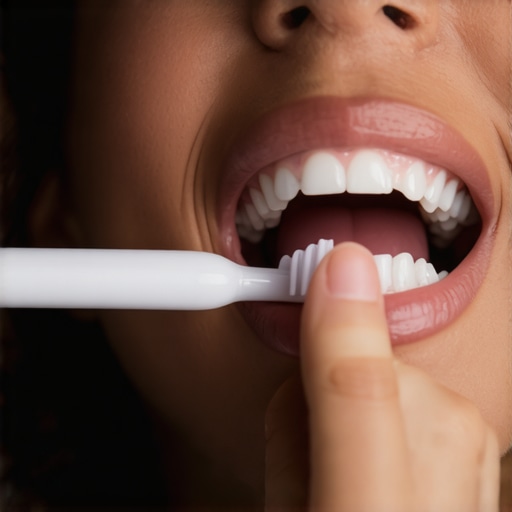
Clean the Hidden Gaps Where Bacteria Hide
The ‘fur’ you feel is rarely on the biting surfaces; it is tucked between the teeth where your brush cannot reach. This is where the ecosystem is most stable and destructive. When I first started focusing on interdental cleaning, I was shocked at how much smoother my entire mouth felt. It is not just about removing food; it is about breaking up the bacterial colony before it mineralizes. For parents, this is the most critical habit to instill early on, and following caring for your childs teeth essential family dentistry tips ensures they do not grow up with the same frustration of ‘permanent’ fuzz. Whether you use traditional floss, a water flosser, or interdental brushes, the goal is to sweep the sides of the teeth clean every single night.
Fix Your Saliva Flow to Protect Your Enamel
Saliva is your mouth’s natural defense mechanism, acting like a constant rinse cycle for your teeth. When your mouth is dry, the biofilm hardens into tartar much faster, making that fuzzy feeling feel like it is baked onto your teeth. A few months ago, I noticed my mouth felt like a desert every morning, and the fuzz was unbearable. I realized that my habits were creating an environment where bacteria could thrive without resistance. If you are struggling with this, you should investigate why your mouth feels dry no matter how much water you drink, as addressing the root cause—like mouth breathing or certain medications—can significantly reduce plaque buildup. Keeping the pH of your mouth neutral by rinsing with water after acidic meals also prevents the enamel from becoming porous and ‘sticky.’
Inspect Your Restorations for Hidden Buildup
Sometimes the fuzzy feeling is not your fault, but the fault of aging dental work. If a crown or filling has a microscopic gap, it becomes a magnet for bacteria that no brush can fully clear. I once had a molar that felt permanently dirty until my dentist discovered the seal had failed. If you have older work, it is important to know how to tell if your dental crown is leaking bacteria, as this can cause localized fuzziness and bad breath. Furthermore, keep an eye on the aesthetics of your dental work; for example, understanding why your porcelain crown has a dark line at the gum line can help you identify when a restoration is reaching the end of its lifespan and needs a professional refresh to maintain that smooth, healthy feel. Consistency in these checks is the heart of a family dentistry guide building a lifetime of healthy smiles, ensuring every member of the house stays fuzz-free.
Stop treating your dental crowns like a permanent suit of armor
One of the biggest myths I encounter is the ‘set it and forget it’ mentality once a tooth is capped. While dental crowns explained the ultimate solution for damaged teeth provide incredible protection, they are not invincible. People often think the porcelain cannot decay, which is true, but the natural tooth structure underneath is still vulnerable at the margin. If your hygiene slips, bacteria can sneak under that edge. A study in the Journal of Dentistry highlights that marginal leakage is the leading cause of secondary caries under restorations. It is a nuanced battle: you are protecting the crown-to-tooth interface, not just the porcelain surface. This is why checking for a ‘fuzzy’ feeling at the base of your crown is even more critical than on a natural tooth.
The hidden trap of choosing aesthetics over structural integrity
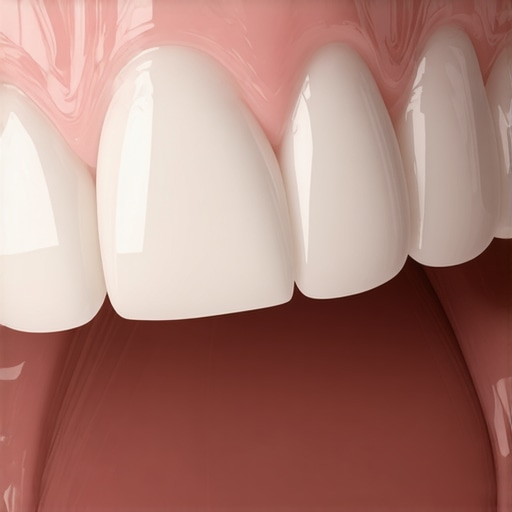
In the rush to achieve a perfect look, many patients fall into the trap of prioritizing color over function. This is especially common when people look for transform your look with expert cosmetic dentistry solutions without considering how their bite, or occlusion, interacts with new veneers or crowns. If a restoration is too thick or improperly angled, it can lead to chronic gum inflammation or even localized bone loss. This is exactly why your porcelain veneers might look bulky or unnatural if the provider does not account for the ‘biological width’—the specific millimetric space required between the restoration and the bone. Choosing a ‘bargain’ material often leads to premature failure because these materials lack the same wear-resistance as high-end ceramics like zirconia or lithium disilicate. I have seen countless patients return with chipped work because they focused on the initial price tag instead of the mechanical load their molars endure daily. Have you ever fallen into this trap of picking the prettiest option without asking about the durability? Let me know in the comments.
Does a ‘high’ crown always mean it needs a physical adjustment?
Sometimes, you might feel like your bite is off, but the issue isn’t the ceramic itself. If you’ve been wondering why your porcelain crown feels too high when you bite down, it could be due to inflammation in the periodontal ligament (PDL). When you are stressed or grinding your teeth, that tiny ligament can swell, slightly ‘elevating’ the tooth and making a perfectly fitted crown feel like a mountain. Advanced cosmetic work requires a balance between the nervous system and the ceramic. This level of detail is a hallmark of child friendly dental care the foundation of good oral health because establishing correct bite patterns early prevents these complex mechanical failures in adulthood. Even the truth about the lifespan of composite tooth colored fillings shows that longevity is tied directly to how well the material handles the pressure of your unique chew. Don’t just settle for ‘good enough’—ensure your dentist is checking your occlusion with more than just a piece of blue carbon paper; they should be looking at the way your jaw muscles react to the new height. Research published in Clinical Oral Investigations suggests that failure rates increase by nearly 20% when the margin is placed too deep under the gum line, a mistake often made when trying to hide the ‘dark line’ of older metal-based crowns. Transitioning to modern revamp your smile top cosmetic dentistry trends for 2025 focuses on using translucent, metal-free materials that allow for shallower, healthier margins.
Maintaining that glass-like finish on your teeth isn’t just about effort; it’s about the physics of your tools. After years of testing different gadgets, I have realized that the right tech acts like a force multiplier for your daily routine. I personally switched to a sonic toothbrush with a high-frequency pressure sensor because I was a chronic over-brusher. If you are making the same mistake, you need to focus on the physics of mechanical disruption—it’s not about the raw force you apply, but the frequency of the vibrations. High-end sonic brushes generate ‘non-contact’ cleaning through fluid dynamics, reaching into the areas where dental crowns vs other restorations which is right for you decisions are usually made, specifically at the gum line. A study published in the Journal of Clinical Periodontology found that these power brushes are significantly more effective at reducing gingivitis and plaque over a long-term period compared to manual alternatives. Looking ahead, I predict that in the next five years, we will see these brushes integrated with real-time AI mouth mapping on our smartphones, highlighting exactly where biofilm is hiding before it can mineralize into tartar. 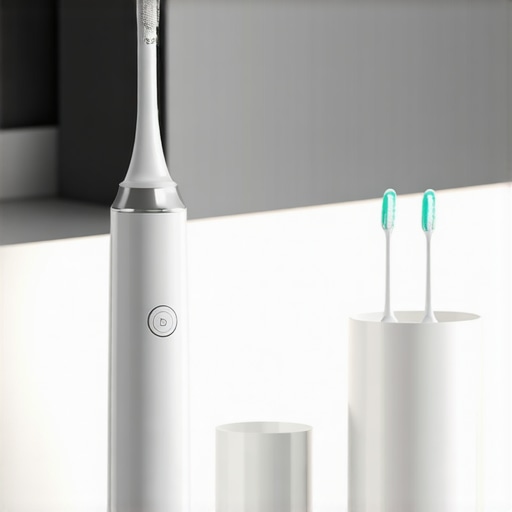
Modern tools are the only way to beat the fuzz
Scaling your oral hygiene routine as you age is vital. What worked in your twenties won’t necessarily work when you have multiple crowns or aging fillings. This is why the role of family dentistry in ensuring oral health for all ages is so pivotal—the strategy must change as the ‘ecosystem’ of your mouth evolves. For my kids, I still prioritize child friendly dental care the foundation of good oral health, which focuses on developing manual dexterity, but for myself, I rely on high-tech intervention. I’ve started using an interdental brush dipped in a tiny amount of antiseptic mouthwash for those tight gaps around my posterior crowns. It’s a niche trick that adds maybe thirty seconds to my night, but that ‘fuzzy’ feeling hasn’t returned since I started this targeted disruption.
Stop guessing and start using a water flosser correctly
For those of us with extra hardware, a water flosser is non-negotiable. However, most people use them on the highest setting immediately, which is a recipe for gum irritation. Learning how to stop your gums from hurting when you use a water flosser is the first step toward long-term consistency. You have to start on the lowest pressure setting and aim the stream at a 90-degree angle to the tooth surface, tracing the gingival margin slowly. This tool is especially helpful for keeping the areas under bridges or around implants clear of debris. If you use a night guard to protect your investment from grinding, you also need to master the best way to clean a night guard to prevent odors and bacterial buildup. Neglecting the hygiene of your appliances is just as dangerous as neglecting your teeth.
How do I maintain my dental work over time?
Consistency is the heart of any family dentistry guide building a lifetime of healthy smiles. Your tools are only as good as the habits supporting them. As we look toward the future, enhance your confidence cosmetic dentistry innovations to watch include new bioactive materials that actually help remineralize the tooth at the margin, but until those are mainstream, your water flosser and sonic brush are your best defenses. My challenge for you: tonight, try using a ‘disclosing tablet’ after you think you’ve finished brushing. It will highlight exactly where you are missing plaque, and I bet it’s right at the edges of your most expensive dental work. Address those spots, and you’ll finally say goodbye to that morning fuzz for good.
The hard truths I learned about fighting dental biofilm
After years of trial and error, I realized that the fuzzy feeling isn’t just a nuisance—it is an early warning system. First, I learned that more pressure is almost never the answer; in fact, I had to study how to tell if your gum recession is caused by brushing too hard before I changed my ways. Second, biofilm is a community. If you don’t fully disrupt it, the survivors grow back faster and stronger. Third, I discovered that even the best hardware can’t save a bad environment. If you don’t address issues like acidity, your understanding dental crowns when and why they are needed won’t matter because the foundation will remain compromised. Finally, the most important lesson: consistency beats intensity every single time.
Tools that changed my oral health forever
I don’t believe in hoarding gadgets, but these four items are the cornerstones of my routine. I swear by a high-quality water flosser because it is the only thing that effectively manages the best way to clean under a dental bridge to prevent smells and debris. I also rely on pH-neutralizing mouth rinses rather than alcohol-based ones that cause dryness. For my weekly check, I use disclosing tablets to see the ‘invisible’ fuzz I missed. Lastly, I never skip my professional cleanings because why a prophy treatment is much more than just a simple tooth cleaning becomes clear the moment you feel that specific level of smoothness that only a professional can provide.
[IMAGE_PLACEHOLDER]
Start your journey to a smoother smile today
Achieving that glass-like finish on your teeth is a reachable goal for everyone, regardless of your dental history. It starts with the decision to stop ‘scrubbing’ and start ‘disrupting’ the bacteria that try to call your mouth home. By following a comprehensive family dentistry guide building a lifetime of healthy smiles, you can ensure your teeth remain healthy and fuzz-free for decades to come. Don’t let a little morning velvet discourage you; use it as a signal to refine your technique and protect your beautiful smile. Have you ever noticed that the ‘fuzzy’ feeling returns faster after eating certain types of food? Let me know your experience in the comments below!