It was exactly 3:00 AM on a Tuesday when I realized my tooth wasn’t just sensitive anymore; it was an angry, pulsing beast. I was pacing my kitchen floor, clutching a cold bag of frozen peas to my face and feeling every heartbeat echoing in my molar. It’s a visceral, lonely kind of pain that makes you willing to trade your car for just ten minutes of silence. If you’re reading this right now while squinting at your phone screen in the dark, I know exactly where you are. I’ve been there, and I’ve made every mistake in the book—including the time I thought sticking a crushed aspirin directly against my gums was a pro move. Spoiler alert: it just gave me a nasty chemical burn. Today, I’m going to share exactly how to handle a throbbing toothache in the middle of the night without losing your mind or making the situation worse before you can get to a professional.
Stop the Scream Inside Your Jaw Before Morning
The first thing you need to realize is that dental pain is a master of timing; it waits for your dentist’s office to close before it really turns up the volume. Why does this matter right now? Because your body is sending an SOS that cannot be ignored. According to the American Dental Association, dental emergencies often signal underlying infections that require professional intervention to prevent systemic issues. I used to think I could just ignore the dull ache I felt while eating sweets, but ignoring sugar sensitivity is exactly how I ended up in this midnight mess. We aren’t just looking for a permanent fix here—that happens in the dentist’s chair—we are looking for a temporary ceasefire so you can survive the night. Have you ever felt that terrifying throb and wondered if your whole jaw was going to explode? I’d love to hear your ‘midnight dental horror’ stories in the comments once you’re feeling better.
Will This Pain Just Go Away if I Finally Fall Asleep?
It’s the question we all ask when we’re exhausted and desperate. Unfortunately, lying down actually makes the throbbing worse because the blood flow to your head increases, putting more pressure on that already inflamed nerve. If you suspect something more serious than a simple cavity, you might be looking for hidden signs of an abscessed tooth that require urgent attention. My biggest mistake early on was thinking that if the pain subsided for an hour, I was somehow ‘cured.’ It wasn’t a cure; it was just the nerve momentarily retreating before a bigger flare-up. We need to focus on elevation, specific rinsing techniques, and the right way to manage tooth pain when you can’t see a dentist immediately so you can actually get some rest.
Flush the Area with a Warm Saltwater Rinse
The very first thing you should do is reach for the salt. I know it sounds like an old wives’ tale, but there is actual science here. Saltwater acts as a natural disinfectant and helps loosen debris that might be jammed between your teeth, which can cause intense pressure. More importantly, it helps draw out some of the fluid causing that agonizing inflammation. Mix about half a teaspoon of salt into a cup of warm water and swish it around for at least 30 seconds before spitting. Don’t swallow it—you’re basically trying to create a mini-osmosis event in your mouth. If you have a child dealing with this, remember that caring for your child’s teeth requires even gentler care; make sure they are old enough to spit the solution out properly.
Elevate Your Head Above Your Heart
This is the tip that finally allowed me to get two hours of sleep during my last dental crisis. Most people make the mistake of lying flat, which allows blood to rush to the head and increases the throbbing pressure in the tooth’s pulp. Think of it like a sprained ankle—you wouldn’t hang it off the side of the bed. Grab every pillow in the house and prop yourself up at a 45-degree angle. By keeping your head elevated, you reduce the vascular pressure on the nerve. 
Look for Cracks or Lost Fillings Carefully
If the pain started suddenly while you were eating, you might have structural damage. I once spent twenty minutes in front of a foggy bathroom mirror thinking I had a piece of stuck popcorn, only to realize I had actually fractured a molar. Knowing how to handle a cracked tooth if you are hours away from a clinic can be the difference between saving the tooth and needing an extraction. If you see a visible gap where a filling used to be, you can use a small piece of sugarless gum as a temporary plug to keep air and cold out of the sensitive area until the family dentistry clinic opens in the morning.
Use Clove Oil the Right Way
If you have clove oil in your pantry, you have a secret weapon. Clove oil contains eugenol, which is a natural anesthetic that many dentists still use in different formulations today. But be warned: do not just pour it into your mouth. It is incredibly potent and can irritate your gums. Soak a tiny cotton ball in the oil, then gently dab it onto the specific tooth that is screaming. I learned this the hard way when I tried to just ‘rinse’ with it and my entire tongue went numb for an hour while my tooth kept throbbing. If the pain is coming from a restoration, you might be understanding dental crowns when and why they are needed in a whole new light once your dentist explains the damage.
Apply a Cold Compress to the Outside of Your Jaw
While heat might feel comforting, it can actually stimulate blood flow and make an infection worse. Always opt for cold. Apply a cold pack—or even a bag of frozen peas—to the outside of your cheek for 20 minutes on and 20 minutes off. This helps constrict the blood vessels and numbs the area. It won’t fix the underlying issue, but it acts like a volume knob, turning that scream down to a dull roar. Be careful not to apply ice directly to the tooth, especially if you have sensitive enamel or a porcelain crown that reacts to temperature. This is about managing the inflammation so you can make it to your appointment. Remember, even if the pain fades slightly with these steps, the real cost of delaying a root canal or similar treatment is far higher than the cost of an emergency visit.
Why Your Vanishing Pain Is Actually a Warning
Most people assume that if that agonizing midnight throb disappears by breakfast, the crisis has passed. I used to think the same—until a specialist explained the concept of ‘pulp necrosis’ to me. Let’s dig deeper: when a tooth stops hurting after a period of intense pain, it often doesn’t mean it’s healing; it means the nerve has finally died. While the silence might feel like a relief, it’s actually the most dangerous stage. A dead nerve is a breeding ground for bacteria that can spread into the jawbone. In my experience, the scariest dental issues are the ones that stop hurting entirely because they lull you into a false sense of security. Everyone says a root canal or a crown is the final, permanent fix, but the truth is that understanding dental crowns when and why they are needed involves realizing they aren’t suits of armor. They are precision instruments that require a perfect seal at the gumline. If you have a ‘leaky’ margin, bacteria can feast on the tooth structure underneath without you feeling a thing until the foundation literally crumbles. This is the ultimate ‘oops’ factor: trusting a tooth just because it’s quiet. 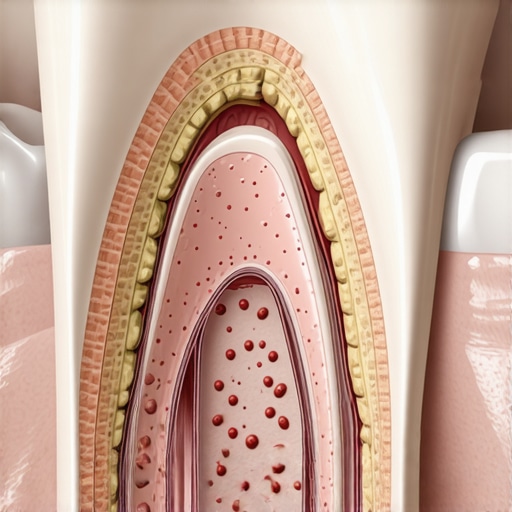
Does a Crown Guarantee Your Tooth Is Safe Forever?
The short answer is a resounding no. A study published in the Journal of Endodontics highlights that secondary decay under existing restorations is a leading cause of tooth loss in adults, often remaining asymptomatic for years. You might be focused on the real reason your porcelain crown keeps chipping, but you should actually be more concerned with how to tell if your dental crown is leaking bacteria. Once that microscopic seal is compromised, the internal structure is actually more vulnerable than a natural tooth because you lack the sensory warning of a nerve. Even within the realm of cosmetic dentistry innovations, the priority must remains the biological health of the tooth stump. If you’ve ever had a crown ‘pop off’ or noticed a persistent bad taste near a restoration, that’s not just a minor nuisance; it’s an emergency in slow motion. Have you ever fallen into this trap of thinking a restored tooth was ‘finished’ and didn’t need further checking? Let me know in the comments. We often focus so much on the visual appeal of expert cosmetic dentistry solutions that we forget the underlying family dentistry basics—regular diagnostic exams are actually more critical for crowns than for natural teeth. Don’t let the lack of pain fool you into skipping your follow-up appointment.
Stop Power-Brushing Your Way to a Gum Graft
I used to be a ‘scrubber.’ I thought if I didn’t feel the bristles vibrating against my bone, I wasn’t doing it right. But that’s a fast track to surgery. If you want your restorations to last, you need to be obsessed with the tools you use daily. I personally switched to an electric brush with a visible pressure sensor—the kind that glows red when you’re being a brute. This is crucial because the truth about how often you really need to replace your toothbrush isn’t just about the date on the calendar; it’s about the integrity of those bristles. According to the International Journal of Prosthodontics, the marginal integrity of a crown is most often compromised by abrasive hygiene habits that lead to gum recession, exposing the vulnerable tooth structure underneath.
Why My Water Flosser is the Only Reason I Still Have Crowns
Standard floss is great, but it can’t reach the ‘nooks and crannies’ of a complex bridge or a dental implant. I use a high-end water flosser every single night. The trick I learned is to use lukewarm water and start on the lowest setting. You need to learn how to stop your gums from hurting when you use a water flosser by angling the tip at 90 degrees to your gumline, not blasting the pocket directly. This flush removes the biofilm that your brush simply can’t touch. If you’re investing in expert cosmetic dentistry solutions, skipping this tool is like buying a Ferrari and never changing the oil.
How do I keep my dental work looking brand new for a decade?
It comes down to chemical awareness. I see people using abrasive charcoal pastes on their thousand-dollar veneers, and it makes me cringe. If you have thin enamel, you need to know the safest way to whiten teeth if you have thin enamel without scratching the porcelain surface. Once you scratch that glaze, stains stick to it forever. I also suggest a night guard if you show any signs of grinding, because dental crowns vs other restorations often fail not because of decay, but because of sheer mechanical force. 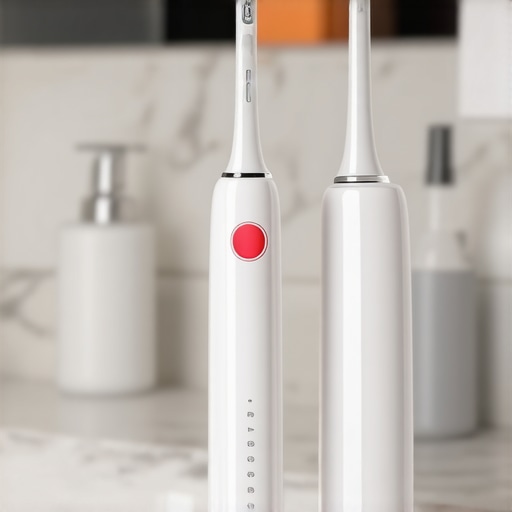
Digital Scans are the Future of Your Jaw Alignment
In the next few years, the ‘goopy’ physical impressions will be a thing of the past. We are moving toward a world where AI-driven 3D mapping catches microscopic shifts in your bite before they cause a crack. This is why your dental implant specialist needs a high-tech scan; it’s about predictive maintenance. If we can see your bite pattern changing in a digital model, we can adjust a crown before it chips. My best advice? Ask your dentist for a 3D scan at your next checkup just to have a ‘baseline’ of your mouth. It’s the ultimate insurance policy for your smile. Try this: tonight, use your phone’s flashlight to check the edges of your crowns for any tiny dark lines or ‘steps’—if you find one, book an appointment immediately.
It was exactly 3:00 AM on a Tuesday when I realized my tooth wasn’t just sensitive anymore; it was an angry, pulsing beast. I was pacing my kitchen floor, clutching a cold bag of frozen peas to my face and feeling every heartbeat echoing in my molar. It’s a visceral, lonely kind of pain that makes you willing to trade your car for just ten minutes of silence. If you’re reading this right now while squinting at your phone screen in the dark, I know exactly where you are. I’ve been there, and I’ve made every mistake in the book—including the time I thought sticking a crushed aspirin directly against my gums was a pro move. Spoiler alert: it just gave me a nasty chemical burn. Today, I’m going to share exactly how to handle a throbbing toothache in the middle of the night without losing your mind or making the situation worse before you can get to a professional.
Stop the Scream Inside Your Jaw Before Morning
The first thing you need to realize is that dental pain is a master of timing; it waits for your dentist’s office to close before it really turns up the volume. Why does this matter right now? Because your body is sending an SOS that cannot be ignored. According to the American Dental Association, dental emergencies often signal underlying infections that require professional intervention to prevent systemic issues. I used to think I could just ignore the dull ache I felt while eating sweets, but ignoring sugar sensitivity is exactly how I ended up in this midnight mess. We aren’t just looking for a permanent fix here—that happens in the dentist’s chair—we are looking for a temporary ceasefire so you can survive the night. Have you ever felt that terrifying throb and wondered if your whole jaw was going to explode? I’d love to hear your ‘midnight dental horror’ stories in the comments once you’re feeling better.
Will This Pain Just Go Away if I Finally Fall Asleep?
It’s the question we all ask when we’re exhausted and desperate. Unfortunately, lying down actually makes the throbbing worse because the blood flow to your head increases, putting more pressure on that already inflamed nerve. If you suspect something more serious than a simple cavity, you might be looking for hidden signs of an abscessed tooth that require urgent attention. My biggest mistake early on was thinking that if the pain subsided for an hour, I was somehow ‘cured.’ It wasn’t a cure; it was just the nerve momentarily retreating before a bigger flare-up. We need to focus on elevation, specific rinsing techniques, and the right way to manage tooth pain when you can’t see a dentist immediately so you can actually get some rest.
Flush the Area with a Warm Saltwater Rinse
The very first thing you should do is reach for the salt. I know it sounds like an old wives’ tale, but there is actual science here. Saltwater acts as a natural disinfectant and helps loosen debris that might be jammed between your teeth, which can cause intense pressure. More importantly, it helps draw out some of the fluid causing that agonizing inflammation. Mix about half a teaspoon of salt into a cup of warm water and swish it around for at least 30 seconds before spitting. Don’t swallow it—you’re basically trying to create a mini-osmosis event in your mouth. If you have a child dealing with this, remember that caring for your child’s teeth requires even gentler care; make sure they are old enough to spit the solution out properly.
Elevate Your Head Above Your Heart
This is the tip that finally allowed me to get two hours of sleep during my last dental crisis. Most people make the mistake of lying flat, which allows blood to rush to the head and increases the throbbing pressure in the tooth’s pulp. Think of it like a sprained ankle—you wouldn’t hang it off the side of the bed. Grab every pillow in the house and prop yourself up at a 45-degree angle. By keeping your head elevated, you reduce the vascular pressure on the nerve.
Look for Cracks or Lost Fillings Carefully
If the pain started suddenly while you were eating, you might have structural damage. I once spent twenty minutes in front of a foggy bathroom mirror thinking I had a piece of stuck popcorn, only to realize I had actually fractured a molar. Knowing how to handle a cracked tooth if you are hours away from a clinic can be the difference between saving the tooth and needing an extraction. If you see a visible gap where a filling used to be, you can use a small piece of sugarless gum as a temporary plug to keep air and cold out of the sensitive area until the family dentistry clinic opens in the morning.
Use Clove Oil the Right Way
If you have clove oil in your pantry, you have a secret weapon. Clove oil contains eugenol, which is a natural anesthetic that many dentists still use in different formulations today. But be warned: do not just pour it into your mouth. It is incredibly potent and can irritate your gums. Soak a tiny cotton ball in the oil, then gently dab it onto the specific tooth that is screaming. I learned this the hard way when I tried to just ‘rinse’ with it and my entire tongue went numb for an hour while my tooth kept throbbing. If the pain is coming from a restoration, you might be understanding dental crowns when and why they are needed in a whole new light once your dentist explains the damage.
Apply a Cold Compress to the Outside of Your Jaw
While heat might feel comforting, it can actually stimulate blood flow and make an infection worse. Always opt for cold. Apply a cold pack—or even a bag of frozen peas—to the outside of your cheek for 20 minutes on and 20 minutes off. This helps constrict the blood vessels and numbs the area. It won’t fix the underlying issue, but it acts like a volume knob, turning that scream down to a dull roar. Be careful not to apply ice directly to the tooth, especially if you have sensitive enamel or a porcelain crown that reacts to temperature. This is about managing the inflammation so you can make it to your appointment. Remember, even if the pain fades slightly with these steps, the real cost of delaying a root canal or similar treatment is far higher than the cost of an emergency visit.
Why Your Vanishing Pain Is Actually a Warning
Most people assume that if that agonizing midnight throb disappears by breakfast, the crisis has passed. I used to think the same—until a specialist explained the concept of ‘pulp necrosis’ to me. Let’s dig deeper: when a tooth stops hurting after a period of intense pain, it often doesn’t mean it’s healing; it means the nerve has finally died. While the silence might feel like a relief, it’s actually the most dangerous stage. A dead nerve is a breeding ground for bacteria that can spread into the jawbone. In my experience, the scariest dental issues are the ones that stop hurting entirely because they lull you into a false sense of security. Everyone says a root canal or a crown is the final, permanent fix, but the truth is that understanding dental crowns when and why they are needed involves realizing they aren’t suits of armor. They are precision instruments that require a perfect seal at the gumline. If you have a ‘leaky’ margin, bacteria can feast on the tooth structure underneath without you feeling a thing until the foundation literally crumbles. This is the ultimate ‘oops’ factor: trusting a tooth just because it’s quiet.
Does a Crown Guarantee Your Tooth Is Safe Forever?
The short answer is a resounding no. A study published in the Journal of Endodontics highlights that secondary decay under existing restorations is a leading cause of tooth loss in adults, often remaining asymptomatic for years. You might be focused on the real reason your porcelain crown keeps chipping, but you should actually be more concerned with how to tell if your dental crown is leaking bacteria. Once that microscopic seal is compromised, the internal structure is actually more vulnerable than a natural tooth because you lack the sensory warning of a nerve. Even within the realm of cosmetic dentistry innovations, the priority must remains the biological health of the tooth stump. If you’ve ever had a crown ‘pop off’ or noticed a persistent bad taste near a restoration, that’s not just a minor nuisance; it’s an emergency in slow motion. Have you ever fallen into this trap of thinking a restored tooth was ‘finished’ and didn’t need further checking? Let me know in the comments. We often focus so much on the visual appeal of expert cosmetic dentistry solutions that we forget the underlying family dentistry basics—regular diagnostic exams are actually more critical for crowns than for natural teeth. Don’t let the lack of pain fool you into skipping your follow-up appointment.
Stop Power-Brushing Your Way to a Gum Graft
I used to be a ‘scrubber.’ I thought if I didn’t feel the bristles vibrating against my bone, I wasn’t doing it right. But that’s a fast track to surgery. If you want your restorations to last, you need to be obsessed with the tools you use daily. I personally switched to an electric brush with a visible pressure sensor—the kind that glows red when you’re being a brute. This is crucial because the truth about how often you really need to replace your toothbrush isn’t just about the date on the calendar; it’s about the integrity of those bristles. According to the International Journal of Prosthodontics, the marginal integrity of a crown is most often compromised by abrasive hygiene habits that lead to gum recession, exposing the vulnerable tooth structure underneath.
Why My Water Flosser is the Only Reason I Still Have Crowns
Standard floss is great, but it can’t reach the ‘nooks and crannies’ of a complex bridge or a dental implant. I use a high-end water flosser every single night. The trick I learned is to use lukewarm water and start on the lowest setting. You need to learn how to stop your gums from hurting when you use a water flosser by angling the tip at 90 degrees to your gumline, not blasting the pocket directly. This flush removes the biofilm that your brush simply can’t touch. If you’re investing in expert cosmetic dentistry solutions, skipping this tool is like buying a Ferrari and never changing the oil.
How do I keep my dental work looking brand new for a decade?
It comes down to chemical awareness. I see people using abrasive charcoal pastes on their thousand-dollar veneers, and it makes me cringe. If you have thin enamel, you need to know the safest way to whiten teeth if you have thin enamel without scratching the porcelain surface. Once you scratch that glaze, stains stick to it forever. I also suggest a night guard if you show any signs of grinding, because dental crowns vs other restorations often fail not because of decay, but because of sheer mechanical force.
Digital Scans are the Future of Your Jaw Alignment
In the next few years, the ‘goopy’ physical impressions will be a thing of the past. We are moving toward a world where AI-driven 3D mapping catches microscopic shifts in your bite before they cause a crack. This is why your dental implant specialist needs a high-tech scan; it’s about predictive maintenance. If we can see your bite pattern changing in a digital model, we can adjust a crown before it chips. My best advice? Ask your dentist for a 3D scan at your next checkup just to have a ‘baseline’ of your mouth. It’s the ultimate insurance policy for your smile. Try this: tonight, use your phone’s flashlight to check the edges of your crowns for any tiny dark lines or ‘steps’—if you find one, book an appointment immediately.
The Expensive Myth of the Pain-Free Tooth
The hardest lesson I ever learned about the dentist and high-end restorations is that silence is often the loudest warning sign. When I stopped feeling that midnight throb, I thought I was in the clear, but I was actually ignoring the final SOS of a dying nerve. I’ve realized that a healthy tooth speaks to you through sensitivity, while a failing one often goes completely silent until the damage is structural. I now treat my checkups as ‘biological insurance’ rather than just a chore to fix what’s broken. It’s a shift from reactive fear to proactive maintenance that has saved me thousands in potential cosmetic dentistry re-dos.
What I Keep in My Dental Emergency Kit
If you want to avoid a midnight crisis, you need a toolkit that goes beyond a standard toothbrush. Here is what I personally trust to keep my smile stable:
- A Water Flosser with Variable Pressure: It is the only way to effectively clean the margins of your crowns. Just make sure you know how to stop your gums from hurting by using the right technique.
- High-Quality Clove Oil: A natural, potent anesthetic that can buy you hours of sleep when used sparingly with a cotton swab.
- A Pressure-Sensing Electric Brush: Vital for preventing the recession that leads to crown failure. Remember the truth about how often you really need to replace your toothbrush—worn bristles are your smile’s worst enemy.
Give Your Smile the Maintenance It Deserves
At the end of the day, your oral health is the foundation for everything else, from your confidence to your systemic physical health. Whether you are navigating a midnight emergency or planning a full smile makeover, the secret is consistent, informed care. Take the time to find a partner in family dentistry who values prevention as much as you do. Your future self, sleeping soundly through the night, will thank you for the effort you put in today. Have you ever had a toothache that vanished overnight only to return worse later? Let me know your experience in the comments below.