There I was, halfway through a piece of saltwater taffy at the state fair, when I felt that dreaded “pull.” It wasn’t a sharp pain, but a subtle, sickening movement in the back of my mouth where my bridge lives. My heart skipped a beat. If you’ve ever felt your dental bridge shift just a millimeter while you’re enjoying a snack, you know that instant wave of panic. Is it falling out? Did the cement fail? Or worse, is the tooth underneath decaying? It’s a specialized kind of stress that only those of us with restorative dental work truly understand. This is exactly why we need to talk about the mechanics of our dental work and why those treats are such a menace. [image_placeholder_1]
That Sickening Tug When You Bite Down on Something Taffy-Like
We spend a lot of money and time on expert cosmetic dentistry solutions to get our smiles back to normal, so when things feel “off,” it’s incredibly frustrating. I remember early on in my journey with crowns and bridges, I made the classic mistake of thinking a tiny bit of movement was just my mouth “adjusting” to a new sensation. I ignored it for weeks, hoping it would just go away. Big mistake. That little wiggle was actually a sign that the seal had broken, and by the time I saw my family dentistry provider, bacteria had already started to sneak into the gap. When you bite into something like a Tootsie Roll, the candy forms a seal around the prosthetic. As you open your mouth, the candy pulls upward while your jaw moves downward, creating a tug-of-war where your bridge is the rope. If the cement has even a microscopic gap, that force is enough to break the vacuum seal entirely.
Is a loose bridge always a sign of a total disaster?
It’s the question that keeps us up at night, usually around 2 AM when we’re convinced our whole smile is about to collapse. You might think your only option is to start over from scratch with new dental crowns or expensive implants. But here’s the reality: sometimes it’s just the adhesive giving up the ghost after years of loyal service. According to the American College of Prosthodontists, dental bridges typically last between 5 to 15 years, but their longevity depends entirely on how well we care for them and the strength of the original bond. Today, we are going to dive into why that movement happens and how to tell if you’re looking at a quick “re-cement” job or something that requires a more serious look from your dentist. We’ll look at everything from how to tell if your dental crown is leaking bacteria to the real reason your dental bridge feels loose in the first place. My goal is to save you from the same panic-filled Google searches I went through during that state fair disaster. Have you ever felt that terrifying “click” while eating something you probably shouldn’t have? I’d love to hear your “oh no” moment—it’s more common than you think!
The Tongue Test That Tells You Everything
When you feel that first hint of movement, your tongue becomes a high-precision diagnostic tool. It’s like discovering a loose floorboard in an old house; you can’t help but poke at it to see how much it gives. If you can feel a distinct ‘rocking’ sensation when you press against the prosthetic, the bond has likely failed. This isn’t just about comfort. You need to understand the real reason your dental bridge feels loose, which is often that the underlying cement has washed away, leaving the abutment teeth vulnerable. I once spent a whole weekend nervously tapping my front bridge with my tongue, convinced I was imagining it. By Monday, I realized that the tiny ‘click’ I heard was actually the sound of the porcelain hitting the tooth beneath it. If you catch this early, a family dentistry professional can usually just clean the area and re-bond it, saving you from a much more expensive replacement later.
Why You Can’t Afford to Wait When the Seal Breaks
Think of your dental bridge as a protective cap for a bottle. Once the seal is broken, air and moisture—and in your mouth’s case, bacteria—get inside. This is when you start to worry about how to tell if your dental crown is leaking bacteria. If you wait too long, the decay can destroy the very teeth that hold the bridge in place. I learned this the hard way when I ignored a ‘slight wiggle’ for a month, only to find out that a small cavity had formed on the anchor tooth. It’s a domino effect: if the anchor tooth fails, the whole bridge fails, and suddenly you’re looking at dental crowns vs other restorations like implants to fill the gap.
Master the Art of Cleaning Under the Gap
If your bridge is still solid but you’re worried about its longevity, hygiene is your best defense. Traditional flossing doesn’t work here because the teeth are literally connected. You have to go under the ‘pontic’—the fake tooth. I used to find this incredibly tedious until I realized that the best way to clean under a dental bridge to prevent smells is using a bridge threader or a high-powered water flosser. 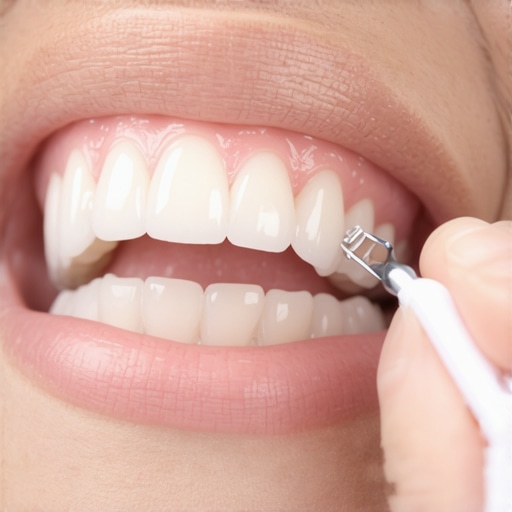
Stop the Damage When You’re Miles Away From a Dentist
If the bridge actually comes out while you’re traveling or it’s after hours, don’t panic, but don’t play amateur doctor either. I once knew someone who tried to use hobby glue to stick a crown back on. Please, listen to the professionals on this one: the risk of using super glue on a broken partial denture or crown involves chemical burns and permanent damage to your enamel. Instead, look for a temporary dental cement kit at a pharmacy. This is a short-term fix to protect the sensitive tooth underneath until you can get to an expert cosmetic dentistry solutions provider. Knowing how to handle a cracked tooth if you are hours away from a clinic is essential knowledge for anyone with restorative work. Keep the bridge clean, keep the area gentle, and avoid chewing on that side entirely until you’re in the dentist’s chair.People often assume that once an expert secures a crown, the tooth underneath is essentially invincible. I used to think the same—that I had effectively ‘armored’ my tooth against the world. But here is the contrarian truth that most family dentistry practices don’t emphasize enough: your crown isn’t a shield; it’s a precision instrument that requires constant calibration. While we often focus on how a restoration looks, the real secret to longevity lies in the occlusion—how your teeth actually meet when you bite. If your alignment is off by even a fraction of a millimeter, the constant micro-trauma will eventually cause the cement to fatigue or the porcelain to fracture. If you’ve ever wondered the real reason your porcelain crown keeps chipping, it’s rarely about the material and almost always about the way your jaw moves at night.
The One-and-Done Myth is Killing Your Investment
Many patients fall into the trap of thinking they’ve reached the finish line after leaving the chair. In reality, the margin—the tiny seam where the crown meets your natural gum line—is the most vulnerable spot in your entire mouth. A study published in the Journal of Prosthetic Dentistry highlights that marginal gaps, even those invisible to the naked eye, are the leading cause of secondary decay. This is why you might notice why your porcelain crown has a dark line at the gum line over time. It’s not just an aesthetic issue; it’s often a sign that the seal is no longer flush, allowing microscopic debris to seep underneath. When this happens, the tooth can decay silently because the crown hides the damage from view until it’s too late. 
Could Your New Crown Actually Be Leaking Bacteria?
It is the most common ‘oops’ factor I see: ignoring a crown that feels ‘high’ or ‘tight’ because you think you’ll just get used to it. If you don’t address a minor bite discrepancy, you aren’t just risking a chip; you’re inviting bacteria to leak into the restoration. The repetitive pressure of chewing acts like a tiny jackhammer on the dental adhesive. Eventually, that adhesive develops micro-fissures. This is why I always tell people to check for a metallic taste or a sudden sensitivity to sweets. If you’re experiencing sensitivity to cold months later, it’s a red flag that the internal environment of the tooth has been compromised.
Protect Your Smile Beyond the Basics
To stay ahead of these issues, you need to look beyond simple brushing. Understanding dental crowns as a solution for damaged teeth also means understanding their limitations. If you grind your teeth, a night guard isn’t optional—it’s an insurance policy for your dental work. We see so many patients invest in top cosmetic dentistry trends only to have them ruined by preventable mechanical wear. Have you ever fallen into the trap of thinking your dental work was indestructible, only to be surprised by a sudden ‘click’ or ‘wiggle’? I’d love to hear about your experience in the comments so we can help others avoid the same mistakes!
I used to think that a standard toothbrush and some generic string floss were enough to protect my investment. I was wrong. If you want your restorative work to survive the next decade, you have to treat it like the high-end machinery it is. For me, the game-changer was switching to angled interdental brushes, specifically the TePe brand. Unlike string floss, which often skips over the concave surfaces of the teeth holding your bridge, these tiny brushes can reach directly into the ‘danger zone’ where the crown meets the gum. When you use these, you aren’t just cleaning; you are performing a mechanical sweep of the margin to prevent the very issues we talked about earlier, like how to tell if your dental crown has a hidden crack before it becomes a catastrophe.
How can I keep my restorations from failing over the next decade?
Longevity is about more than just what you do at home; it’s about the quality of your professional maintenance. You should never view a dental visit as just a ‘cleaning.’ In the world of family dentistry, we are seeing a shift toward specialized care for prosthetics. I always insist on a prophy treatment during my checkups. Most people don’t realize that why a prophy treatment is much more than just a simple tooth cleaning is because it involves high-pressure therapeutic polishing that removes biofilm that a standard scraper simply cannot reach. According to a study published in the Journal of Oral Rehabilitation, the mechanical fatigue of dental cements is significantly accelerated by the presence of chronic biofilm at the margins. By keeping that area sterile, you are literally extending the life of the glue holding your smile together.
The Future of Same-Day Smile Restoration
The days of wearing a plastic temporary for three weeks are numbered. We are entering an era of ‘digital dentistry’ where 3D printing and AI-driven design are becoming standard. In the very near future, if you chip a tooth, you won’t just get a replacement; you’ll get a bio-mapped crown printed in the office that matches the exact wear patterns of your existing teeth. This technology will solve the dilemma of the truth about the lifespan of composite vs porcelain veneers, as materials become even more resilient and customized to your specific bite force. We are also seeing AI software that can analyze X-rays to predict where a bridge might fail years before it actually happens. It’s an exciting time to be a patient, as expert cosmetic dentistry solutions are becoming more durable and accessible than ever before. Even child-friendly dental care is benefiting from these non-invasive diagnostic tools, ensuring the next generation avoids the ‘state fair disasters’ I experienced.
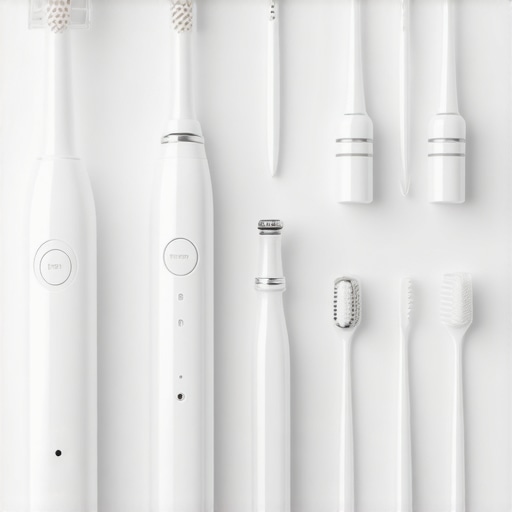
If you really want to take control of your oral health, don’t wait for your next appointment to upgrade your routine. My best advice? Buy a high-quality water flosser with a specialized ‘orthodontic tip’ and use it on the lowest setting to flush out the underside of your bridge every single night. You’ll be shocked at what your toothbrush leaves behind!
Hard Lessons from My Dental Journey
After years of navigating the world of family dentistry, I’ve realized that the most expensive repair is the one you could have prevented with a simple five-minute habit. First, stop testing your dental work with sticky snacks; even if it feels solid today, you are slowly eroding the adhesive with every tug. Second, never ignore a “phantom” taste. If you notice a metallic or sour sensation, it’s a sign to revisit understanding dental crowns when and why they are needed before an infection sets in. Lastly, your stress levels directly impact your dental work. If you clench your jaw during a deadline, you’re essentially stress-testing your porcelain to the point of failure.
My Personal Survival Kit for Restorative Work
I don’t just rely on a standard toothbrush anymore. To keep my smile in top shape, I use three specific tools daily. The first is a high-quality water flosser with a specialized tip to get under the bridge without irritating the gums. #IMAGE_PLACEHOLDER_E# I also swear by angled interdental brushes because they reach the margin area where standard floss often fails. To stay organized, I follow a family dentistry guide building a lifetime of healthy smiles to ensure I’m using the right non-abrasive products. Finally, I always keep a temporary repair kit in my travel bag—knowing how to handle a cracked tooth if you are hours away from a clinic is the ultimate peace of mind.
Your Smile is Worth the Extra Effort
Taking care of your dental work might feel like a chore at first, but it is a vital investment in your confidence. When you choose expert cosmetic dentistry solutions, you are giving yourself the gift of a functional, beautiful life. Don’t let the fear of a loose bridge stop you from smiling. Stay proactive, keep up with your professional cleanings, and remember that you have the power to make your restorations last for decades. Have you ever felt a dental bridge shift while you were eating something you probably shouldn’t have? Let me know your story in the comments!