I was folding laundry when I heard that specific, hollow thud—the kind that echoes differently than a normal rug-bound tumble. My three-year-old had face-planted directly into the corner of our oak coffee table. Before the first scream even hit the air, I saw it: a tiny, white sliver of enamel sitting on the floor like a piece of confetti. I’ll be honest with you; my first instinct wasn’t to call our dentist. I looked at that jagged little smile and thought, ‘Well, it’s just a baby tooth. It’s going to fall out in a few years anyway, right?’ That single thought is the most common, and potentially most expensive, mistake a parent can make. We’re going to walk through exactly why that logic fails and what you need to do instead to protect your kiddo’s future smile. Have you ever stood there, heart racing, wondering if a tiny chip is actually an emergency?
That Sudden Thud That Every Parent Fears
When my son chipped his front tooth, I spent forty-five minutes on Google instead of picking up the phone. I convinced myself that because there wasn’t a gallon of blood, we were in the clear. But here is the reality I learned the hard way: dental trauma is rarely about what you can see on the surface. When you skip the professional evaluation, you aren’t just ignoring a cosmetic issue; you’re potentially ignoring a nerve that’s been shocked or a fracture that reaches below the gumline. I wish I’d known the best way to handle a damaged tooth before I spent a week worrying about whether his tooth would turn gray.
Is a tiny chip really worth an emergency visit?
You might think I’m being a bit dramatic. After all, life is messy and toddlers are basically walking accidents. However, baby teeth aren’t just placeholders. They are the guardians of the permanent teeth growing directly underneath them. According to the American Academy of Pediatric Dentistry, nearly 50% of children will sustain some sort of dental injury during their childhood, yet many cases go untreated because parents assume baby teeth are ‘disposable.’ If a chip exposes the inner pulp, bacteria can move in faster than a toddler moves toward a mud puddle. That infection can travel down the root and actually scar the adult tooth before it even breaks the surface.
The Fatal Flaw in the Wait-and-See Approach
My biggest error was the ‘wait and see’ method. I figured if he wasn’t crying, he wasn’t in pain. But kids are resilient—sometimes too resilient for their own good. By the time I finally sought out child-friendly dental care, I realized that the sharp edge was actually cutting into his lip every time he ate. A simple smoothing of the enamel could have saved him days of discomfort. Establishing a relationship with a provider who understands family dentistry is about more than just cleanings; it’s about having a plan when things go sideways. I felt like a failure sitting in that dental chair, but the staff was amazing at keeping my child from being afraid of the tools. It’s better to be the ‘over-reacting’ parent who gets a clean bill of health than the one who ignores a silent infection.
What to do in those first sixty seconds
The first minute after an impact is pure adrenaline, but your priority is triage. First, grab a clean washcloth and apply firm pressure to the gums if there is bleeding; most mouth injuries look like a crime scene because of the high blood flow in the face, but it usually stops within five minutes. Once the tears subside enough for you to look, check for the missing piece. If you find the fragment, don’t just toss it in a tissue. Treat that sliver of enamel like a delicate plant that has been uprooted. I remember frantically searching through our shaggy rug for my son’s tooth chip while my husband held him. I found it, but I made the mistake of letting it dry out. You actually want to keep it moist to keep the internal fibers alive. Knowing the best way to store a broken tooth until you see a dentist can be the difference between a simple repair and a complex procedure. Put the fragment in a small container of milk or even the child’s own saliva.
Keep the tooth alive while you drive
If the chip is large, your child might experience sudden sensitivity to the air. This happens because the protective shield of enamel is gone, leaving the ‘nerves’ exposed like an open wire. While you are on your way to the office, avoid giving them cold water or crunchy snacks. Think of the tooth as a wounded soldier; it needs a temporary truce from all stimulus. When we finally arrived at our appointment, I was terrified they would have to pull it. Instead, the dentist explained the nuances of child-friendly dental care and how they could use ‘tooth glue’—essentially a tooth-colored resin—to bond the piece back on. This process is a staple of modern expert cosmetic dentistry solutions, and when done correctly, you can’t even see the seam.
Why a dental crown is like a tiny helmet
Sometimes, a simple bond isn’t enough. If the fracture is deep or involves a large portion of the tooth, a dentist might suggest understanding dental crowns as a long-term solution. For a child, a crown acts like a protective helmet, capping the damaged area so it doesn’t split further when they bite into an apple. I was worried about how a crown would look on a three-year-old, but when comparing dental crowns vs other restorations, the durability won me over. In my son’s case, the chip was small enough for bonding, but the dentist warned us about the ‘three-year rule.’ If you want the fix to last, you have to learn the secret to making your dental bonding last more than five years, which involves curbing habits like ice-chewing or nail-biting.
Make the dental chair feel like a spaceship
The biggest hurdle isn’t the dental work itself; it is the panic. My son was terrified of the suction tool, which he called the ‘slurpy straw.’ To get through the appointment, we turned the tools into characters. The high-pitched drill became a ‘whistling bird.’ Learning how to stop your child from being afraid of the noisy tools is a vital skill for any parent. We practiced opening our mouths wide like lions before we even left the house. This preparation is what makes family dentistry so effective; it’s about the psychology of the patient as much as the health of the teeth.
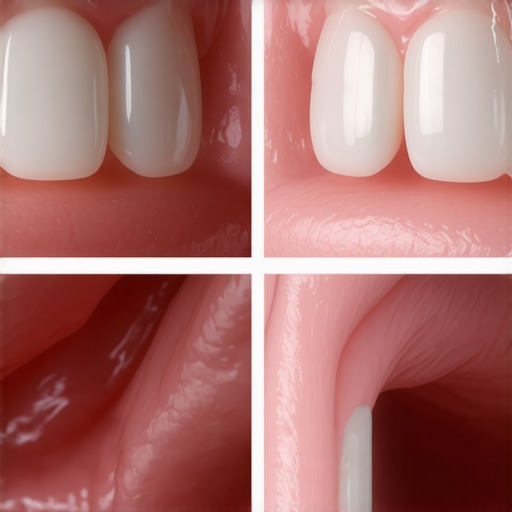
People often tell me that putting a crown on a baby tooth is ‘overkill’ or purely for the sake of the school picture day. They assume that expert cosmetic dentistry solutions are reserved for adults who want Hollywood smiles. But here is the nuance: in pediatric care, ‘cosmetic’ and ‘functional’ are two sides of the same coin. If a child’s tooth isn’t restored to its natural shape, they can develop a lisp or start ‘tongue-thrusting’ to fill the gap, which leads to thousands of dollars in orthodontic bills later. A study by the American Association of Endodontists highlights that even minor trauma can lead to pulp necrosis—the death of the tooth’s internal tissue—months after the initial incident. This is why I argue that a repair isn’t about vanity; it’s about maintaining the architectural integrity of the mouth.
Why ‘cosmetic’ fixes are actually medical necessities
The term cosmetic can be misleading. When a dentist suggests a restoration for a primary tooth, they are often more concerned with the child’s bite alignment than their appearance. Without a proper surface to chew on, the jaw can actually develop unevenly. I’ve seen parents opt for a ‘wait and see’ approach only to find that the lack of a proper tooth edge led to the child avoiding certain healthy foods because they couldn’t bite into them effectively. This is where family dentistry becomes a safeguard for developmental milestones, not just aesthetics.
The trap of the invisible leak
Another trap is the ‘sealed and safe’ mentality. Just because a tooth has been capped doesn’t mean it’s invincible. In fact, knowing how to tell if your crown is leaking and trapping bacteria is a high-level parenting skill. If the seal isn’t perfect, sugar and bacteria crawl underneath that beautiful repair and rot the remaining tooth structure from the inside out. This requires a professional who doesn’t just look at the porcelain but checks the margins where the tooth meets the gum. When choosing between dental crowns vs other restorations, remember that a filling on a high-impact surface is often a temporary patch that will fail under the pressure of a toddler’s bite.
Does your child’s tooth look gray under the new bond?
This brings me to the ‘oops’ factor that many parents overlook. You get the tooth fixed, it looks great, and you stop worrying. However, you must keep a close eye on the color of the surrounding gum and the tooth itself. One of the most common mistakes is ignoring a subtle shift in shade. If you notice the tooth taking on a dusky or grayish hue, it’s a sign the ‘nerve’ is dying. Many parents assume why your teeth look gray after a root canal is the only time color matters, but with trauma, it is a warning light for internal infection. If you don’t catch this early, the infection can seep into the jawbone and damage the adult tooth waiting below. Have you ever fallen into this trap of choosing the ‘quick fix’ only to have it break a week later? Let me know in the comments.
Once the immediate panic of a chipped tooth subsides and the dentist has worked their magic, the mission shifts from rescue to preservation. I’ve realized that most people treat a crown or a bond like a ‘set it and forget it’ solution, but the reality is that your mouth is a high-pressure, acidic environment that is constantly trying to reclaim its original state. To stay ahead, you need a specific toolkit. I personally swear by the Philips Sonicare ProtectiveClean 6100. It’s not just about the vibrations; it’s the pressure sensor that’s vital. If you scrub a bonded tooth too hard, you’re essentially micro-abrading the seal between the resin and the enamel. For those managing a child’s dental work, a soft-bristled electric brush ensures they aren’t ‘sawing’ at their gums. Combine this with a water flosser—the Waterpik Aquarius is my gold standard—to flush out the margins of any dental crowns where traditional floss might snag. Following the secret to making your dental bonding last more than five years isn’t just about what you eat; it’s about the tools you use every single morning.
How do I keep these repairs from failing early?
The most dangerous threat to your new smile isn’t usually a hard candy—it’s what you do while you’re asleep. Bruxism, or teeth grinding, is the leading cause of fractured porcelain and debonded resin. If you’ve invested in expert cosmetic dentistry solutions, a custom-fitted night guard is non-negotiable. I use a lab-fabricated hard-soft guard because it cushions the jaw while providing a slick surface the teeth can’t catch on. Just remember to learn how to clean a night guard without using harsh chemicals or bleach, as those can actually degrade the plastic over time and lead to a funky taste. If you’re feeling the tension during the day, practicing how to stop clenching your jaw when you feel stressed can save you thousands in replacement costs later.
The future of your family’s dental health
As we look toward the horizon, the ‘waiting period’ for restorations is becoming a relic of the past. We are seeing a massive shift toward 3-D intraoral scanning and chairside milling (CEREC). Instead of messy impressions and a two-week wait with a temporary cap that keeps falling off, you can walk out with a permanent solution in ninety minutes. These top cosmetic dentistry trends for 2025 are making family dentistry more accessible and less intimidating for kids. Dr. Gordon Christensen, a world-renowned expert in restorative dentistry and co-founder of the Clinicians Report, emphasizes that the move toward high-translucency zirconia is revolutionizing how we handle posterior restorations, offering a blend of strength and aesthetics that was previously impossible. When you are understanding dental crowns in this new era, you realize we are no longer just fixing teeth—we are engineering long-term biological harmony. Try this tonight: take a high-resolution photo of your child’s dental work with your phone’s macro lens. This creates a ‘baseline’ so you can catch any tiny chips or color changes before they escalate into an emergency.
The Reality Check Every Parent Needs After a Dental Trauma
The “guilt tax” is real. I spent days blaming myself for the coffee table’s placement, but my dentist reminded me that family dentistry isn’t just about teeth; it’s about supporting parents through the chaos of childhood. Restorations aren’t permanent fixtures. Even with the best expert cosmetic dentistry solutions, a toddler’s lifestyle means you might be back in the chair in two years. This is normal, not a failure of the work. The “graying” process can take months; just because the tooth looks fine today doesn’t mean the nerve is safe. I learned to set a calendar reminder for three months out to check for discoloration. Finally, remember that secondary impacts matter. A chipped front tooth can actually change how a child pronounces “S” and “T” sounds, making repair a developmental necessity. Follow these essential family dentistry tips to stay on top of daily maintenance and prevent further damage.
My Go-To Resources for Keeping Baby Teeth Strong
I can’t recommend the Philips Sonicare ProtectiveClean enough for older kids who need a gentle touch around their dental crowns. The pressure sensor prevents them from being too aggressive on new bonding. The Waterpik Aquarius is another lifesaver for getting behind those tiny bonded areas without the friction of traditional string floss. I always keep a “Dental First Aid Kit” in my car now, containing a small bottle of saline and a tiny container for transport—it’s much better than searching the rug for a glass of milk! If you ever face a more severe accident, knowing the best way to save a tooth that was knocked out in a fall can prevent permanent loss. For those curious about the science, the American Academy of Pediatric Dentistry (AAPD) parent portal offers incredible evidence-based guides that go deeper than any blog post.
Your Path Toward a Fearless Future at the Dentist
Watching my son bite into an apple without hesitation was the moment I knew all the stress was worth it. Investing in cosmetic dentistry for a child isn’t about vanity; it’s about giving them the freedom to be a kid without pain or self-consciousness. Your proactive steps today are building the foundation for a lifetime of healthy smiles. Don’t be afraid to ask your provider about the latest top cosmetic dentistry trends for 2025 to ensure your family gets the most modern, least invasive care available. Have you ever struggled with a sudden dental injury during a family outing? Let me know your story below! #IMAGE_PLACEHOLDER_E#